
Last updated November 24, 2026
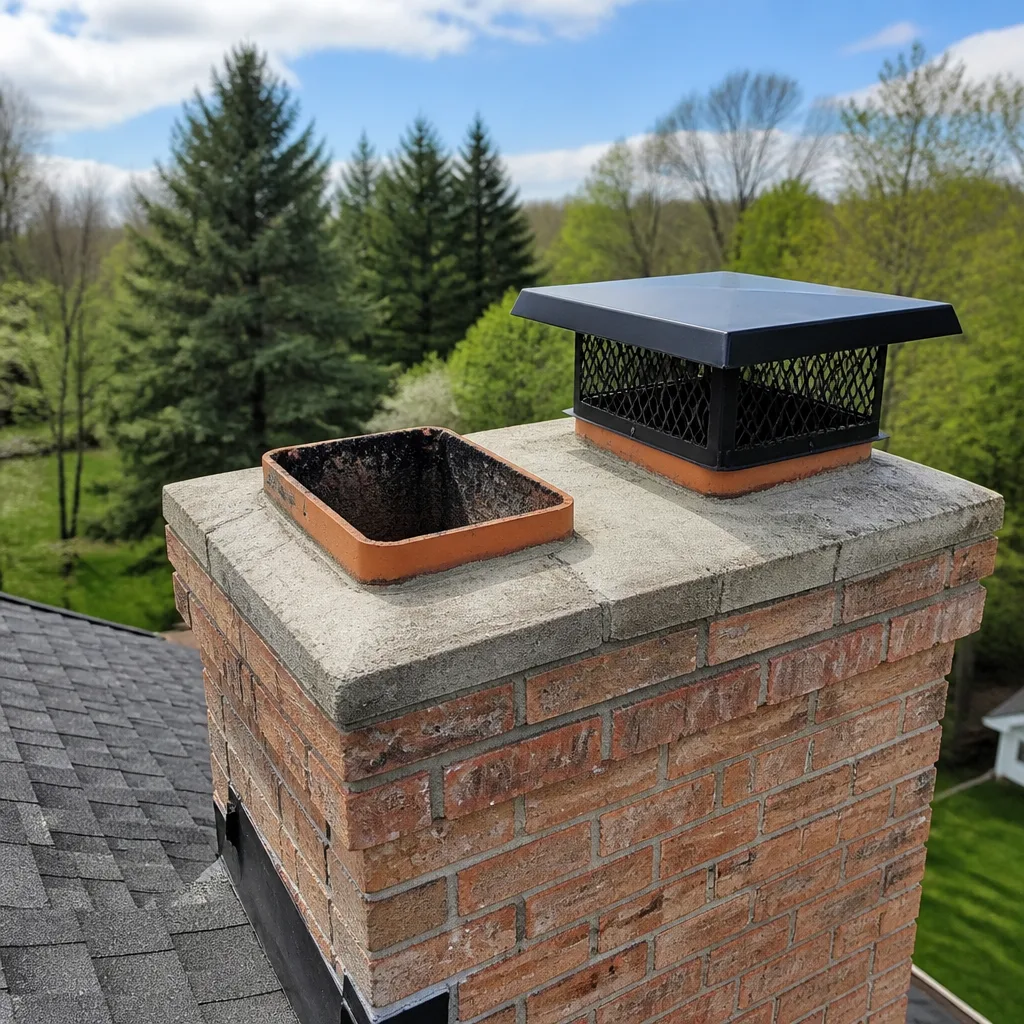 Sweep & inspection
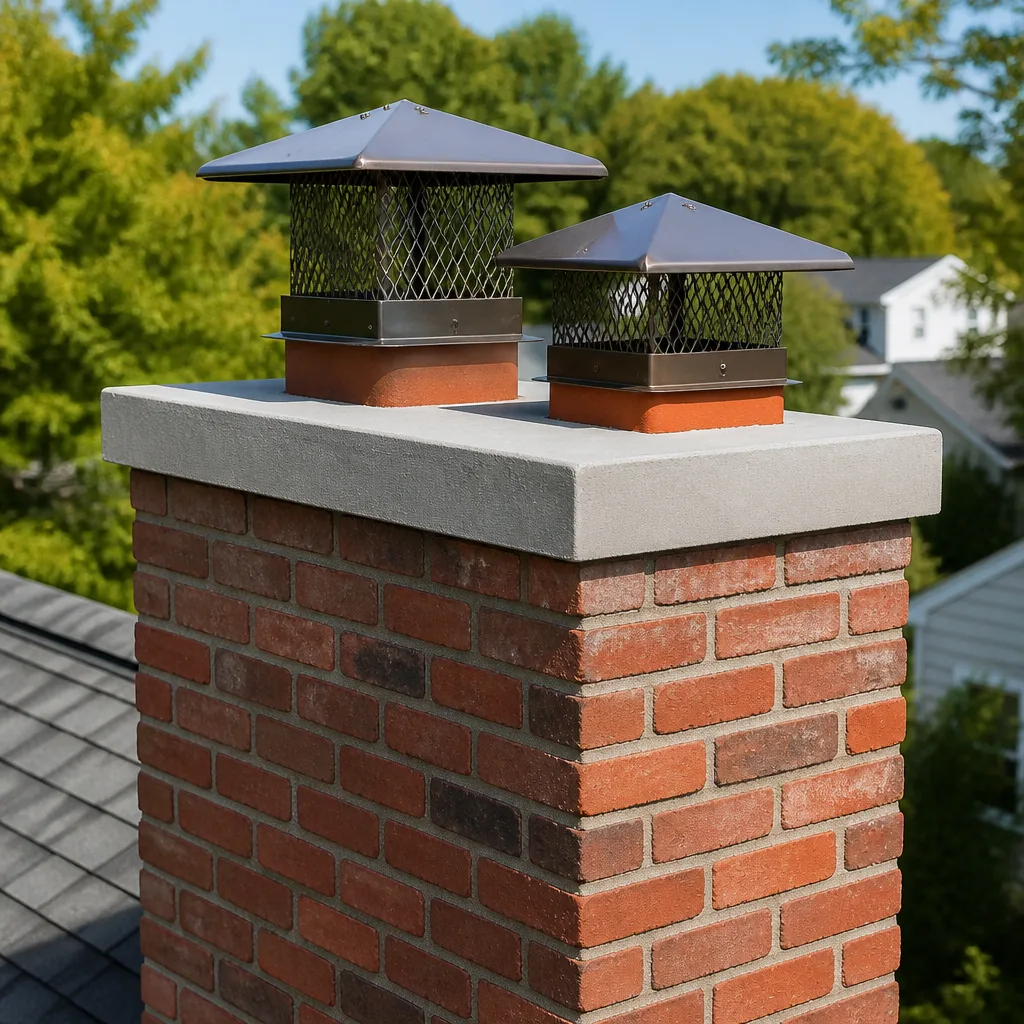 Caps & crowns
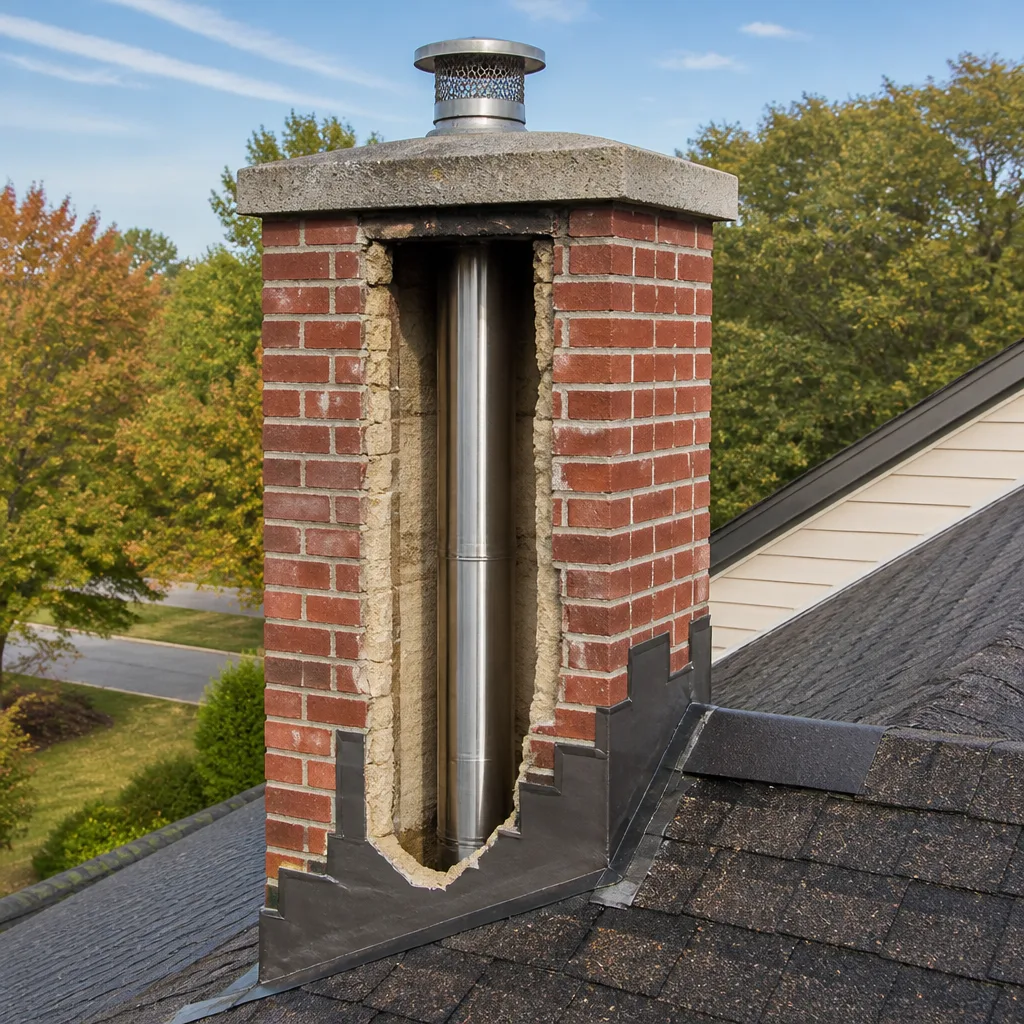 Flue relining
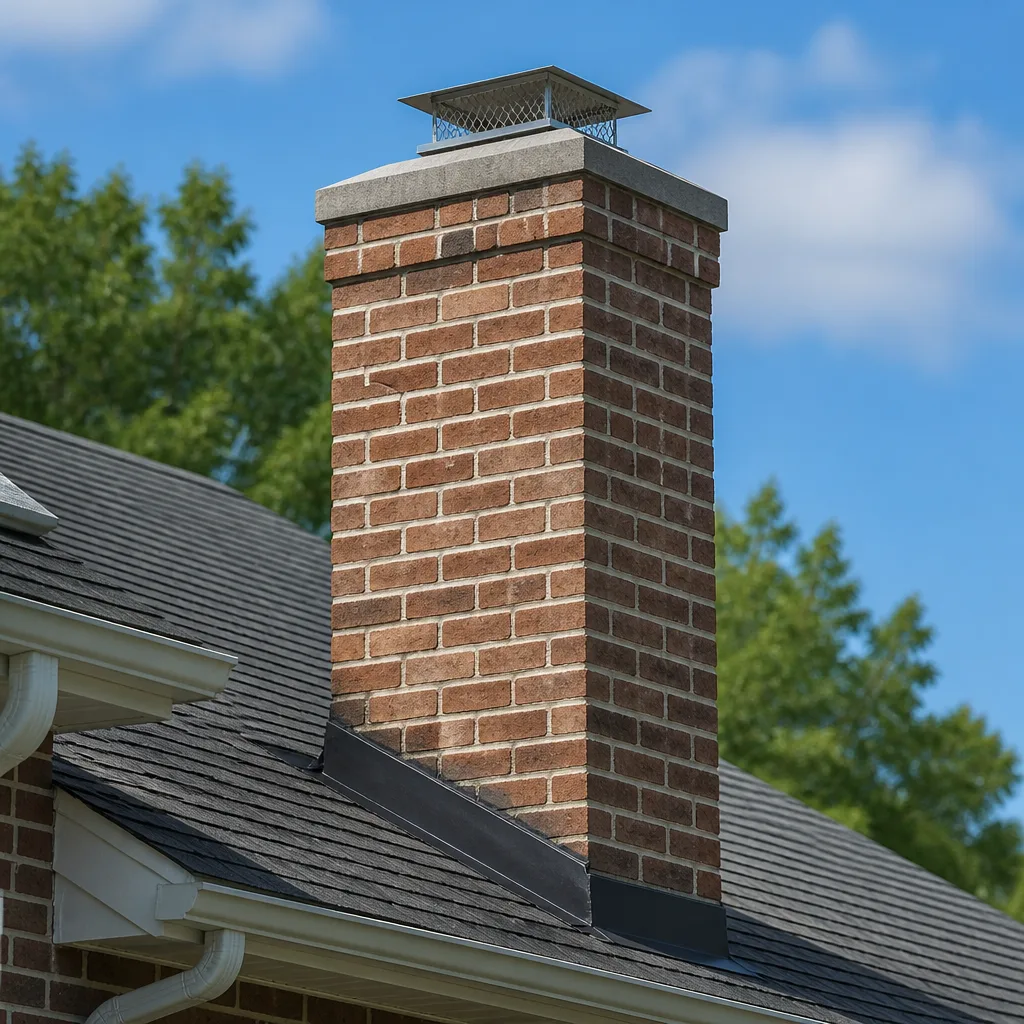 Masonry repair
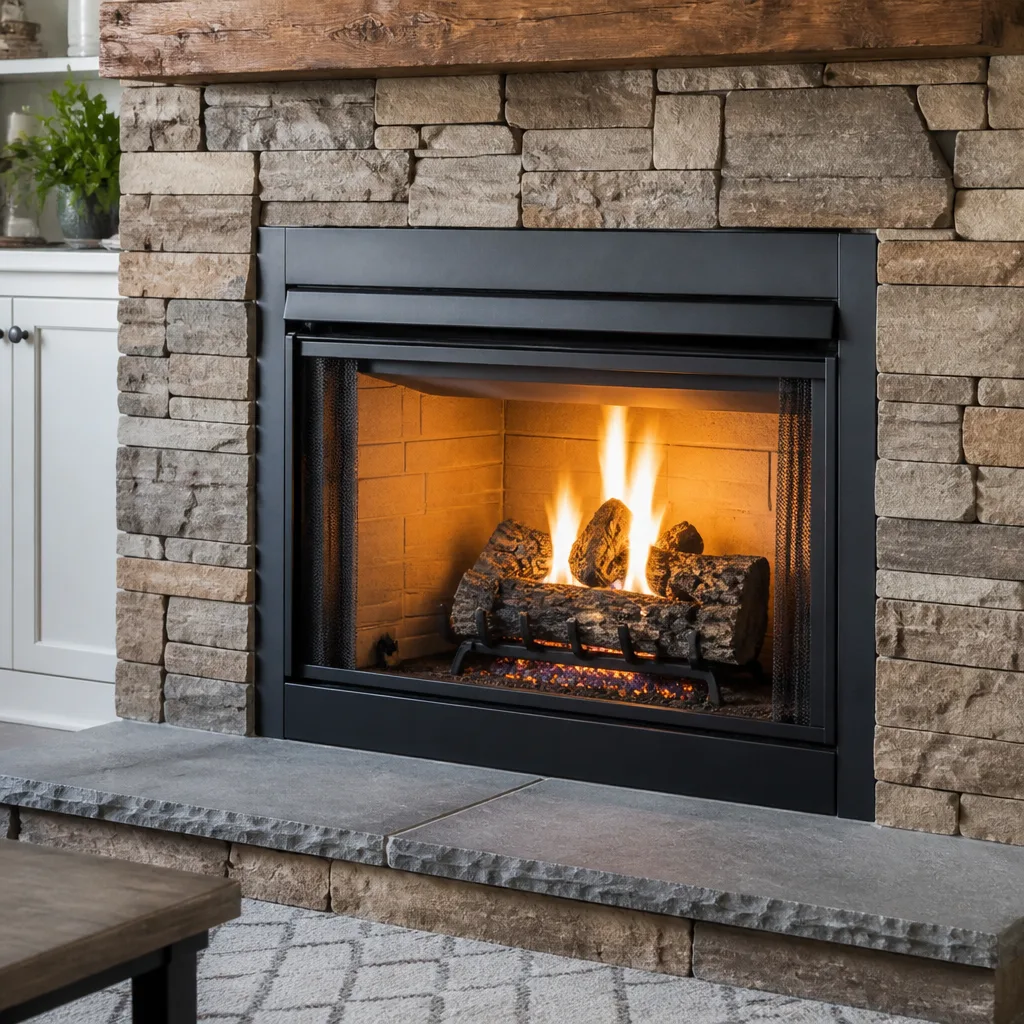 Gas fireplace service
Level 1 sweep and inspection to the NFPA 211 annual standard - flue, crown, cap, and flashing checked and photographed
Chimney sweep logs do not sweep chimneys. They loosen some creosote - which then falls where a brush and vacuum still have to collect it.
Chimney Cleaning Cost Breakdown: The North Hills Homeowner’s Reference for 2026
A $99 chimney cleaning quote and a $299 chimney cleaning quote in North Hills may describe entirely different scopes of work. One might be a brush-and-go with no documentation. The other might include a Level 2 camera inspection, a written report, cap and crown evaluation, and a photo record you can hand to a future buyer. Comparing them on price alone is like comparing a tire rotation to a full service visit. This guide itemizes every cost component behind a North Hills chimney cleaning quote in 2026 so you can read both numbers on equal terms, spot what low bids quietly leave out, and understand what deferred maintenance actually costs down the road.
Quick Answer
A routine chimney sweep in North Hills in 2026 typically runs $180 to $350, and a Level 1 inspection is usually bundled into that price. A Level 2 inspection with a camera scan typically adds $150 to $400 on top. Liner resurfacing or repair commonly lands between $800 and $2,800, while a full reline runs $2,500 to $6,000 depending on flue configuration and liner material. The written estimate sets the final price, and the estimate itself is free.
Styles & brands we work with
- Sweep & inspection
- Caps & crowns
- Flue relining
- Masonry repair
- Gas fireplace service
Table of Contents
- What Actually Drives the Price of a Chimney Cleaning in North Hills?
- Line-Item Cost Breakdown: What’s Inside a Quote
- 2026 North Hills Price Ranges by Service Type
- The Variables Sweeps See That Homeowners Don’t
- Creosote Stages and Why They Change the Number
- The Cost of Deferred Maintenance
- Professional-Grade Materials vs. Commodity Products
- How to Compare Two Chimney Quotes Fairly
What Actually Drives the Price of a Chimney Cleaning in North Hills?
Four things move a chimney cleaning price in North Hills more than anything else: the level of inspection attached to the sweep, the condition of the flue, the height and configuration of the chimney, and whether documentation is provided. The sweep itself is usually the smallest piece of the puzzle. When you call a chimney sweep, what you’re really buying is a professional eyes-on assessment of your entire system plus the cleaning that lets that assessment happen.
North Hills sits in the Piedmont, which means humid summers, mild winters, and a burning season that runs roughly October into March. Chimneys here see plenty of idle months where moisture and creosote interact in ways that accelerate deterioration. That regional pattern is why North Hills homeowners tend to need honest evaluations of the flue interior, not just a brush run down the pipe. A cleaning quote that ignores the flue’s condition is only telling you half the story.
We’ve seen quotes in North Hills that were built around a $99 loss-leader number, then ballooned once the technician was on the roof. The reasons aren’t always sinister, but the homeowner rarely gets a clear picture of what was included versus what was added later. The best defense is knowing what components make up a fair quote before you accept one.
Understanding what’s standard helps. A chimney sweep priced honestly will usually spell out the inspection level, the written report, and any additional work visible from the roof or firebox. If a quote names only “cleaning,” ask what inspection level is attached. That one question separates a good bid from a cheap one.
Line-Item Cost Breakdown: What’s Inside a Quote
A complete chimney cleaning quote in North Hills breaks into six or seven line items. Some quotes consolidate them into one price, which is fine, but only if all of them are covered. Here’s what each line represents and what it typically contributes to the total.
- Cleaning labor: The physical brush or rotary sweep of the flue, firebox, smoke chamber, and damper area. This is the visible work and typically accounts for $120 to $220 of a basic service.
- Level 1 inspection: A visual check of easily accessible portions of the chimney, firebox, and connected appliance. Often bundled into the cleaning price, not a separate line.
- Written report: A documented summary of findings with recommendations. Some companies charge $25 to $75 for this. Others include it. A quote with no report is a quote with no record.
- Cap and crown inspection: A look at the top of the chimney for cracked crowns, loose flue tiles, and missing or rusted caps. This is where most exterior problems first show up.
- Camera scan (Level 2): A video inspection of the flue’s interior, usually required when a change of fuel, appliance, or property ownership has occurred. Typically $150 to $400 above a Level 1.
- Photo documentation: Still images captured during the sweep or inspection that show what the technician saw. Not always offered, but worth asking for.
- Minor cap or crown hardware: If a cap is loose or a crown has a hairline crack, small fixes are sometimes handled during the same visit. Larger repairs get their own line.
What low bids commonly omit is the middle of that list: the report and the camera work. Those are exactly the items that tell you whether the chimney is safe to use next season. A North Hills homeowner who takes a $99 sweep without documentation is essentially paying to not know what’s going on inside the flue.
2026 North Hills Price Ranges by Service Type
The table below reflects typical estimated price ranges for chimney services in the North Hills market in 2026. Every job is different, and the written estimate sets the final price. Treat these as planning ranges, not quotes.
| Service | Typical Estimated Range | What It Includes |
|---|---|---|
| Basic sweep | $180 – $350 | Flue and firebox cleaning, Level 1 visual inspection, verbal summary |
| Sweep with written report | $225 – $400 | Cleaning plus documented findings and recommendations |
| Level 2 inspection with camera | $300 – $650 | Video scan of the flue, damper, and smoke chamber, plus report |
| Liner resurfacing (HeatShield) | $800 – $2,200 | Ceramic resurfacing of a deteriorated but structurally sound flue |
| Partial liner repair | $600 – $1,800 | Sectional repairs, joint sealing, or localized relining |
| Full reline | $2,500 – $6,000 | Stainless liner install, insulation, and top-plate connection |
| Cap replacement | $175 – $450 | Multi-flue or single-flue cap installation using stock products |
| Crown repair or rebuild | $350 – $1,500 | Sealing, patching, or full crown replacement |
Those ranges shift up or down depending on flue access, roof pitch, chimney height, and whether the flue is straight or has an offset. North Hills homes with older masonry chimneys often have irregular flue tiles that take longer to sweep properly. That labor shows up in the estimate, and it’s not a red flag. It’s just an accurate reflection of the work.
If the estimate recommends liner or crown work, ask to see the camera footage or the photos. Nothing should be recommended without visual evidence you can look at yourself. Our policy on every North Hills job is to show you what we saw, explain what can safely wait, and separate “needs attention now” from “worth watching next season.”
The Variables Sweeps See That Homeowners Don’t
A chimney that looks simple from the ground can reveal completely different work once a technician is on the roof. Three variables shape the real price more than most homeowners realize: chimney height, flue configuration, and interior condition.
- Chimney height above the roofline. A chimney that rises two feet above the ridge is quick to access. One that rises six or eight feet requires scaffolding or a roof harness and takes longer. Height also determines whether the technician can work safely from a ladder or needs to walk the roof.
- Flue configuration: straight versus offset. A straight flue cleans cleanly in one pass. An offset, where the flue jogs to clear a structural element, requires rotary equipment with flexible rods and more time. Offsets also collect creosote unevenly, so the sweep has to check both the upper and lower sections separately.
- Creosote stage. The stage of creosote buildup (from light soot to glazed, hardened deposits) determines whether a standard brush works or whether chemical treatment and rotary cleaning are needed. Glazed creosote can double or triple the cleaning time.
- Interior access and firebox type. A masonry fireplace with a wide firebox is straightforward. A factory-built insert, gas log set, or a wood stove with a rear flue takes longer to service and often needs a disassembly step.
- Roof pitch and surrounding obstructions. Steep pitches and nearby trees or dormers slow access. Not every North Hills home has the same roof profile, and that shows up in the estimate.
In our experience, most of these variables get captured accurately only when the technician is actually on site. A phone quote that doesn’t ask about flue configuration or firebox type is a rough guess. A written estimate after a walkthrough and a look up the flue is a real number.
If you’ve ever had a fireplace repair done and the technician skipped the flue interior, that’s a missed opportunity. Most fireplace problems that seem isolated to the firebox actually trace back to draft or creosote issues higher in the system. A cleaning that includes evaluation of the full system catches both.
Creosote Stages and Why They Change the Number
Creosote is the residue that wood smoke leaves inside the flue. It builds up in three general stages, and each one changes the cleaning cost in North Hills.
- Stage 1: Soot and light flaky creosote. Standard brush sweeping removes it. This is the cheapest cleaning and the ideal annual condition.
- Stage 2: Hard, crusted creosote. It’s still removable with the right tools, but takes more passes, sometimes rotary equipment, and more time. Cleaning slips into the middle of the estimated range.
- Stage 3: Glazed, hardened creosote. This is the problematic stage. It doesn’t respond to a standard brush. It requires chemical treatment to break down the glaze, then rotary cleaning, and sometimes a follow-up visit. This is where a cleaning quote climbs well above baseline.
Glazed creosote is also the stage with the highest fire risk. When it ignites, it burns hot enough to crack flue tiles and reach framing lumber. This is why a North Hills technician who finds Stage 3 buildup will recommend immediate treatment rather than “next season.” The recommendation isn’t a sales tactic. It’s genuine safety practice, and you should be shown a photograph of what we saw.
Burning habits play a role. Wood that’s properly seasoned (typically 12 months of drying time) produces less creosote than green or wet wood. Slow, smoldering fires produce more than hot, active ones. If your burning habits trend toward dampered-down overnight fires, expect faster creosote accumulation and a slightly higher cleaning cost over time.
None of this requires a full reline. Most Stage 2 cases respond to a good cleaning and a schedule change. Stage 3 sometimes responds to treatment plus cleaning. Only when the flue liner itself is cracked or deteriorated do we start discussing relining, and that discussion comes with photos and a plainly stated range of options.
The Cost of Deferred Maintenance
A $250 annual cleaning is the cheapest chimney expense a North Hills homeowner will ever face. Skipping it is the most expensive. The gap between the two is what this section is about.
What a $180 to $350 annual sweep prevents most often:
- Chimney fires from glazed creosote: Typically lands in the $1,500 to $4,000 range to repair afterward, sometimes higher if flue tiles crack and require relining.
- Cracked flue tiles from heat stress: Repair or reline commonly runs $2,500 to $5,000 once the damage reaches the flue.
- Water intrusion through failed caps and crowns: Escalates from a $350 cap replacement to $1,500 to $6,000 in masonry repair if moisture freezes and spalls the brick.
- Carbon monoxide risk from an obstructed flue: Not a repair cost, but a health cost. Blocked flues push exhaust back into the home.
- Reduced draft and smoky fireplaces: Often a symptom of partial blockage that a cleaning clears in an afternoon.
North Hills seasons make moisture the more common culprit. The humid summers mean brick and mortar that soaks up rain then sits wet for weeks. Freeze-thaw cycles in January and February then pop the surface. Skipping a crown inspection for two or three seasons is how a small crack becomes a masonry repair job. A $250 sweep-and-inspect catches the crack in year one.
If you’re weighing whether to pull the trigger this season, we say the same thing to every North Hills homeowner: burning a fire without a recent inspection is the actual risk, not the cost of the inspection itself. If we look and everything is fine, you’ve paid for information. If we look and find something, you’ve paid for the chance to fix it before it gets worse.
Professional-Grade Materials vs. Commodity Products
When a repair quote comes in low, the reason is often not labor. It’s material. Two quotes for the same cap replacement can describe work that will last two very different amounts of time, depending on what’s actually being installed.
Professional-grade chimney products in this trade come from a small group of manufacturers that chimney specialists specify because they’ve been tested to the loads and temperatures that a chimney actually produces. We work with DuraFlex for stainless liners, HeatShield for ceramic liner resurfacing, and stock cap and crown components from Famco and Copperfield because those products hold up to the moisture cycling that North Hills chimneys see. Not every North Hills chimney company stocks those brands. Some use whatever’s available at the local supply house, and that changes the five-year cost picture considerably.
Here’s how to tell the difference when comparing quotes:
- Ask for the brand name on the cap or crown quote. A named manufacturer is a sign the company specifies products, not picks them off a shelf.
- Ask whether the liner is insulated. Insulated liners cost more up front but prevent condensation, extend life, and improve draft. A quote without insulation is a shorter-lived install.
- Ask about liner resurfacing as an option. HeatShield ceramic resurfacing can restore a deteriorated flue without a full reline. Many competitors don’t offer it because it requires specific training and materials. If a company only offers full reline, it isn’t necessarily doing anything wrong, but you may be paying for work you don’t need.
- Check whether cap replacement happens on the same visit. Companies that stock Famco and Copperfield cap products can complete the work in one trip. Companies that don’t will schedule you twice.
- Ask what documentation comes with the work. Manufacturer spec sheets and warranty terms matter if a cap or liner fails years later.
One more thing worth saying plainly: cheaper material costs aren’t always a bad decision for a homeowner planning to sell. But if you plan to stay in your North Hills home for ten years, the material under your roof is going to outlive the price difference many times over.
How to Compare Two Chimney Quotes Fairly
When you have two or three chimney quotes in front of you, resist the urge to pick the lowest number. Compare the scope line by line and ask these questions of each bidder.
- What inspection level is included? Level 1 visual? Level 2 with camera? Level 3 if disassembly is needed?
- Will I get a written report? If not, ask why. A report is the record of what was found.
- Is the cap and crown being looked at? Confirm this is part of the visit, not a follow-up.
- What does the estimate exclude? Ask directly. A good estimator will name exclusions.
- What brands are being quoted for any repair work? DuraFlex, HeatShield, Gelco, Olympia Chimney, Famco, and Copperfield are the trade names to look for.
- Will I see photos? If the answer is no, that’s your answer.
- What happens if the technician finds something not in the estimate? The best answer is that you get a call and a revised written estimate before work starts.
A fair quote will fall within the ranges above and will name the inspection level and materials. A quote far under the range is likely missing something. A quote far over the range deserves a request for line-item detail. And any quote that doesn’t come with a written estimate before work is scheduled should be set aside.
Common Mistakes to Avoid
- Comparing a bare sweep price to a sweep-plus-inspection price. These are not the same service. A $99 sweep with no report and a $299 sweep with a Level 1 and written findings are different products. Ask what’s included before comparing numbers.
- Skipping the camera inspection when you’ve never had one. If you’ve owned your North Hills home for years and don’t know the flue’s interior condition, a Level 2 camera scan is the single most useful thing you can buy next. Buying it as part of a cleaning is usually the cheapest way.
- Accepting the lowest bid without asking what brands are on the quote. Commodity caps and crowns fail faster in North Hills’ humidity. A Famco or Copperfield install is the kind of line item that pays back over the next decade.
- Treating a “certificate” or “certification” as the technical certification. Chimney inspections follow NFPA 211 standards. Ask any company you hire whether they align with those levels, and be cautious about claims that aren’t backed by professional standards.
- Assuming a full reline is always required. Deteriorated flues don’t always need replacement. HeatShield resurfacing can restore a flue that would otherwise be a reline candidate, at a fraction of the cost. Ask whether resurfacing is on the table before you accept a reline.
- Waiting until smoke backs up into the room. By the time a fire smokes indoors, the flue is usually well past needing only a cleaning. Annual inspection catches problems while they’re still small.
- Ignoring the cap after the cleaning. A missing or rusted cap lets rain, birds, and debris straight into the flue. It’s the cheapest fix on the roof and the most common cost-saving miss.
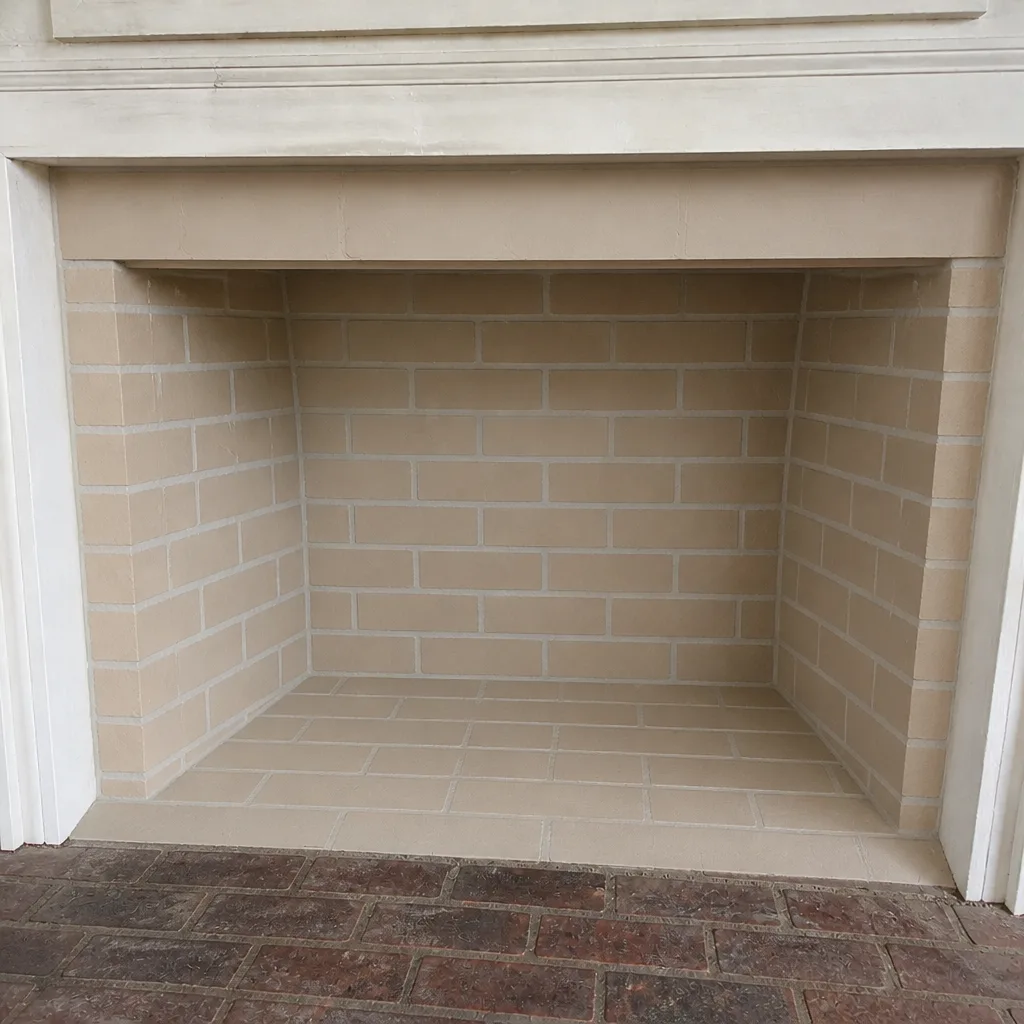
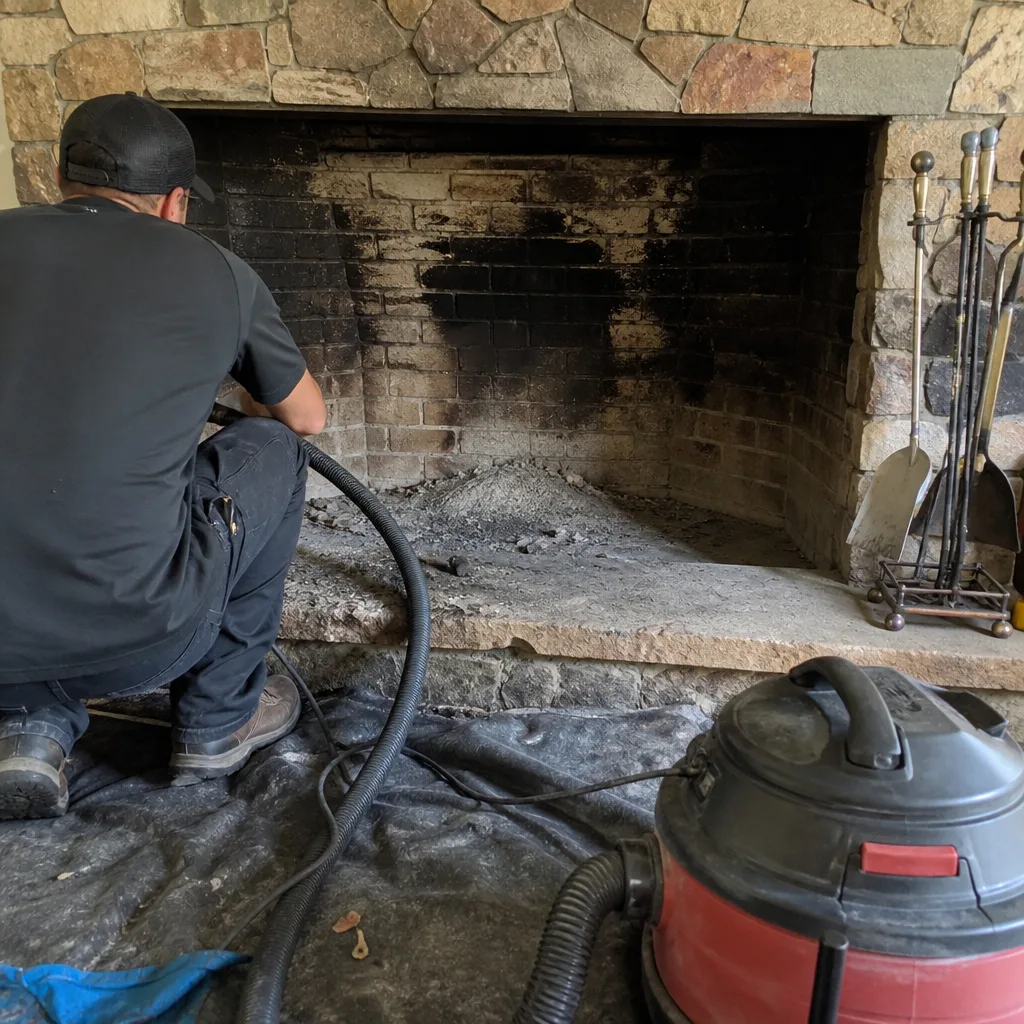
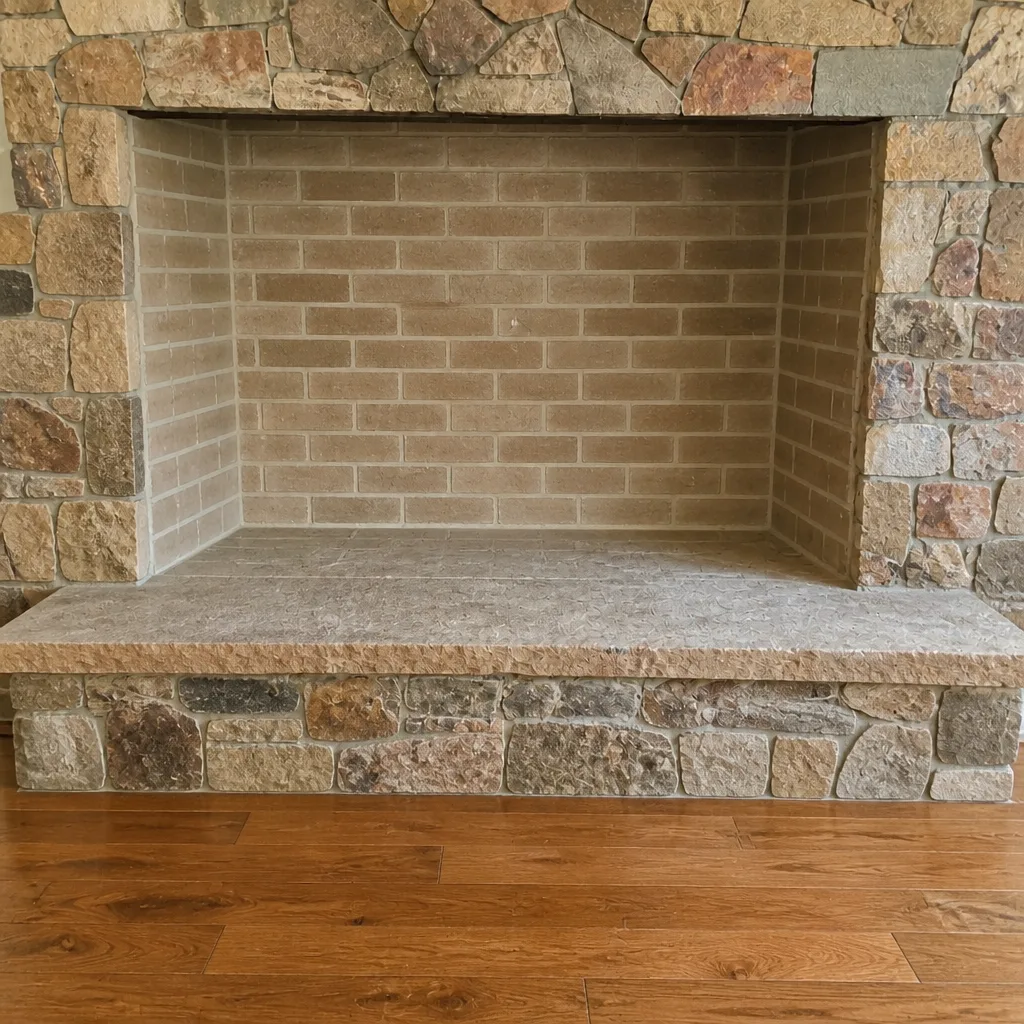
See the difference
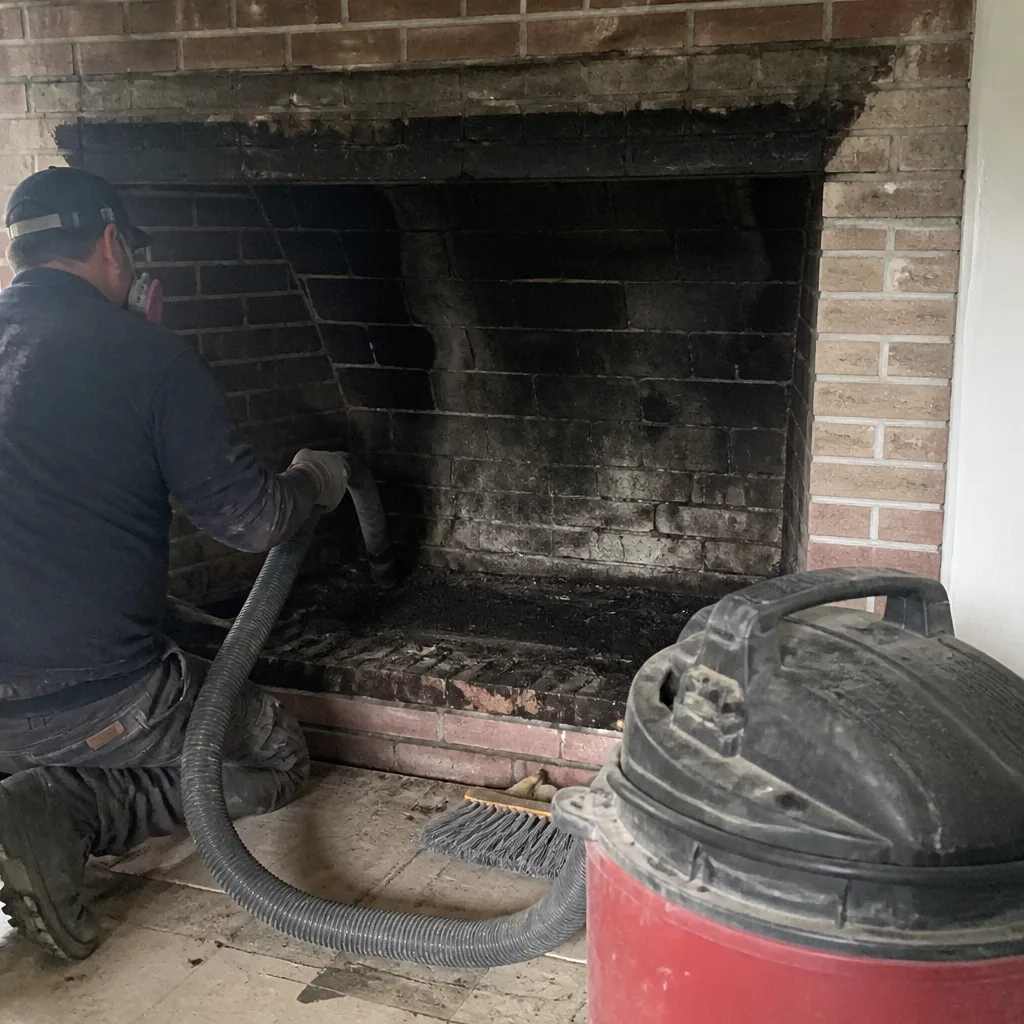 Before
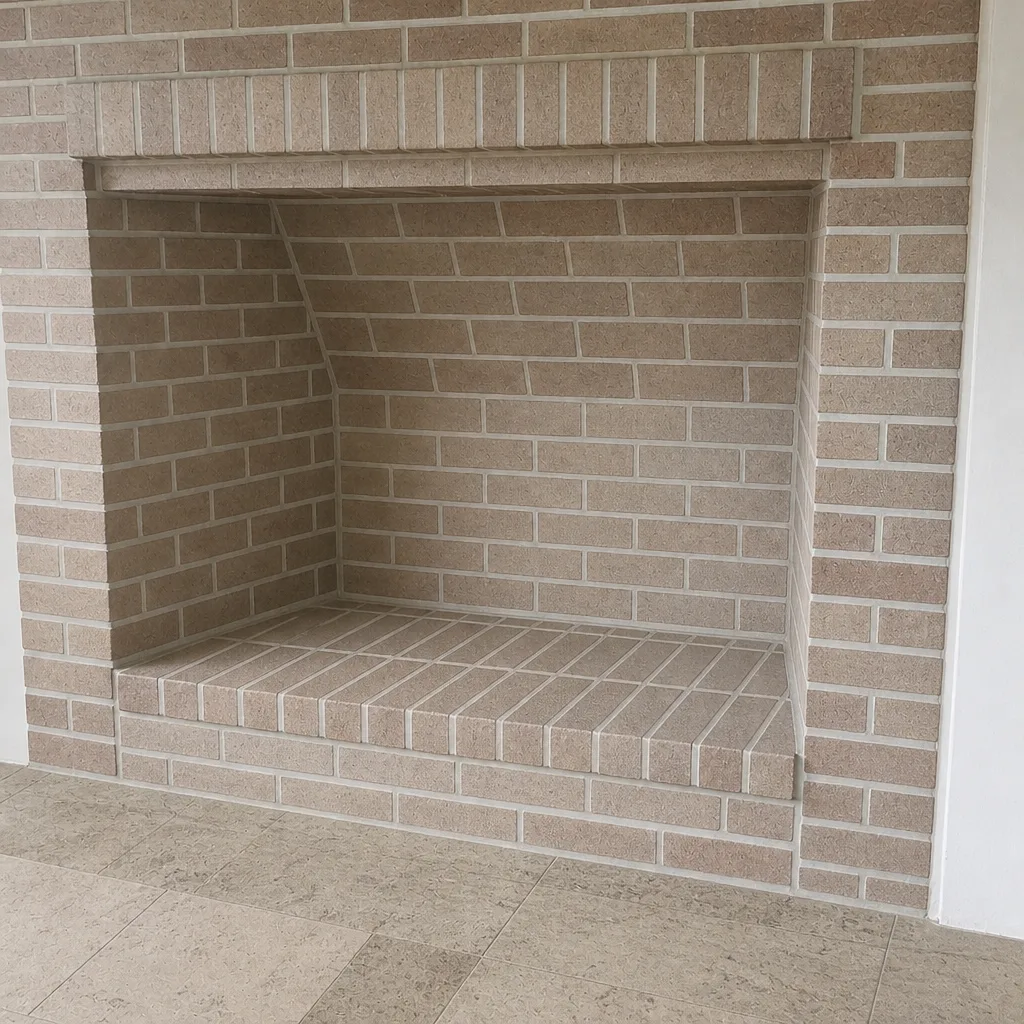 After
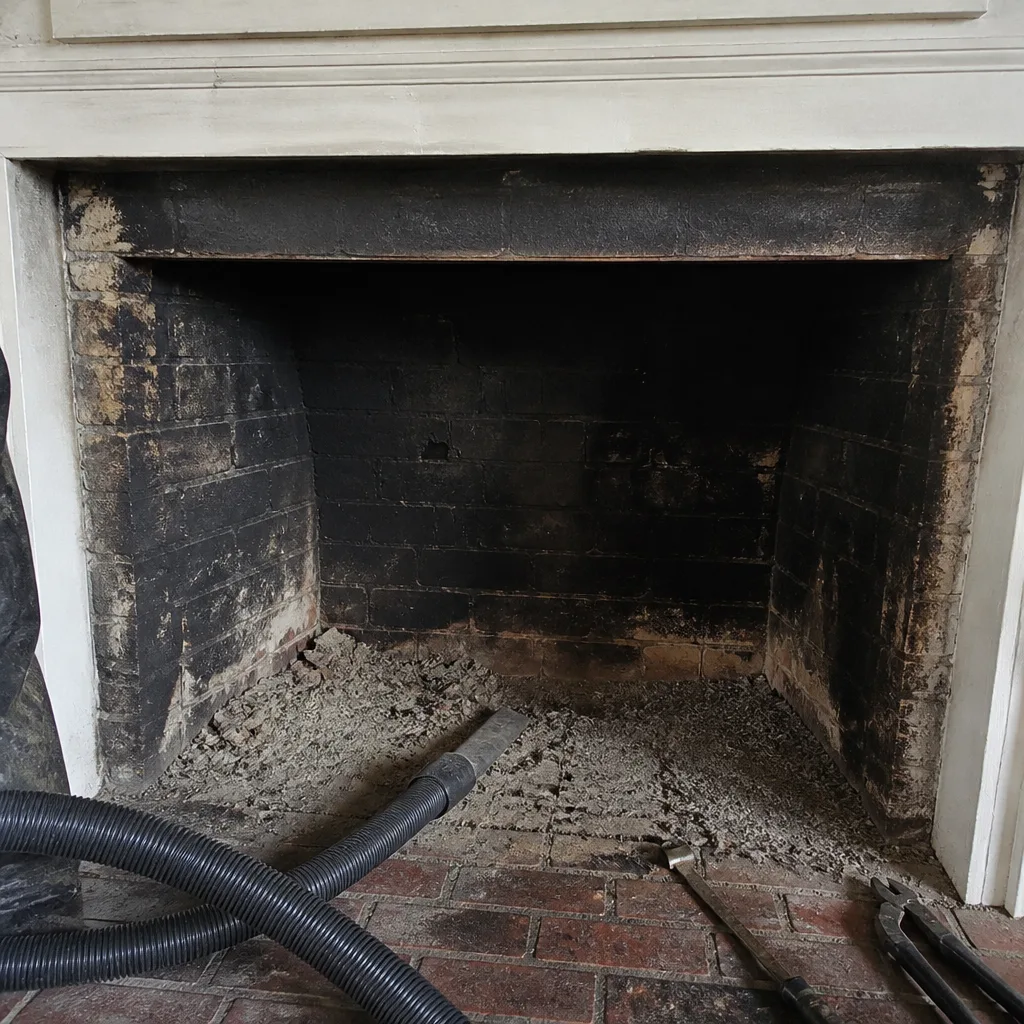 Before
 After
 Before
 After
When to Call a Professional
Call a chimney professional if you haven’t had a cleaning or inspection in the past twelve months, if your fireplace has never been evaluated since you bought the North Hills home, if you’ve recently switched fuels or appliances, or if you’ve had a chimney fire (even a small one). Get on the phone if you notice smoke rolling back into the room, a strong creosote smell in warm weather, water stains on the ceiling near the chimney, or missing mortar on the chimney crown. Any crack in the flue tiles, any crack in the crown, or any indication that exhaust isn’t venting properly warrants a look before the next fire is lit. Nothing about chimney safety is something to self-diagnose.
Chimney Sweep North Hills offers free estimates in North Hills. Chimney Sweep North Hills connects you with local professionals; call (877) 770-1236. We answer 24/7. Fast dispatch from 7am to 7pm, Sunday through Friday.
Frequently Asked Questions
A basic chimney sweep in North Hills typically runs $180 to $350 in 2026, with a Level 1 inspection usually included. A sweep that also includes a written report or a camera scan lands higher, in the $300 to $650 range. The written estimate sets the final price, and the estimate is free. Call (877) 770-1236 for an exact quote – estimates are free.
Often no, and the honest answer is that only a camera scan can tell you. Deteriorated flues sometimes qualify for HeatShield ceramic resurfacing instead of a full reline, which saves significant money. If a company recommends relining without showing you footage of a cracked or damaged liner, ask for the evidence. Call (877) 770-1236 and we’ll walk you through what an inspection should show.
Most wood-burning chimneys in North Hills should be swept once a year, ideally before the first fire of the season. Homes with heavy use or a habit of long, slow smoldering burns may need it more often. Gas appliance flues still need annual inspection even though they don’t produce the same creosote load. Call (877) 770-1236 to set a date that fits your burning season.
Creosote builds up, flue tiles crack, and the flue becomes a bigger hazard than a routine cleaning ever would have been. Small crown cracks let water in, which then spreads into masonry, and a $250 annual sweep becomes a several-thousand-dollar repair. Skipping is not a neutral choice. Call (877) 770-1236 for a free estimate before the next burn.
A Level 1 inspection is a visual check of accessible chimney portions, usually included with a routine cleaning. A Level 2 adds a camera scan of the flue interior and is typically required after a property change, fuel change, or appliance replacement. In North Hills, Level 2 is often requested by homebuyers as part of a real estate transaction. Call (877) 770-1236 if you’re unsure which level your situation needs.
Cap replacement typically runs $175 to $450 and crown repair or rebuilding runs $350 to $1,500, depending on chimney size and whether minor masonry work is required. See our chimney cap & crown page for the full range. Stocking Famco and Copperfield cap products lets the work happen in one visit rather than two. Call (877) 770-1236 for a free estimate.
The Bottom Line
Chimney cleaning cost in North Hills in 2026 is mostly a story about what’s included, not what’s asked. A basic sweep runs $180 to $350, a camera inspection adds $150 to $400, and repairs from liner work to cap replacement live in the ranges above. The number that actually matters is the total cost of ownership over five years, and that figure depends on professional-grade materials, honest documentation, and catching small problems while they’re still small. If you want a written estimate that itemizes every line, with photos of what we found, call (877) 770-1236. Our technicians have up to 15 years of experience, and we work only on chimneys. We answer 24/7. Fast dispatch from 7am to 7pm, Sunday through Friday. Free estimates, and nothing recommended without camera evidence you can see for yourself.
Written by the team at Chimney Sweep North Hills.