
Last updated November 24, 2026
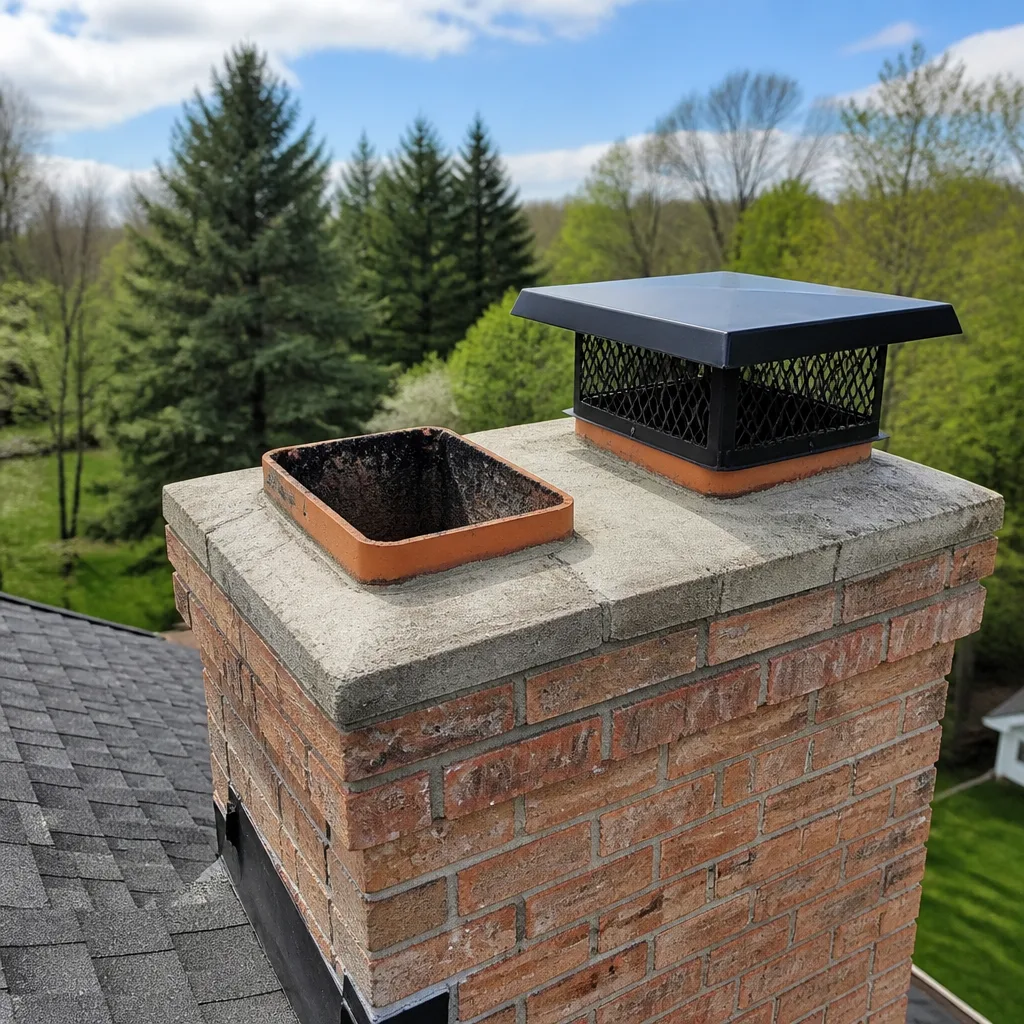 Sweep & inspection
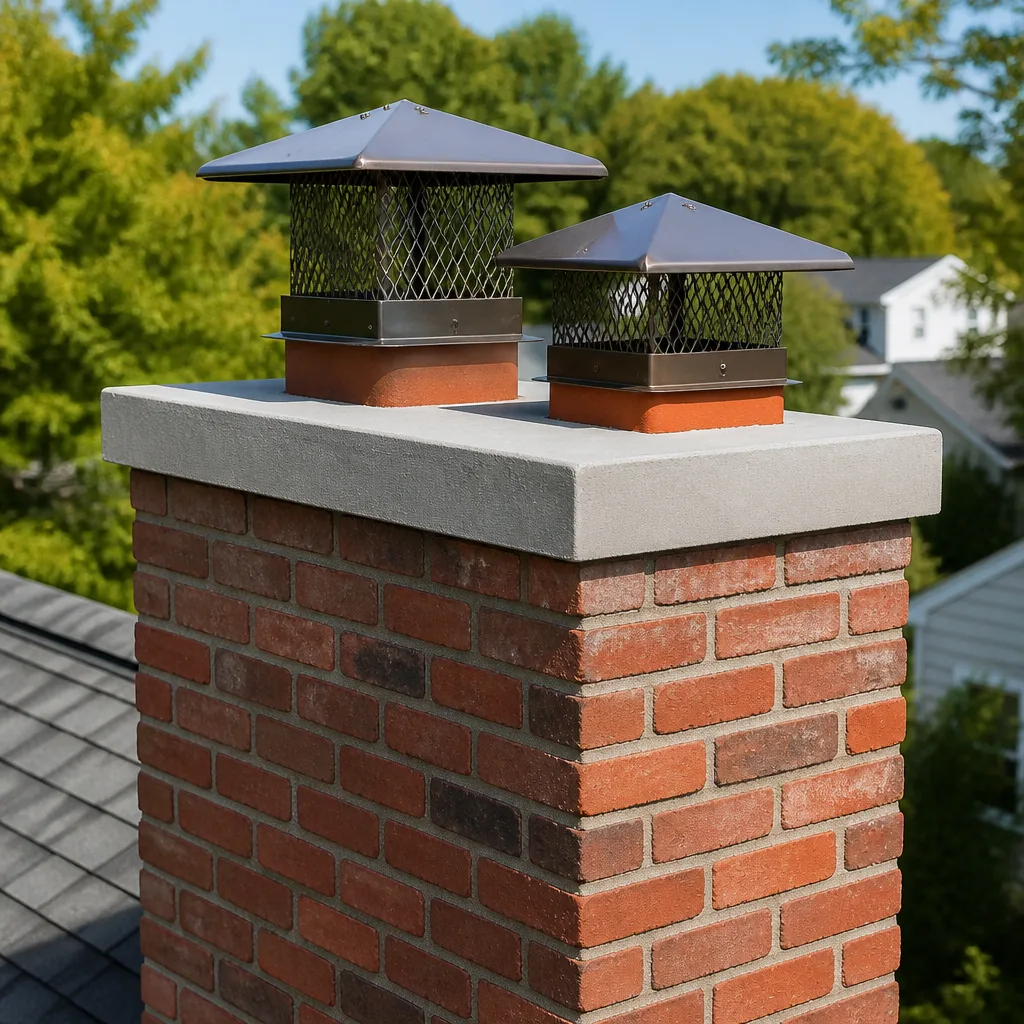 Caps & crowns
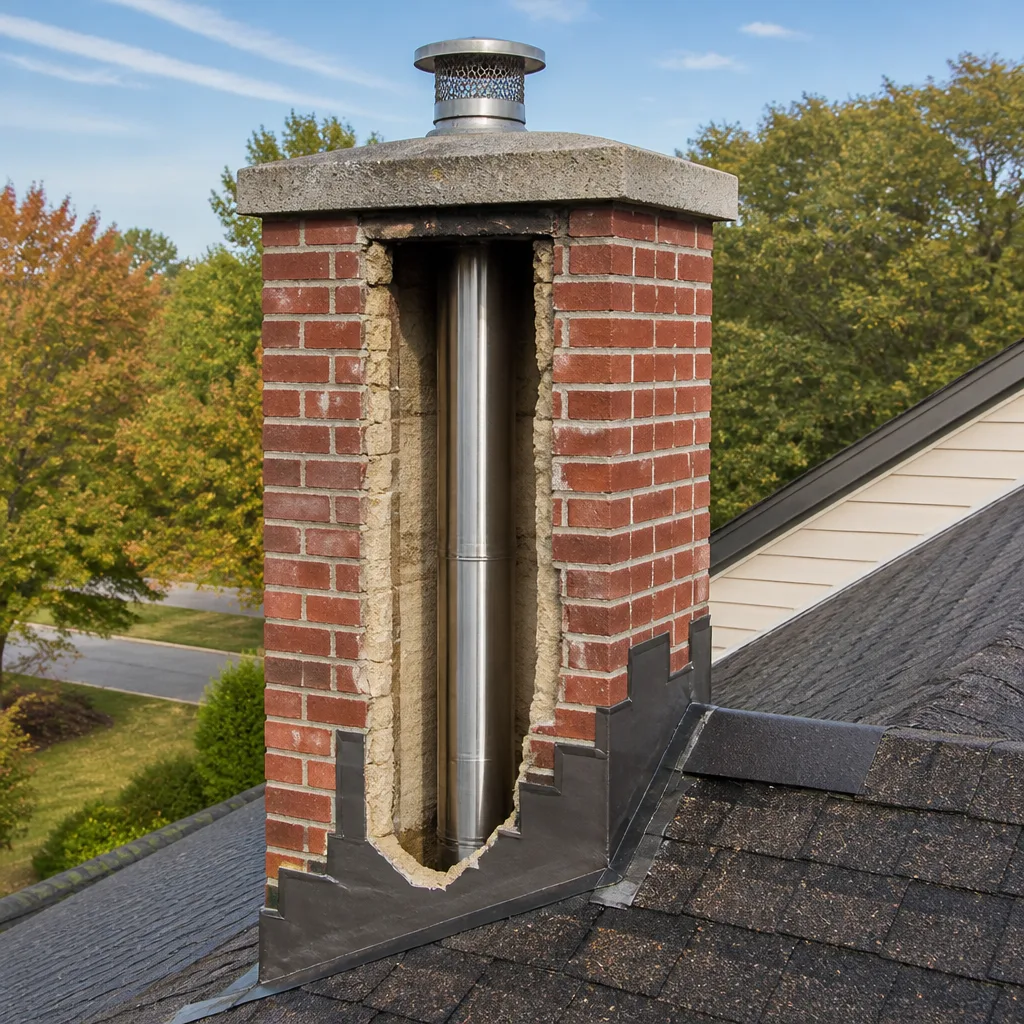 Flue relining
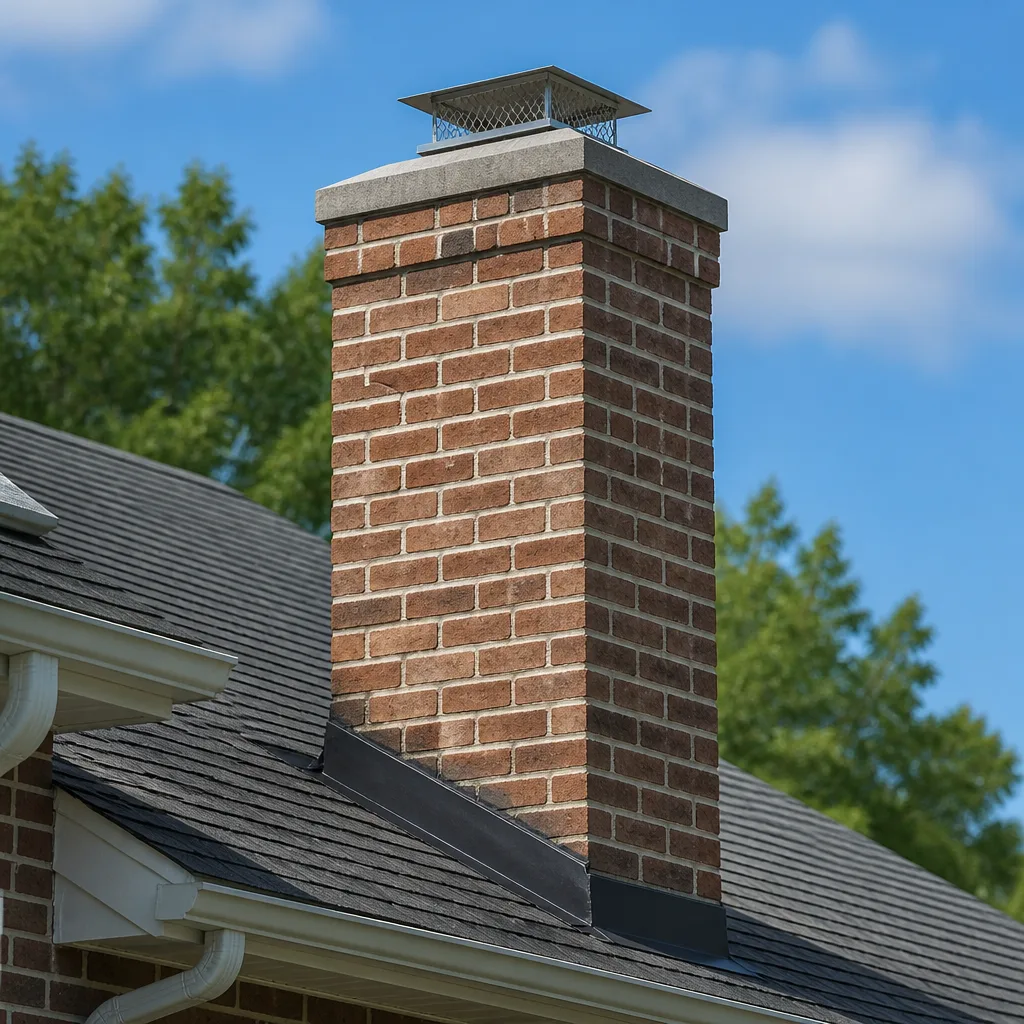 Masonry repair
 Gas fireplace service
Level 1 sweep and inspection to the NFPA 211 annual standard - flue, crown, cap, and flashing checked and photographed
Chimney sweep logs do not sweep chimneys. They loosen some creosote - which then falls where a brush and vacuum still have to collect it.
Chimney Cleaning Emergency Preparedness Guide for North Hills Homes
A chimney fire in North Hills doesn’t always sound like a roar. Sometimes it sounds like a distant rumble, a low whistle through the flue, or nothing at all. By the time you smell the acrid burn or notice the smoke backing into the room, the liner may already be compromised. Most homeowners picture an emergency as flames on the roof, but the quieter events cause more damage. This guide shows you how to tell an active chimney fire from a drafting problem, what to do in the first sixty seconds, what to keep on hand before October, and how carbon monoxide fits into all of it.
Quick Answer
A chimney emergency is any event where fire, smoke, or carbon monoxide is escaping the flue in a way you can’t control. If you suspect an active chimney fire, call 911 first, close the damper and glass doors, get everyone outside, and don’t re-enter until the fire department clears the house. If it’s a drafting problem or a smoky firebox with no flames in the flue, that’s a call-tomorrow situation for a sweep and inspection. The distinction matters, and knowing it before the first fire of the season is the whole point of being prepared in North Hills.
Styles & brands we work with
- Sweep & inspection
- Caps & crowns
- Flue relining
- Masonry repair
- Gas fireplace service
Table of Contents
- How Do You Tell an Active Chimney Fire From a Drafting Problem?
- What to Do First: The Chimney Fire Response Protocol
- After the Fire: Why a Surviving Chimney Still Needs Inspection
- The Pre-Season Emergency Kit for North Hills Homes
- Carbon Monoxide: The Emergency You Can’t See or Smell
- North Hills Climate and Your Chimney’s Stress Points
- When to Call 911 and When to Call a Sweep
- Common Mistakes to Avoid
How Do You Tell an Active Chimney Fire From a Drafting Problem?
An active chimney fire and a drafting problem can look similar from the living room, which is exactly why so many homeowners misread the situation. The difference comes down to where the problem lives. A drafting issue is a pressure or airflow problem in the firebox. A chimney fire is burning material inside the flue itself, above the firebox, where you can’t see it directly. Your senses do the detective work.
Here’s the sensory profile of an active chimney fire to watch for:
- Sound: A loud roaring or crackling that sounds like a freight train or a low rumble, often most noticeable a few seconds after you add wood. A normal fire pops and ticks softly. A flue fire is a sustained, deeper sound.
- Smell: A hot, acrid, tar-like odor different from normal wood smoke. Some homeowners describe it as burning plastic or hot creosote. It has a sharpness you won’t mistake for a chimney that just needs a sweep.
- Sight from outside: Dense dark smoke or flames shooting from the chimney top. Sparks or embers coming out of the crown. This is the unmistakable signal to call 911 immediately.
- Heat and pressure: The stovepipe or chimney breast feels unusually hot to the touch. You may hear a sucking or roaring sound near the damper.
A drafting problem, by contrast, shows up as smoke rolling back into the room when you light a fire, a lazy fire that won’t catch, or a cold fireplace that refuses to draw no matter what you do. It’s annoying and it signals a real issue, but it’s not an emergency. Close the damper, let it cool, and call for a chimney sweep to diagnose it. Drafting problems usually trace back to blockages, a negative-pressure house, or a flue that’s the wrong size for the appliance.
What to Do First: The Chimney Fire Response Protocol
The first sixty seconds of a chimney fire determine how much damage the flue takes. Work from a short, memorized sequence.
- Alert everyone and get out. Call 911 from outside the house or from a neighbor’s. Don’t stop to gather belongings.
- Close the damper and glass doors on your way out if you can do it safely and quickly. Cutting the air supply to a flue fire starves it and slows it down. Don’t reopen the firebox doors once they’re shut.
- Don’t open the firebox, stove doors, or damper again until the fire department says it’s clear. Reopening them feeds oxygen to the fire and can push flames back into the room.
- Don’t spray water into the firebox. A sudden temperature drop on a hot flue can crack masonry or warp a metal liner and turn a contained fire into a structural one.
- Watch the roof from outside. If you see flames or heavy smoke from the chimney top, tell the fire department when they arrive. They’ll know what to do, and the roof is not a place for a homeowner to be during a fire.
What you should not do: don’t try to fight the fire with a garden hose, don’t climb onto the roof, and don’t wait to see if it burns itself out. A flue fire can burn hot enough to damage a liner in minutes, and the visible fire above the firebox is often just the tip of the problem.
After the Fire: Why a Surviving Chimney Still Needs Inspection
A chimney that “survived” a flue fire is not the same as a chimney that’s safe to use. The fire may have burned out on its own, but the heat it generated leaves behind hidden damage that a normal glance can’t detect. Cracks in clay tile flue liners, warped or pitted metal liners, deteriorated mortar joints, and distorted chimney caps are all common after a fire, and any one of them means the next fire could push smoke or carbon monoxide into your home instead of up and out.
Post-fire chimney inspections follow what’s called a Level 2 standard, which is more thorough than a routine visit. A Level 2 post-fire inspection typically covers:
- A visual inspection of the firebox, damper, smoke chamber, and flue from top to bottom, using a camera where access is limited.
- A check of the chimney exterior, crown, cap, and flashing for heat damage or distortion.
- Verification that the flue liner is intact and properly sized so it can confine future smoke and gases.
- Confirmation that the smoke chamber and any internal offsets aren’t blocked or damaged by creosote or debris.
- A written report with photos so you can see what the inspector saw.
If the flue has damage but the structural shell is sound, a resurfacing product like HeatShield can often restore the liner without a full reline. If a metal liner fails, a DuraFlex replacement is a common path. Either way, the point stands: don’t light the next fire until a professional has confirmed the chimney is structurally sound. A camera inspection and photo report should be part of the job, so you’re not taking anyone’s word for it.
The Pre-Season Emergency Kit for North Hills Homes
The best time to assemble your emergency kit is before October, when the first cool nights drive people to light the first fire of the season. Put it together once and leave it, so you’re not searching for a fire extinguisher while a chimney smokes.
- A Class ABC dry chemical fire extinguisher, mounted near the fireplace, stove, or furnace on the way out of the room, not in a closet. ABC-rated handles wood, paper, and electrical fires, which covers most chimney-related scenarios.
- A damper key or damper handle within easy reach, so you can close the damper fast if you need to.
- A fireplace tool set with a long-handled poker so you’re never reaching into a hot firebox by hand.
- An emergency contact card with 911, your fire department, and a chimney sweep’s number written down. If the power is out or a phone is dead, a paper card still works.
- A carbon monoxide alarm on each level of the home and near sleeping areas. A chimney issue can produce CO without any visible smoke, so an alarm is your only early warning in that scenario.
- A flashlight with fresh batteries, checked each October, so you can inspect a firebox or chimney breast after the lights go out.
- A small notebook and pen to jot down what you saw and heard during an incident. It helps a technician diagnose the problem.
Keep this kit in a fixed spot and check it every fall. A fire extinguisher with a dead gauge or a CO alarm with a dead battery is worse than no kit at all because it creates false confidence. If you don’t yet have a chimney cap on your flue, that’s also a pre-season item. A cap keeps rain, debris, and animals out of the flue, and it’s one of the most reliable ways to prevent the kind of blockage that leads to a carbon monoxide emergency. Our chimney cap & crown work uses materials from Famco and Copperfield, so we can usually resolve a missing or damaged cap in a single visit.
Carbon Monoxide: The Emergency You Can’t See or Smell
Carbon monoxide is the chimney emergency that gets the least attention and causes the most confusion, because it has no color, no smell, and no smoke plume to warn you. A chimney’s whole job is to carry combustion gases up and out of the house. When that pathway is broken or blocked, CO comes back in.
Three specific scenarios cause chimney-related CO buildup:
- A blocked flue. A nest, a collapsed liner tile, or a heavy creosote deposit can narrow or close the flue. The appliance keeps running, but the gases have nowhere to go, so they back up into the room.
- A failed or cracked liner. A cracked metal liner or deteriorated clay tile lets combustion gases escape into the surrounding chase instead of up the flue. In some cases the gas finds its way into the living space.
- A negative-pressure house. A tightly sealed home with a strong exhaust fan running can pull combustion gases down the chimney rather than letting them rise. This is a pressure problem, not a chimney defect, but the result is the same.
The symptoms of early CO exposure are easy to misread: headache, dizziness, nausea, and fatigue that seem to lift when you leave the house. If those symptoms show up during heating season and disappear when you step outside, treat it as a CO event, not a cold. Get everyone outdoors, ventilate the house, shut off the gas appliance or let the fire die, and call for help. Chimney inspections aligned with NFPA 211 Level I and II standards are designed to catch these conditions before they become emergencies. A blocked flue in North Hills can develop over a single season, so an annual sweep is one of the simplest CO-prevention habits to keep.
North Hills Climate and Your Chimney’s Stress Points
North Hills winters swing hard. Days can run warm enough to tempt a fire on a cold morning, then fall below freezing overnight. That freeze-thaw cycling works on masonry the way it works on a driveway: water gets into small cracks, freezes, expands, and widens the crack. Over time, a hairline crack in the crown or a mortar joint opens up enough to admit water, which then rusts a metal liner or spalls the brick face. In our experience, the chimneys that aged well are the ones that got a professional inspection each fall and a cap that kept water out.
The other North Hills stress point is a short, inconsistent burning season. Homeowners don’t light fires every night, so creosote can build up between fires and then dry into a harder, more flammable glaze when the fire heats back up. A sweep that seems “unnecessary” after a mild winter can reveal a heavy creosote load by late season. That’s one reason a sweep is best scheduled before the season starts, not after a problem shows up. Sweeping, inspection, cap and crown work, and liner repair in a single relationship means the same company that swept your flue can tell you what the season did to it.
When to Call 911 and When to Call a Sweep
This is the binary decision that most homeowners get wrong, and the fix is a short list. Call 911 when you have any of these: flames or sparks from the chimney top, visible smoke coming through the walls or attic, a smell of burning material in the house, a CO alarm sounding, or a roaring or rumbling sound from the flue that won’t stop. Get out of the house, then call.
Call a chimney sweep for these situations:
- Smoke backing into the room when you light a fire, or a fire that won’t draft.
- A strong creosote smell between fires, or a chimney that hasn’t been swept in a few seasons.
- A missing or damaged cap, a cracked crown, or loose flashing.
- A smoky firebox, gappy damper, or draft issue you can’t trace.
- A chimneyside CO alarm that went off and then cleared with no fire department visit.
If you’re not sure which situation you’re in, err toward 911. The fire department can clear the house and tell you what they saw. Then call a sweep for the inspection and any repair. The local professional we connect you with is licensed and insured as North Carolina requires and can work with your insurer if a claim follows a fire.
Common Mistakes to Avoid
- Waiting for a flue fire to put itself out. A contained fire that seems to die down can still leave a cracked liner. Treat any audible or visible flue fire as a done deal and call the fire department.
- Reopening the firebox doors “to check.” Oxygen feeds the fire and can push flames back into the room. Once the doors are shut, leave them shut.
- Assuming a chimney that “looks fine” survived. The most serious post-fire damage happens inside the flue and the smoke chamber, where you can’t see it. Only an inspection tells the story.
- Skipping the pre-season inspection because last winter was mild. A short season can still build a heavy creosote load. In North Hills, a mild winter followed by a cold snap is the classic setup for a flue fire.
- Mounting the fire extinguisher in a closet. It has to be reachable from the room during a fire. If you have to open a door to get it, it’s in the wrong place.
- Relaying on a smoke detector only. A smoke alarm doesn’t catch carbon monoxide. You need both types of alarm, and the CO alarm needs to be on the sleeping level.
- Letting a handyman handle the liner. Chimney liners are a specialty trade. A repair with a product and materials meant for plumbing or roofing often doesn’t meet code and can fail within a season.
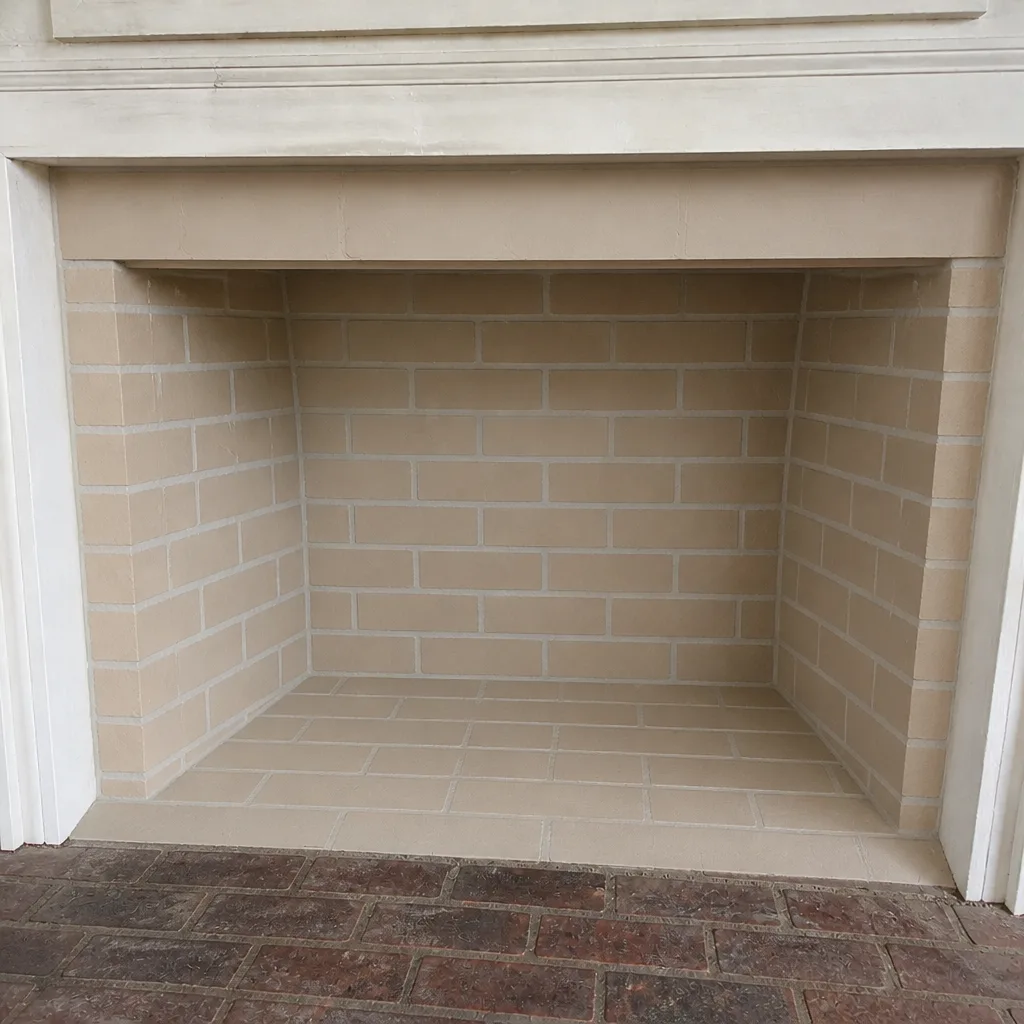
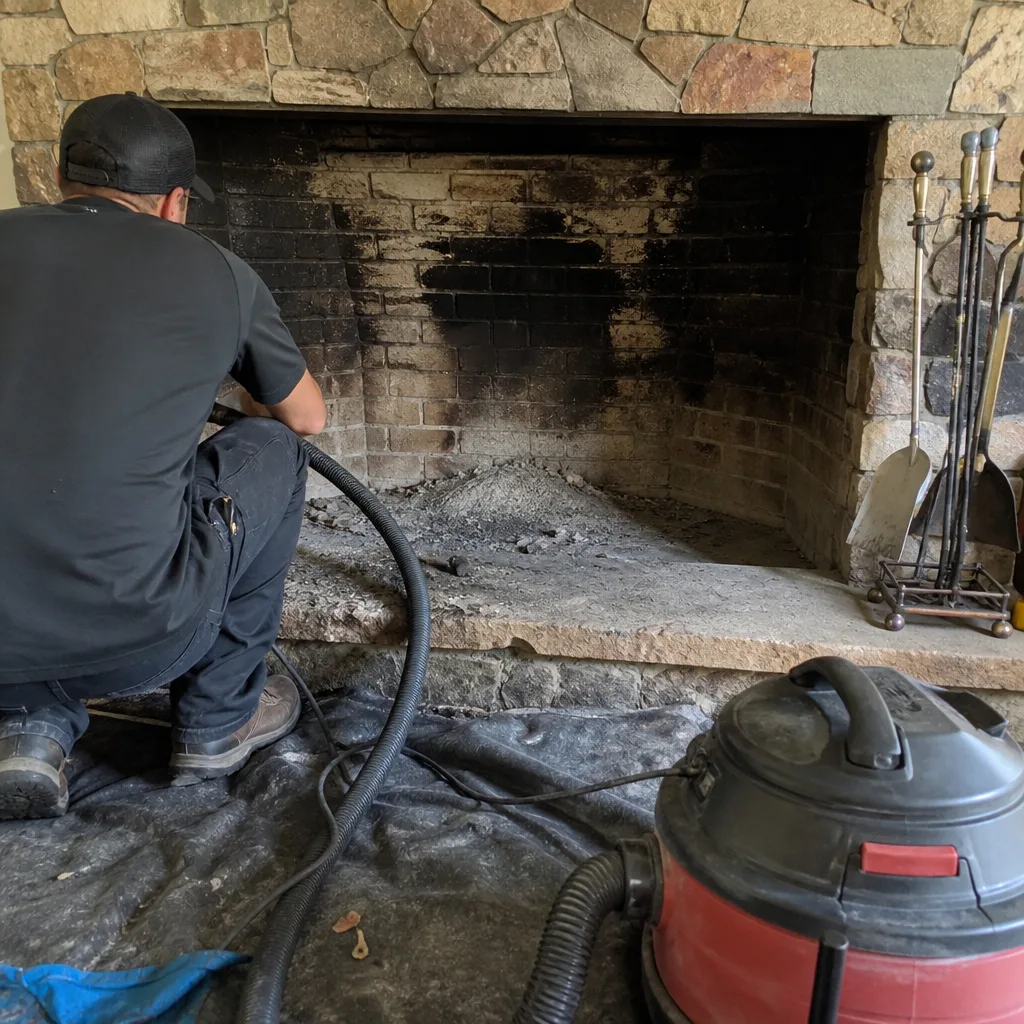
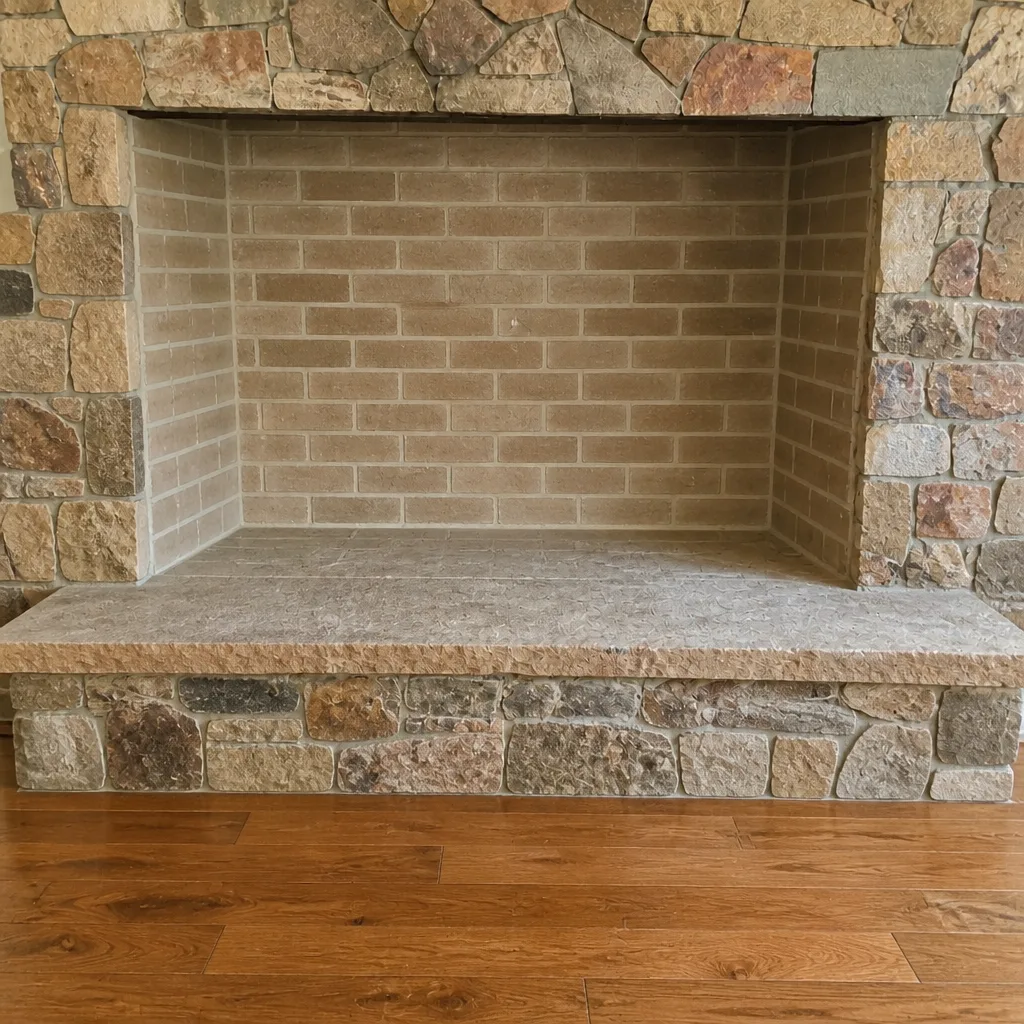
See the difference
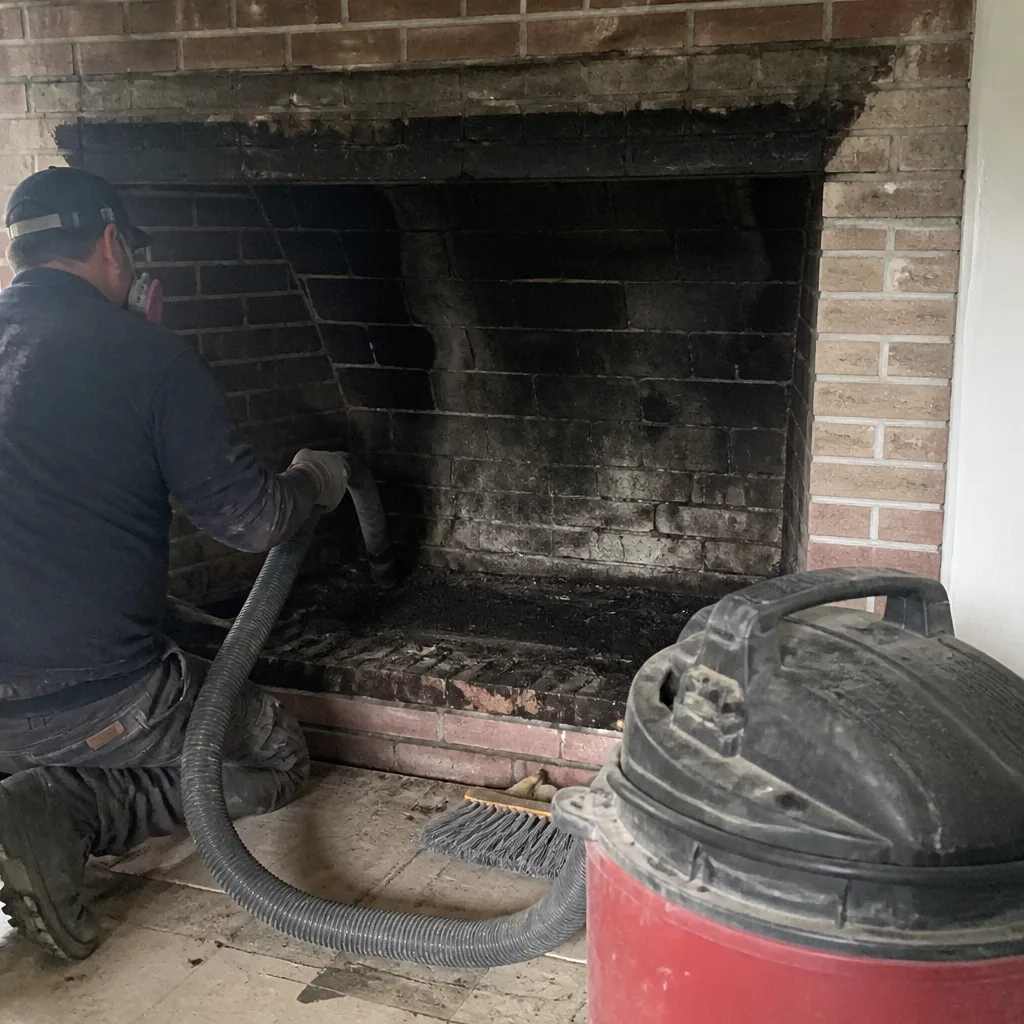 Before
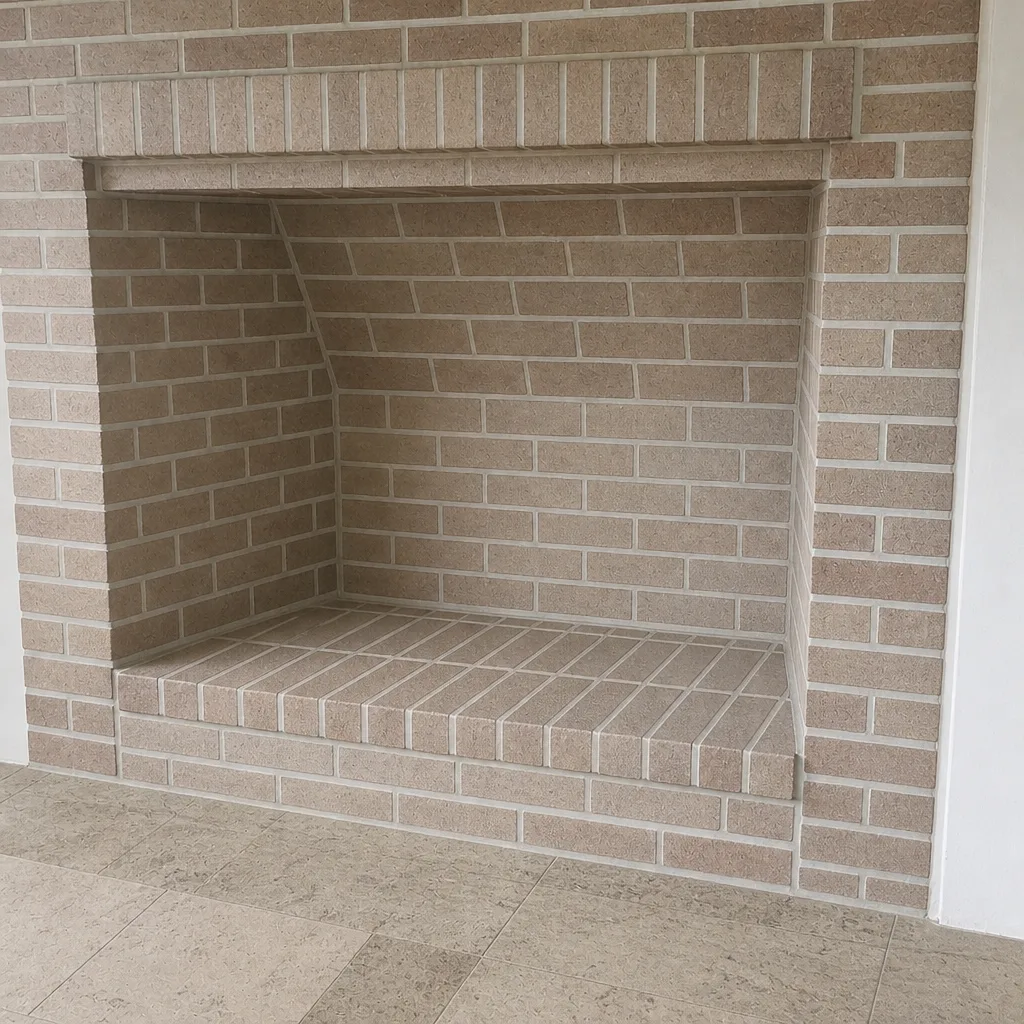 After
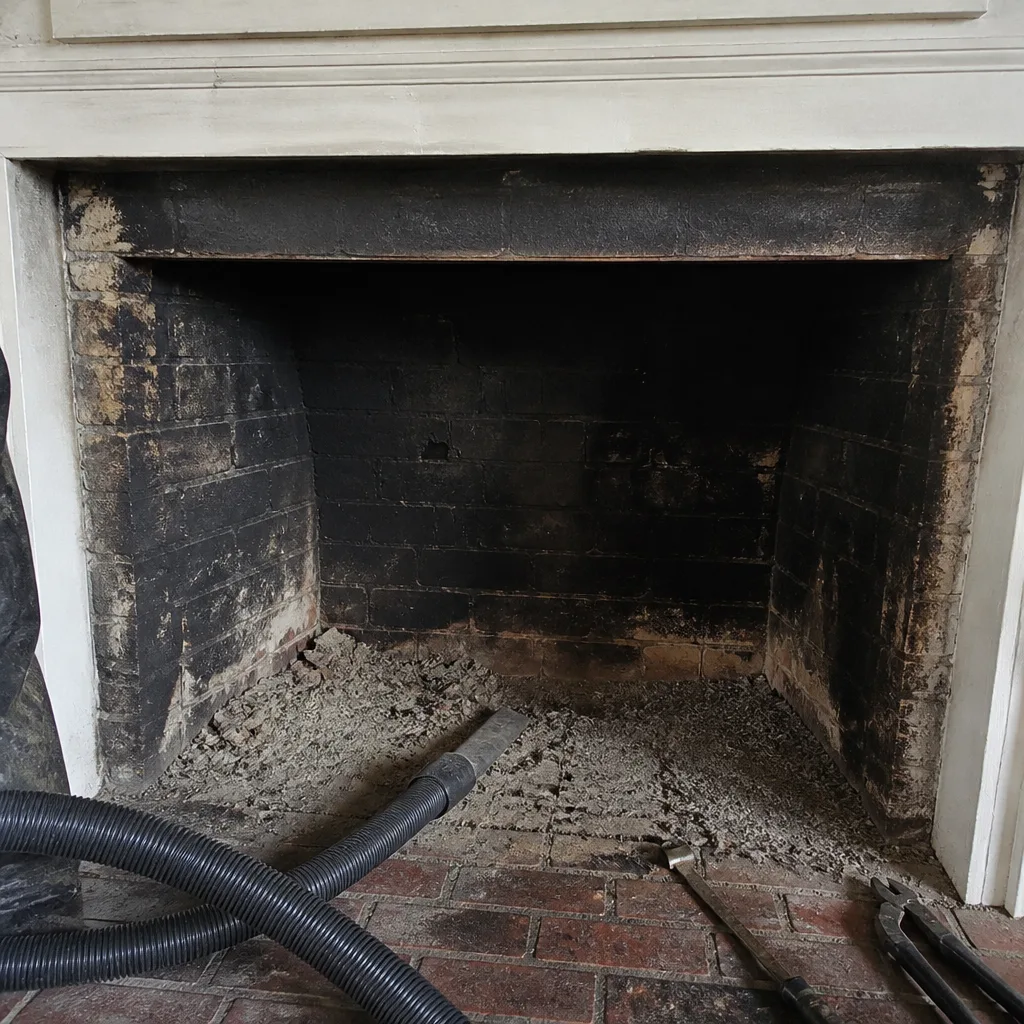 Before
 After
 Before
 After
When to Call a Professional
Call a chimney professional in North Hills if any of these apply: a fire of any kind happened in the flue, the chimney hasn’t been inspected in the past year, you smell creosote or a hot burnt odor between fires, smoke rolls into the room, the cap or crown is damaged or missing, or a CO alarm has gone off. The local pro is licensed and insured as the state requires, and an inspection comes with a camera inspection and photo report so you can see the condition of the liner for yourself. Nothing gets recommended that isn’t backed by camera evidence, and the technician will plainly say when a repair can safely wait until spring. Chimney Sweep North Hills offers free estimates in North Hills. Call (877) 770-1236.
Frequently Asked Questions
An active chimney fire often sounds like a low rumble, a roaring, or a crackling that comes from up the flue rather than the firebox, and smells like a sharp, acrid burning that some homeowners describe as hot creosote or burning plastic. It can also be silent from inside the house, with flames and heavy smoke showing only at the chimney top. If you suspect a flue fire, call 911 and get everyone outside. Call (877) 770-1236 for the inspection afterward – estimates are free.
Yes. A flue fire that burns itself out can still leave a cracked tile liner, a warped metal liner, or damaged mortar that you can’t see from the firebox. A Level 2 post-fire inspection examines the flue, smoke chamber, crown, and cap with a camera and a written report, and confirms whether the chimney is safe to use again. Call (877) 770-1236 to book the inspection – estimates are free.
A smoky firebox means flame keeps rolling into the room while nothing burns up the flue; a chimney fire means the burning is happening in the flue above the firebox. A smoky firebox is usually a drafting problem, a blockage, or a cold flue, and it’s a call-tomorrow situation. A roar, a hot smell, or flames at the chimney top is a call-911 situation. If you’re unsure, err toward 911, and then call (877) 770-1236 for the inspection – estimates are free.
Keep a Class ABC fire extinguisher mounted near the fireplace, a damper key, a long-handled poker, a flashlight, and a carbon monoxide alarm on each level, plus a written card with 911, the fire department, and a sweep’s number. Check the extinguisher gauge and alarm batteries every October before the first fire. Call (877) 770-1236 when you want a pre-season inspection on the calendar – estimates are free.
Most wood-burning chimneys should be swept and inspected once a year, and gas fireplaces should still be inspected annually. A short, intermittent burning season can leave a heavier creosote load than people expect, especially after a mild winter. If the chimney hasn’t been swept in a year or two, book it before the first fire. Call (877) 770-1236 for a free estimate.
Yes. A blocked flue, a cracked liner, or a negative-pressure house can send combustion gases back into the living space without any visible smoke. That’s why a CO alarm on each level is essential, and why the annual inspection matters even when the fireplace seems to be working. If a CO alarm sounds, get everyone outside and call 911. Then call (877) 770-1236 for the inspection – estimates are free.
The Bottom Line
Chimney preparedness in North Hills comes down to one mental line: fight-or-flight events call 911, and drafting or maintenance problems call a sweep. Active chimney fires get the full protocol – everybody out, damper closed, no water, no roof. Any chimney that has had a fire gets a Level 2 inspection before the next use, with camera evidence you can see for yourself. A pre-season kit with an ABC extinguisher, a damper key, and working CO alarms handles most of the rest. If you want the inspection, sweep, and repair handled by one chimney-only company that works with DuraFlex, HeatShield, Gelco, Olympia Chimney, Famco, and Copperfield, start with a sweep and inspection. Our fireplace repair work and structural repairs round out the service. Book Chimney Sweep North Hills through Chimney Sweep North Hills and get the season started on solid ground.
Contact
Get your chimney ready before the first cold snap. Call Chimney Sweep North Hills at (877) 770-1236 for a free estimate. We answer 24/7. Fast dispatch from 7am to 7pm, Sunday through Friday. Our technicians have up to 15 years of experience working on chimney systems, and we’ll tell you plainly what needs attention now and what can wait.
Written by the team at Chimney Sweep North Hills.