
Last updated November 24, 2026
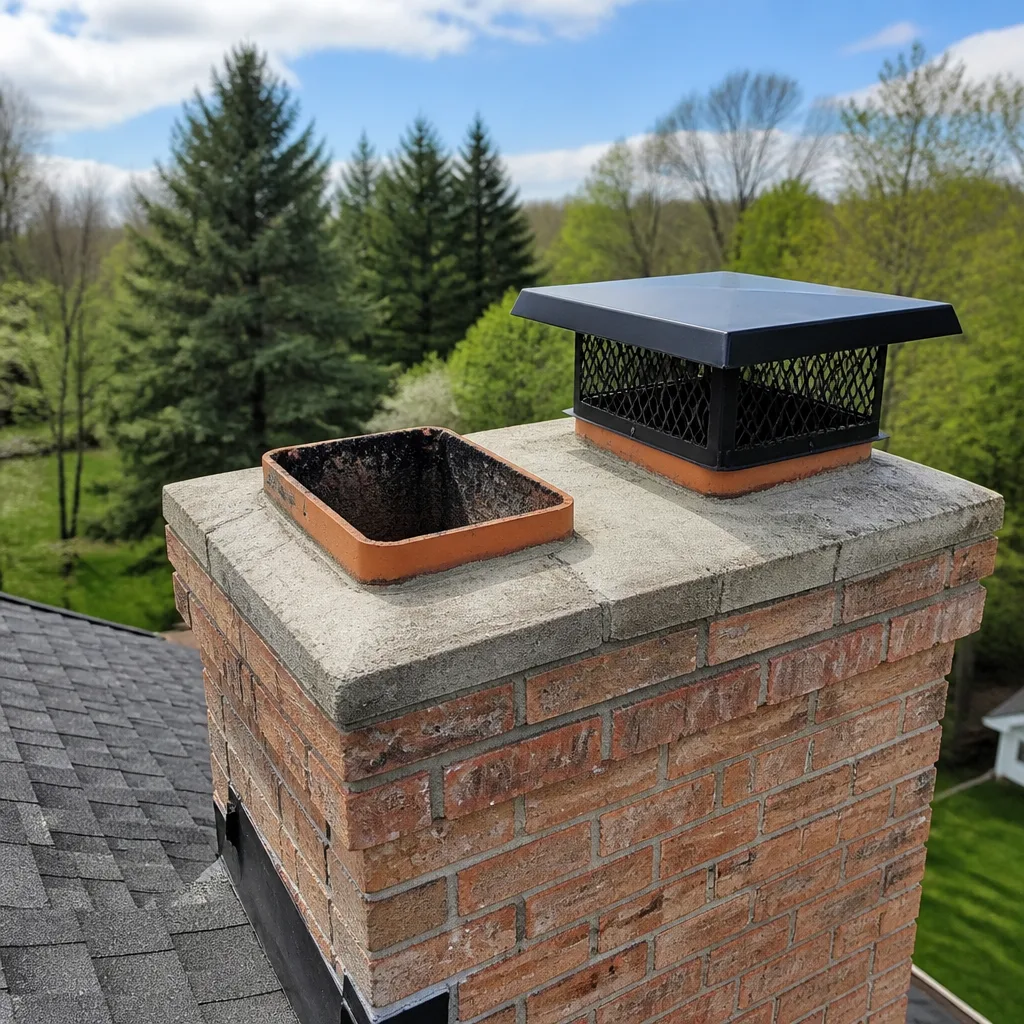 Sweep & inspection
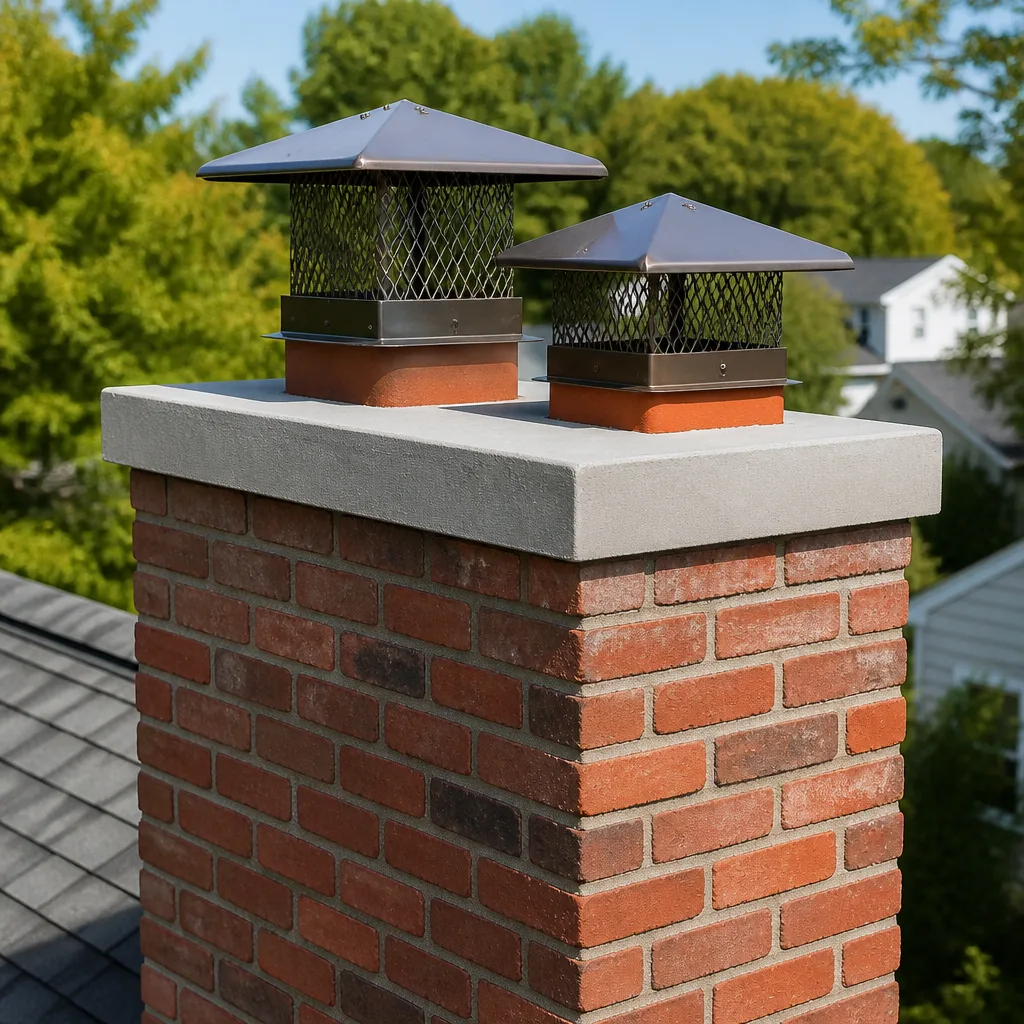 Caps & crowns
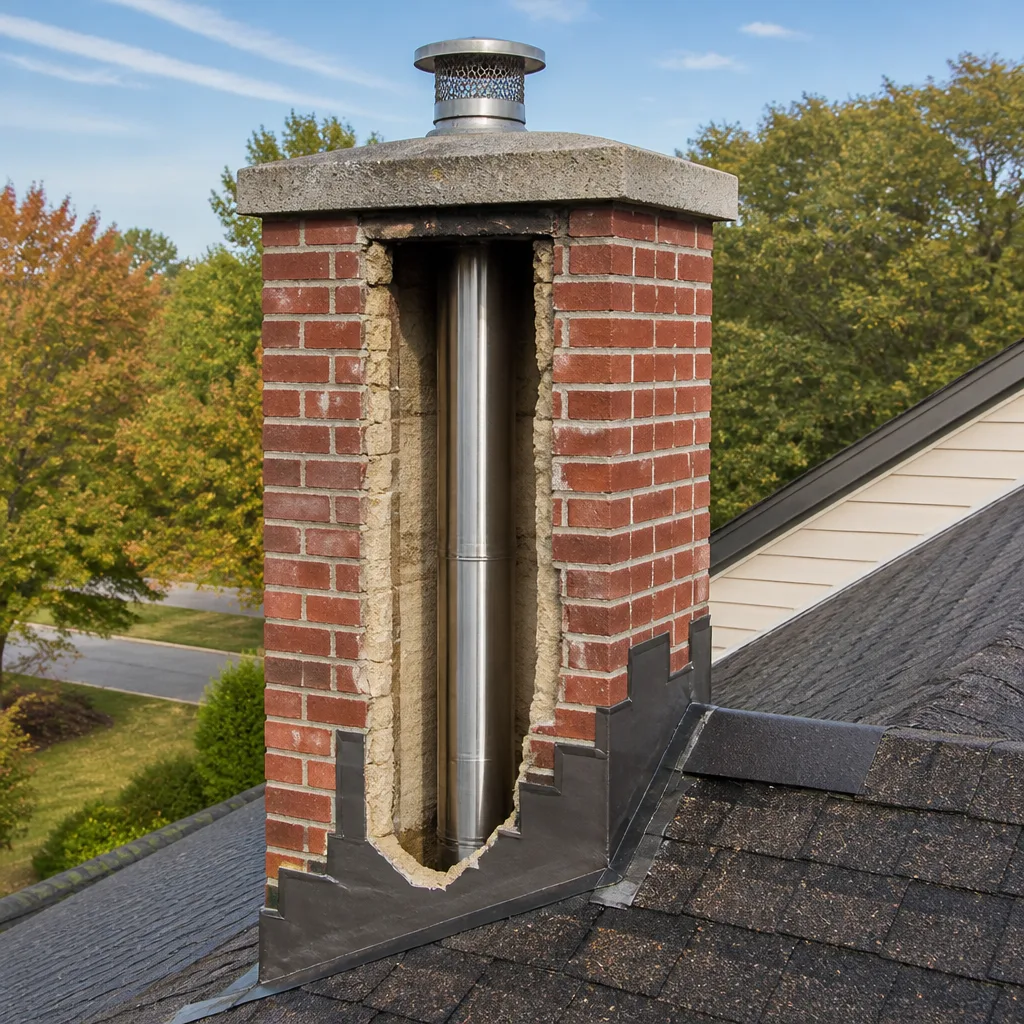 Flue relining
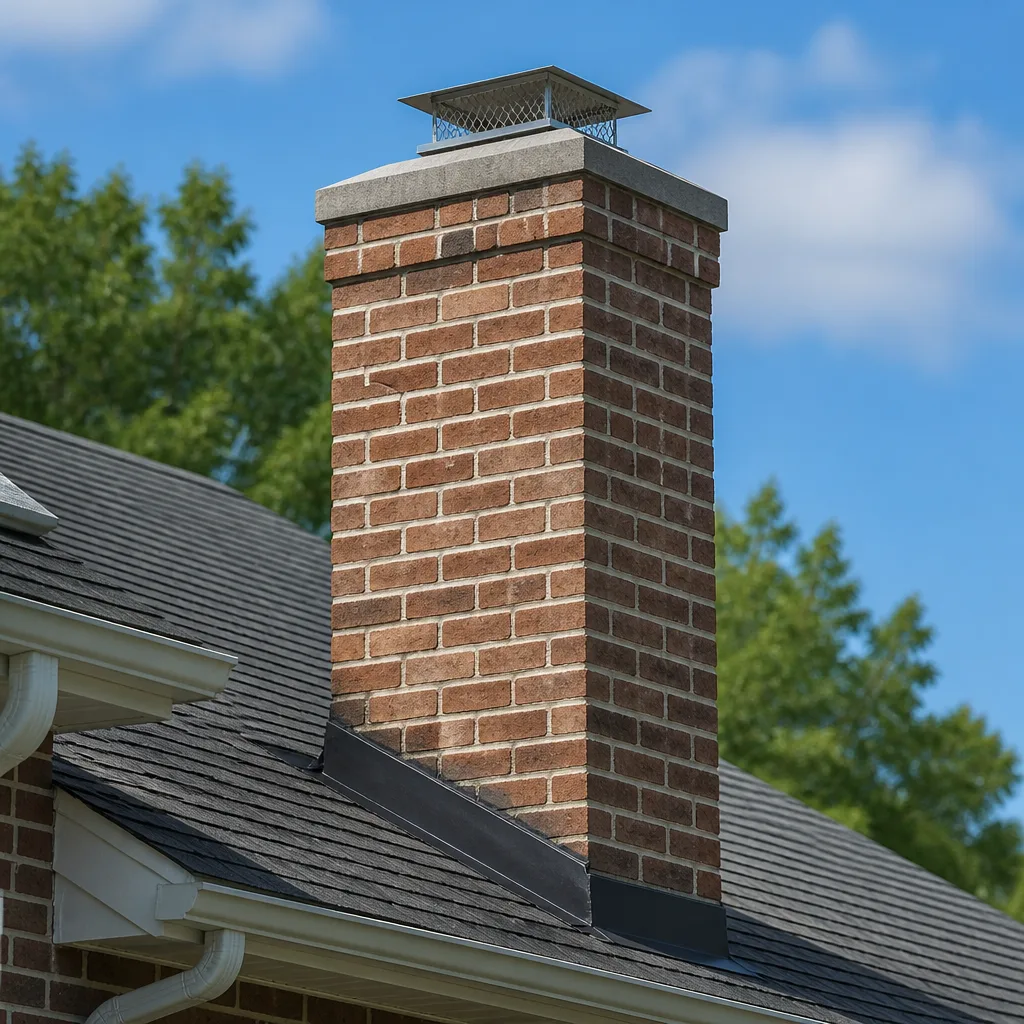 Masonry repair
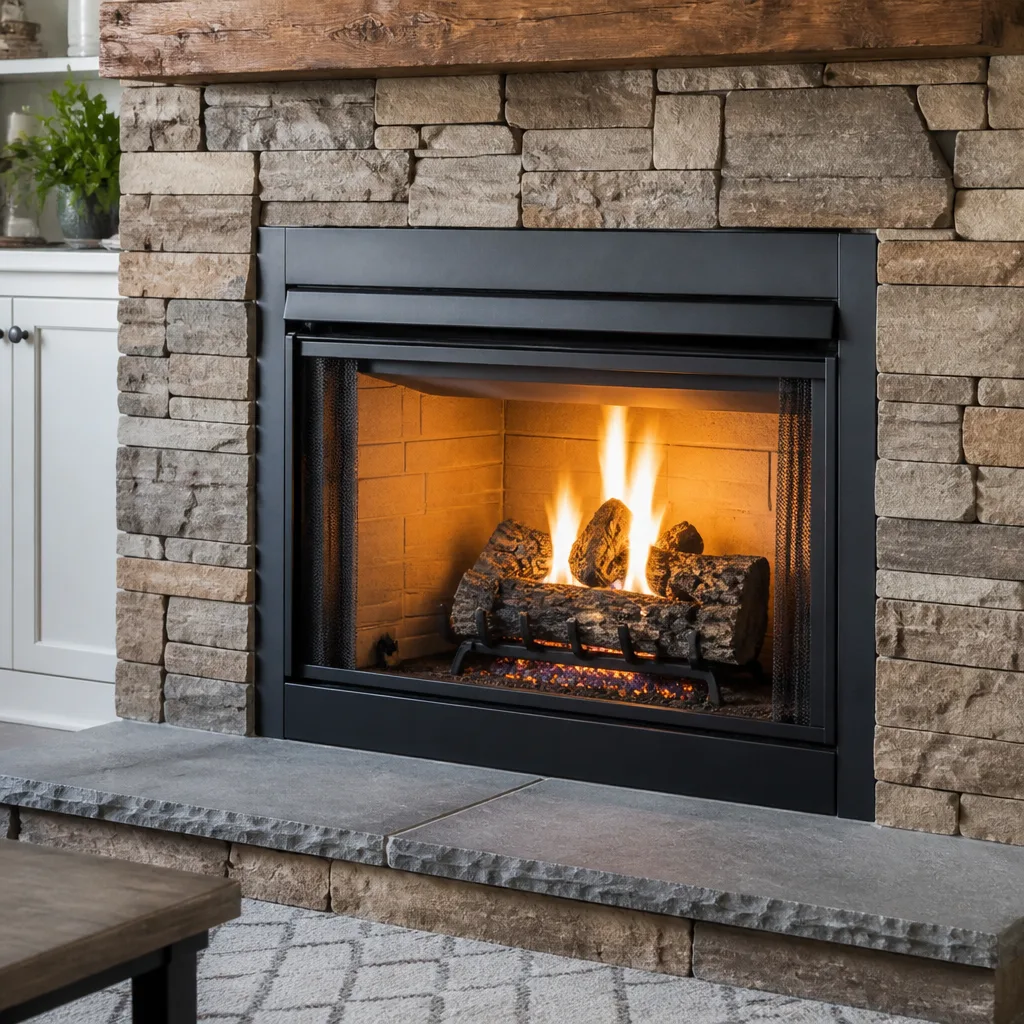 Gas fireplace service
Level 1 sweep and inspection to the NFPA 211 annual standard - flue, crown, cap, and flashing checked and photographed
Chimney sweep logs do not sweep chimneys. They loosen some creosote - which then falls where a brush and vacuum still have to collect it.
Chimney Cleaning Permits, Codes & Inspections in North Hills, NC: What You Need to Know
Here’s the part most North Hills homeowners never hear: cleaning your chimney doesn’t require a permit, but the repairs that often follow a cleaning sometimes do. That distinction matters more than it sounds. A routine sweep is maintenance and exempt from building permits. A reline, a crown rebuild, or structural repair to the chimney is construction work, and in North Hills, NC it falls under local building code jurisdiction. If that work gets done without the right documentation, your homeowner’s insurance claim after a flue fire can be denied. This guide maps exactly where the line sits between maintenance and permitted work, what the inspection standards require, and how to get records that satisfy insurers and home inspectors.
Quick Answer
Routine chimney cleaning and sweeping in North Hills, NC do not require a permit. Repairs that alter the structure or flue – relining, crown replacement, masonry rebuilds, and structural chimney repair – do fall under NC Residential Code Section R1001 and local permitting jurisdiction. Inspections should follow NFPA 211 standards, and the report you receive should be specific enough to satisfy an insurance underwriter or a home buyer’s inspector.
Styles & brands we work with
- Sweep & inspection
- Caps & crowns
- Flue relining
- Masonry repair
- Gas fireplace service
Table of Contents
- Where the Permit Line Sits in North Hills, NC
- NC Residential Code Section R1001 and What It Governs
- Which Chimney Services Trigger a Permit and Which Don’t
- NFPA 211 as the Inspection Standard and How Local AHJs Apply It
- How to Request an Inspection Report That Satisfies Insurance
- What Happens at a Home Inspection When Chimney Records Are Missing
- How to Fix Missing Records Retroactively
- Common Mistakes to Avoid
Where the Permit Line Sits in North Hills, NC
The simplest way to think about it: maintenance stays outside the permitting system, and construction enters it. Sweeping removes creosote and debris from an existing flue. That’s maintenance. It cleans what’s already there without changing the structure. No permit is involved, and no inspection by a code official is triggered.
Now change one variable. Suppose a sweep discovers a cracked flue tile or a deteriorated liner. Fixing that isn’t cleaning. It’s a repair to the flue system, and in the North Hills building code jurisdiction, flue repair is construction work. That’s when the question shifts from “how much does a sweep cost” to “does this need a permit, and who inspects it.”
Here’s why it matters practically. Insurance policies commonly carve out claims where the work that failed was never permitted or inspected. If a flue fire happens and the adjuster finds that an unpermitted reline contributed to the loss, the claim can be contested. The homeowner who thought they were saving a few hundred dollars on paperwork exposure can end up in a worse position than the one who followed the process. In North Hills, where the housing stock ranges from older masonry fireplaces to newer construction, that documentation trail is worth keeping intact.
- Maintenance (no permit): sweeping, creosote removal, visual inspection, minor cap swap where no structural work is involved.
- Construction (permit may apply): relining, crown replacement, masonry rebuild, structural chimney repair, flue alteration.
- Always ask: before any repair work begins, ask whether a permit is required for that specific scope in this jurisdiction. The answer depends on the town’s building department, not a general rule.
We always walk a homeowner through where their specific job falls before we recommend anything, because the permit question is part of the estimate, not an afterthought.
NC Residential Code Section R1001 and What It Governs
NC Residential Code Section R1001 is the chapter that governs masonry fireplace and chimney construction and repair. When a mason or chimney contractor does structural work on a chimney in North Hills, NC, this section is the reference point for how that work must be executed. It covers the structural requirements for masonry fireplaces and chimneys, the thickness and clearance of materials, and the general construction standards that a new or repaired chimney must meet.
What it does not govern is the cleaning process. Section R1001 is a construction and repair code, not a maintenance code. That’s the clean split: cleaning falls outside it entirely, while repair work falls squarely within it. Understanding this helps homeowners interpret what a contractor tells them. If someone claims a permit is required for a basic sweep, that’s a sign to ask questions. If someone does a crown rebuild without discussing a permit, that’s a bigger sign.
In practice, the exact way R1001 applies to a specific North Hills job depends on the local Authority Having Jurisdiction – the building department for the town. The AHJ interprets the code for that jurisdiction and decides which scopes require a permit. A chimney repair in one town can carry a different permit obligation than the same repair in the next town over. That’s not a reason to guess. It’s a reason to ask before work starts.
What we do on every North Hills repair is spell out the scope clearly enough that the homeowner can take it to their building department and get a straight answer. When a full reline is the right move, we use DuraFlex liners, which are what professional chimney contractors specify for this kind of work. When resurfacing is possible instead, HeatShield’s ceramic system can restore a deteriorated flue without the cost of full relining – a repair option many competitors can’t offer. Either way, the documentation that follows the work matters as much as the material.
Which Chimney Services Trigger a Permit and Which Don’t
This is the table homeowners keep asking for, so here it is in plain terms. The right column is a general guide, not a substitute for checking with the North Hills building department, because the AHJ makes the final call.
| Service | Typically Requires a Permit? | Why |
|---|---|---|
| Chimney sweep / creosote removal | No | Maintenance, no structural change |
| Level I visual inspection | No | Assessment only |
| Chimney cap replacement (like-for-like) | Usually no | Accessory component, no structural work |
| Full crown rebuild or structural crown work | Yes, in many jurisdictions | Structural masonry repair |
| Relining (full liner installation) | Yes, in many jurisdictions | Alters the flue system |
| HeatShield liner resurfacing | Varies by AHJ | Determine with the local building department |
| Masonry rebuild / structural chimney repair | Yes | Construction work under R1001 |
| Fireplace repair (firebox, damper, minor) | Varies by scope | Minor repairs may be exempt; structural work is not |
The pattern is this: the more the job changes the structure or the flue, the more likely a permit is involved. A cap swap doesn’t change the flue. A rebuild does. A reline changes the flue lining, which is why it often requires a permit even though it’s invisible once finished.
When a cap needs replacing, using Famco or Copperfield caps lets us handle it in one visit rather than scheduling a second trip, and that’s part of why we keep those brands in rotation. For the larger repair work, the permit question is settled before the estimate is signed, not after the work begins.
NFPA 211 as the Inspection Standard and How Local AHJs Apply It
NFPA 211 is the national standard that governs chimney, fireplace, vent, and solid-fuel appliance installation and inspection. It defines three levels of inspection, and understanding which one you need is where most homeowners get lost.
- Level I: A visual inspection of readily accessible portions of the chimney and venting. Appropriate for routine annual maintenance when no changes have been made.
- Level II: A more thorough inspection that includes accessible areas, often with a camera. Required after a chimney fire, after a change to the appliance or fuel type, or during a real estate transaction.
- Level III: A diagnostic inspection that may involve removing parts of the chimney to access concealed areas. Used when a serious problem is suspected or a Level II finding can’t be resolved otherwise.
Local AHJs in North Hills, NC apply NFPA 211 as the reference standard when they review inspection findings or when a permit application includes inspection documentation. The standard isn’t a law in itself – it’s the technical reference that the code official uses to judge whether a chimney is in acceptable condition.
We’ve seen a particular pattern in North Hills with gas and wood-burning fireplaces in newer homes: homeowners skip the annual inspection because the chimney looks fine from the outside. NFPA 211 Level I exists precisely for that annual check, and it’s the level most maintenance visits start at. If the inspection turns up something that needs a closer look, that’s when the level steps up.
Getting the level right matters because the report generated at each level carries different weight. A Level II report after a chimney fire is admissible as documentation for insurance. A Level I visual sign-off is not a substitute for it.
How to Request an Inspection Report That Satisfies Insurance
An inspection report that satisfies an insurance underwriter is specific, dated, and traceable to a standard. A one-line “chimney inspected, no issues” note doesn’t do the job. Here’s what to ask for, and how to ask for it.
- State the NFPA 211 level. Ask the inspector to state the inspection level in the report header, and to note the date and the condition found.
- Include photographic evidence. Good reports include photos of the flue interior, the crown, the cap, and any problem area. Ask for the photos as part of the deliverable, not as an afterthought.
- Document the current condition in plain terms. “Cracked flue tile, lower section” is useful. “Needs work” is not. Ask for plain language that a non-specialist adjuster can read.
- Note any recommended repair and whether it triggers a permit. If the report recommends a reline, it should say so and reference the code basis, so the underwriter can connect the repair to a permitting path.
- Get the report in a shareable format. A PDF with photos is what insurers and real estate inspectors expect. Ask for it in writing.
When you ask for a chimney sweep, say up front that you need the report formatted for insurance. A specialist will know what that means. We produce inspection documentation that a homeowner can hand directly to an underwriter, and we flag any condition that could affect a claim.
What Happens at a Home Inspection When Chimney Records Are Missing
This is the scenario that catches North Hills sellers off guard. The home inspector arrives, looks at the chimney, and asks for documentation of the last sweep and inspection. There isn’t any. What happens next depends on the buyer and the inspector, but in most cases it triggers a request for a Level II inspection before the sale closes – or a credit request against the sale price.
Missing records don’t mean the chimney is bad. But they do mean the buyer has no way to verify it, and in a market where buyers are inspecting carefully, that turns into a negotiation item. The seller who has a dated NFPA 211 inspection report and a record of the last sweep is in a stronger position than the one who has nothing.
Coverage of this issue often comes up when homeowners search for permits and codes in North Hills, NC, because the underlying question is the same one insurance companies ask: can you prove the chimney has been maintained?
What sells well is a folder of three things: the last inspection report, the date and type of the last sweep, and any permits pulled for repair work with the closing inspection sign-off. If the seller can produce those, the chimney becomes a non-issue at the closing table. If they can’t, the buyer’s inspector will ask for a fresh inspection, and that inspection may surface a condition that requires a higher-level review.
If you’re selling a North Hills home and don’t have records, the fix is a fresh inspection before the listing goes live, not after the buyer’s inspector finds the gap.
How to Fix Missing Records Retroactively
If you’ve owned a North Hills home for years and don’t have chimney records, the fix is straightforward, and it doesn’t require tearing anything apart. It requires accepting that a fresh inspection is the starting point, then building the record forward.
The sequence that works best is this: start with a fresh inspection at the appropriate NFPA 211 level for your situation. If there’s no known problem and no recent change, Level I may be enough. If there’s been a chimney fire, a change in fuel type, or a real estate transaction in the picture, ask for Level II. From the inspection report, any repair recommendation gets documented along with the permit path, and the repair itself gets a final inspection sign-off. That sign-off, dated and tied to a permit, becomes the record that goes in the folder for the next owner.
If a repair was done historically without a permit, the fix is to have a fresh inspection establish current condition and to address any findings that come up. A chimney professional can walk you through what’s needed; the local building department is the authority on whether anything about a past job can be retroactively documented. This is where working with a specialist matters, because the Chimney Sweep North Hills team handles sweeping, inspection, cap and crown work, liner repair, and structural repair in one relationship instead of handing you off between trades.
Common Mistakes to Avoid
- Assuming a cleaning covers the inspection. A sweep and an inspection are two different services. The sweep cleans; the inspection documents. Ask for both and get the report in writing, especially in North Hills where home sales turn on documentation.
- Skipping the permit question on repairs. When a sweep recommends a reline or crown work, ask whether the job needs a permit before it starts. Waiting until after the work is done puts you in the position of trying to document something retroactively.
- Accepting a one-line inspection report. An insurer needs specifics. A report that says “chimney okay” won’t survive an adjuster’s review. Ask for the inspection level, photos, and a clear statement of condition.
- Letting a contractor skip the NFPA 211 reference. The inspection standard exists for a reason. If the technician can’t tell you which level they performed, the report is likely to be weak as documentation.
- Confusing a cap swap with crown work. These are different scopes. A like-for-like cap replacement is usually straightforward; a crown rebuild is structural repair and may trigger a permit. Knowing which one you’re being quoted keeps the paperwork straight.
- Ignoring the inspection record before a sale. In North Hills, missing chimney records come up fast in a home inspection. Address the gap before the listing goes live, not after the buyer’s inspector raises it.
- Treating a minor repair and a structural repair as the same thing. The permit question, the inspection level, and the kind of documentation you’ll want all depend on which one it is. A fireplace repair on a damper is not the same as a structural rebuild of the chimney above the roofline.
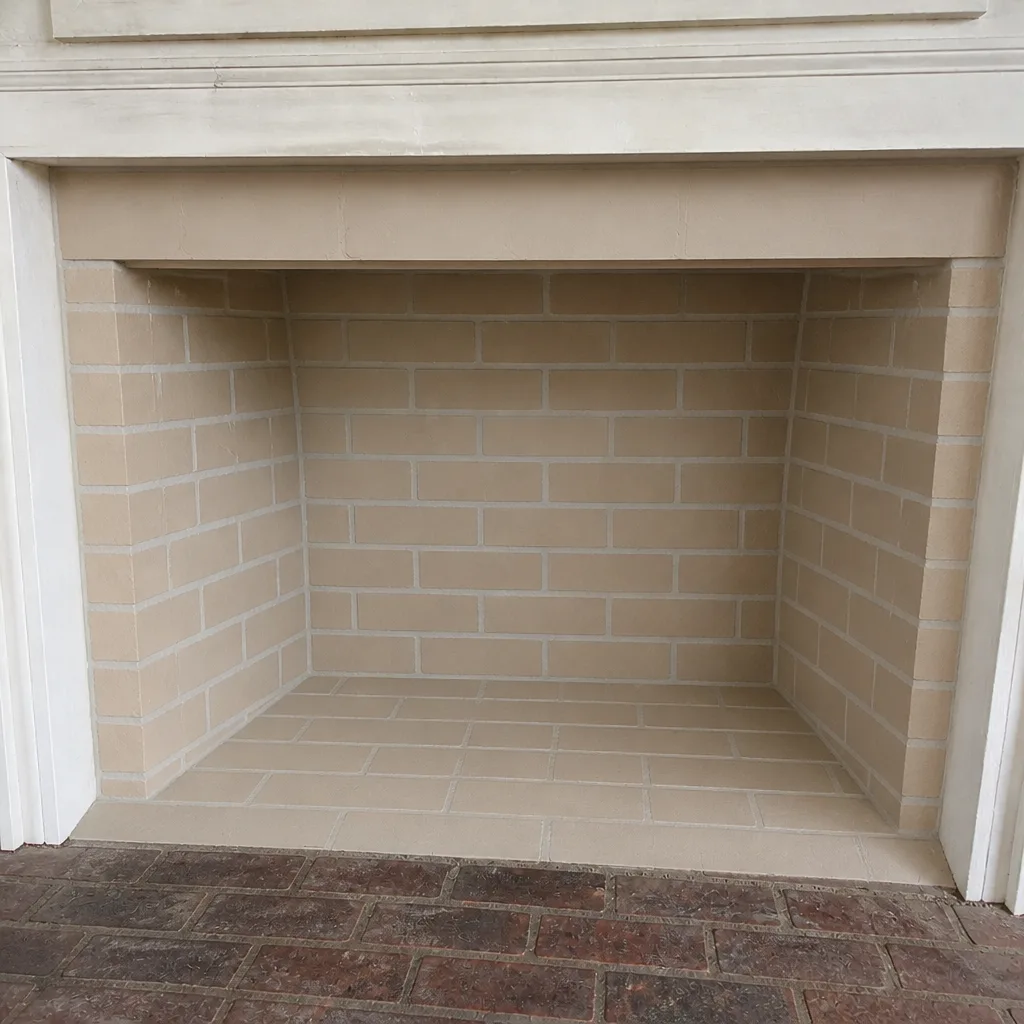
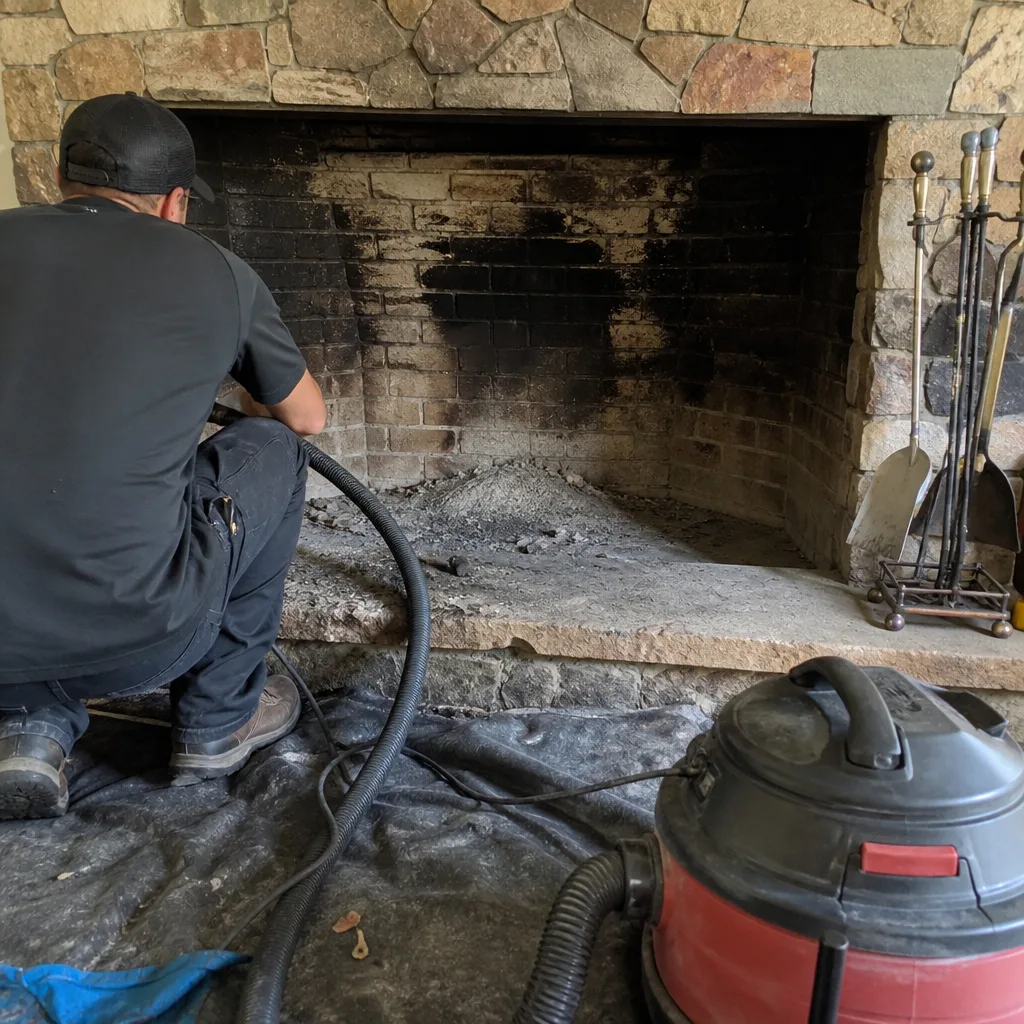
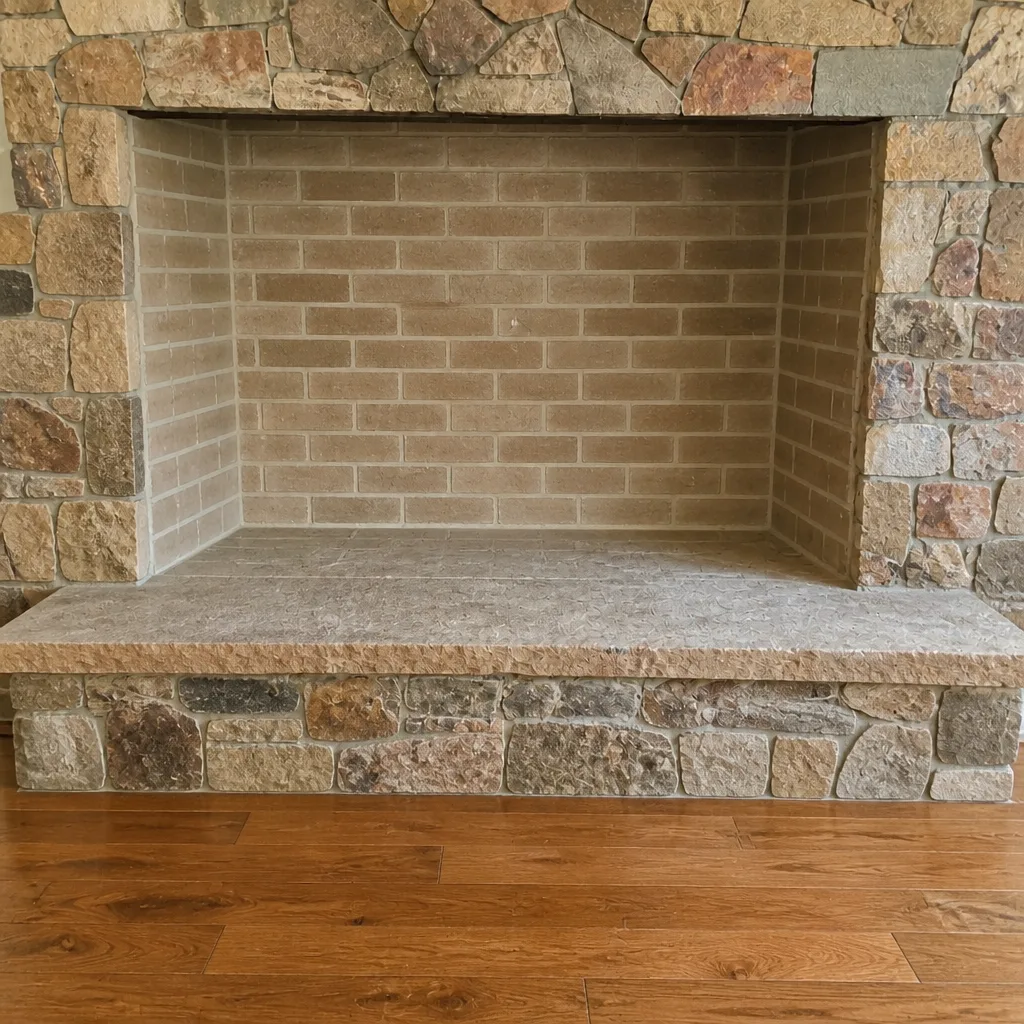
See the difference
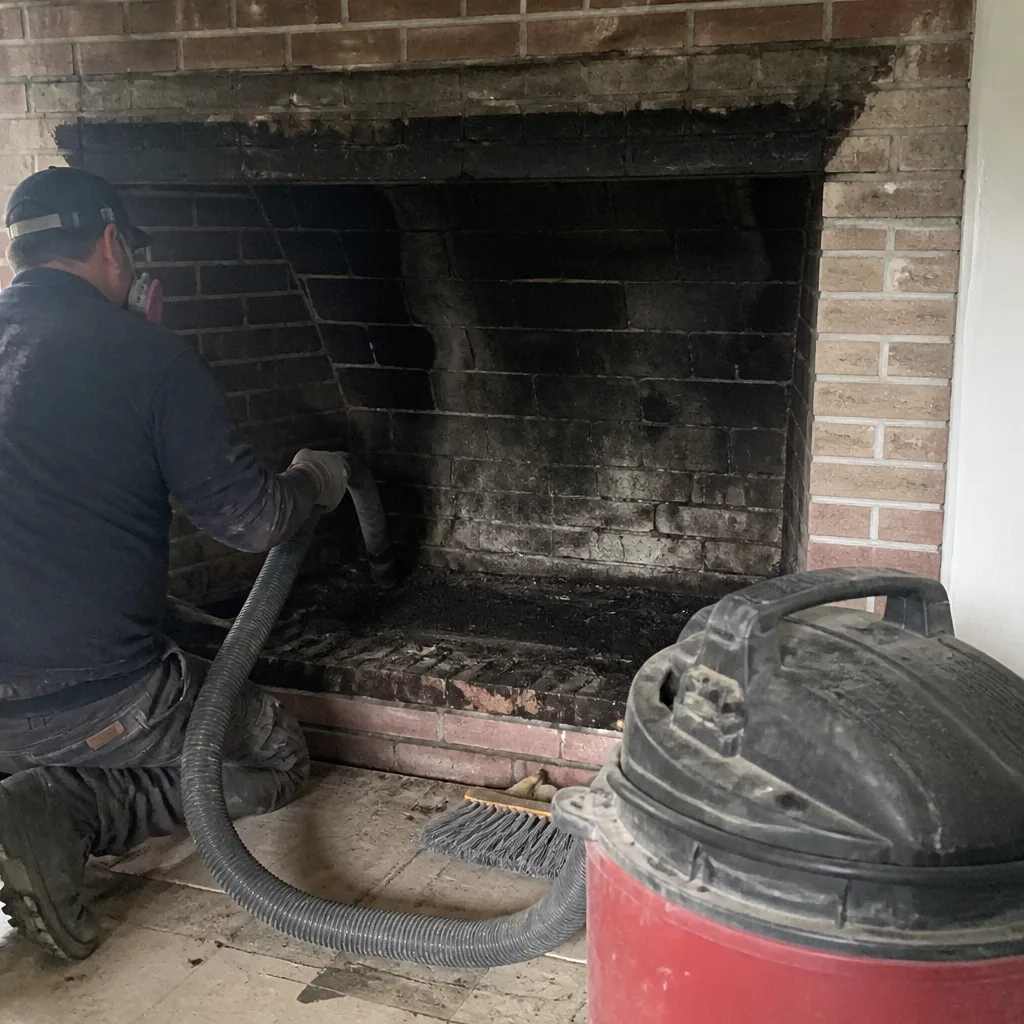 Before
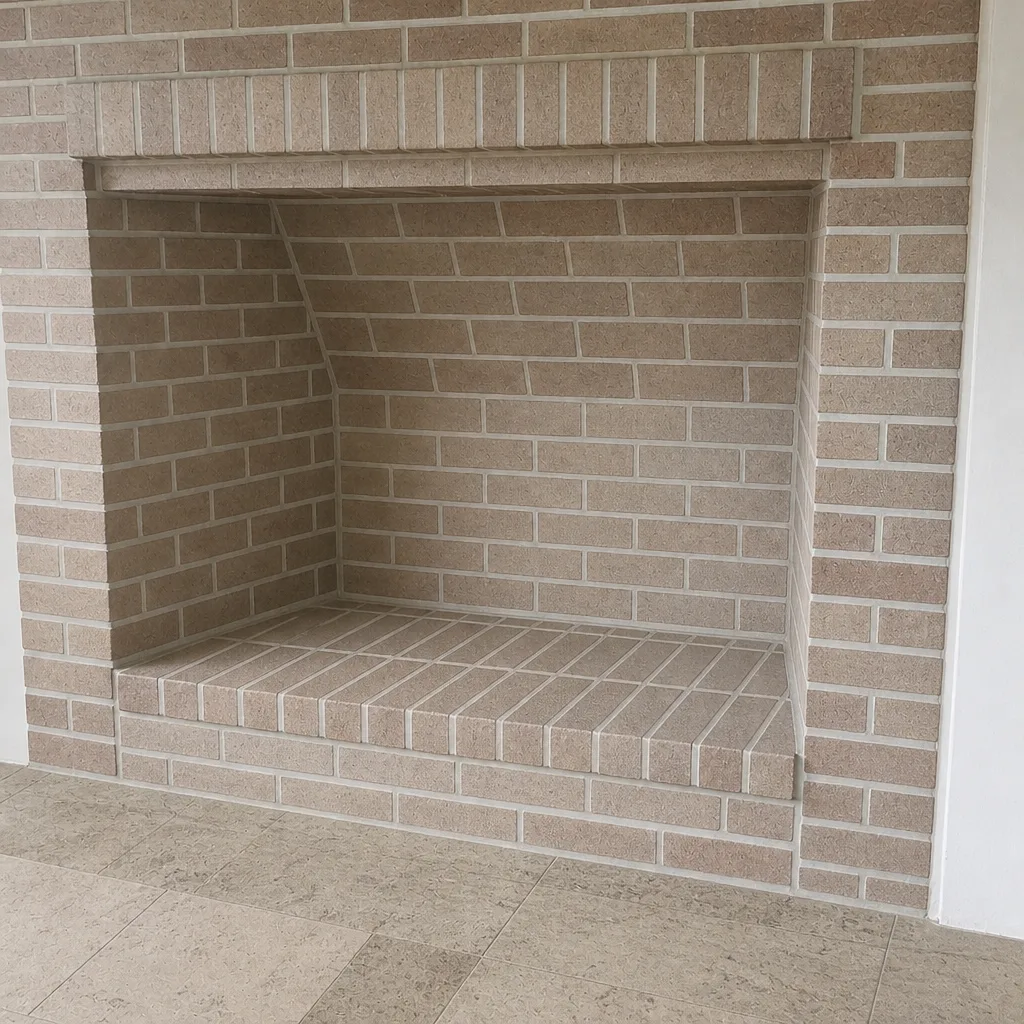 After
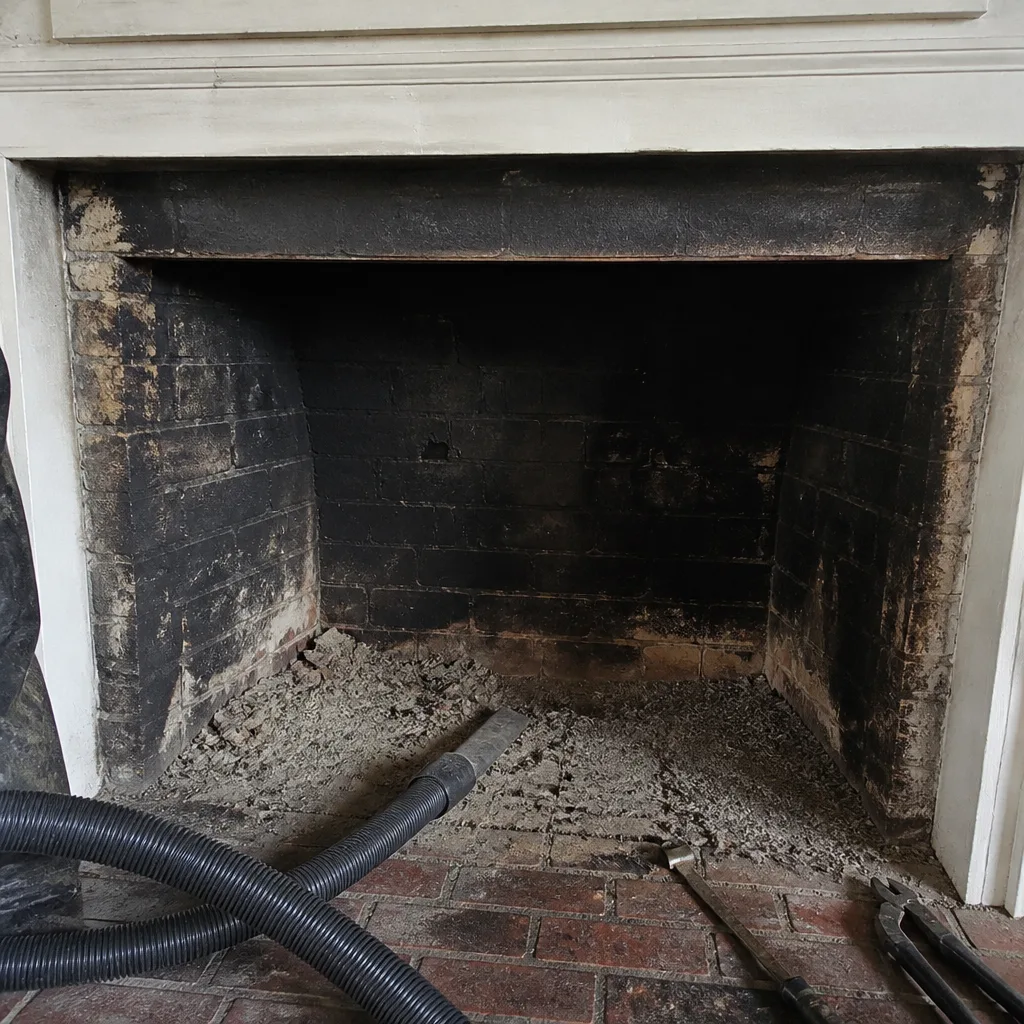 Before
 After
 Before
 After
When to Call a Professional
Call a professional before you authorize any chimney repair work, because the difference between a scoped estimate and a permit-dependent repair is something a non-specialist can easily miss. Our technicians have up to 15 years of experience and can vary from a straightforward sweep to a HeatShield liner resurfacing or a cap and crown replacement using Famco, Copperfield, or Olympia Chimney components. When the job is a chimney cap & crown replacement, we resolve it in one visit using those products. When it’s a full reline, we use DuraFlex and document the permit path. And when the inspection turns up a finding, we produce a report you can hand to your insurer or your buyer’s home inspector. If you’re selling a North Hills home and don’t have records, or you’ve had a sweep recommend work you can’t verify, call us for a free estimate at (877) 770-1236. We answer 24/7. Fast dispatch from 7am to 7pm, Sunday through Friday.
Frequently Asked Questions
No. A routine chimney sweep in North Hills, NC does not require a permit because cleaning is maintenance, not construction. Permits come into play when the work is a structural or flue repair – relining, crown rebuild, masonry repair, or similar. Before authorizing any repair, ask whether a permit is required for that scope in your town’s building jurisdiction.
Cleaning, visual inspection, and like-for-like cap replacement are typically permit-exempt. Relining, crown rebuild, masonry rebuild, and structural chimney repair typically require a permit in many North Hills-area jurisdictions. The Authority Having Jurisdiction for your town makes the final call, so confirm before work begins. Call (877) 770-1236 for an exact quote – estimates are free.
NFPA 211 defines three inspection levels. Level I is a visual check of accessible components for routine maintenance. Level II is more thorough and often uses a camera, and is required after a chimney fire, a change in appliance or fuel type, or a real estate transaction. Level III is diagnostic and may involve removing parts of the chimney. The inspection level determines how the report can be used with insurers.
Insurers commonly exclude claims where the failed work was unpermitted or uninspected. If a flue fire happens and the adjuster finds an unpermitted reline contributed to the loss, the claim may be contested. Keeping dated inspection reports and permit records for any chimney repair protects the claim path. Ask your insurance underwriter to confirm coverage requirements for your policy.
At least once a year, and NFPA 211 recommends annual inspection as a baseline. For wood-burning fireplaces with regular use, an annual visit lets a professional catch cracked flue tiles and creosote buildup before they become a repair issue. Gas appliances still need periodic inspection because the venting and cap can be affected even without wood smoke. Call (877) 770-1236 for an exact quote – estimates are free.
Get a fresh inspection at the appropriate NFPA 211 level before the listing goes live. A Level II inspection is usually appropriate for a real estate transaction, and a dated report with photos gives the buyer’s inspector something to review. That folder – inspection report, sweep record, and permit records for any repair – is what keeps the chimney from becoming a closing-table negotiation. Call (877) 770-1236. We answer 24/7. Fast dispatch from 7am to 7pm, Sunday through Friday.
The Bottom Line
The line is cleaner than most homeowners expect. In North Hills, NC, routine cleaning sits outside the permitting system, while structural repair and relining fall under NC Residential Code Section R1001 and local AHJ jurisdiction. NFPA 211 defines what a proper inspection looks like, and the report generated at that inspection is the document that satisfies insurers, home inspectors, and future buyers. Get the level right, ask the permit question before the repair starts, and keep the paperwork in one place. When it’s time for a visit, the Chimney Sweep North Hills team handles the full arc – sweep, inspection, repair, and documentation – in one relationship. Call (877) 770-1236 for a free estimate. We answer 24/7. Fast dispatch from 7am to 7pm, Sunday through Friday.
Written by the team at Chimney Sweep North Hills.