
Last updated November 24, 2026
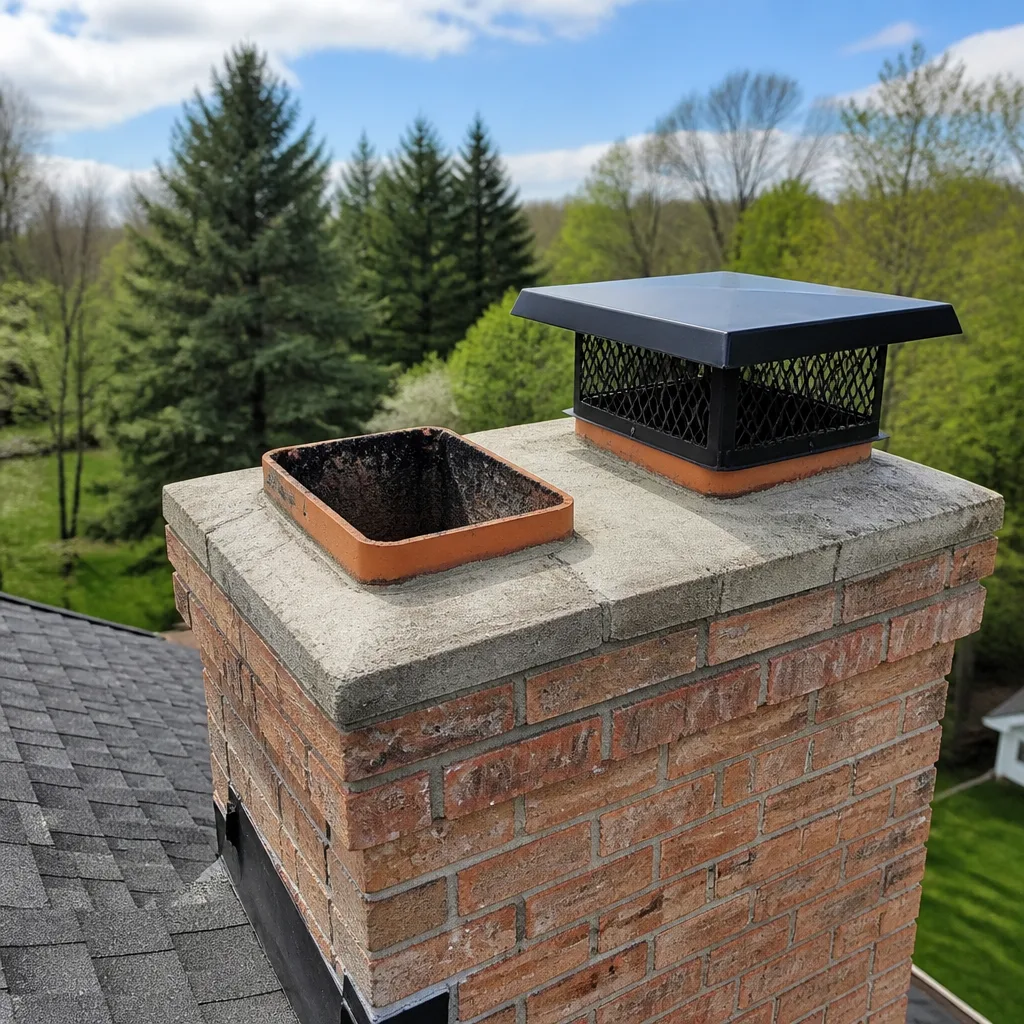 Sweep & inspection
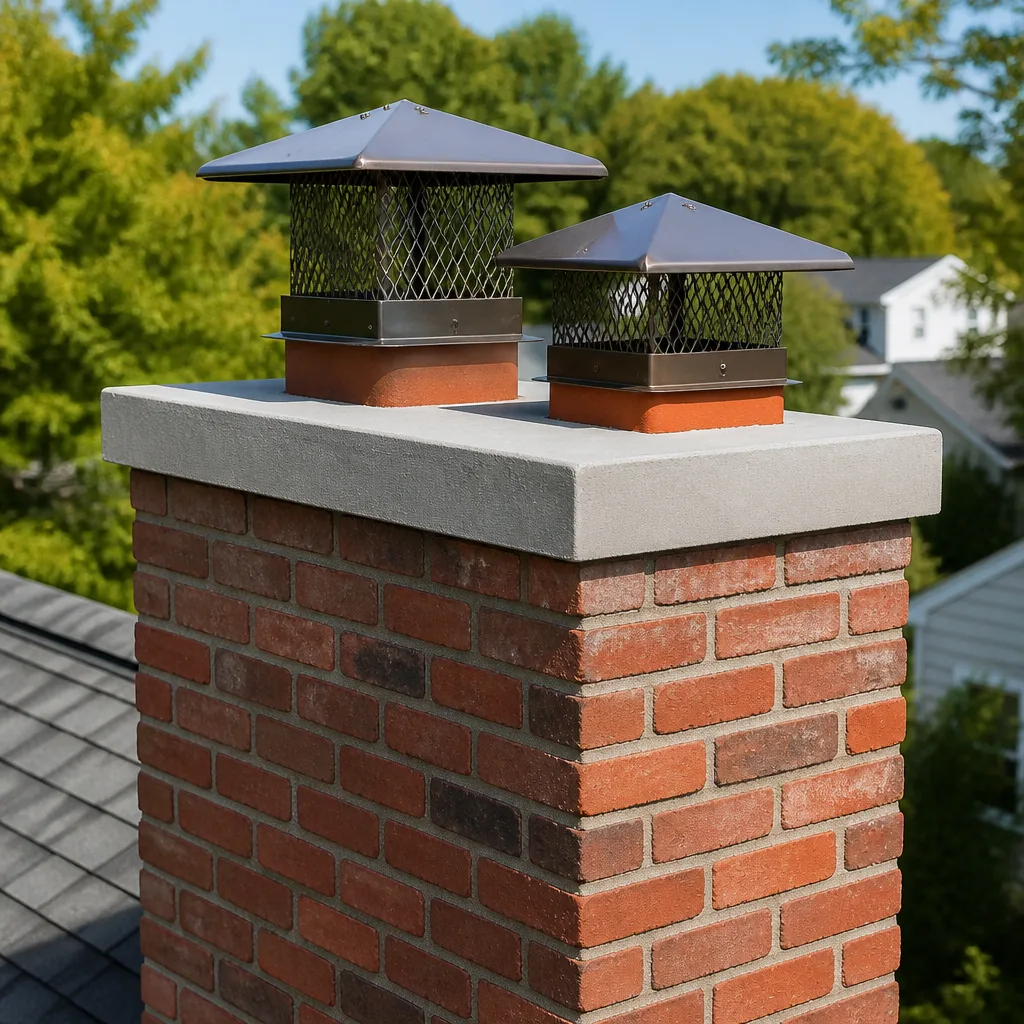 Caps & crowns
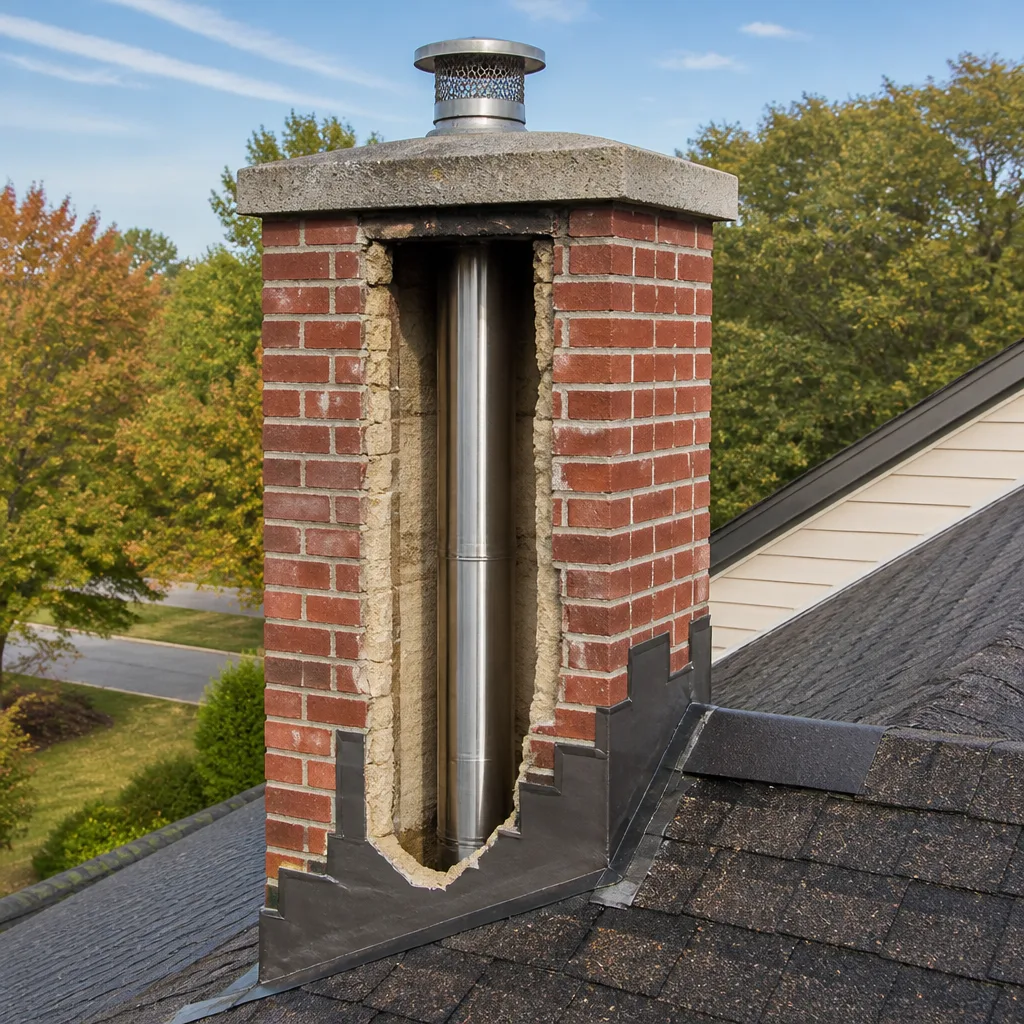 Flue relining
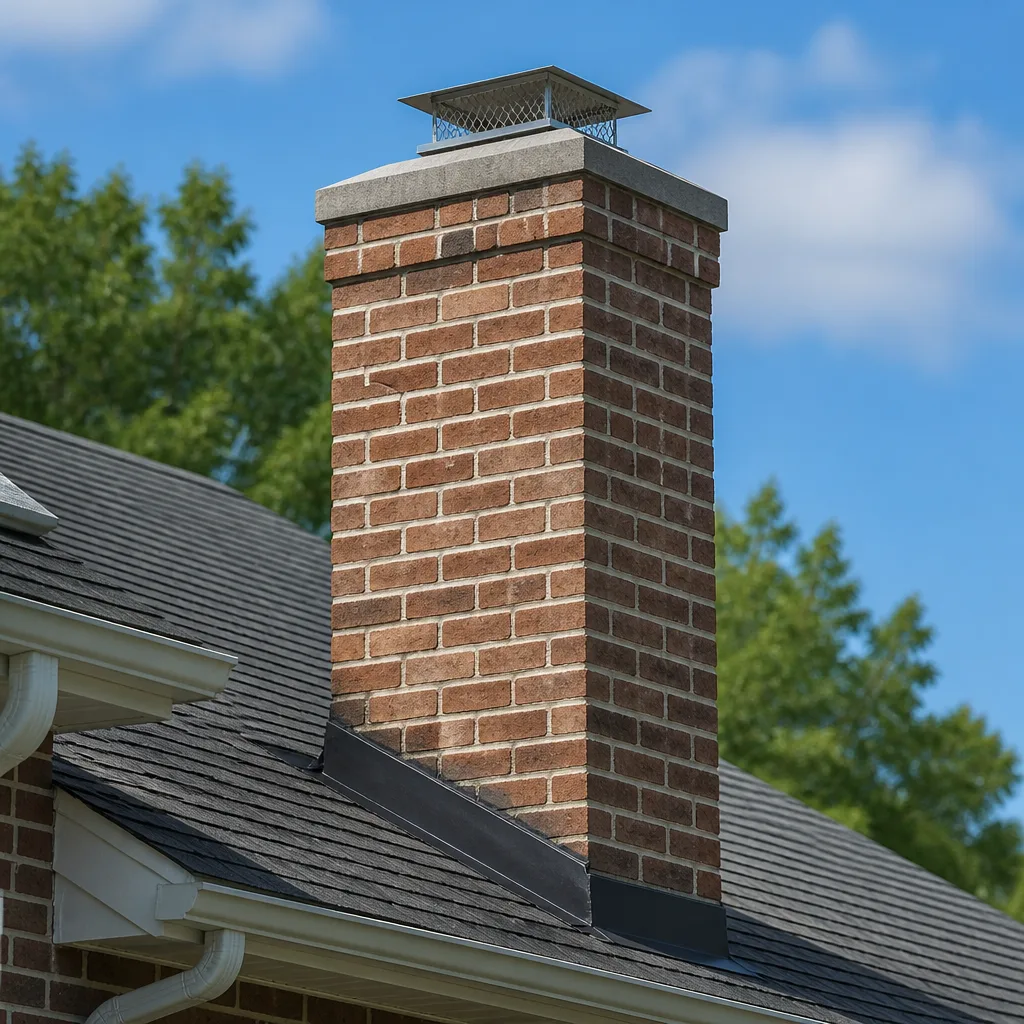 Masonry repair
 Gas fireplace service
Level 1 sweep and inspection to the NFPA 211 annual standard - flue, crown, cap, and flashing checked and photographed
Chimney sweep logs do not sweep chimneys. They loosen some creosote - which then falls where a brush and vacuum still have to collect it.
Chimney Cleaning Warning Signs: A North Hills Homeowner’s Reference Guide
The warning sign that matters most in North Hills isn’t smoke rolling into the room or a visible crack. It’s a thin white streak on the exterior brick, showing up every spring and gone by July. Homeowners read it as weather staining and move on. It’s actually moisture moving through the masonry and drying on the surface, which means water is already inside the chimney structure. This guide covers those quiet signals: the ones that don’t look like chimney problems until they turn into masonry repairs. We’ll walk through what each sign means, how to tell one failure from another, and when a chimney that “works fine” still needs a professional look.
Quick Answer
The early warning signs of a chimney that needs cleaning or service are white mineral staining on exterior brick, a popping or rumbling sound when a fire starts, a musty smell in the firebox during summer, a fire that takes longer to draft than it used to, and flaking brick faces on the chimney stack. Any one of these warrants an inspection, even if your fireplace seems to work normally. Our technicians have up to 15 years of experience reading these signs, and most of them are visible from the ground or the hearth before any repair is needed.
Styles & brands we work with
- Sweep & inspection
- Caps & crowns
- Flue relining
- Masonry repair
- Gas fireplace service
Table of Contents
- The White Streak on Your Brick: Efflorescence as an Early Warning
- Sound and Smell Signatures of a Flue That Needs Cleaning
- The Candle Test: Damper, Liner, or Cap Problem?
- Why a Fireplace That Works Fine Can Still Have a Level 2 Hazard
- Spalling Brick and the Piedmont Freeze-Thaw Cycle
- The Annual Rhythm: What to Check and When
- Exterior Signals You Can Read From the Ground
The White Streak on Your Brick: Efflorescence as an Early Warning
Efflorescence is the powdery white staining that appears on masonry when water dissolves salts inside the brick and mortar and then evaporates at the surface, leaving the salts behind. On a North Hills chimney, it’s one of the earliest signals that moisture is getting into the structure. The roof-to-chimney junction, the crown at the top, and the mortar joints are the usual entry points. A thin, patchy bloom that appears after a wet stretch and fades in dry weather is often early-stage moisture. Heavy, recurring, or thick crystalline deposits that don’t clear suggest water is finding a steady path inside the chimney.
Here’s what efflorescence doesn’t mean by itself. It isn’t proof your chimney needs rebuilding, and it isn’t a sign of a defective brick batch. Plenty of chimneys show mild efflorescence for years without structural damage. The point is to find the water source before the freeze-thaw cycle does the work for you.
What to check, without getting on the roof:
- Whether the white staining is concentrated near the crown, along one face of the stack, or in a band below the roofline.
- Whether the crown at the top looks cracked or has pulled away from the flue.
- Whether the chimney has a cap, and if it does, whether the cap has rusted through or lost its screen.
- Whether water stains or rust streaks appear on the firebox walls or the damper frame inside.
If you see recurring efflorescence, the fix usually starts with a chimney cap & crown inspection. A cracked crown lets water straight into the masonry, and a missing cap lets rain fall directly down the flue. Neither is expensive to address early. Both get costly when water has had a few seasons to work through freeze-thaw cycles.
Sound and Smell Signatures of a Flue That Needs Cleaning
Most homeowners know to look for visible creosote buildup. The more reliable signals are auditory and olfactory, and they show up before visible accumulation becomes obvious. A chimney with excess creosote or an obstructed flue tends to sound different. When you light a fire, listen for:
- Popping or crackling beyond normal fire sound. A low rumbling or thumping as the fire establishes itself suggests the flue isn’t pulling air the way it should.
- Delayed draft. Smoke hesitates at the firebox opening for several seconds before rising. A healthy flue draws almost immediately.
- Rushing air noise at the firebox when the fire is hot, which can indicate an obstruction or a flue that’s undersized for the firebox.
- A rushing or popping sound after the fire is out, which can mean creosote is still reacting to heat in the flue.
The smell is just as telling. Obvious smoke odor in the room means draft problems. The subtler one is a musty, sour smell in the firebox on humid summer days, when the chimney isn’t in use. That’s often creosote and soot residue absorbing moisture from the air. In North Hills’ humid summers, that smell is a reliable indicator that the flue is holding buildup the last sweep didn’t reach, or that the chimney is drawing damp air from outside because it lacks a proper cap.
Neither the sound nor the smell is a diagnosis on its own. Both are reasons to schedule an inspection. An annual chimney sweep clears the flue and confirms what’s actually happening inside it, rather than what we’re guessing from the sound.
The Candle Test: Damper, Liner, or Cap Problem?
Smoke in the room can come from three different failures, and each has a different fix. Here’s a simple way to narrow it down before calling anyone. This isn’t a repair procedure; it’s a diagnostic you can do safely from the hearth with the fire out and the chimney cold.
- Make sure the firebox is cold and there’s no fire. Open the damper fully. Confirm the damper plate is actually open and unobstructed by looking up the flue with a flashlight.
- Light a single candle and hold it near the open damper. Watch the flame. If it bends steadily toward the flue, the chimney is drawing air well, and the damper is working.
- Close the damper partway and watch again. If the flame stops being drawn in, the damper is functioning but the flue is struggling, which points toward buildup, an obstruction, or a liner issue rather than the damper itself.
- Light the candle inside the firebox, close the glass doors if you have them, and watch the flame. If it flickers or the smoke lingers, the chimney isn’t drafting correctly, and the problem is likely higher up.
A damper that’s stiff, warped, or won’t stay open is a damper problem, and it’s usually the least complicated fix. A chimney that drafts poorly even with the damper wide open points to a liner problem, buildup, or an obstruction. Smoke that only appears on windy days, or that appears at the top of the firebox before the fire is fully lit, often points to a cap or top-of-chimney issue.
The candle test narrows the question but doesn’t answer it. The real answer comes from a camera inspection, which is why we include one with every sweep. You see the inside of your flue on the monitor. And if your damper or firebox needs work, that’s a fireplace repair conversation we can have directly, without referring you somewhere else.
Why a Fireplace That Works Fine Can Still Have a Level 2 Hazard
This is the part most homeowners find hardest to accept. A fireplace that lights easily, burns clean, and heats the room can still have a serious hazard inside the flue or the chimney structure. Performance only tells you that air and smoke are moving. It says nothing about the condition of the liner, the presence of hidden cracks, or whether creosote has built up in a section of flue the fire’s heat doesn’t reach.
That’s why the National Fire Protection Association’s 211 standard calls for inspections independent of how well the fireplace works. A Level 1 inspection covers the readily accessible portions of the chimney with the usual tools. A Level 2 inspection adds a video camera scan of the flue interior and covers accessible attics, crawl spaces, and joints. A Level 3 inspection goes further, opening concealed areas when a serious hazard is suspected. Most annual maintenance calls fall under Level 1, and a Level 2 is warranted after a chimney fire, a change in fuel type, a new appliance connection, or a home sale.
In our experience across North Hills, the hazards that turn up on Level 2 scans usually fall into three categories:
- Hidden liner cracks in clay tile flues that aren’t visible from the firebox.
- Offset or gap failures where flue sections meet, especially in older masonry chimneys.
- Creosote glazing in upper flue sections the firebox heat doesn’t reach.
None of these announce themselves with smoke in the room. They show up on camera.
If a scan reveals a deteriorated flue, HeatShield ceramic resurfacing can restore the liner interior without the cost and disruption of full relining. It’s a repair option worth knowing about before anyone tells you a rebuild is the only answer. And if a full reline turns out to be necessary, DuraFlex liners are the professional-grade standard we work with.
Spalling Brick and the Piedmont Freeze-Thaw Cycle
Spalling is when the face of a brick flakes off, pops, or crumbles away. It looks like a chipped or peeling front surface on individual bricks, sometimes with a powdery or crumbling interior exposed. In North Hills’ Piedmont climate, spalling follows a predictable rhythm: moisture gets into the brick through a crack, a failing mortar joint, or a porous crown; a winter freeze expands that moisture; and when it thaws, the expanding ice has already pushed the brick face loose. Repeat that cycle across a few winters and the damage compounds.
Early-stage spalling is easier to distinguish than most homeowners realize once they know what to look for:
- Early stage: isolated bricks with a slightly rough or pitted face, often near the top of the stack or just below the roofline. The brick is still structurally sound and the mortar joints are intact.
- Mid stage: repeated flaking on multiple faces, exposed aggregate, and visible mortar joint erosion. Water is finding a path in.
- Structural stage: bricks with large missing sections, receding or crumbling mortar, or a visible lean in the chimney stack. This is a masonry repair, not a cosmetic fix.
Early-stage spalling is usually resolved by addressing the water source: a crown repair, a new cap, or repointing the mortar joints. Mid-stage calls for the same work plus closer inspection of the flue. Structural-stage spalling needs a chimney specialist to assess whether the stack can be repaired or needs partial rebuilding.
The trap is the in-between stage. A homeowner sees one or two rough brick faces and waits a season. The freeze-thaw cycle doesn’t wait. If you see spalling anywhere on your chimney in North Hills, have it looked at before the next winter, not after it.
The Annual Rhythm: What to Check and When
Chimney maintenance in North Hills follows the seasons more closely than most homeowners expect. A chimney that goes unchecked for a full year can develop signs that would’ve been obvious six months earlier. Here’s a walkthrough of the annual cycle and what each season’s signals mean.
- End of heating season (spring): Look for efflorescence and fresh spalling. The wet spring weather is when moisture intrusion shows clearly on the exterior.
- Early summer: Check for musty smells in the firebox. That’s the clearest sign of residual creosote holding moisture.
- Late summer (before burning season): This is when a sweep and inspection should be scheduled. Creosote from the previous winter has had months to harden, and clearing it before the first fire is far easier than after.
- First fire of autumn: Pay attention to draft. If the fire takes longer to establish than it did last year, that’s a signal. If it pops or rumbles, that’s a stronger one.
- Midwinter: Watch for smoke rollback, a fire that won’t stay lit, or a sudden change in how the chimney sounds. These are reasons to book an inspection even if the fall sweep was recent.
One North Hills-specific point: our winters aren’t North Pole cold, but the Piedmont freeze-thaw pattern with mild days and freezing nights does more masonry damage over time than a single deep freeze. That’s the argument for inspecting in spring when the thaw reveals what winter did, not waiting until fall when you’re ready to light a fire.
Exterior Signals You Can Read From the Ground
Half of what’s wrong with a chimney is visible from the yard. You don’t need to climb anything. A pair of binoculars and a walk around the house gives you a clear survey.
- White or brown staining on the brick or in bands above or below the roofline. Efflorescence or water tracking, both pointing to moisture.
- Cracked or separated crown. The concrete top should slope away from the flue. A visible crack lets water straight in.
- Missing or damaged cap. No screen, rusted mesh, or a cap sitting crooked means animals and rain have a direct path into the flue.
- Rust streaks or dark staining on the chimney face. Often a sign of water reacting with metal components inside.
- Flaking brick faces, crumbling mortar, or a lean. Spalling at any stage.
- Visible creosote or black staining at the firebox opening or behind the damper. Signals buildup inside.
If you spot any of these signs, the next step is a professional inspection with a camera. Nothing is recommended until you can see the reason for it on the monitor. Where a cap or crown is the issue, using professional-grade products like Famco and Copperfield components means the fix gets resolved in a single visit rather than a second trip being scheduled later.
Common Mistakes to Avoid
- Waiting for visible creosote before booking a sweep. Buildup in the upper flue and hidden cracks don’t show from the firebox. An annual sweep catches them before they’re expensive.
- Reading efflorescence as “just weather staining.” The white streak that appears every spring is moisture moving through the masonry, not a cosmetic issue. Finding the source early is far cheaper than a crown replacement later.
- Skipping the inspection because the fireplace “works fine.” Performance doesn’t tell you what’s inside the flue. A Level 2 camera inspection reveals what a working fire doesn’t.
- Waiting for spalling to get “bad enough.” In North Hills’ freeze-thaw pattern, one more winter is one more cycle of damage. The early-stage fix is small; the structural-stage fix isn’t.
- Painting or sealing spalling brick without fixing the water source. This traps moisture inside and accelerates the breakdown.
- Ignoring a musty summer smell. A sour smell in the firebox on humid days is creosote residue holding moisture, which is a straightforward sign that the flue needs attention.
- Assuming a cap replacement means a second appointment. Cap and crown work should resolve in the same visit as the sweep when the right products are on hand.
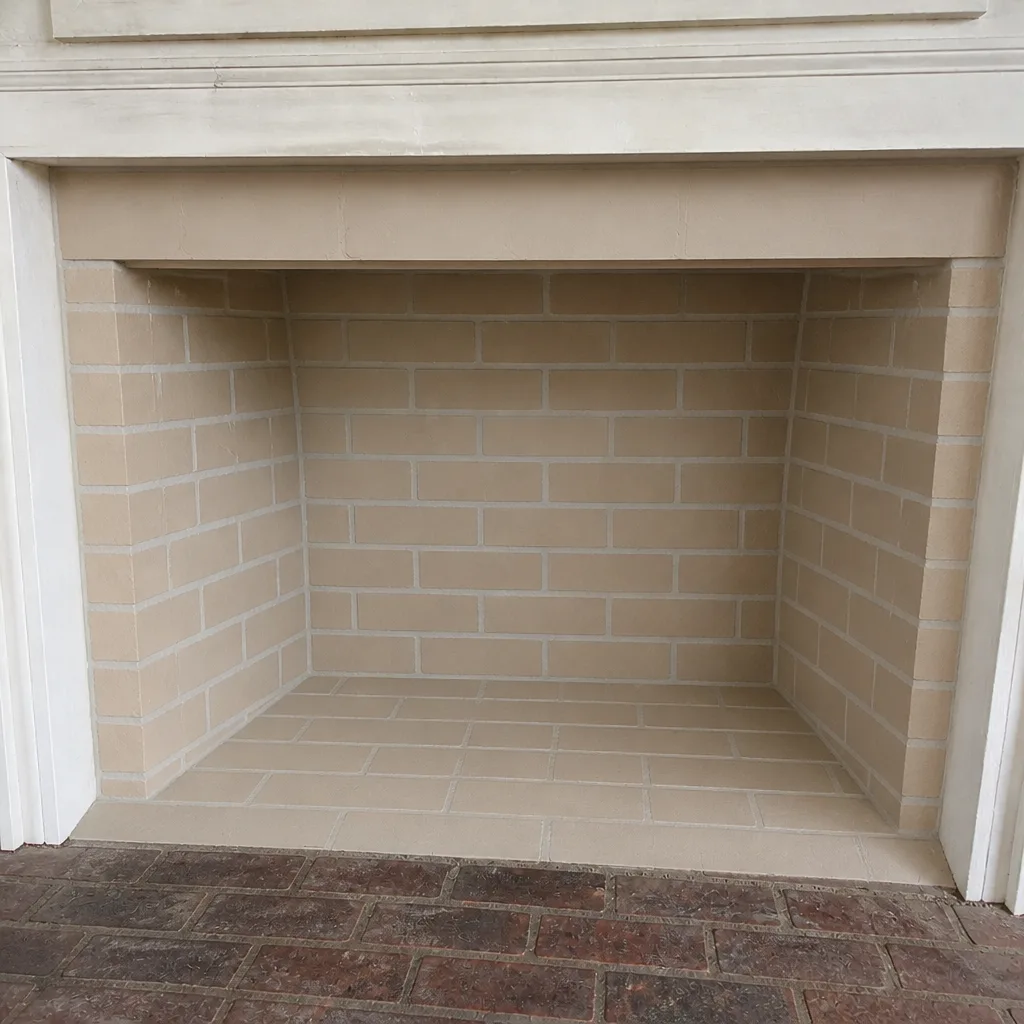
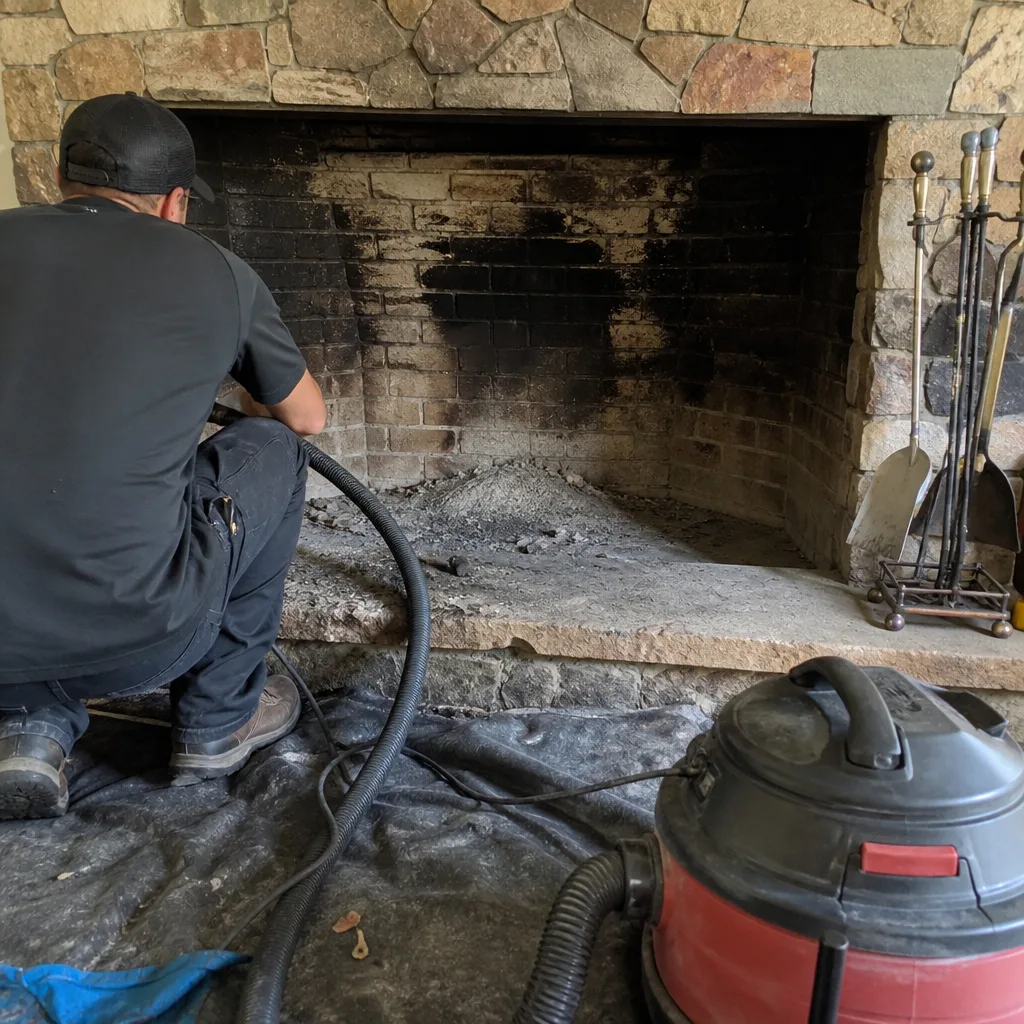
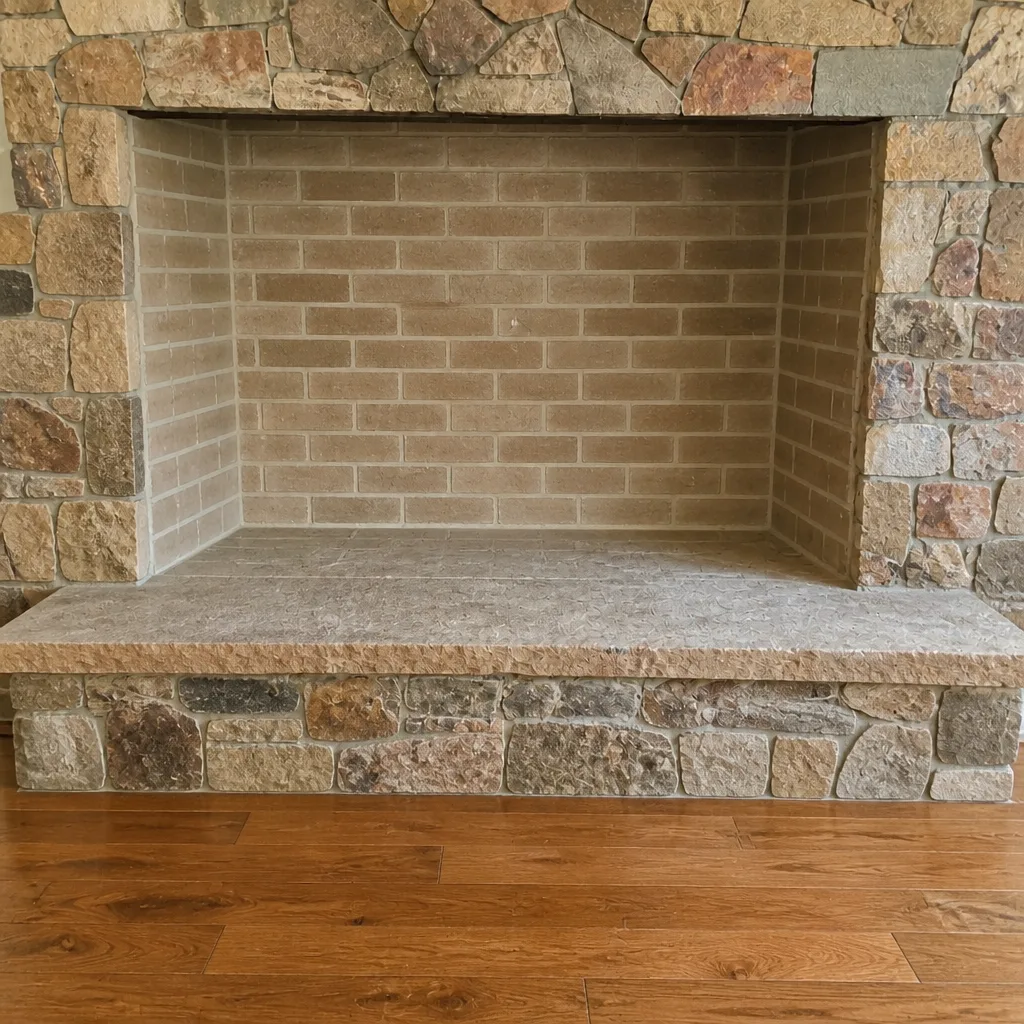
See the difference
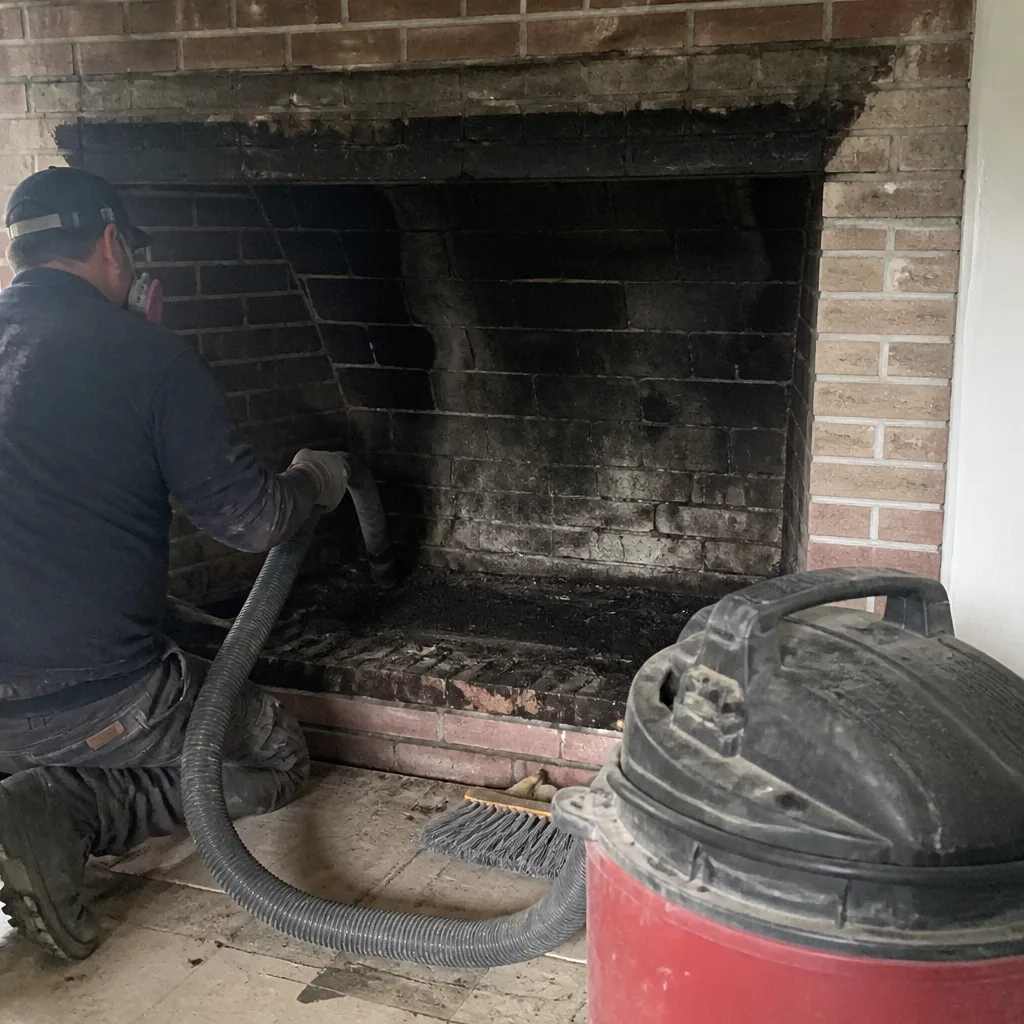 Before
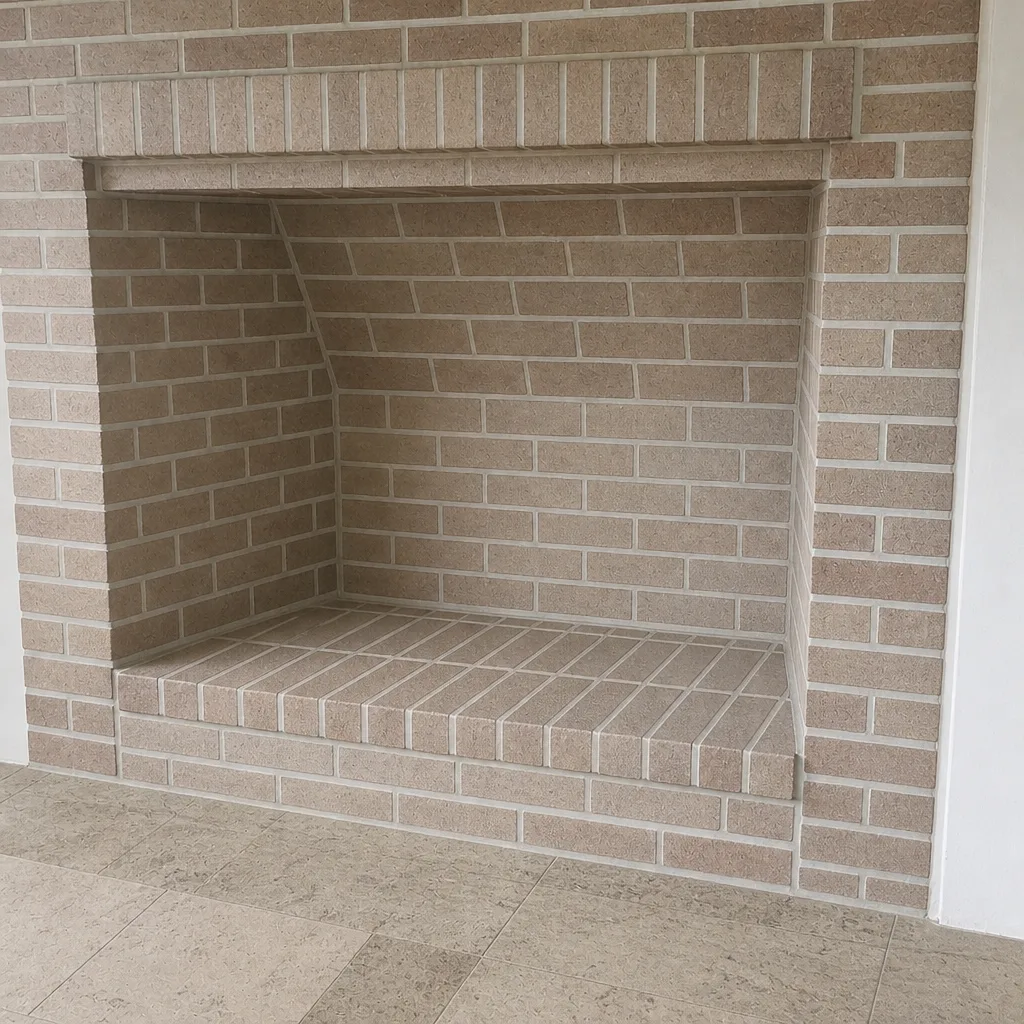 After
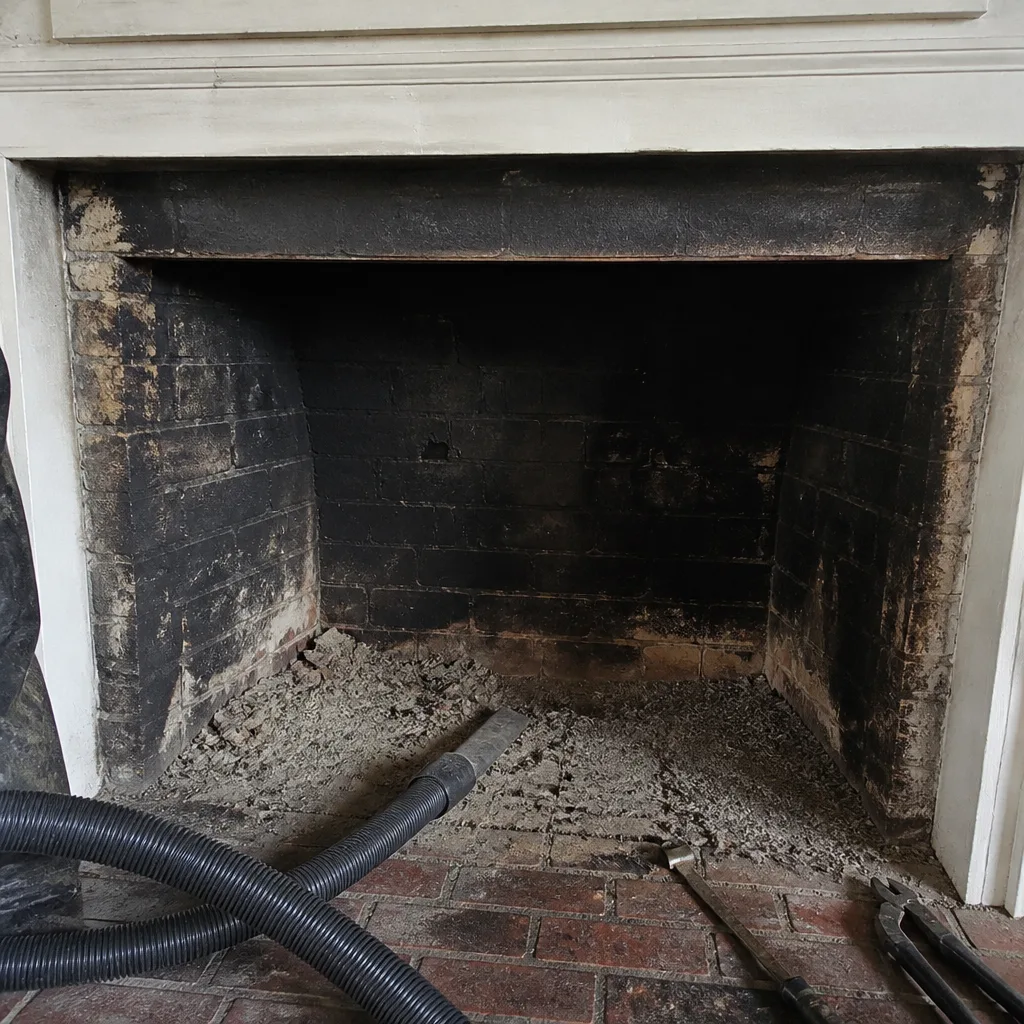 Before
 After
 Before
 After
When to Call a Professional
Call a chimney specialist when you notice any of the following: recurring white staining on the exterior brick, a popping or rumbling sound when the fire starts, a musty smell in the firebox during summer, a fire that’s slower to draft than last year, spalling on any face of the chimney stack, or visible cracking in the crown. Also call if it’s been more than a year since your last sweep, or if you’ve just moved into a North Hills home and don’t know when the chimney was last serviced. A professional inspection with a camera gives you a clear picture of what’s happening inside the flue. Nothing is recommended without evidence you can see. Chimney Sweep North Hills offers free estimates in North Hills. Call (877) 770-1236. We answer 24/7. Fast dispatch from 7am to 7pm, Sunday through Friday.
Frequently Asked Questions
The early warning signs are white mineral staining on exterior brick, popping or rumbling sounds when a fire starts, a musty smell in the firebox during humid summer months, delayed draft, and spalling or flaking brick faces on the chimney stack. Any one of these warrants an inspection, even if the fireplace seems to work normally. Call (877) 770-1236 for an exact quote on a sweep – estimates are free.
Most North Hills chimneys should be swept and inspected once a year, ideally in late summer before burning season begins. If you burn wood heavily through the winter, an additional inspection midseason makes sense. Gas fireplaces also need annual inspection even though they produce little creosote. Call (877) 770-1236 to book a sweep – estimates are free.
Efflorescence is white mineral staining that appears when water dissolves salts inside the masonry and evaporates at the surface. It signals moisture is getting into the chimney through a crack, a failed crown, or open mortar joints. Mild efflorescence isn’t automatically serious, but recurring or heavy staining should be inspected to find the water source before freeze-thaw cycles do more damage. Call (877) 770-1236 for an inspection – estimates are free.
Yes. A fireplace that lights and heats the room normally can still have hidden liner cracks, offset failures, or glazed creosote in the upper flue that only a camera inspection will reveal. Performance shows air is moving, not that the flue is sound. That’s the case for an annual inspection independent of how the fireplace behaves. Call (877) 770-1236 to schedule an inspection – estimates are free.
A damper problem produces a stiff, warped, or stuck damper plate that doesn’t open fully. A liner problem shows up as poor draft even with the damper wide open, or as a fire that smokes into the room. A cap problem tends to appear on windy days or at the top of the firebox before the fire is fully lit. All three benefit from a professional inspection, and all three can be diagnosed in a single visit. Call (877) 770-1236 for an exact quote – estimates are free.
Skipping a year of maintenance means creosote can harden and glaze in the upper flue, small liner cracks can widen, and a failing crown can let water into the masonry through an extra freeze-thaw cycle. None of these announce themselves loudly. The next season’s repair tends to be larger than the previous season’s inspection would have been. Call (877) 770-1236 to book an inspection before the next heating season – estimates are free.
The Bottom Line
The chimney warning signs that cost the most in North Hills are the ones that don’t look like chimney problems at first: a white streak on the brick, a musty summer smell, one or two rough brick faces, a fire that’s slightly slower to catch than it used to be. Each of these is a moisture, creosote, or structural signal that’s much cheaper to address early. A fireplace that works fine can still hide hazards a camera would find in minutes. Annual sweeping and inspection, backed by proper cap and crown work, is the routine that keeps the whole system sound. The team at Chimney Sweep North Hills handles sweep, inspect, repair, cap, and crown work as one specialist service.
If you’re seeing any of these signs or it’s simply time for your annual sweep, call (877) 770-1236 for a free estimate. We answer 24/7. Fast dispatch from 7am to 7pm, Sunday through Friday.
Written by the team at Chimney Sweep North Hills.