
Last updated November 24, 2026
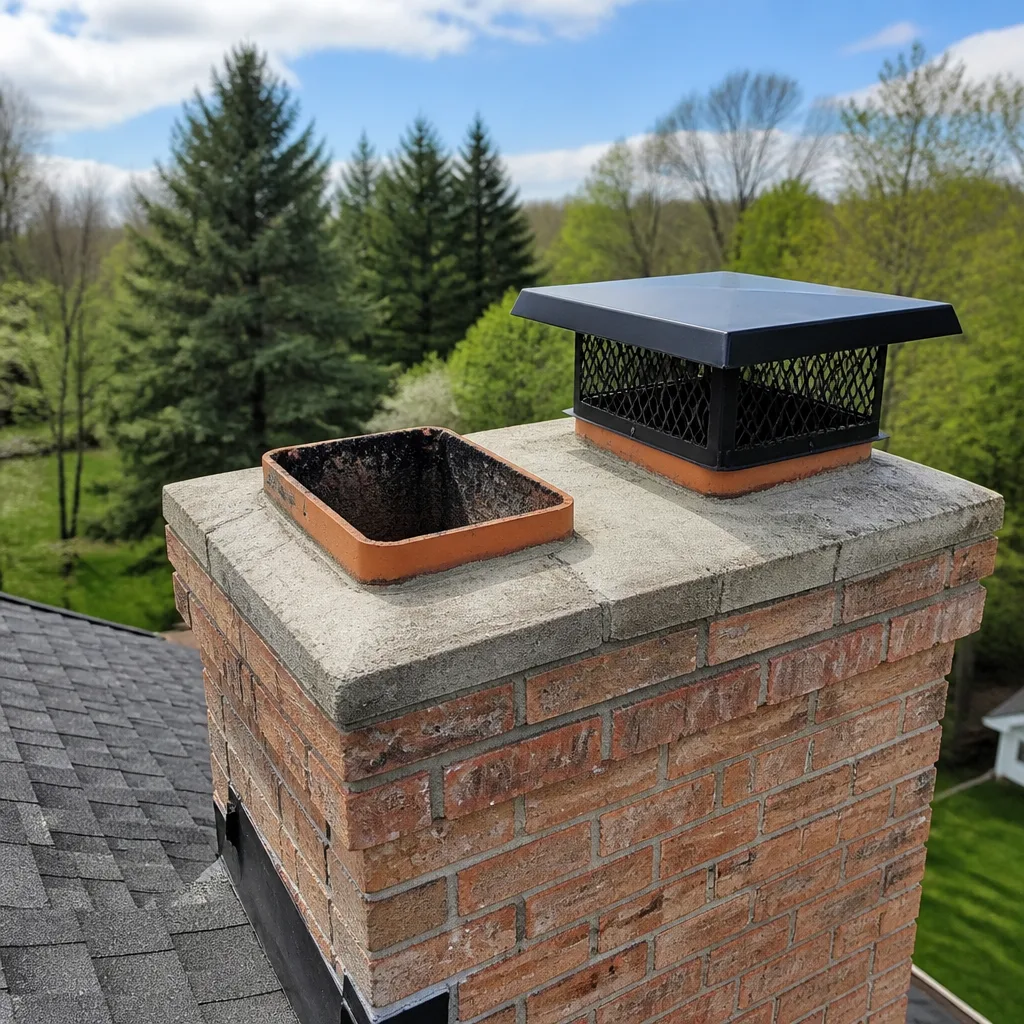 Sweep & inspection
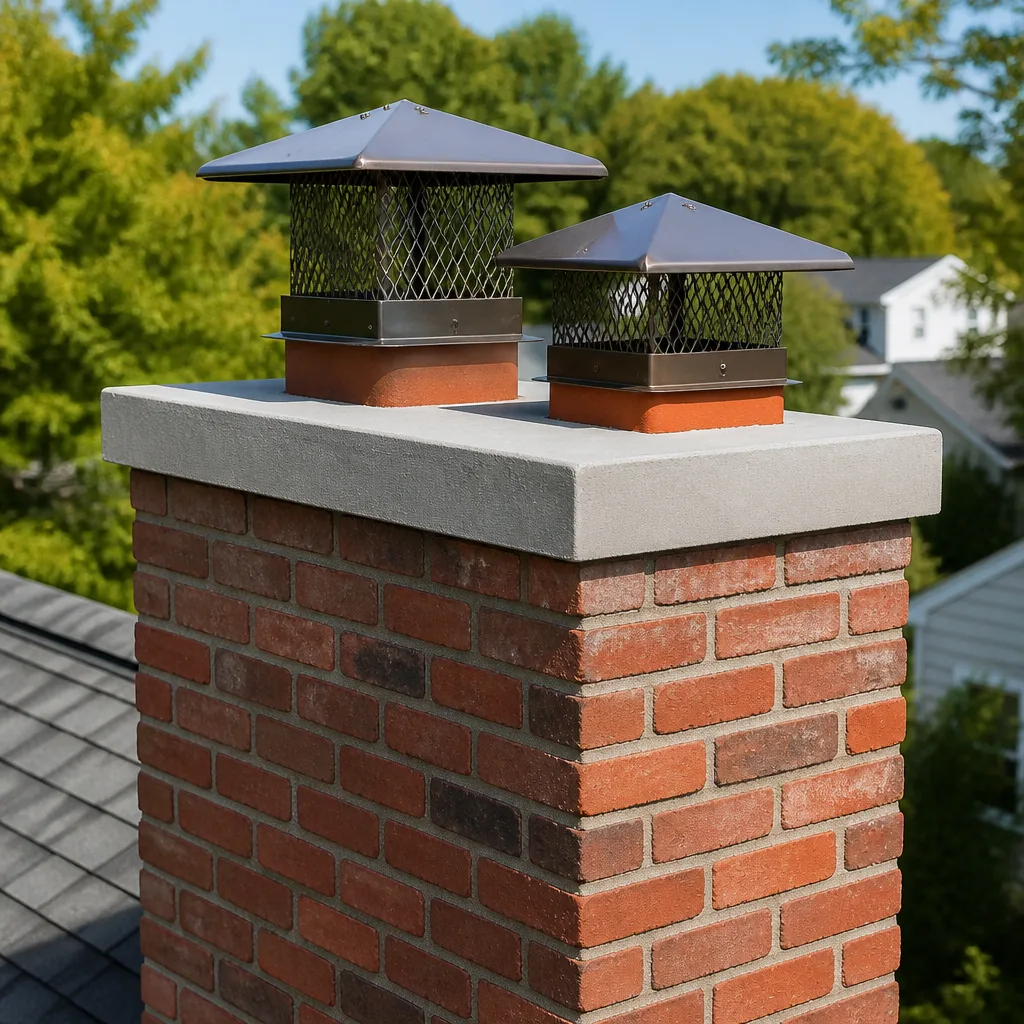 Caps & crowns
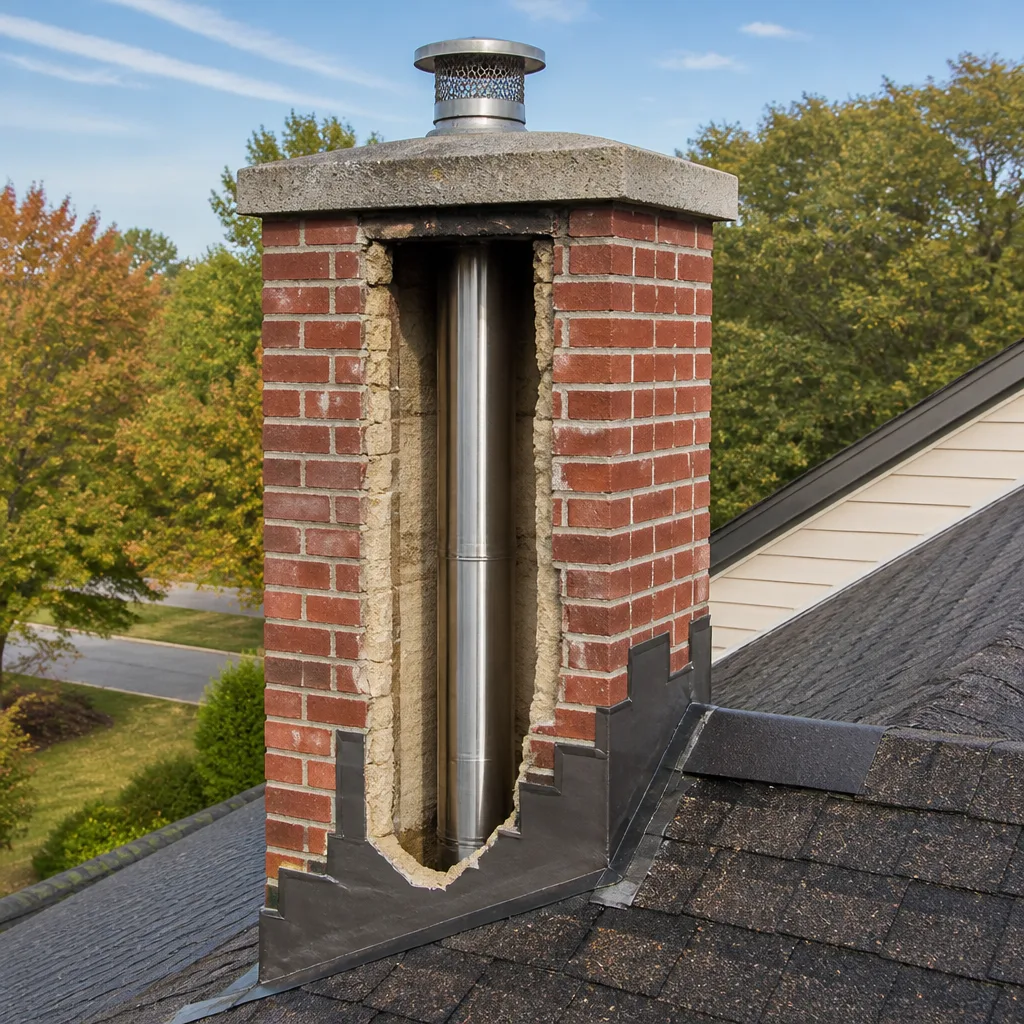 Flue relining
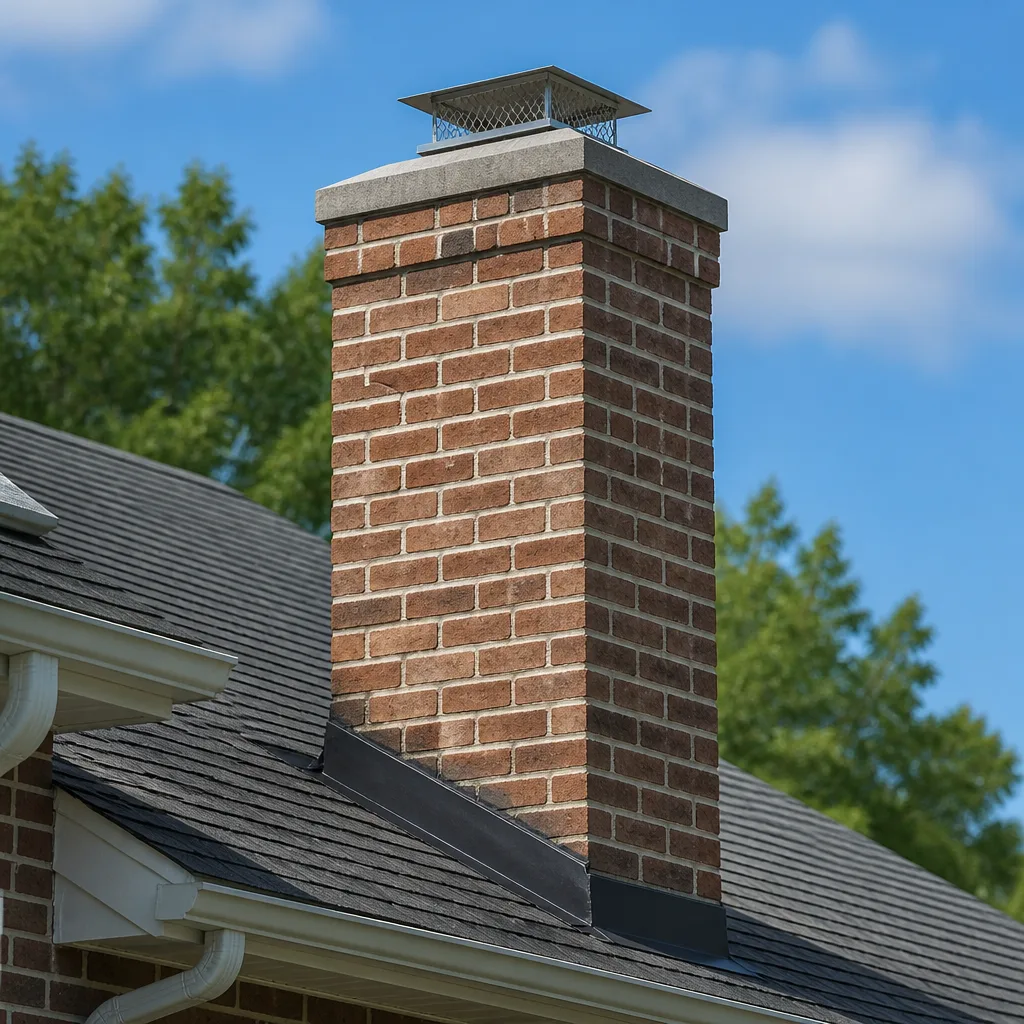 Masonry repair
 Gas fireplace service
Level 1 sweep and inspection to the NFPA 211 annual standard - flue, crown, cap, and flashing checked and photographed
Chimney sweep logs do not sweep chimneys. They loosen some creosote - which then falls where a brush and vacuum still have to collect it.
Chimney Sweep Maintenance Schedule: What to Do and When
The CSIA recommends annual inspections, but that standard was written for average use. If you burned more than two cords of wood last winter, you likely crossed the threshold where annual service leaves creosote at dangerous levels before your next appointment. A single yearly sweep is a floor, not a schedule. In a North Hills home where the fireplace runs from the first cold snap in October through the damp stretch of February, creosote builds on a pace the calendar can’t measure. This guide shows you how to build a maintenance schedule around your burn frequency, your wood, and your system’s age, and how to spread the big replacement costs over a decade so nothing fails on you by surprise.
Quick Answer
Most North Hills homeowners need a Level 1 inspection and sweep once a year, plus a Level 2 inspection whenever the system changes (new liner, home sale, a chimney impact) and a Level 3 only when a hidden problem is suspected. Build the schedule around how much and what you burn, not just the calendar, and time the annual visit for September before the cold snaps hit and the schedule fills. Heavier users should sweep at the midpoint of the season too.
Styles & brands we work with
- Sweep & inspection
- Caps & crowns
- Flue relining
- Masonry repair
- Gas fireplace service
Table of Contents
- Why Burn Frequency Decides Your Schedule
- Tasks Before the First Fire of the Season
- Tasks for Season’s End
- Level 1 vs Level 2 Inspections: What Each Covers
- North Hills Timing: Why September Matters
- Component Lifespans and a 10-Year Horizon
- Common Mistakes to Avoid
- Frequently Asked Questions
Why Burn Frequency Decides Your Schedule
The annual inspection standard is built for moderate use. It assumes a household that lights a fire a few dozen times a season on dry, seasoned wood. If that describes you, an annual visit covers you. If you burn hotter and longer, the standard underserves you, and creosote accumulates between visits faster than a once-a-year sweep can address. That gap is where a maintenance schedule stops being a chore and starts being a real safety practice.
The two variables that matter most are how many cords you burn and how wet the wood is. Cords are easy to estimate if you track your deliveries. Wood moisture is the harder one, and it’s the one that changes the math dramatically. Wood that has seasoned properly for a full cycle burns hot and leaves a thin, dry ash. Wood that hasn’t had enough drying time leaves darker deposits and far more of them.
Here’s a rough calculator to estimate your own accumulation rate. It won’t give you a number to the decimal, but it tells you whether you’re a once-a-year burner or a mid-season sweep burner:
- Count the cords you burned last winter. A face cord is a third of a full cord; note which you buy.
- Rate your wood. Seasoned a full cycle and stored dry is a low-emission burn; green or damp wood is a high-emission burn.
- Rate how hard you run the firebox. Short, hot fires clean themselves better than long, smoldering ones.
- If you burned more than two cords, or ran a lot of damp wood, or banked smoldering overnight fires, you’re a heavier user.
- Heavier users should plan a sweep at the midpoint of the burn season, not just in the fall.
A proper chimney sweep lets the technician see the actual creosote layer, glazed or granular, and there’s no substitute for that. But thinking through your own burn habits before you book tells you whether to schedule one visit or plan for two. We’ve seen plenty of North Hills homes where the homeowner assumed they were a light burner until they counted the cords.
Tasks Before the First Fire of the Season
Four tasks have to happen before you light that first fire. Skipping any of them means starting the season on a system you haven’t verified. In North Hills, the first cold snap can hit earlier than the calendar suggests, so treat the pre-season checklist as a target for late summer rather than a leisurely October project.
- Sweep and inspect. Get the flue cleared and the whole system checked. A sweep and a Level 1 inspection are usually done together in the same visit.
- Inspect the cap and crown. The cap keeps rain and wildlife out of the flue; the crown shields the top of the masonry. A missing or damaged cap lets water in, and a cracked crown lets it soak the brick below. Professionals stock Famco and Copperfield products so a damaged cap or crown can be replaced on the same visit rather than adding a second trip.
- Check the firebox and damper. Look for loose brick, crumbling mortar joints, and a damper that opens and closes cleanly. That’s also the time to think about any fireplace repair you’ve put off.
- Verify the smoke and carbon monoxide alarms. Working alarms are the backstop for anything the inspection can’t detect from the outside.
Start the season with a clean, verified system, and the rest of the schedule is maintenance. Start it with a guess and a half-swung damper, and you’ll spend the season wondering whether something’s off.
The pre-season sweep also catches the ordinary problems that only show up when the system is cold and quiet. A bird’s nest, a loose flue tile joint, a firebox that’s cracked across the back. In a North Hills home, animal intrusion is more common than people expect because the chimney stays unused through the warm months. The pre-season sweep is when we find it and clear it before it becomes a fire hazard.
Tasks for Season’s End
Season’s end is the underrated half of the schedule. Most homeowners sweep in the fall and forget the chimney until the next fall. But the deposits that build all winter sit in the flue all summer, and summer is when the moisture and heat do their slow damage. A spring close-out protects the system through the off-season.
The season-end tasks are different from the pre-season tasks:
- Final sweep of the flue to clear the creosote that accumulated over the whole season, especially if you didn’t do a mid-season sweep.
- Close the damper and confirm it seals, so warm humid air doesn’t draft through the chimney all summer.
- Check the cap, crown, and flashing one more time, because the freeze-thaw cycles of a North Hills winter are rough on masonry joints.
- Note anything the technician flagged as “watch” so you can budget for it over the summer rather than the fall.
That last point is the quiet one. A spring report lets you plan the repair over the off-months instead of making a rushed decision in October when everyone else is booking too. The same brands that let us handle a cap or crown in one visit in the fall also let us quote a seasonal repair in the spring without a referral runaround.
Level 1 vs Level 2 Inspections: What Each Covers
Not every inspection is the same, and knowing the levels helps you tell whether you’re getting the right service. The three levels are defined by how far the inspection goes.
- Level 1 is the routine annual inspection. If the system is accessible and hasn’t changed, the technician inspects what’s visible from the firebox and the roof and confirms it’s safe for continued use. It’s quick and it’s what most households need each year.
- Level 2 goes further: it covers the accessible parts of the system including the attic and crawlspace, and if necessary the technician uses a camera to look inside the flue. It’s the right level when the system has changed or when something has happened.
- Level 3 goes into concealed areas when a serious problem is suspected and the only way to know is to open up the structure. It’s rare, and it’s a targeted investigation, not a routine visit.
Several trigger events automatically push you from Level 1 to Level 2:
- A new liner or appliance has been installed.
- The home is being sold, and a buyer wants the system verified.
- The chimney has been impacted by a storm, a nearby structure, or an event that could have damaged it.
- You’re switching fuels or changing the way you use the fireplace.
If any of those apply, ask for a Level 2 by name. In our experience, the confusion between “inspection” and “inspection” is one of the biggest reasons a hidden problem gets missed until it becomes an expensive repair.
North Hills Timing: Why September Matters
Northeast Ohio weather is not gentle on the schedule. The cold snaps that start the burn season can arrive early, and once they do, everyone calls at once. The September window matters in North Hills because it puts your inspection and sweep ahead of both the first cold snap and the schedule crunch that hits every chimney contractor in the region once October arrives.
Book the pre-season visit in late summer and you get the same thorough work on your schedule, not the contractor’s. Book it the week of the first frost and you’re waiting in line with every other homeowner who waited. The same logic applies to the season-end visit: do it in early spring while the weather is still cool and the contractor schedule is still open.
The local housing stock adds a wrinkle. Many older North Hills homes have masonry chimneys with original flue tiles, and older masonry develops the cracks and joint failures that freeze-thaw cycles widen over time. A system that looked fine in September can look different after a hard winter. That’s why the season-end check is not optional in North Hills. It’s how you catch the winter’s damage while it’s still cosmetic.
We’ve also seen how North Hills’ mix of gas and wood-burning fireplaces changes the maintenance picture. A gas fireplace still has a chimney and still needs inspection, but the creosote question doesn’t apply the same way. The schedule for a gas system is more about checking the venting, the firebox, and the cap than about sweeping creosote. Knowing which system you have is step one of any schedule.
Component Lifespans and a 10-Year Horizon
Here is the part of the schedule most homeowners never plan for. Your chimney isn’t one object with one lifespan; it’s a system of components, each aging at its own pace. Building a 10-year replacement horizon keeps any single component from failing expensively and unexpectedly.
The rough shape of it, as we’ve seen it in North Hills homes:
- Chimney cap and crown: the cap is a shorter-lived component that can fail from rust, wind, or animal damage. The crown, the protective masonry top, weathers from freeze-thaw and sun. Regular inspection tells you when either is due.
- Flashing: the metal that seals the chimney to the roof. It’s a common leak point, and it’s often damaged by roof work or storm debris rather than by time alone.
- Liner: a flue liner is the component that keeps combustion gases inside the flue instead of inside your house. Stainless liners from DuraFlex and clay tile liners both have finite lives and both eventually need repair or resurfacing.
- Masonry and joints: brick and mortar absorb moisture and break down over cycles of freezing and thawing.
A 10-year horizon doesn’t mean replacing everything on a schedule. It means watching each component and knowing roughly when it’s due, so you can budget and choose the repair instead of discovering it in an emergency. When a liner is deteriorated but not failed, HeatShield ceramic resurfacing can restore the flue without a full relining, a repair option many competitors can’t offer. That gives you more choices in the middle of the horizon.
The chimney cap & crown work belongs at the top of your watch list because those components do the weatherproofing. Let them fail and water reaches the masonry, flashing, and liner. A little cap maintenance protects everything below it.
Common Mistakes to Avoid
- Treating the annual sweep as the whole schedule. The annual visit is a floor. If you burned more than two cords last winter, plan a mid-season sweep too.
- Booking the pre-season visit in October. In North Hills, October is the schedule crunch. Book the September window before everyone else does.
- Skipping the season-end check. The summer is when creosote and trapped moisture do their slow damage. A spring close-out catches the winter’s wear while it’s still minor.
- Assuming one inspection level fits all. If you installed a liner, sold the home, or the chimney took a hit, you need a Level 2, not a routine annual look.
- Ignoring the cap until it’s a leak. A damaged cap lets water and wildlife into a flue you can’t see. With the right products like Olympia Chimney components ready, a cap replacement is a same-visit job, not a second appointment.
- Not tracking your cords and wood moisture. Without that information, you can’t judge your own creosote rate, and you’ll default to a schedule that may not fit your use.
- Waiting for a problem to force the call. A schedule you build in advance lets you choose the repair and the timing. A schedule you ignore chooses them for you.
See the difference
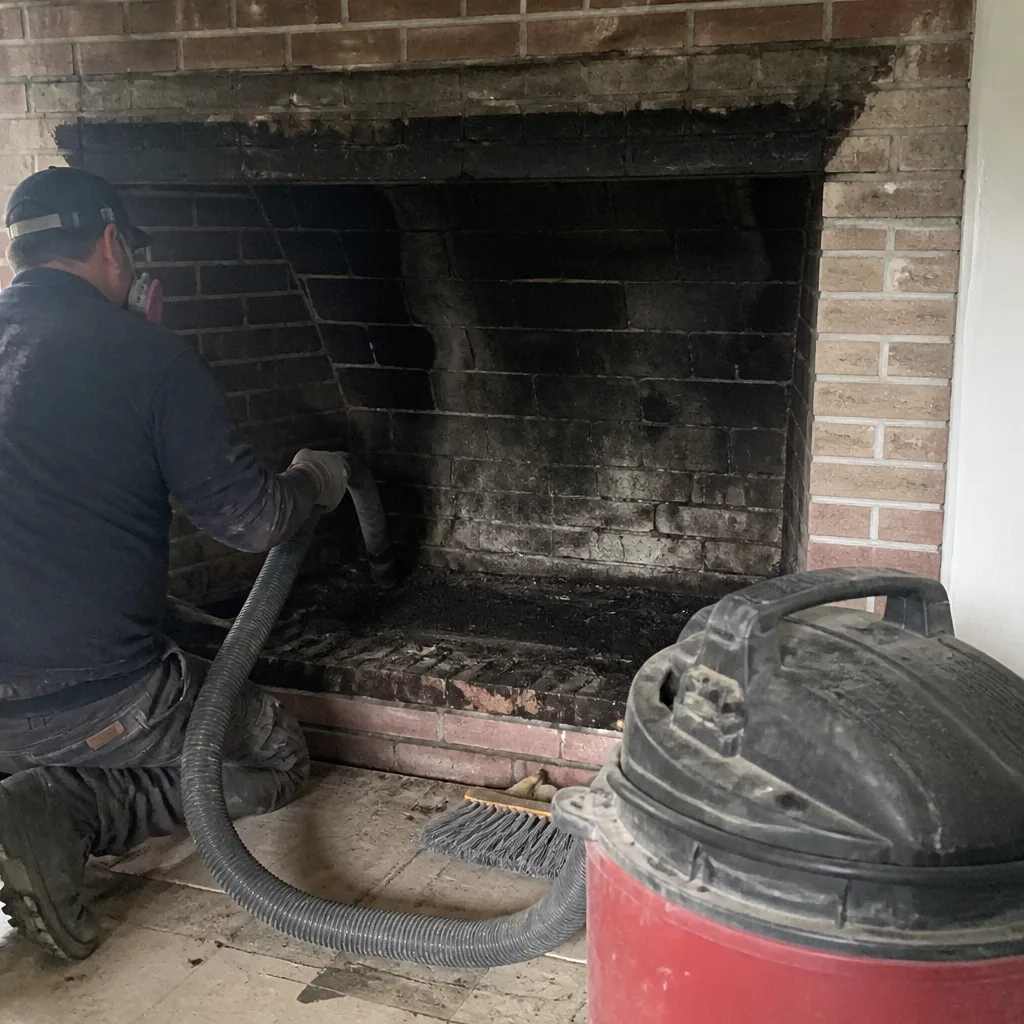 Before
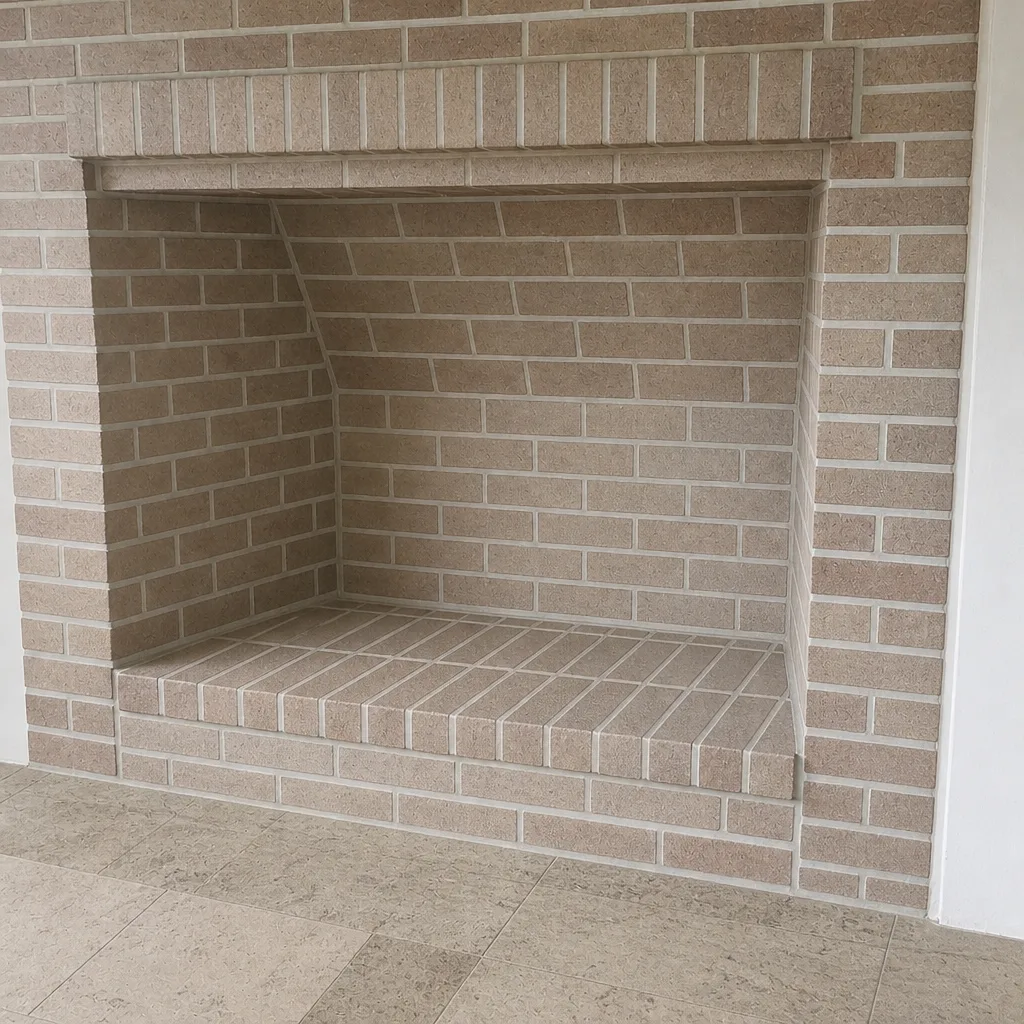 After
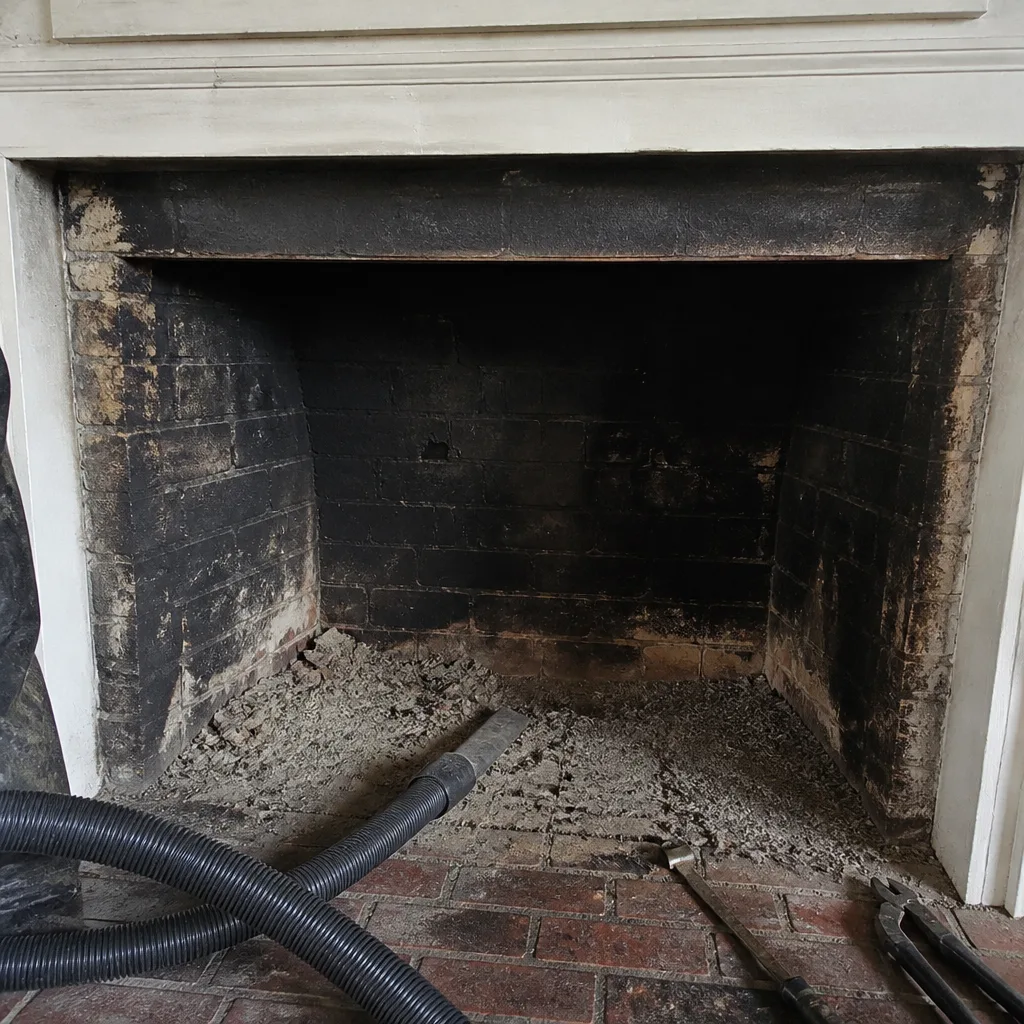 Before
 After
 Before
 After
When to Call a Professional
Call a professional if you haven’t had the system inspected within the last year, if you burned more than two cords last winter, if you see smoke backing into the room, or if you smell a strong odor from the firebox when it’s not in use. Call if the cap is missing or damaged, if you’re selling the home, or if you’ve installed a new liner. Call if the chimney has taken a storm impact or if you’ve switched fuels. A routine Chimney Sweep North Hills visit covers the annual check and the cleaning together, and one specialist team handles the sweep, the inspection, the cap, the crown, and any liner or fireplace repair you need. Chimney Sweep North Hills offers free estimates in North Hills, so call (877) 770-1236 to book one. We answer 24/7, with fast dispatch from 7am to 7pm.
Frequently Asked Questions
Most North Hills homes need a sweep and a Level 1 inspection once a year. If you burn more than two cords of wood in a season, or your wood isn’t fully seasoned, plan a mid-season sweep on top of the annual visit. Call (877) 770-1236 for a free estimate and a schedule built around your actual burn habits.
A Level 1 inspection is the routine annual check of the accessible system. A Level 2 goes further, covering accessible parts of the attic and crawlspace and using a camera inside the flue when needed, and it’s required whenever the system has changed, the home is being sold, or the chimney has taken an impact. Ask for the level you need by name. Call (877) 770-1236 for a free estimate.
September is the right target for the pre-season visit. It puts the work ahead of the first cold snap and ahead of the autumn booking crunch, and it gives you time to handle any repair before the burn season starts. The season-end visit is best in early spring, before the warm schedule fills. Call (877) 770-1236 to get on the list.
Yes. A gas fireplace still has a chimney and a venting system, and both need annual inspection. The creosote question is smaller with gas, but the venting, the cap, and the firebox still need checking. Call (877) 770-1236 for a free estimate.
Look for a missing or rusted cap, cracking or crumbling across the crown, or water staining on the masonry below. A damaged cap or crown lets water and wildlife into the flue. We stock Famco and Copperfield products, so a cap or crown replacement usually resolves in a single visit. Call (877) 770-1236 for a free estimate.
Creosote keeps accumulating in the flue between visits, and a heavier layer is a genuine fire hazard. You also lose the one inspection that catches small problems before they become structural repairs. A sweep that costs a little now prevents an expensive liner or masonry repair later. Call (877) 770-1236 for a free estimate.
The Bottom Line
A real chimney maintenance schedule is built around how much and what you burn, not just the calendar. Sweep and inspect before the season starts, time it in North Hills for September, close out in spring, and know when a Level 2 inspection is required. Plan the components on a 10-year horizon so the cap, crown, flashing, and liner don’t fail on you by surprise. Our technicians have up to 15 years of experience, and we work only with professional brands like DuraFlex, HeatShield, and Olympia Chimney. One team covers the sweep, the inspection, the cap, the crown, and any repair. Call (877) 770-1236 for a free estimate.
Written by the team at Chimney Sweep North Hills.