
Last updated November 24, 2026
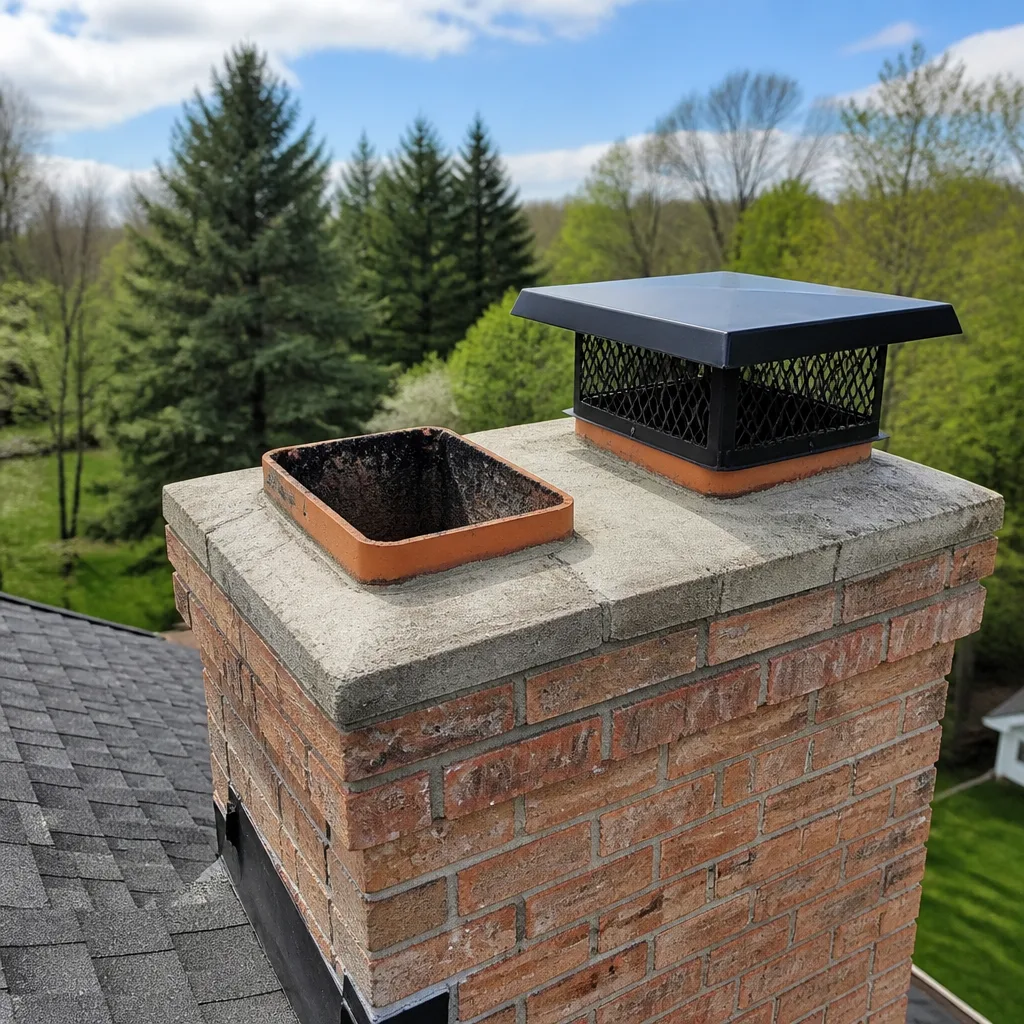 Sweep & inspection
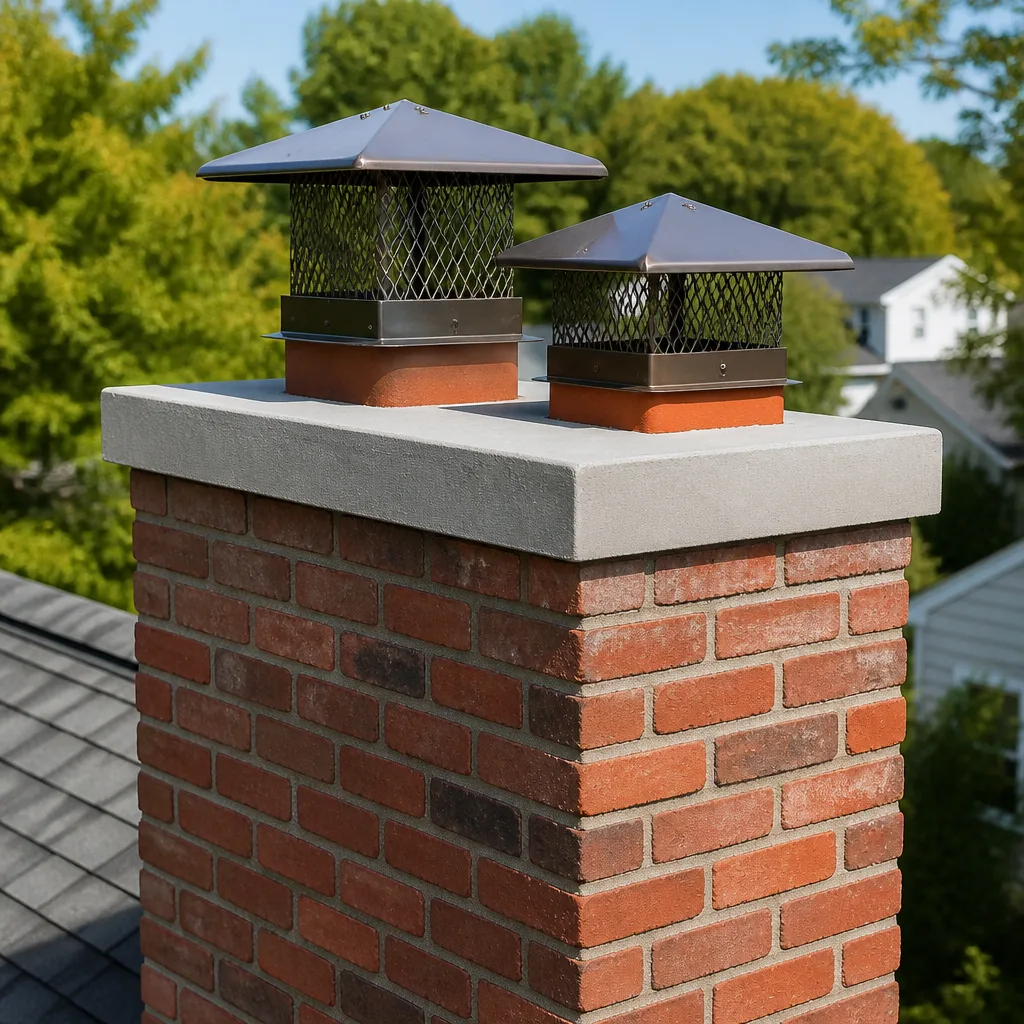 Caps & crowns
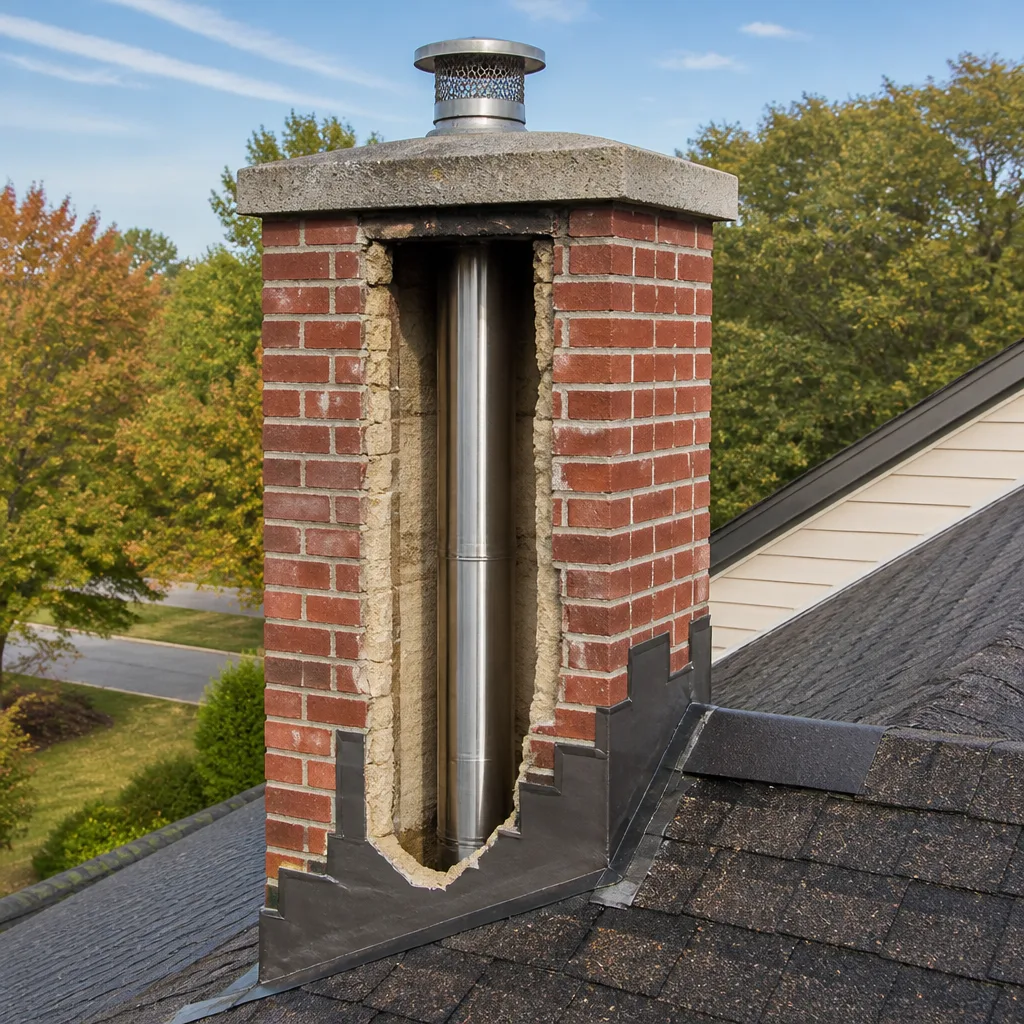 Flue relining
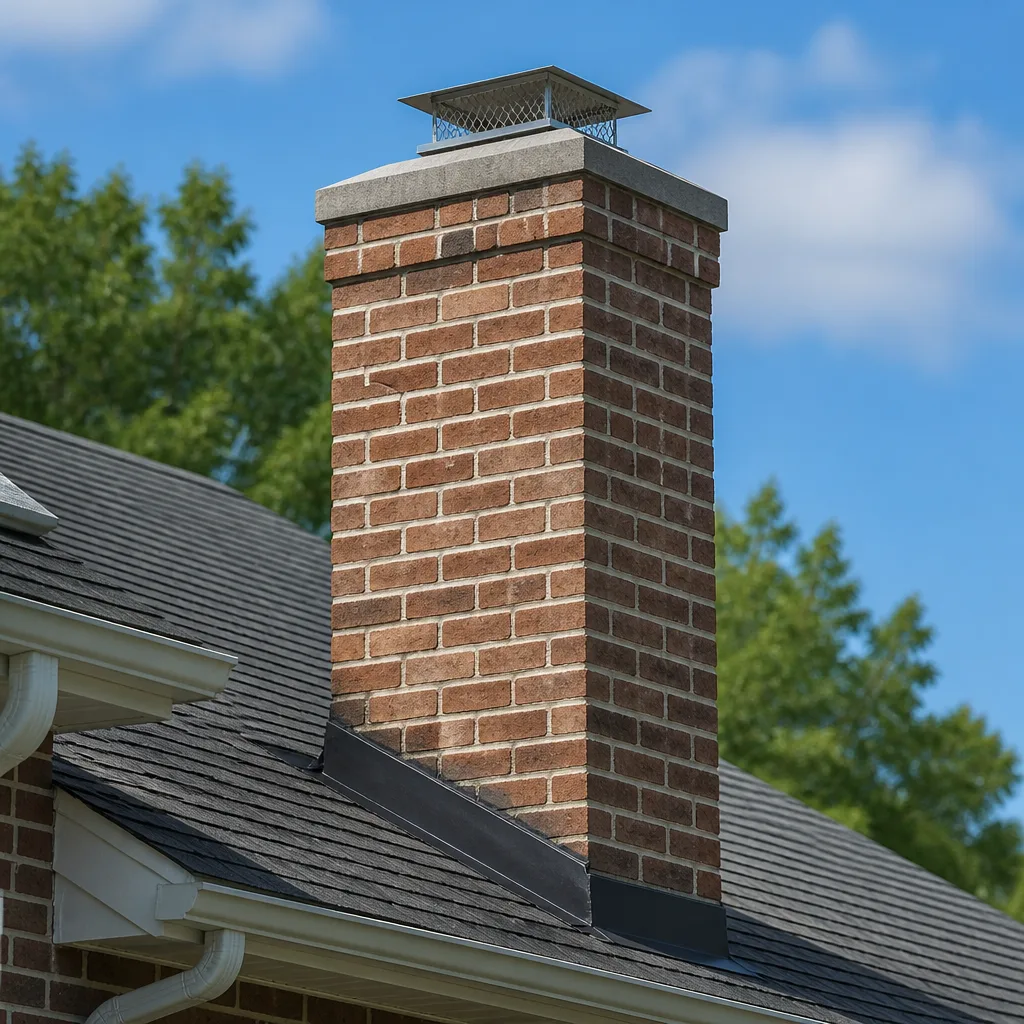 Masonry repair
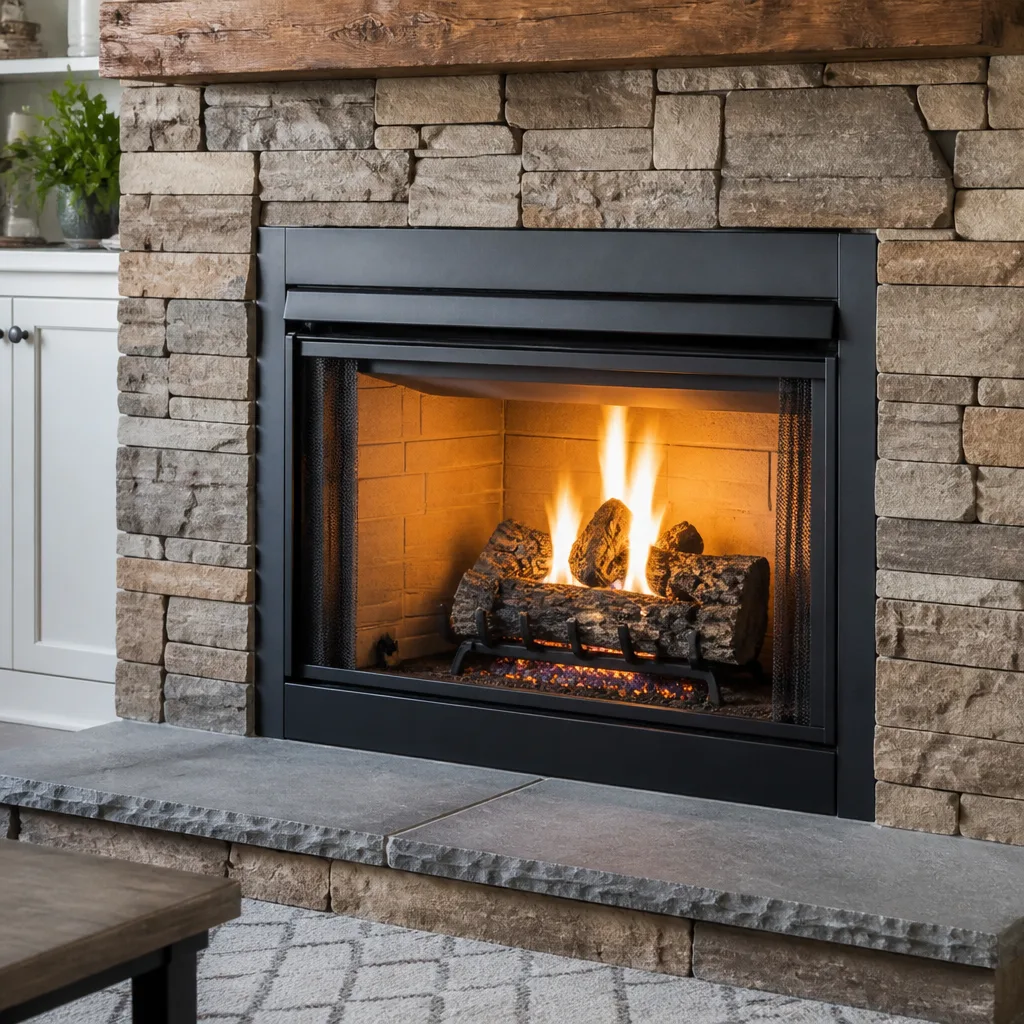 Gas fireplace service
Level 1 sweep and inspection to the NFPA 211 annual standard - flue, crown, cap, and flashing checked and photographed
Chimney sweep logs do not sweep chimneys. They loosen some creosote - which then falls where a brush and vacuum still have to collect it.
Choosing the Right Chimney Cleaning Brand: A Buyer’s Guide for North Hills
The chimney cap on the shelf at a big-box store and the stainless cap a professional chimney contractor installs can look identical in a photo. The difference shows up later, not on the day of purchase. It shows up after a few Piedmont winters, when one is pitted and rusting and the other is still doing its job. Most North Hills homeowners never get a clear look at that gap because nobody explains the product landscape before work begins. This guide closes that gap. You’ll learn how cap, crown, liner, sealant, and creosote products actually differ, what to ask a contractor before they start, and how to tell professional-grade materials from commodity substitutes.
Quick Answer
The right chimney products are the ones a specialist specifies for your specific flue condition, sourced from professional supply houses rather than general retail shelves. In North Hills, that usually means stainless or copper caps over galvanized, vapor-permeable masonry sealants over generic water sealers, and liner decisions made only after a camera inspection shows what’s actually inside the flue. Brand matters because materials that look the same at purchase age very differently in Piedmont humidity. The written estimate should name the products, and you should be able to see the reason for each one.
Styles & brands we work with
- Sweep & inspection
- Caps & crowns
- Flue relining
- Masonry repair
- Gas fireplace service
Table of Contents
- Why Brand Choice Matters More Than Most Homeowners Expect
- Chimney Caps: Galvanized vs Stainless vs Copper
- Crowns and the Piedmont Freeze-Thaw Cycle
- Creosote Treatments: What They Can and Can’t Do
- Liner Systems: HeatShield vs Flexible Stainless vs Cast-in-Place
- Sealants and Waterproofing: Why Vapor-Permeable Matters
- How to Tell Professional-Grade Materials From Commodity Products
- Questions to Ask Before Work Begins
Why Brand Choice Matters More Than Most Homeowners Expect
Two products can share a category, a shape, and a price range, and still behave nothing alike once they’re installed on a North Hills roof. A cap is a good example. Galvanized steel and stainless steel both resist water on day one, but galvanized carries a zinc coating that thins over time, and in a climate with real seasonal moisture it can start to corrode within a handful of years. Stainless holds up far longer. Copper outlasts both but costs more up front and develops a patina that some homeowners love and others don’t.
This pattern repeats across the whole chimney system. A generic masonry sealer and a vapor-permeable breathable sealer look the same in the bucket, but one traps moisture inside brick and the other lets it escape. A commodity flexible liner and a professional-grade kit like DuraFlex may both be stainless, but wall thickness, alloy, and the quality of the connection hardware differ in ways that matter over a decade of heating cycles.
That’s why we work from a trade-level brand roster rather than whatever a general retailer stocks. Products like DuraFlex, HeatShield, Gelco, and Copperfield are specified by chimney contractors because they’re built for the conditions a flue actually sees: heat, creosote, condensate, and freeze-thaw. When you’re evaluating any chimney company in North Hills, the brand names on the estimate tell you a lot about how seriously they take the materials side of the job.
None of this means the most expensive product always wins. It means the product should match the problem, and someone should be able to explain why a particular cap, liner, or sealant was chosen for your chimney rather than a generic alternative.
Chimney Caps: Galvanized vs Stainless vs Copper
A chimney cap does three jobs: it keeps rain out of the flue, it keeps animals and debris out, and it improves draft by directing exhaust away from the opening. The material you choose determines how long it does those jobs before it needs replacing. In North Hills, where summer humidity and winter moisture both work on metal, this is a decision worth getting right the first time.
Galvanized steel
The least expensive option. It carries a zinc coating that protects the steel until the coating wears thin, at which point rust takes hold. Galvanized caps are common on builder-grade homes and are fine as a short-term fix, but they’re not a long-term answer for a roof that sees real seasonal weather.
Stainless steel
The workhorse choice for most homeowners. Stainless resists corrosion far better than galvanized and holds its appearance for years. A stainless cap is the sensible middle ground: durable, reasonably priced, and matched to the lifespan of the chimney around it. Products like the stainless caps carried under the Copperfield and Famco lines are built for this kind of service life.
Copper
The premium option. Copper resists corrosion essentially indefinitely and develops a living finish that shifts from bright to brown to the familiar green patina over time. It costs the most up front. If the rest of your exterior has copper accents or you want a cap that will outlast the roof, copper earns its price.
How to choose
- Match the cap to your flue’s dimensions and the appliance it serves.
- Choose stainless unless budget forces galvanized or aesthetics justify copper.
- Confirm the cap includes a spark screen sized to the flue opening.
- Ask what brand and gauge the cap is before it’s ordered.
Cap replacement is one of the jobs our chimney cap & crown work covers, and it’s a good example of why product knowledge matters: a cheap cap that fails in a few years costs more over time than a stainless one installed once.
Crowns and the Piedmont Freeze-Thaw Cycle
The crown is the concrete or masonry cap at the very top of the chimney that sheds water away from the brick below. When it cracks, water gets into the structure, and in a Piedmont climate that water freezes and expands through the winter. Each freeze-thaw cycle widens the crack a little more. This is why crown damage tends to get worse faster than homeowners expect.
Crown materials fall into a few categories, and the choice affects how long the repair holds:
- Standard mortar crowns are the traditional approach. They work but are prone to hairline cracking as they cure and age.
- Flexible crown coatings and sealants bridge small cracks and accommodate movement, which suits the seasonal swing in North Hills.
- Cast or poured crown systems give a heavier, more durable cap with a defined overhang that sheds water well.
Whichever route fits your chimney, the crown needs a proper overhang and a slope away from the flue so water runs off rather than pooling. That detail matters more than the brand name on the bag. A crown installed without the right pitch will fail regardless of how good the material is.
Crown work also pairs naturally with cap work, since both involve getting up on the roof and addressing the top of the system at once. If a cap is missing or rusted through and the crown beneath it is cracked, fixing one without the other leaves the job half done. We stock Famco and Copperfield cap and cover products so a cap can usually be replaced on the same visit as the crown repair rather than requiring a second trip.
Creosote Treatments: What They Can and Can’t Do
Creosote is the tar-like residue that builds up inside a flue when wood burns. It comes in stages, from light soot to a sticky glaze to a hardened, glossy layer that’s genuinely difficult to remove. Chemical treatments like Anti-Creo-Soot are formulated to help with the early stages by making creosote more brittle so it brushes off more easily, or by slowing new buildup between sweeps.
Here’s what these products can do: they can make routine cleaning more effective, and they can reduce the rate at which new creosote accumulates when used as a supplement to regular sweeping. They’re a maintenance aid, not a substitute for mechanical cleaning.
Here’s what they can’t do: they won’t remove a heavy glaze on their own, and they won’t fix a flue that’s already overdue for a sweep. If creosote has built up to the glazed stage, the answer is mechanical removal by a technician, not a chemical product poured down the flue. Relying on a treatment bottle to solve a heavy buildup is one of the more common mistakes we hear about in North Hills, where long heating seasons mean creosote accumulates steadily.
Creosote matters because it’s flammable. A heavy buildup is the fuel a chimney fire needs. That’s the reason for annual sweeping, and it’s why a chemical treatment is best understood as a supporting tool rather than a fix. If you’re unsure what stage your flue is at, a camera inspection shows it clearly, and you can see the footage for yourself before deciding on any treatment.
Liner Systems: HeatShield vs Flexible Stainless vs Cast-in-Place
The liner is the barrier between the heat and gases inside your flue and the masonry around it. When a liner is cracked, deteriorated, or missing, the flue is unsafe to use until it’s addressed. The good news is there’s more than one way to restore a liner, and the right choice depends entirely on the condition a camera inspection reveals.
HeatShield resurfacing
HeatShield is a ceramic liner repair system applied to the inside of an existing flue to resurface deteriorated clay tile. It extends the life of a chimney without the cost and disruption of full relining. It’s the right answer for a flue with cracks, gaps, or spalling but sound overall structure. We apply HeatShield as a certified restoration option, and it’s a repair many local outfits simply can’t offer because they don’t carry the system.
Flexible stainless liner kits
A flexible stainless liner is a new flue inside the old one. Products like DuraFlex flexible liner systems are used when the existing flue is too damaged for resurfacing, when the chimney is being relined for a new appliance, or when a flue needs a properly sized, continuous liner from top to bottom. It’s a full relining solution rather than a resurfacing one.
Cast-in-place liners
Cast-in-place systems pour an insulating liner material around a form to create a new, seamless flue. They’re used in cases where the flue needs structural renewal and insulation beyond what resurfacing provides.
Matching the liner to the condition
- Start with a camera inspection so the condition of the flue is visible, not guessed.
- If tiles are cracked but the structure is sound, resurfacing with HeatShield is often appropriate.
- If the flue is too damaged, undersized, or being adapted to a new appliance, a flexible stainless liner like DuraFlex fits the job.
- If structural renewal and insulation are needed, cast-in-place is the route to consider.
The critical point: no liner decision should be made before the camera goes in. A contractor who recommends full relining without showing you the evidence is asking you to take a lot on faith. We include camera inspection and a photo report so you can see the flue condition yourself before any liner work is booked.
Sealants and Waterproofing: Why Vapor-Permeable Matters
Water is the biggest threat a masonry chimney faces, and in North Hills the seasonal moisture cycle makes waterproofing genuinely important. But the wrong sealer can cause as much harm as no sealer at all. The key concept is vapor permeability.
Brick and mortar are porous. They absorb moisture from rain and from the humid summer air, and they need to release that moisture as vapor when conditions dry out. A vapor-permeable sealer lets water vapor escape while blocking liquid water from getting in. A generic, non-breathable sealer does the opposite: it traps moisture inside the masonry. When that trapped water freezes in winter, it expands and spalls the brick face, and the damage can be worse than if the chimney had never been sealed.
This is where products like ChimneySaver differ from a bucket of generic masonry waterproofer at a home improvement store. The professional-grade sealants are formulated to be breathable so the masonry can dry outward. The generic products often aren’t, and the label doesn’t always make the distinction clear.
What to look for:
- A sealer labeled explicitly as vapor-permeable or breathable.
- A product intended for masonry, not a general-purpose concrete sealer.
- Application that respects the chimney’s need to dry, not a heavy film coat.
Waterproofing also works best after cracks and crown damage are repaired. Sealing over a failed crown just seals in the problem. The right sequence is repair first, then protect.
How to Tell Professional-Grade Materials From Commodity Products
You don’t need to become a materials expert to protect yourself. You need to know what to look at and what questions to ask. In our experience, the difference between a specialist and a generalist usually shows up in how they talk about products and where those products come from.
Signs of professional-grade sourcing
- The contractor names specific brands and can explain why each was chosen.
- Products come from chimney supply houses rather than general retail shelves.
- The estimate lists materials, not just labor.
- The technician can describe the difference between two products in the same category.
- Cap and crown work can be completed without a second trip because the parts are on hand.
Signs of commodity substitution
- Vague descriptions like “standard cap” or “sealer” with no brand or spec.
- Recommendations made without a camera inspection.
- A one-size-fits-all liner pitch before anyone has looked inside the flue.
- Products sourced from whatever’s closest rather than what fits the job.
We work from a chimney-only brand roster on purpose. When a company handles plumbing, HVAC, and roofing alongside chimney work, the chimney products tend to be whatever’s convenient rather than what’s specified for the trade. A specialist sources from the same supply houses the industry uses, which is why we stock DuraFlex, HeatShield, Gelco, Olympia Chimney, Famco, and Copperfield components.
Questions to Ask Before Work Begins
These questions separate a careful buyer from one who finds out about a product problem years later. Ask them before you book, and listen for whether the answers are specific.
- What brand and material are you recommending for my cap or crown, and why? A good answer names the product and explains the fit for your chimney and climate.
- Will you show me a camera inspection before recommending liner work? The answer should be yes, with footage or photos you can see.
- Is the sealant you’re using vapor-permeable? If they can’t answer, that’s a warning sign.
- Are you doing the sweep, inspection, cap, and repair work yourselves, or subcontracting? One specialist relationship from Chimney Sweep North Hills should cover the whole job.
- What’s the full scope in writing, and what does the written estimate set as the final price? The written estimate should be the number that governs.
- Can you tell me plainly what can wait and what shouldn’t? An honest contractor will tell you when a repair isn’t urgent.
That last question matters most. The real worry for many North Hills homeowners is being told they need expensive liner or masonry work they have no way to check. Nothing should be recommended without camera evidence you can see for yourself, and we’ll say plainly when a repair can safely wait.
Common Mistakes to Avoid
- Buying a cap on price alone. The cheapest galvanized cap often needs replacing well before a stainless one would. In North Hills humidity, that difference plays out over just a few winters.
- Sealing a chimney with a non-breathable product. Generic water sealers can trap moisture in the brick and cause spalling when it freezes. Vapor permeability isn’t optional in a freeze-thaw climate.
- Treating creosote with a chemical product when it needs mechanical removal. Treatments help at the margins; they don’t clear a heavy glaze. A sweep is the answer for real buildup.
- Accepting a relining recommendation without seeing the evidence. A camera inspection should come first, and you should see the footage. No camera, no commitment.
- Ignoring a cracked crown because the chimney still drafts. Draft can stay fine right up until water has done real damage to the masonry below. The crown is structural protection, not decoration.
- Mixing chimney work across several trades. When sweeping, liner work, and masonry repair come from different companies, nobody owns the whole system and product choices get inconsistent.
- Assuming all stainless caps and flexible liners are equal. Alloy, wall thickness, and connection hardware vary widely. The brand on the estimate tells you which end of the range you’re getting.
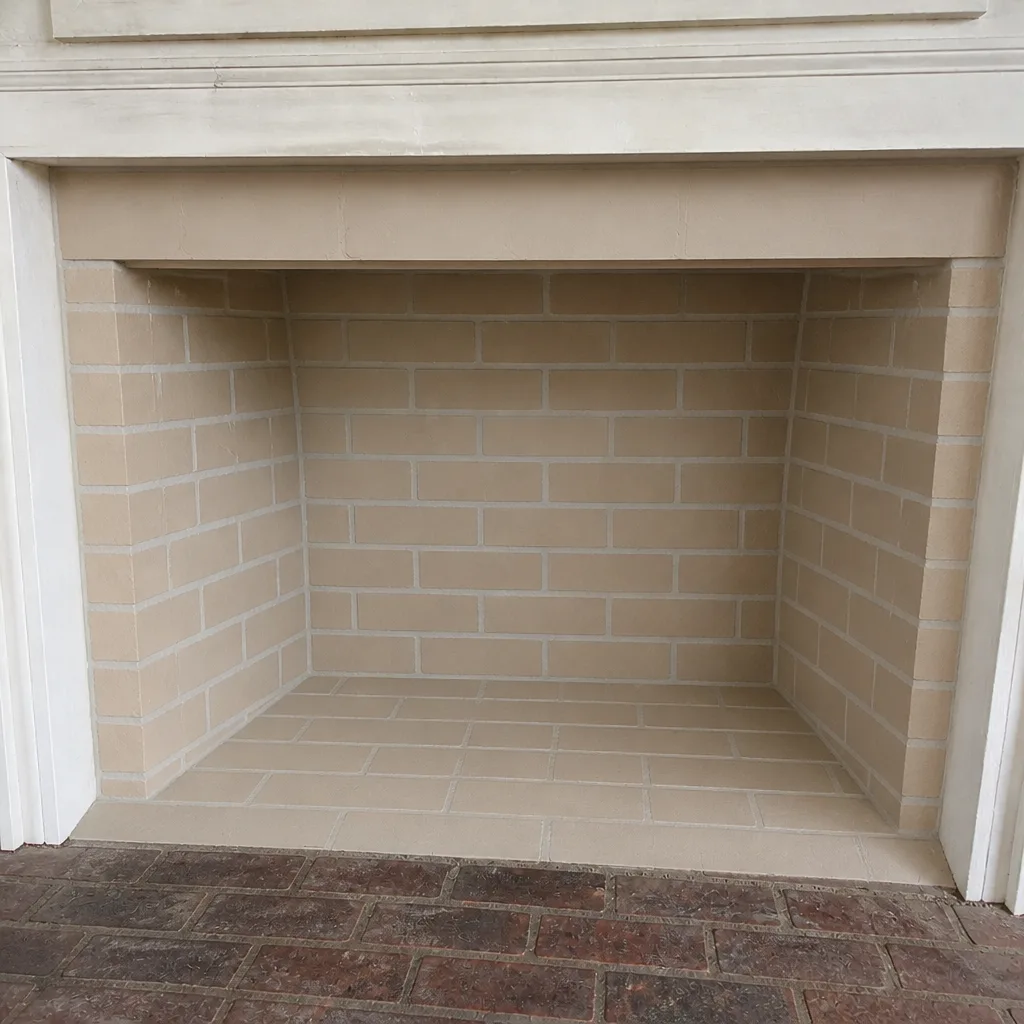
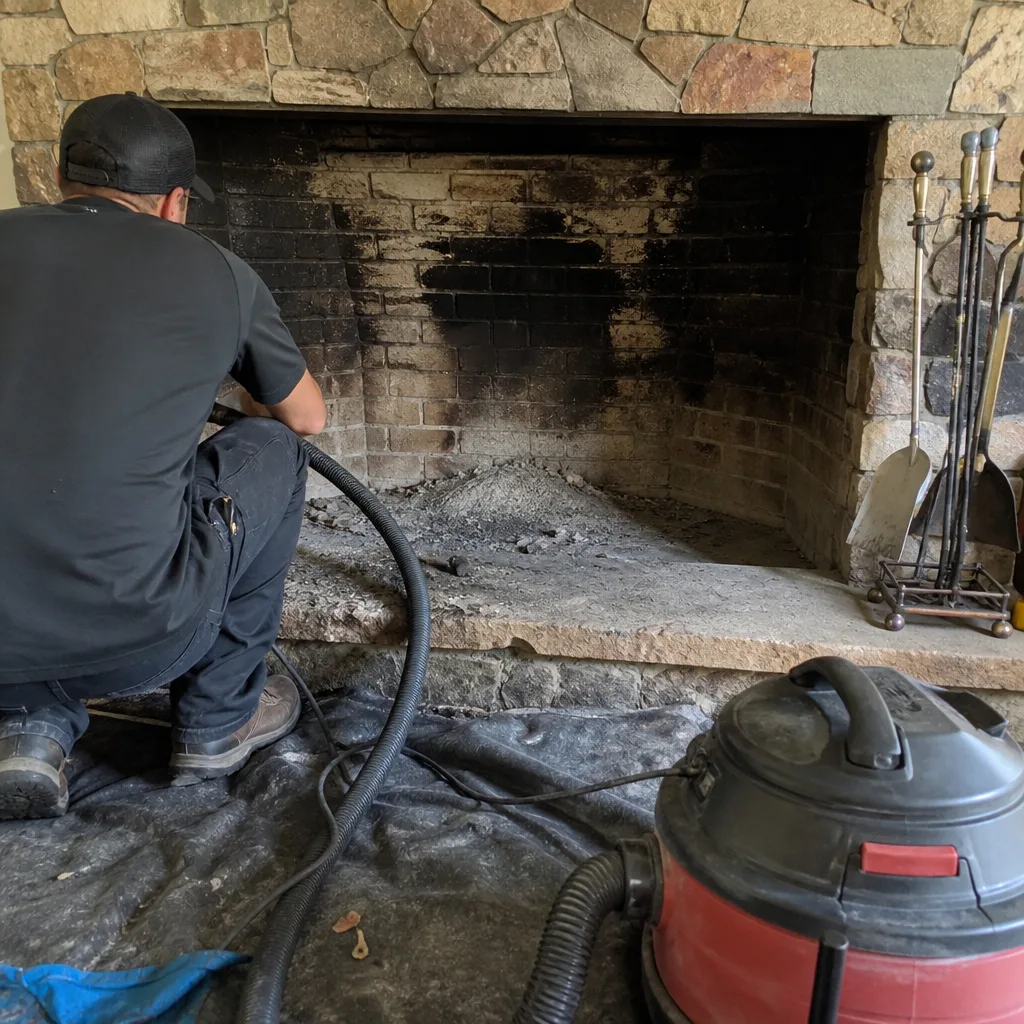
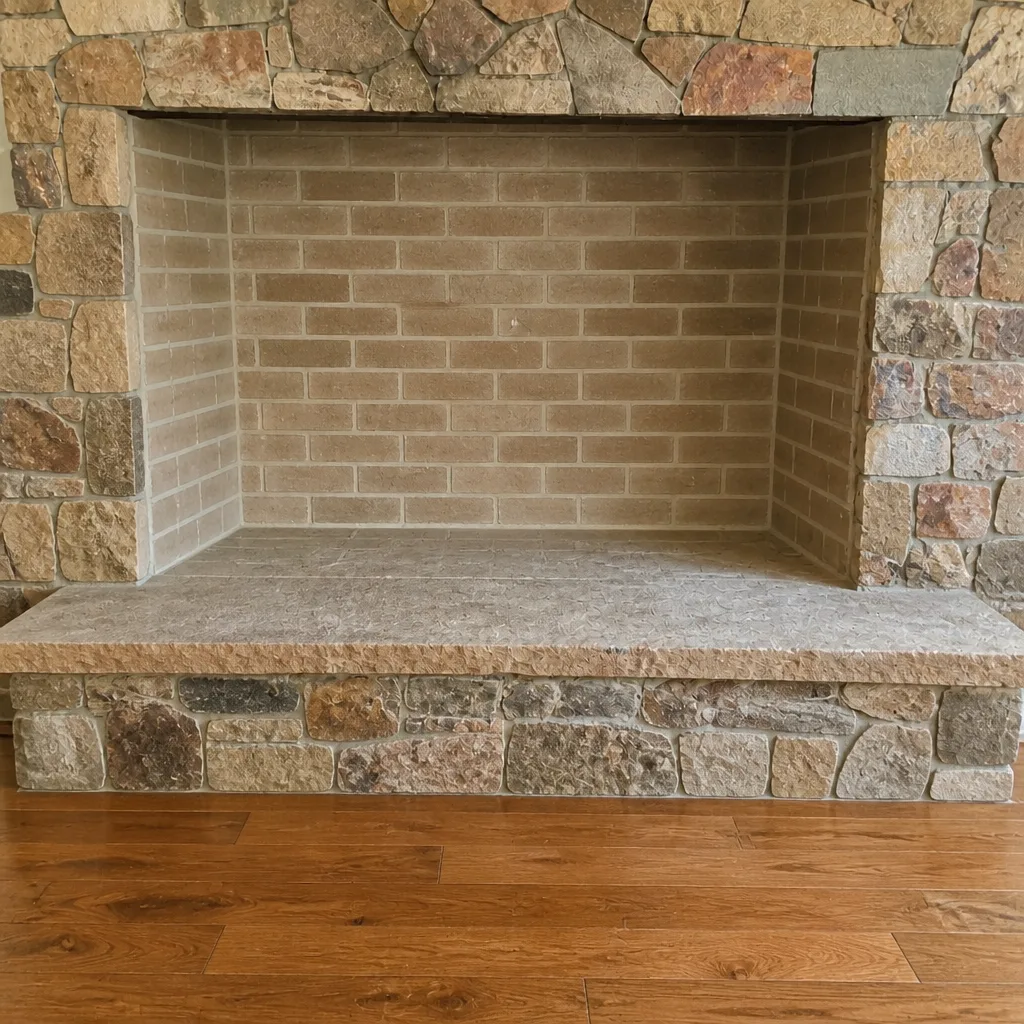
See the difference
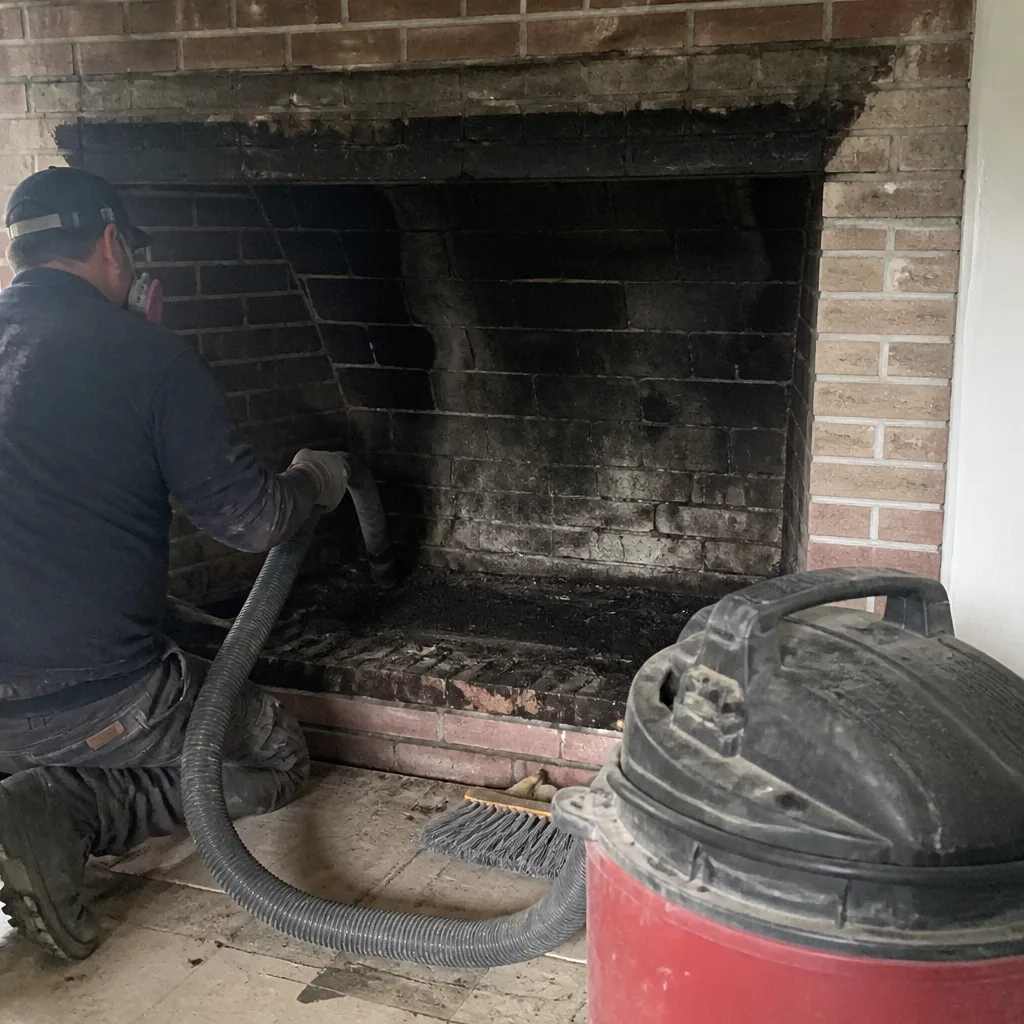 Before
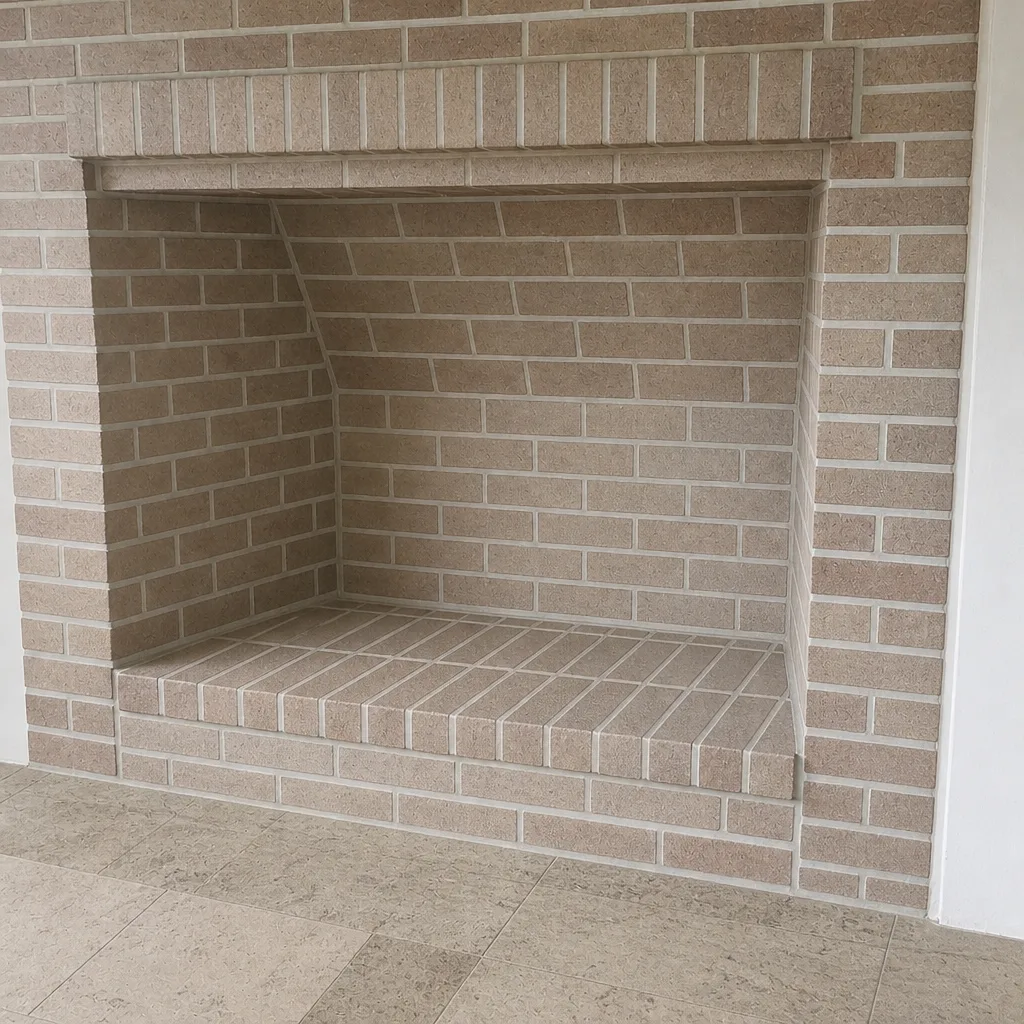 After
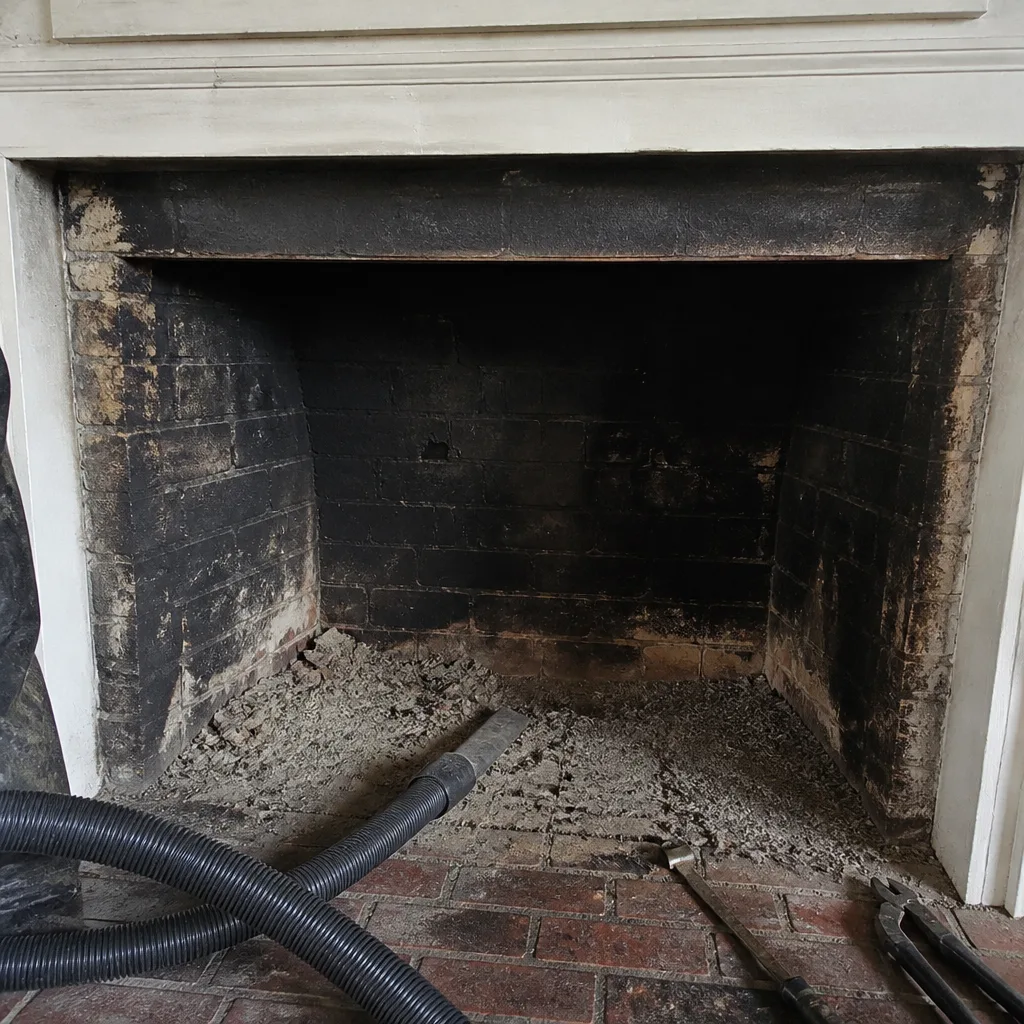 Before
 After
 Before
 After
When to Call a Professional
Some chimney work is genuinely a job for a trained specialist. Call us when you’re due for an annual sweep before the heating season, when you’ve noticed a cracked crown or a missing or rusted cap, when the firebox smokes into the room more than it used to, or when you’re considering liner work and want a camera inspection before committing to anything. Call us if you’ve been told you need a full reline and want a second look at what’s actually inside the flue. And call if you simply want to understand which products your chimney needs before deciding. Chimney Sweep North Hills offers free estimates in North Hills. Call (877) 770-1236. We answer 24/7. Fast dispatch from 7am to 7pm, Sunday through Friday.
Frequently Asked Questions
The right brands depend on the job, but the professional names worth knowing are DuraFlex for flexible stainless liners, HeatShield for ceramic resurfacing, Copperfield and Famco for caps and covers, and Gelco and Olympia Chimney for components. These are the brands chimney specialists specify, and they’re a strong signal of trade-level sourcing. Call (877) 770-1236 for an exact quote on your chimney: estimates are free.
Only if a camera inspection shows your existing liner is cracked, deteriorated, or missing. Many flues can be restored with HeatShield resurfacing instead of full relining, which costs less and avoids the disruption of a new liner. We won’t recommend liner work without showing you the evidence. Call (877) 770-1236 and we’ll book an inspection so you can see the flue condition yourself.
Galvanized is the least expensive and corrodes fastest, stainless is the durable middle ground most homeowners choose, and copper is the premium option that lasts longest and develops a patina. In a Piedmont climate with real seasonal moisture, stainless is usually the sensible choice. Call (877) 770-1236 for a free estimate on a cap that fits your flue.
Once a year for most wood-burning fireplaces, and more often if you burn heavily or notice creosote building up faster. Regular sweeping keeps creosote from reaching the flammable glazed stage. If you’re not sure when yours was last done, book a chimney sweep and we’ll tell you what the flue actually looks like. Call (877) 770-1236 for an exact quote: estimates are free.
No. Products like Anti-Creo-Soot can make creosote more brittle so it brushes off more easily, or slow new buildup between sweeps, but they can’t clear a heavy glaze. Mechanical sweeping is the only way to remove significant creosote. Call (877) 770-1236 to schedule a sweep and see where your flue stands.
Brick absorbs moisture and needs to release it as vapor. A vapor-permeable sealer blocks liquid water while letting vapor escape, so the masonry can dry. A non-breathable sealer traps water inside, which can spall the brick when it freezes. If a repair is needed before sealing, our fireplace repair work handles the firebox side of the system. Call (877) 770-1236 for a free estimate on waterproofing done right.
The Bottom Line
Brand choice in chimney products is a proxy for how carefully the whole job will be handled. Galvanized caps fail faster than stainless. Non-breathable sealers can damage the brick they’re meant to protect. Chemical creosote treatments support a sweep but never replace one. And liner decisions belong after a camera inspection, not before it. When a North Hills contractor names the products, shows you the evidence, and explains why each material fits your chimney, you’re dealing with a specialist. We use the same brands professional chimney contractors specify, and we’ll tell you plainly what can wait. Call (877) 770-1236 for a free estimate. We answer 24/7. Fast dispatch from 7am to 7pm, Sunday through Friday.
Written by the team at Chimney Sweep North Hills.