
Last updated November 24, 2026
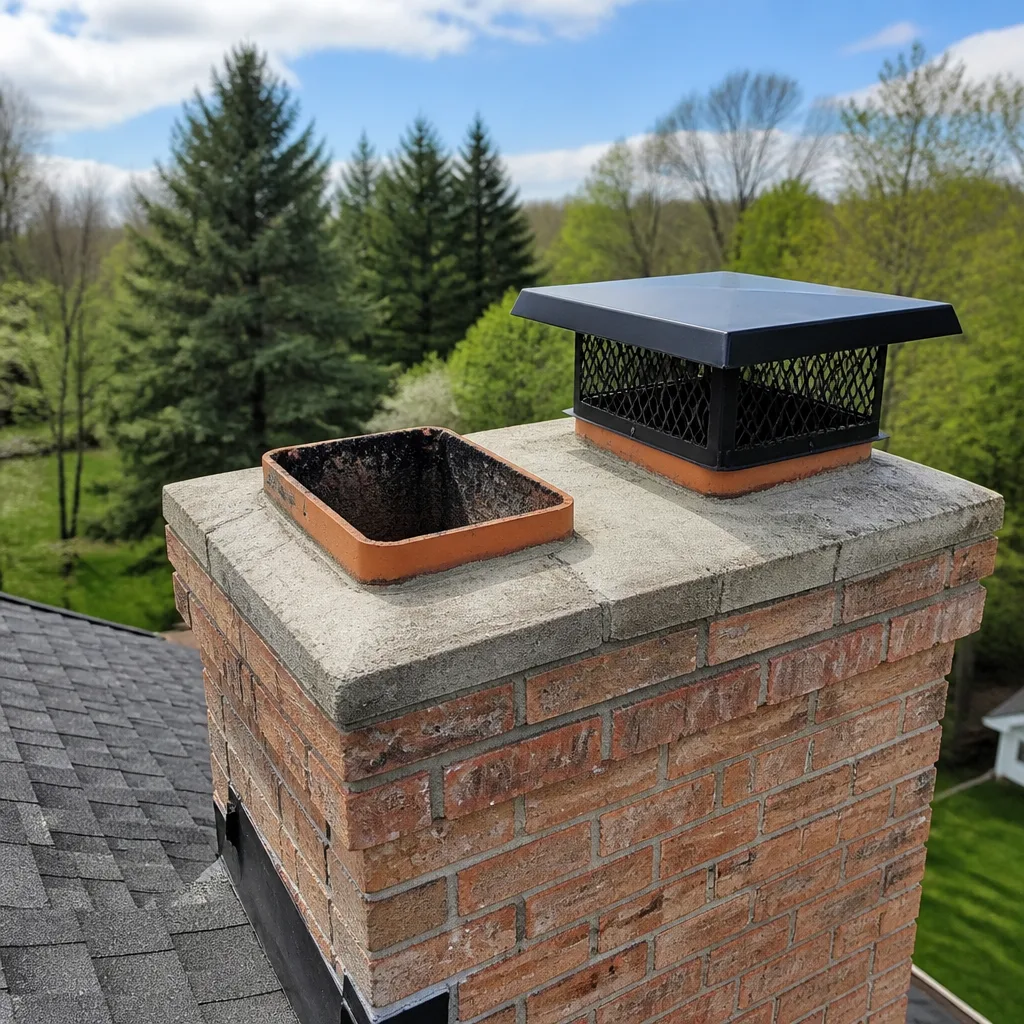 Sweep & inspection
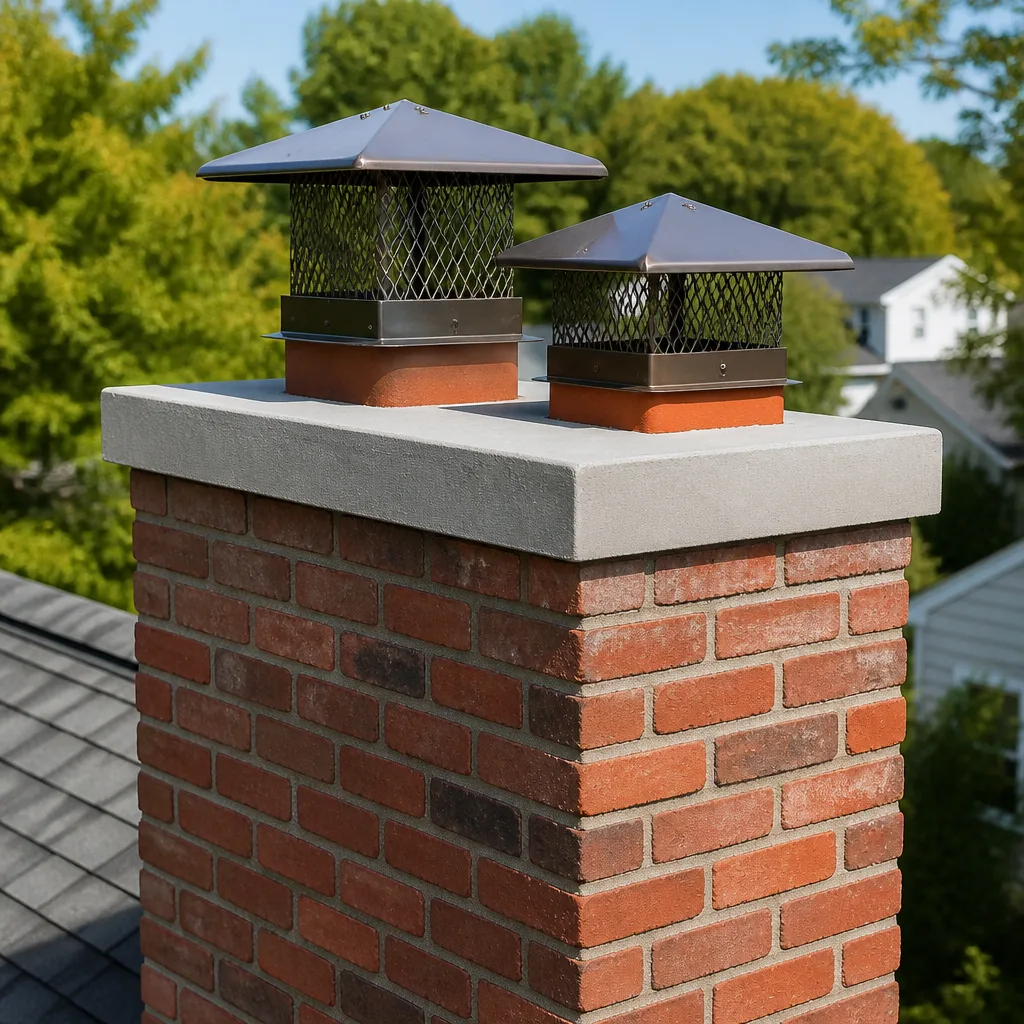 Caps & crowns
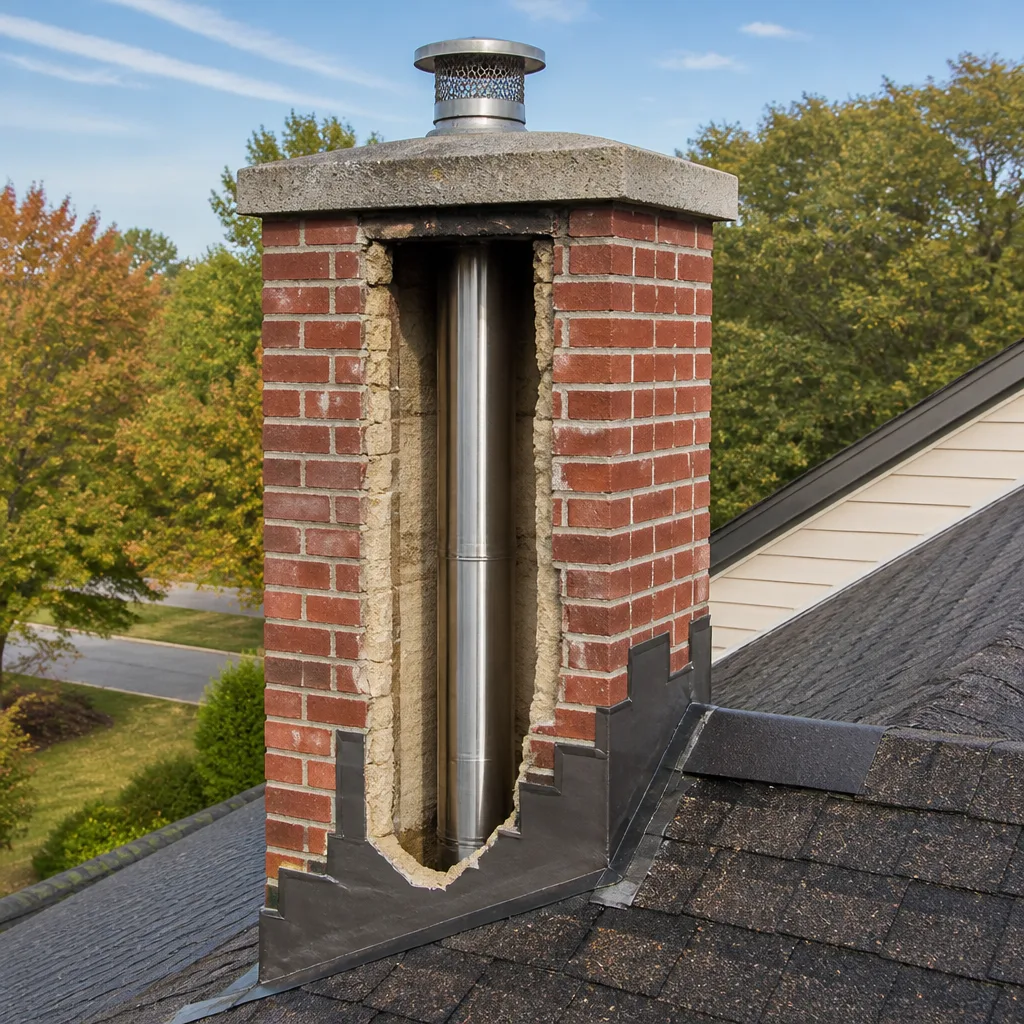 Flue relining
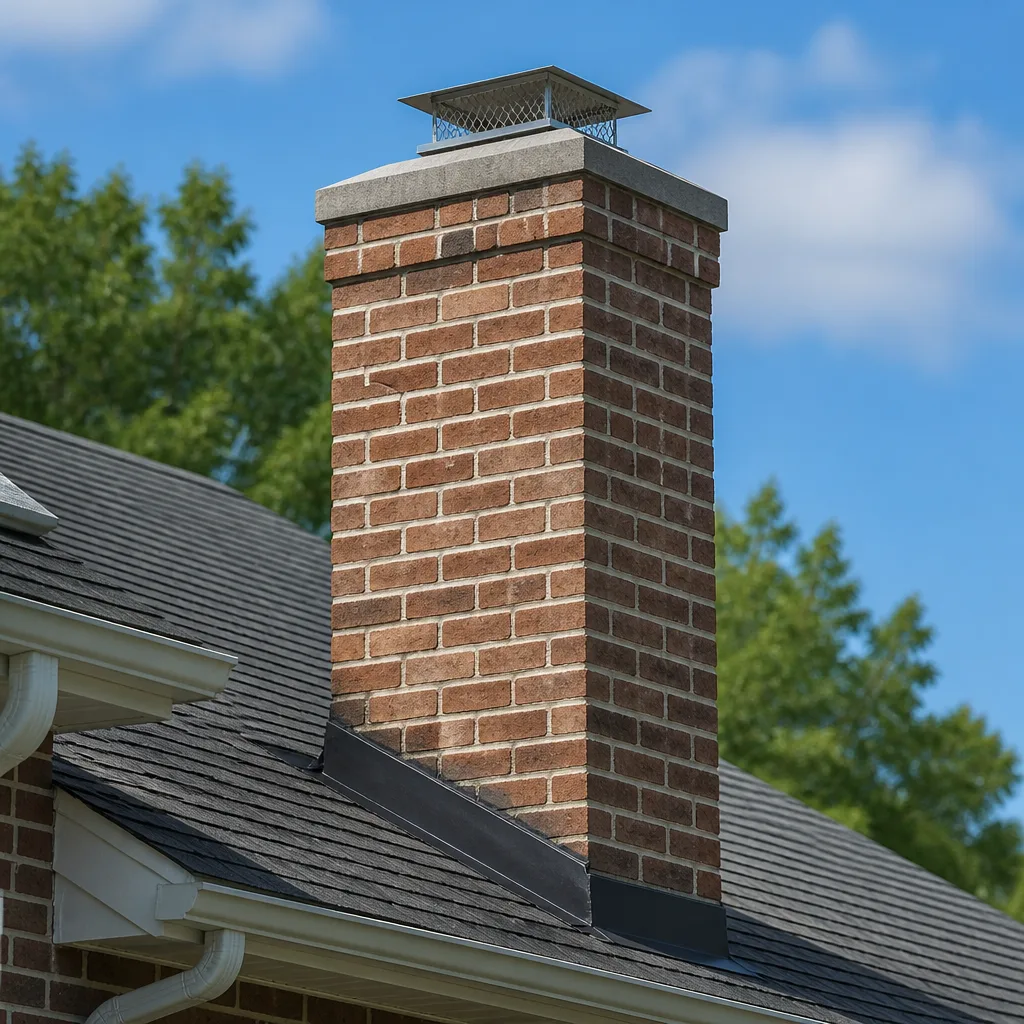 Masonry repair
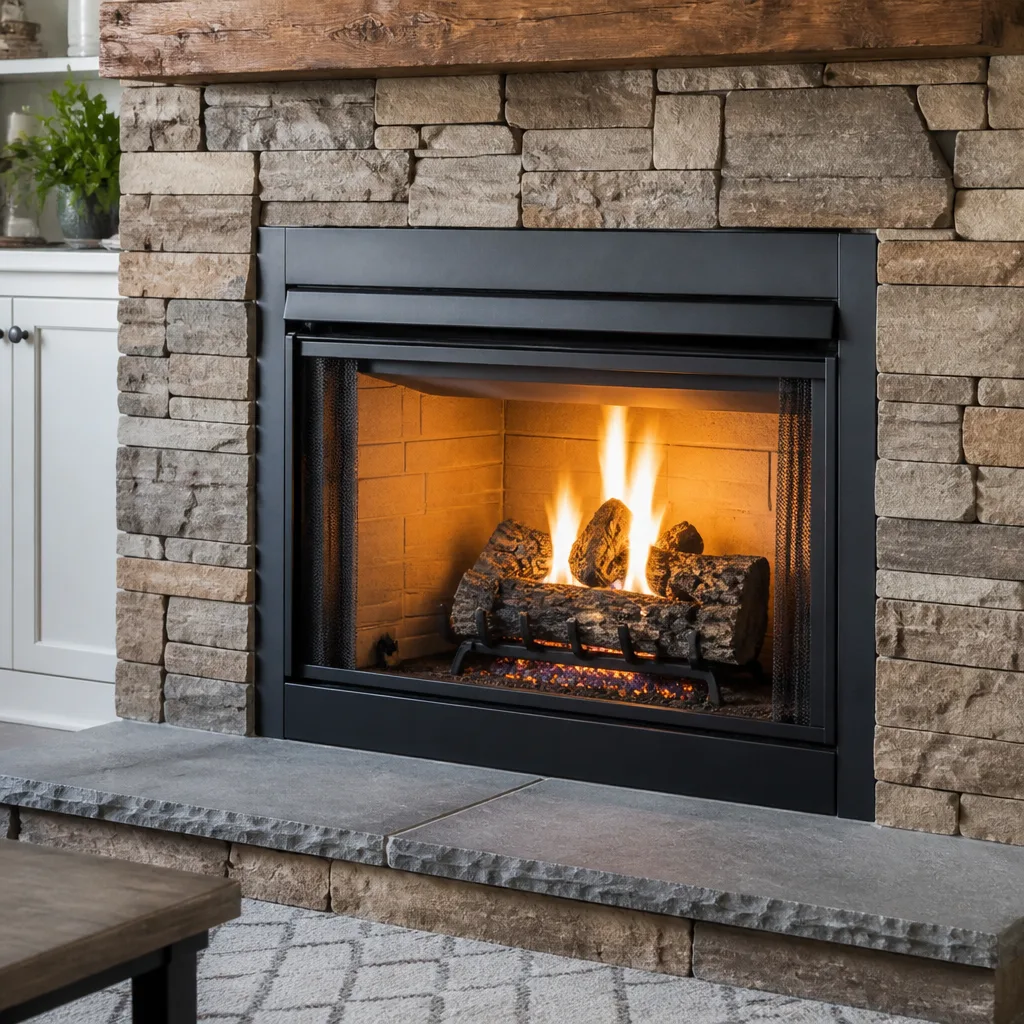 Gas fireplace service
Level 1 sweep and inspection to the NFPA 211 annual standard - flue, crown, cap, and flashing checked and photographed
Chimney sweep logs do not sweep chimneys. They loosen some creosote - which then falls where a brush and vacuum still have to collect it.
Chimney Sweep Troubleshooting in North Hills: Common Problems and How to Fix Them
If your fireplace smokes back into the room, the instinct is to open the damper wider. But in North Hills homes with tight modern insulation and sealed windows, the real culprit is often negative air pressure, not the chimney at all. Chasing that symptom with a wider damper or a taller flue can waste money and leave the real problem untouched. Most chimney issues homeowners try to self-diagnose are downstream symptoms of a single upstream cause, and treating the symptom while missing the root is exactly how a small repair becomes an expensive rebuild. This guide teaches you to read your chimney’s warning signs the way a specialist does: distinguish draft problems from blockages, decode what the smell is telling you, and know which issues you can safely monitor versus which need a professional. We’ll keep it specific to North Hills, where clay-heavy soil and tight building envelopes shape the problems we see.
Quick Answer
Most chimney problems in North Hills trace back to one of four root causes: negative air pressure from a tight house, a blockage (creosote, debris, or an animal nest), a flue sizing mismatch, or moisture getting into the masonry. The symptom (smoke, smell, staining, or a smoky firebox) rarely tells you which one you have. A professional inspection with camera evidence confirms the cause before any repair is recommended, and many issues can safely be monitored if you know what to watch for.
Styles & brands we work with
- Sweep & inspection
- Caps & crowns
- Flue relining
- Masonry repair
- Gas fireplace service
Table of Contents
- Smoke Backing Into the Room? Start With Air Pressure, Not the Damper
- Three Causes, One Symptom: Pressure, Blockage, or Flue Sizing
- What Your Chimney’s Smell Is Telling You
- White Staining on the Exterior: A Moisture Alarm, Not Cosmetic
- Why North Hills Clay Soil Matters for Your Firebox
- The Troubleshooting Decision Tree: Monitor, Repair Soon, or Stop Using It
- What an Inspection Actually Checks (and What It Doesn’t)
- Prevention: What Keeps a Chimney Out of Trouble
Smoke Backing Into the Room? Start With Air Pressure, Not the Damper
When smoke rolls out of the firebox instead of up the flue, the first thing most homeowners reach for is the damper. That’s understandable, and it’s usually the wrong lever. A damper that’s already fully open can’t open further, and if the house itself is pulling air down the chimney, no amount of damper adjustment fixes it.
Here’s what’s happening. A chimney drafts because warm exhaust gas is lighter than the cooler air outside, and because the house lets in enough replacement air to feed the fire. In older, draftier homes, that makeup air leaks in around windows and doors without anyone thinking about it. In North Hills homes built or tightened up in the last couple of decades, weatherstripping, spray foam, and sealed combustion appliances have closed those leaks. When a bath fan, kitchen exhaust hood, or clothes dryer runs, it pulls air out of the house faster than the house can replace it. The path of least resistance for incoming air becomes your chimney, and smoke comes down instead of going up.
Signs that point to negative pressure rather than a chimney defect:
- The fireplace smokes mainly when another exhaust fan is running, or when the furnace or water heater kicks on.
- Smoking is worse on cold, still days and better when a window is cracked open slightly.
- The fire starts hard and the smoke smell lingers in the room even after the fire is out.
- More than one appliance in the house shares the same pressure problem (a backdrafting water heater is a serious warning sign).
If you crack a window near the fireplace and the smoking stops, that’s a strong hint the house is the problem, not the flue. The fix might be as simple as a dedicated outside air supply, or it might call for a properly sized cap and a professional pressure check. It’s also possible for a real blockage to mimic this, so confirming which one you have matters before spending anything. If you’re not sure, a chimney sweep with a camera inspection will tell you whether the flue is clear and whether pressure is the real issue.
Three Causes, One Symptom: Pressure, Blockage, or Flue Sizing
Smoke backing up is the most common complaint we hear, and it has three very different root causes. Each needs a different fix, which is why guessing wastes time and money. Here’s how to tell them apart.
1. Negative air pressure
Covered above: the house is too tight and other exhaust appliances are pulling air down the flue. The chimney itself may be perfectly clean and correctly sized. Fixes range from an outside air kit to balancing the house’s ventilation. No amount of sweeping cures it.
2. A blockage
Creosote buildup, a bird or squirrel nest, a fallen cap, or a collapsed flue tile can all narrow or block the flue. A blockage typically causes smoking that doesn’t depend on which appliances are running, and it often gets steadily worse over weeks. The only reliable way to confirm a blockage is a camera inspection of the flue. Never try to clear a blockage by dropping anything down the chimney; you can damage the flue lining or lodge the obstruction tighter.
3. A flue sizing mismatch
If the flue is too large for the firebox opening or the appliance, the exhaust gas cools before it reaches the top, loses its buoyancy, and stalls. Oversized flues are surprisingly common in homes where a fireplace was converted or an insert was added without resizing. Symptoms include a fire that’s hard to keep going, smoke that spills when you first light it, and a flue that’s cool to the touch near the top even during a fire.
Three symptoms, three fixes. A pressure problem won’t respond to a sweep, a blockage won’t respond to an outside air kit, and a sizing mismatch won’t respond to either. That’s why we lead with inspection and camera evidence: it’s the only way to know which of the three you’re facing before anyone recommends a repair. In our experience, homeowners who skip that step end up paying twice.
What Your Chimney’s Smell Is Telling You
Chimney odors aren’t random. Each smell profile points to a different cause, and learning to read them is one of the most useful troubleshooting skills a homeowner can develop. Four distinct odors, four different problems:
Sharp, acrid, tar-like smell
This is a creosote signature, and it’s the one to take seriously. Fresh creosote has a smoky, ashy smell, but as it ages and glazes, it turns sharp and tarry. A strong tar smell, especially on warm days when the chimney isn’t in use, means creosote has built up to a stage that’s ready to burn. Glazed creosote is the most flammable kind and the leading contributor to chimney fires. If you smell tar, stop using the fireplace until it’s inspected.
Musty, damp, or earthy smell
That’s moisture. Water is getting into the masonry, the crown, or the flue, and it’s not evaporating. The musty odor comes from damp mortar, rusting metal, or organic growth in the chimney. Moisture intrusion is almost always a sign of a failing crown, a missing or damaged cap, or cracked flashing at the roofline. Left alone, it leads to spalling brick and, eventually, structural damage.
Ammonia, urine, or musky animal smell
A bird or mammal has moved in. Squirrels, birds, and raccoons nest in chimneys more often than people expect, and their droppings carry an unmistakable ammonia smell. The nest also blocks the flue, so this is a two-part problem: animal removal and then a full inspection to check for damage and debris.
Smoke smell long after the fire is out
Smoke that lingers for hours, or smoke smell in the room when there’s no fire, usually points to negative pressure pulling smoke back down, or to a flue that isn’t drafting properly. It can also signal a creosote buildup that’s releasing fumes. A cracked crown or missing cap can let smoke drift back down instead of out.
If you can’t place the smell, don’t guess. Each of these points to a different repair, and the wrong fix makes the problem worse. A sweep and inspection gives you a camera look at exactly what’s going on. If the smell points back to the firebox or a draft issue, our fireplace repair service handles the flue and firebox side in the same visit.
White Staining on the Exterior: A Moisture Alarm, Not Cosmetic
That chalky white residue on the outside of your chimney is called efflorescence, and it’s one of the most misunderstood warning signs in the trade. Homeowners often treat it as a cosmetic nuisance, something to scrub off before a party. It’s actually the masonry telling you water is moving through it.
Here’s the mechanism. Brick and mortar are porous; they absorb water from rain, snow, and the moisture in the air. As that water migrates through the masonry and evaporates at the surface, it carries dissolved mineral salts with it. When the water evaporates, the salts crystallize on the surface as white powder. The visible powder is only the part that made it out. The water still inside is the real problem.
What efflorescence predicts, if ignored:
- Spalling brick. When moisture freezes inside the brick, it expands, and repeated freeze-thaw cycles flake the face off the brick. Once the face is gone, the brick can’t be repaired cosmetically; it has to be replaced.
- Deteriorating mortar joints. Wet mortar softens and crumbles, which weakens the whole chimney structure.
- Rusting dampers and firebox components. Metal parts inside the chimney rust when the flue stays damp, and a rusted damper is a real safety concern.
- A failing crown or missing cap. Efflorescence often traces back to water entering at the top: a cracked crown, failed flashing, or an open flue with no cap. A cap and crown that sheds water properly stops the cycle.
The good news: caught early, efflorescence is a manageable moisture problem, usually solved by repairing the crown, installing a proper cap, and sealing the masonry correctly. Caught late, it’s a rebuild. Our chimney cap & crown work addresses the source at the top, using Famco and Copperfield components so a failing crown or missing cap is resolved in one visit rather than rescheduled. We’ve also seen efflorescence mistaken for bloom, which is a harmless surface deposit; the difference is whether the staining returns after weather. If it keeps coming back, it’s moisture.
Why North Hills Clay Soil Matters for Your Firebox
Chimney problems don’t happen in isolation from the ground the house sits on, and in North Hills that ground matters more than most homeowners realize. The region’s clay-heavy soil is dense and slow to drain, which means it holds water and swells when wet, then shrinks and settles as it dries. That shrink-swell cycle, repeated season after season, moves the foundation slightly, and that movement shows up in the chimney structure.
Here’s what that means for your chimney in practical terms:
- Firebox crack patterns. When the chimney settles unevenly, the firebox and hearth can develop hairline cracks that follow the settling, often running horizontally across the back wall or diagonally at the corners. Vertical cracks in the firebox brick are a different animal and may indicate thermal damage. The direction of the crack tells you which is more likely.
- Crown cracks. The crown at the top of the chimney is a flat concrete slab, and it’s especially vulnerable to the same settling. Cracks in the crown let in water, which feeds the efflorescence cycle described above.
- Misaligned flue tiles. Settling can shift the flue tiles so gaps open between them, which lets exhaust gases escape into the chimney cavity instead of up and out. Those gaps won’t show up unless someone inspects the flue with a camera.
- Sticking or misaligned doors and dampers. If a metal fireplace door or the damper suddenly doesn’t close the way it used to, settling is often the reason.
This is the North Hills-specific angle that a general contractor might miss. Clay soil doesn’t just affect foundations; it affects the chimney that shares the same footing. When we inspect a North Hills chimney, we pay attention to crack direction and crown condition because those tell us whether we’re looking at a thermal issue or a settling issue, and the repair is different for each. If you’ve noticed a new crack and the chimney hasn’t had a proper look in a while, an inspection is the right first step.
The Troubleshooting Decision Tree: Monitor, Repair Soon, or Stop Using It
The most useful skill in chimney troubleshooting is knowing how urgent a problem is. Not every issue needs a call today, but some absolutely do. Here’s the framework we use, broken into three tiers so you can place your situation accurately.
Tier 1: Safe to monitor
- A small amount of white efflorescence that doesn’t return after a surface cleaning.
- Minor soot buildup on the firebox walls after a season of use.
- A little smoke smell that clears when the fire is burning well and a nearby window is cracked.
- Occasional hard starts on a cold morning, with no other symptoms.
These can generally be watched, but they still warrant a routine annual sweep and inspection. Monitoring means “keep an eye on it,” not “ignore it.”
Tier 2: Repair within 30 days
- Efflorescence that keeps returning after cleaning: moisture is active.
- A visibly cracked or crumbling crown.
- A missing or damaged cap.
- New horizontal or diagonal cracks in the firebox, or a settling-related crack you haven’t seen before.
- Smoke backing into the room when exhaust fans run, if you’ve confirmed there’s no active blockage.
- Animal smell in the chimney (once the animal is removed, the inspection and any damage repair should follow).
These problems are getting worse in slow motion. A month’s delay is unlikely to cause a catastrophe, but delay stretches a small repair into a larger one. Book it within the month.
Tier 3: Stop using the chimney now
- A strong tar or glazed-creosote smell that doesn’t clear; glazed creosote is highly flammable.
- Any sign of a chimney fire: a loud rumbling or popping noise, flames or sparks out the top, or a sudden sharp smell of burning tar.
- A blockage you can’t clear safely (a blockage can force carbon monoxide into the room instead of up the flue).
- Cracks in the flue itself that you can see, or a firebox crack you can’t identify the origin of.
- A carbon monoxide alarm going off near the fireplace.
In the Tier 3 cases, stop a fire and get a professional in before you burn again. Carbon monoxide is odorless, so a CO alarm is the only reliable warning, and the risk is real if a flue is blocked or cracked. If any of these describe your situation, call (877) 770-1236. We answer 24/7. Fast dispatch from 7am to 7pm, Sunday through Friday.
Numbered checklist for reading your own symptoms
- Smoke backing up? Check whether it happens only when a fan or appliance runs. If yes, suspect pressure. If no, suspect blockage or sizing.
- Strange smell? Match it to the four odor profiles above before assuming it needs a sweep.
- White staining outside? Check whether it returns after cleaning. If it does, it’s moisture.
- New cracks? Note the direction and location. Horizontal, diagonal, and vertical cracks all point to different causes.
- Fire hard to start, flue cool at the top during a fire? Suspect an oversized flue.
- Place the issue in one of the three tiers, then act accordingly.
What an Inspection Actually Checks (and What It Doesn’t)
Homeowners often think an annual sweep and an inspection are the same thing. They’re not, and knowing the difference saves you from paying for the wrong service.
Our inspections are aligned with the NFPA 211 inspection levels, which organize the work into three scopes:
- Level I: The routine annual inspection. It covers the readily accessible portions of the chimney and the connected appliance, checks the firebox, damper, and cap, and looks for creosote buildup and obvious obstructions.
- Level II: A more thorough inspection triggered by a change in the system (a new appliance, a conversion, a repair) or by a known problem. Level II includes a camera inspection of the flue to spot hidden cracks, gaps between tiles, and obstructions that can’t be seen from the firebox. This is the level that catches a settling-related flue tile gap.
- Level III: The most comprehensive scope, used when a hazard is suspected and access to concealed parts of the chimney is needed. Level III may require opening walls or removing components to look at the structure directly.
What a Level I doesn’t do: it won’t catch a hidden crack in a flue tile, an internal blockage you can’t see from below, or a settling-related gap in the chimney cavity. That’s why, when there’s a symptom, we go to the camera. It’s also why we recommend a Level II inspection after any change to the chimney or a conversion to a new appliance.
The other thing a good inspection includes is photo evidence you can look at yourself. The homeowner’s real hesitation is being told they need liner work or masonry repair they have no way to verify. Our answer to that is simple: nothing gets recommended without camera evidence you can see, and if the chimney can safely wait, we say so. That’s the core of how we work, and it’s why the estimate and the reasoning are yours to keep.
Prevention: What Keeps a Chimney Out of Trouble
Most of the problems in this guide are preventable, and the prevention isn’t complicated. It’s mostly a matter of annual maintenance and paying attention to the right signs.
- Schedule an annual sweep and Level I inspection. A yearly sweep clears creosote before it can glaze, and the inspection catches small problems before they grow. A chimney that’s swept every year rarely surprises its owner.
- Burn dry, well-seasoned wood. Green wood creates more creosote and produces less heat. Keep your wood split and stacked and let it dry thoroughly before you burn it.
- Keep a cap on the flue. A cap keeps out rain, animals, and debris, and it’s the cheapest insurance against a whole category of chimney problems. Our Famco and Copperfield cap products allow same-visit replacement, so a damaged cap doesn’t leave your flue open while you wait for a second appointment.
- Address moisture promptly. If you see efflorescence or a cracked crown, repair it before the next freeze. Water is patient and it always wins eventually.
- Watch the firebox for new cracks. Note the direction and location, and have it looked at if it’s new.
- Test your carbon monoxide and smoke alarms monthly. They’re the only reliable warning you’ll get for the hazards you can’t see or smell.
For a full breakdown of the sweep side of maintenance, our chimney sweep page covers what happens during a cleaning and how often to book one. If you’re starting fresh and want the big picture, start at Chimney Sweep North Hills to see how sweeping, inspection, and repair fit together.
Common Mistakes to Avoid
- Opening the damper wider when smoke backs up. A fully open damper can’t fix negative pressure, and the real cause will keep the problem coming back. Check whether a fan is running before you reach for the lever.
- Cleaning efflorescence and calling it solved. Scrubbing it off treats the symptom. If the water source (crown, cap, or flashing) isn’t fixed, the staining returns and the brick keeps deteriorating.
- Assuming a smell means a sweep is due. A musty smell points to moisture and a sharp smell points to glazed creosote; neither is fixed by sweeping alone. Match the smell to the cause first.
- Trying to clear a blockage by dropping something down the flue. You can crack the flue lining or wedge the obstruction tighter. Blockages need a camera and proper tools.
- Ignoring a cracked crown through the freeze-thaw months. North Hills winters bring repeated freezing and thawing, and a cracked crown lets water in to freeze inside the masonry. Repair it before the cold, not after the damage.
- Skipping the inspection because the fire seems to burn fine. A cracked flue tile or a settling gap doesn’t announce itself with a bad fire. The annual inspection is the only reliable way to catch what the fire won’t tell you.
- Assuming any chimney contractor will catch a pressure problem. A specialist knows to look for it; a generalist may not. A company that only does chimneys is going to think of it.
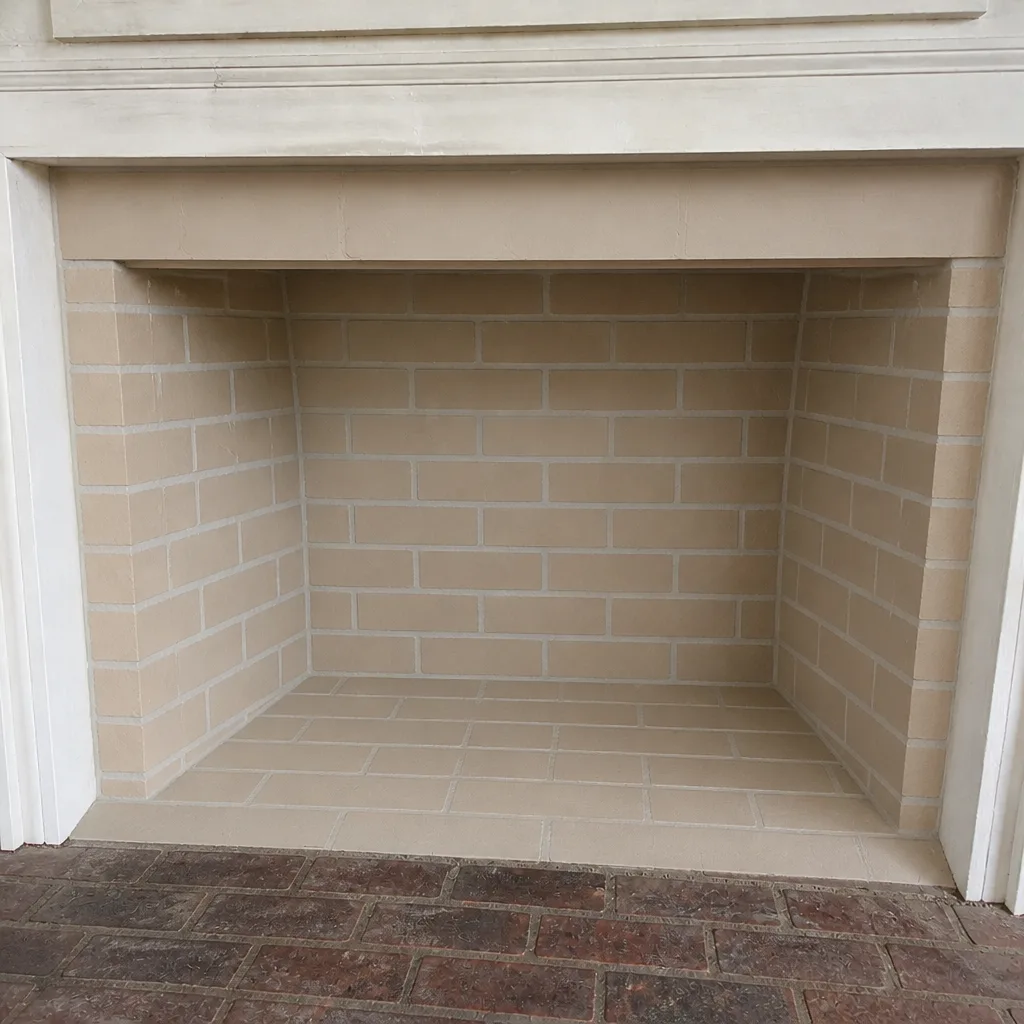
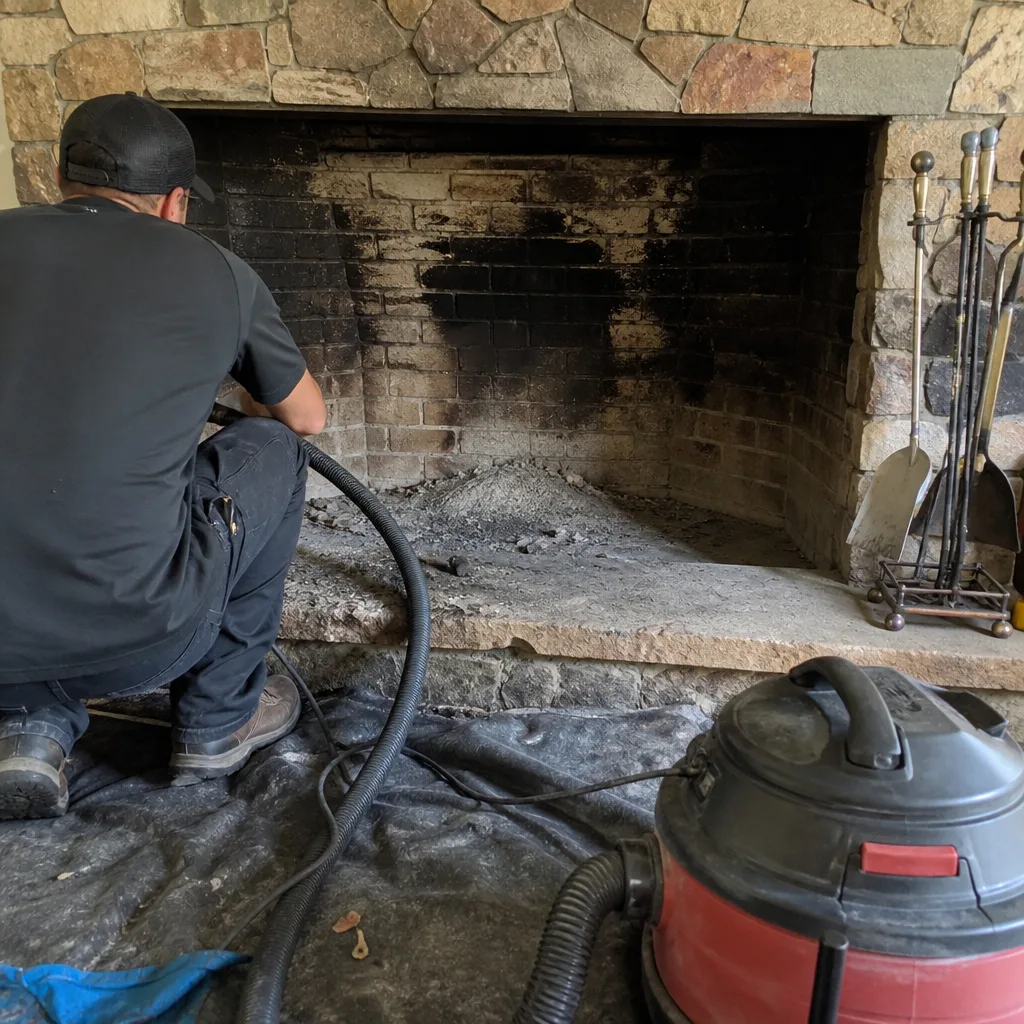
See the difference
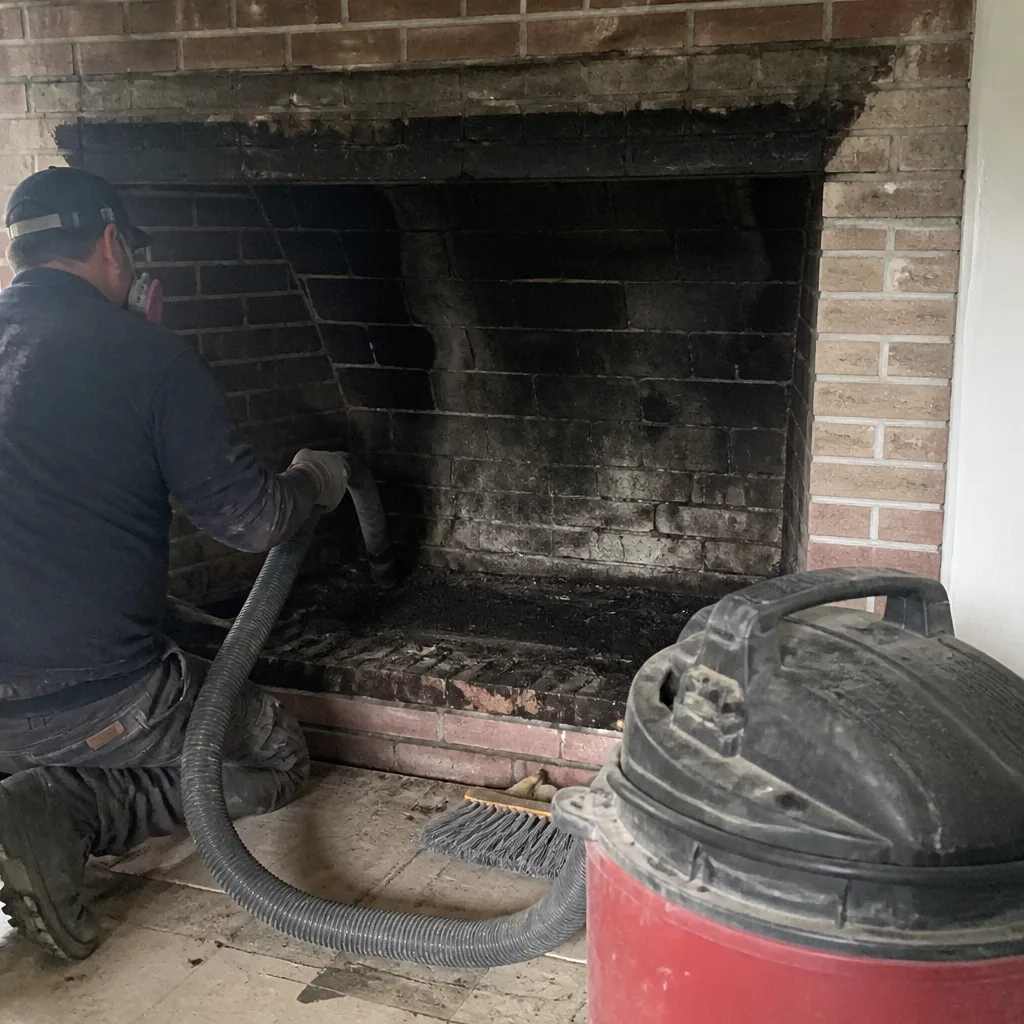 Before
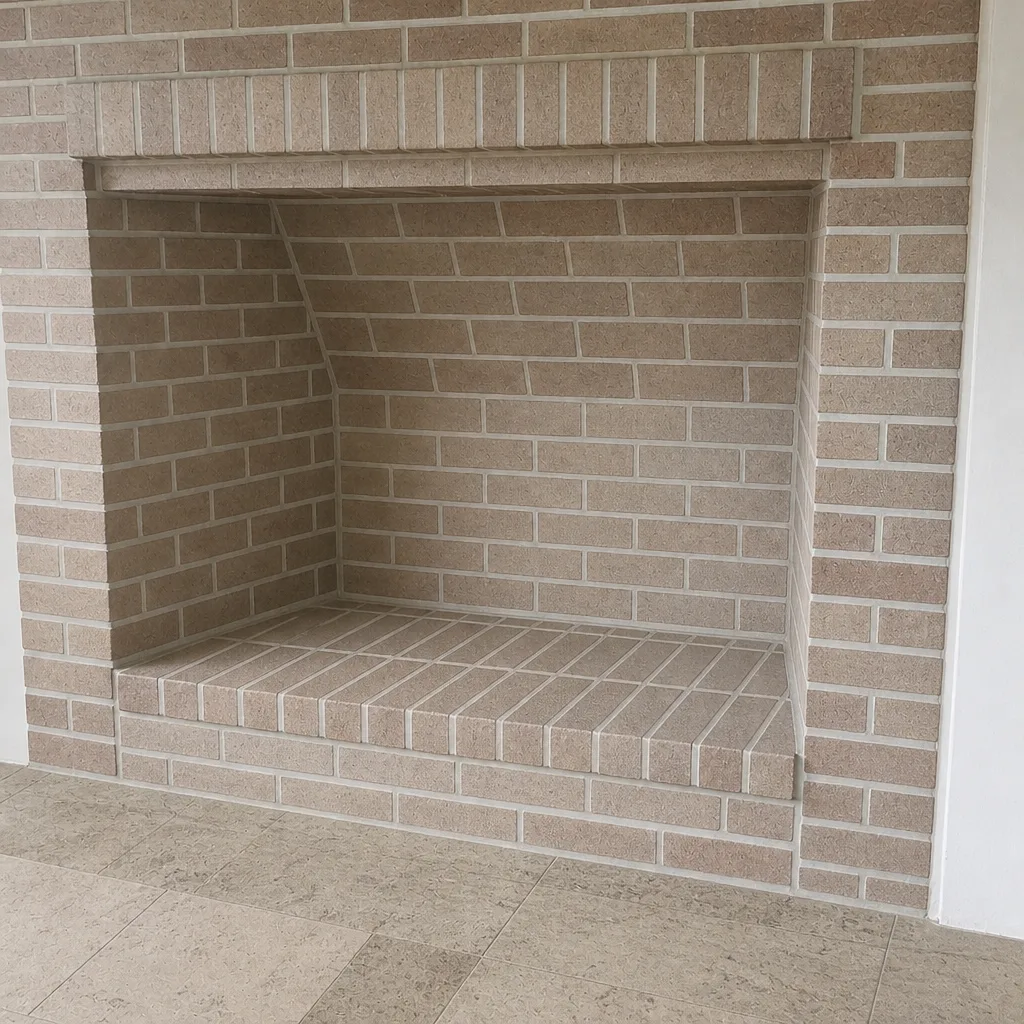 After
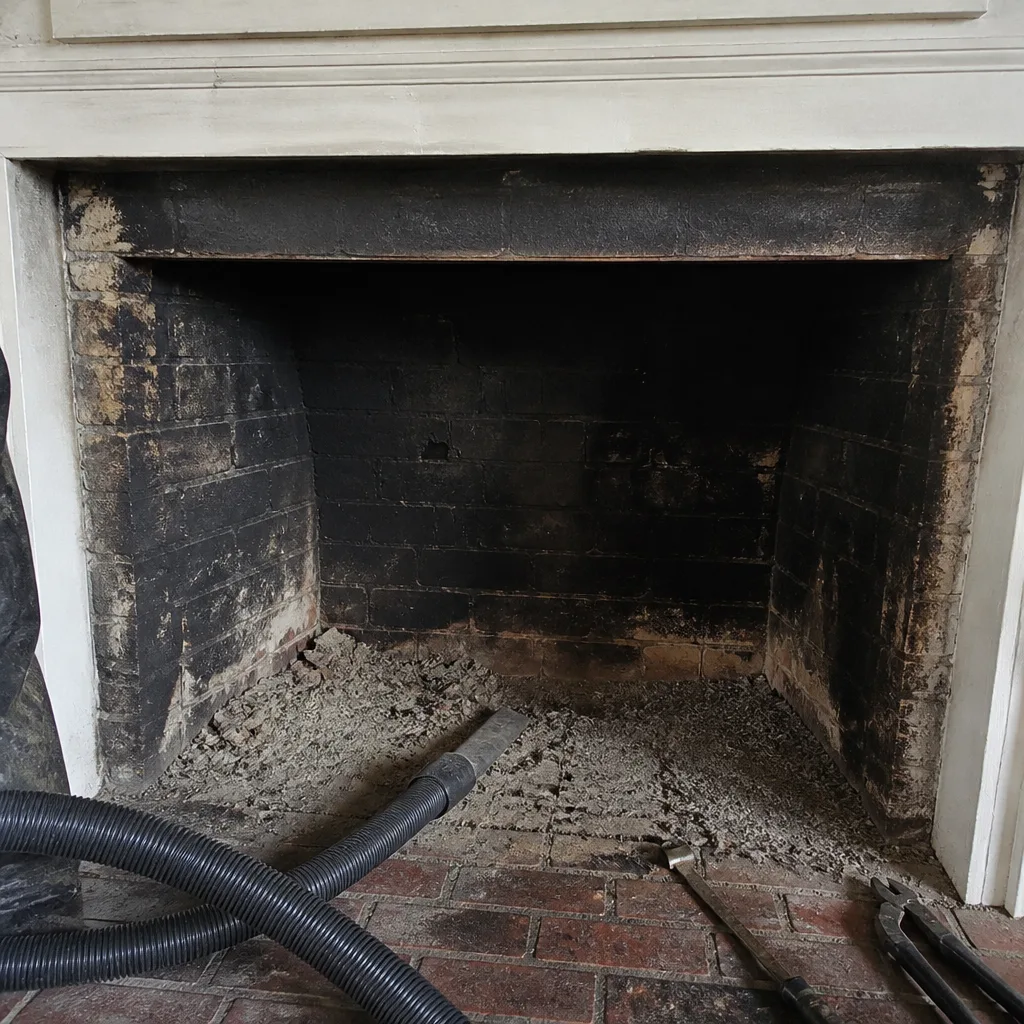 Before
 After
 Before
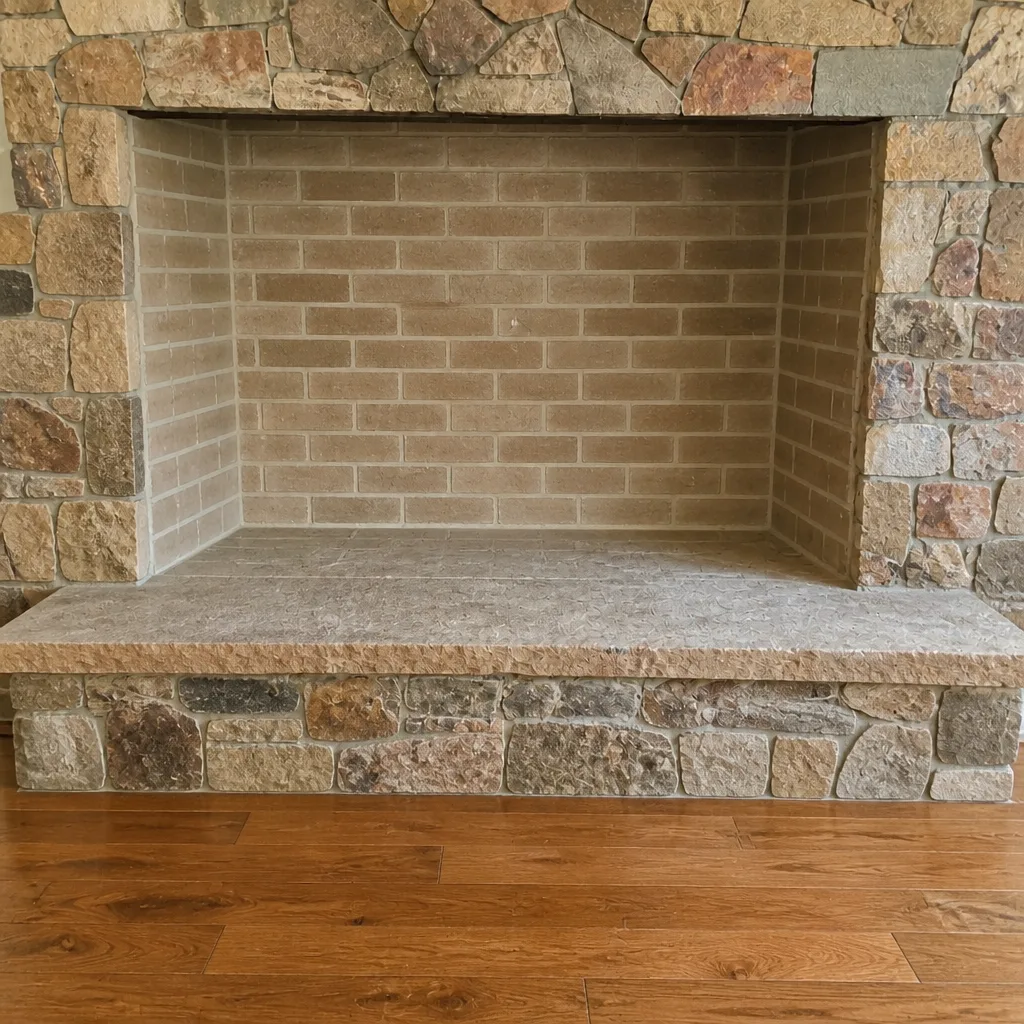 After
When to Call a Professional
Some chimney problems are monitoring jobs and some need someone on the roof. Call us if you see any of the following: smoke backing into the room repeatedly, a strong tar or creosote smell, a carbon monoxide alarm going off near the fireplace, a firebox or flue crack you can’t identify, efflorescence that keeps returning, a visibly damaged crown or missing cap, an animal in the chimney, or signs of an actual chimney fire (rumbling, popping, or flames and sparks out the top). Any of these deserves a professional inspection with camera evidence before you burn again. If a flue is blocked or cracked, carbon monoxide can build up in the living space, and that’s the one symptom you never want to wait on. Chimney Sweep North Hills offers free estimates in North Hills; call (877) 770-1236. We answer 24/7. Fast dispatch from 7am to 7pm, Sunday through Friday.
Frequently Asked Questions
Most wood-burning chimneys should be swept annually, and a gas fireplace should be inspected yearly even though it produces less creosote. The right interval depends on how much you burn; a heavy wood burner may need more frequent sweeping than a once-in-a-while user. The safest rule is an annual sweep and Level I inspection, with a Level II camera inspection whenever there’s a symptom or a change to the system. Call (877) 770-1236 for an exact quote; estimates are free.
Sometimes the liner can be repaired without full relining, and sometimes it can’t. HeatShield liner resurfacing is a ceramic repair system that can restore a deteriorated flue without the cost of full relining, and it’s an option many competitors can’t offer. But it’s not right for every situation, and the decision should be made from camera evidence, not a guess. Nothing gets recommended without footage you can see yourself. Call (877) 770-1236 for an exact quote; estimates are free.
Creosote builds up, and glazed creosote is highly flammable, so skipping the sweep raises the risk of a chimney fire. The inspection you skip is also the one that would have caught a cracked flue tile, a failing crown, or a settling-related gap before they grew. Most of those problems are cheap to fix early and expensive to fix late. If you’ve gone more than a year, book a sweep and inspection. Call (877) 770-1236 for an exact quote; estimates are free.
In a tightly sealed home, exhaust fans and appliances can pull air out faster than it comes in, and the chimney becomes the path of least resistance for incoming air, so smoke comes down instead of going up. Crack a window near the fireplace and see if the smoking stops; if it does, negative pressure is likely the cause. A professional can confirm it and recommend the right fix. Call (877) 770-1236 for an exact quote; estimates are free.
White staining is efflorescence, a mineral deposit left behind when moisture moves through the masonry and evaporates at the surface. It’s a moisture alarm, not a cosmetic issue. If the water source (a cracked crown, missing cap, or failed flashing) isn’t fixed, it returns and eventually leads to spalling brick and crumbling mortar. Call (877) 770-1236 for an exact quote; estimates are free.
No. A strong tar or glazed-creosote smell means creosote has built up to a flammable stage, and the fireplace should stay unused until it’s inspected and swept. Glazed creosote is the leading contributor to chimney fires, and it doesn’t clear on its own. Stop burning and book an inspection. Call (877) 770-1236 for an exact quote; estimates are free.
The Bottom Line
Most chimney problems in North Hills come down to one of four root causes: negative pressure from a tight house, a blockage, a flue sizing mismatch, or moisture in the masonry. The symptom (smoke, smell, staining) points you toward the cause but doesn’t confirm it, and a repair aimed at the wrong cause makes things worse. Read the smell profiles, watch the white staining, and place your issue in the three-tier decision tree so you know whether to monitor it, book a repair soon, or stop burning now. Our technicians have up to 15 years of experience, we use professional-grade brands like DuraFlex, HeatShield, Famco, and Copperfield, and we recommend nothing without camera evidence you can see.
Ready to Get Your Chimney Checked?
Whether you’re dealing with smoke, a smell, efflorescence, or a crack you’re not sure about, a professional inspection with camera evidence is the right first step. One call covers it: sweep, inspect, repair, cap, crown. Chimney Sweep North Hills offers free estimates in North Hills; call (877) 770-1236. We answer 24/7. Fast dispatch from 7am to 7pm, Sunday through Friday. The written estimate sets the final price, and if your chimney can safely wait, we’ll tell you so.
Written by the team at Chimney Sweep North Hills.