
Last updated November 24, 2026
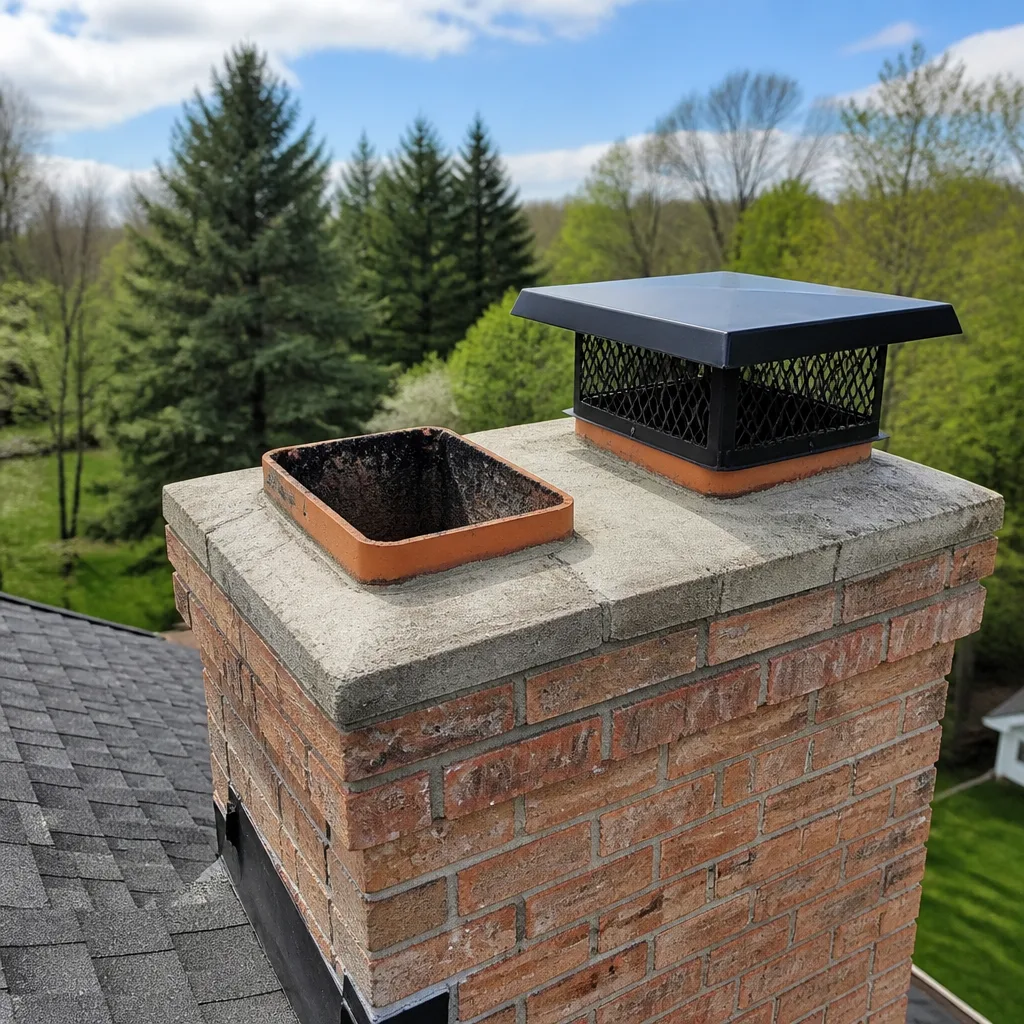 Sweep & inspection
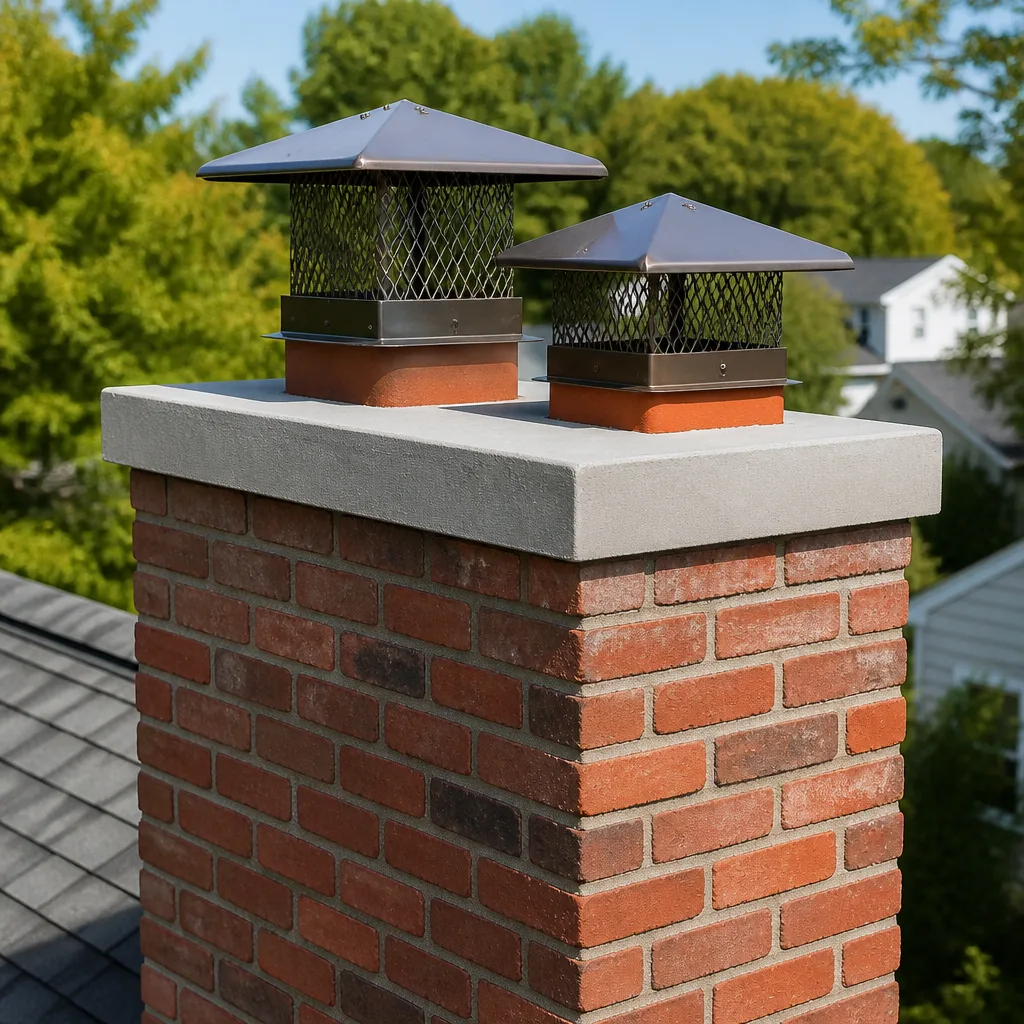 Caps & crowns
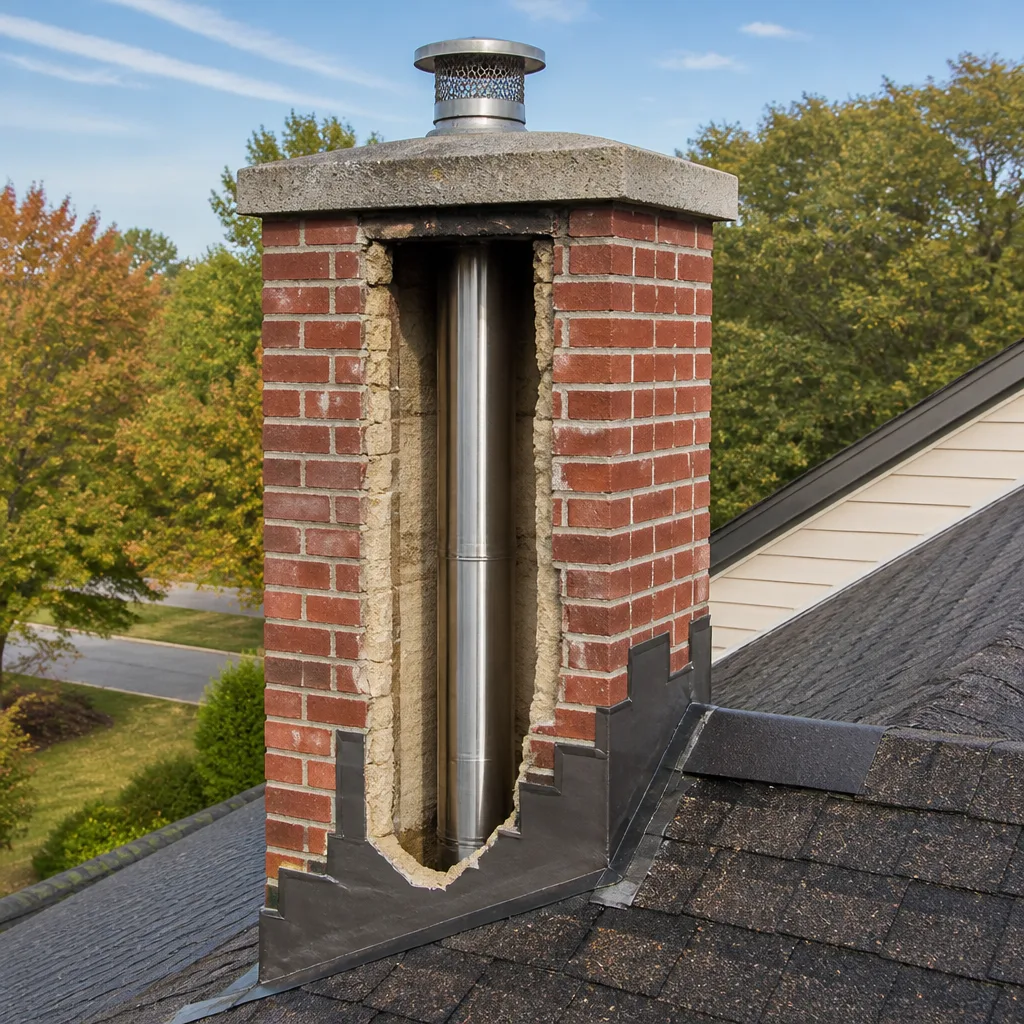 Flue relining
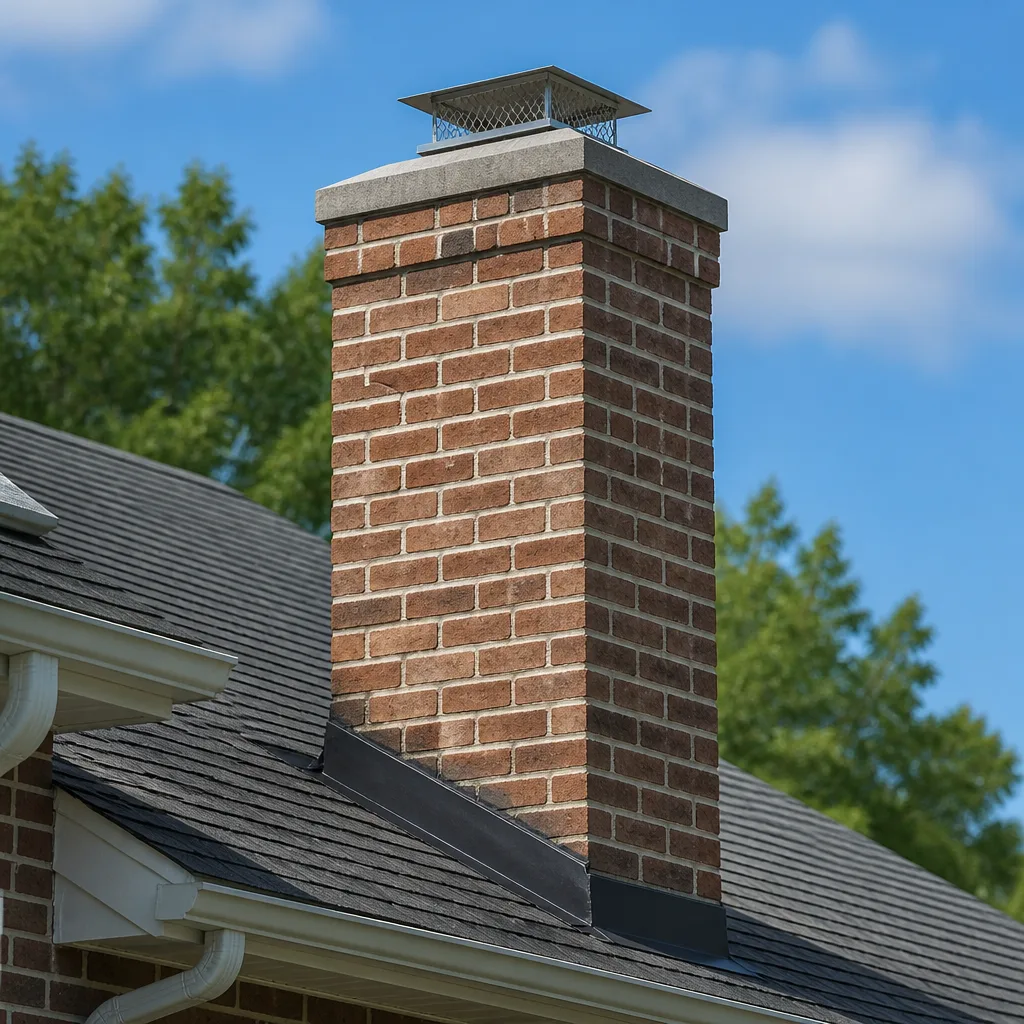 Masonry repair
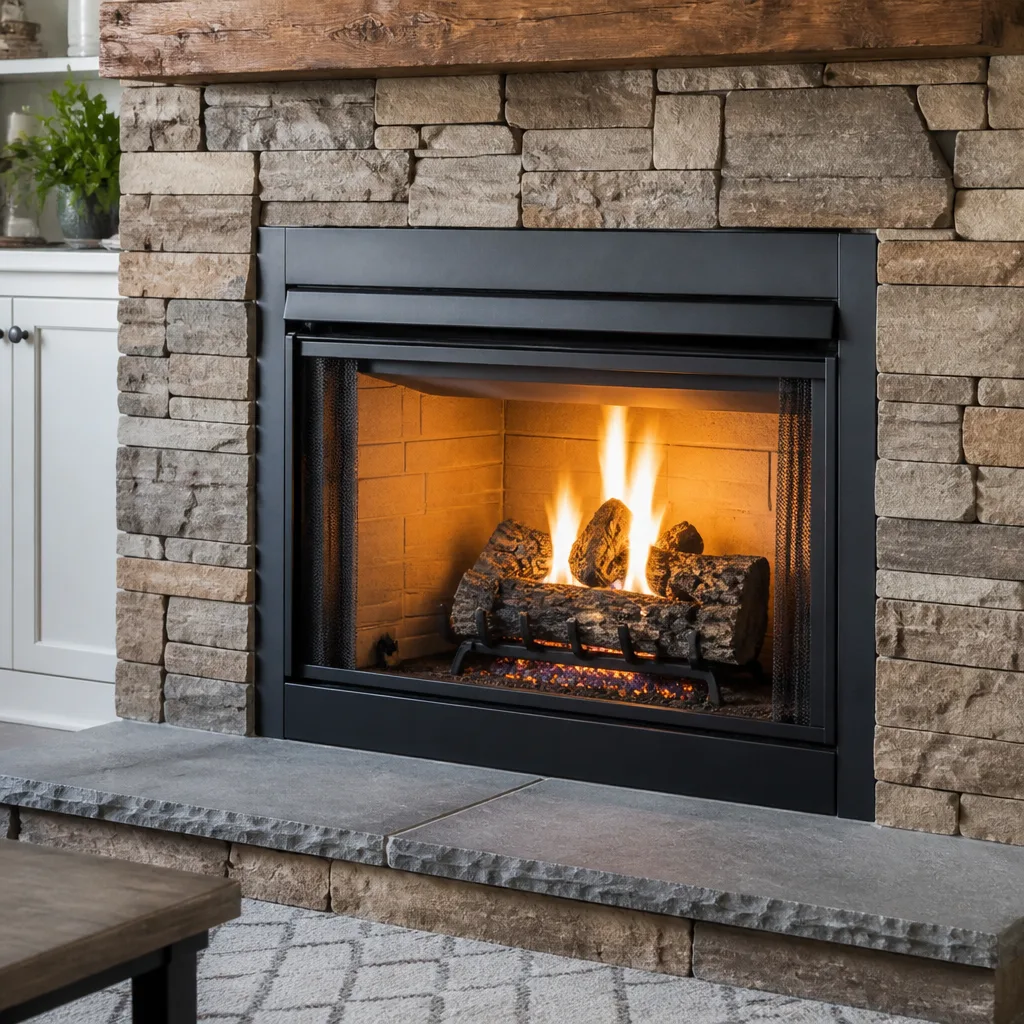 Gas fireplace service
Level 1 sweep and inspection to the NFPA 211 annual standard - flue, crown, cap, and flashing checked and photographed
Chimney sweep logs do not sweep chimneys. They loosen some creosote - which then falls where a brush and vacuum still have to collect it.
Seasonal Chimney Cleaning Care for North Hills: Year-Round Homeowner’s Guide
Most chimney advice you’ll read was written for a place with a five-month heating season and a dry, frozen winter. North Hills doesn’t work that way. Fires here tend to start in October and stop by March, and then the flue sits closed up through a Piedmont summer that regularly runs above 85% humidity. The problems that do the most quiet damage to a chimney in this climate don’t happen while you’re burning. They happen in June, July, and August, when nothing is moving air through the system and moisture has months to work on masonry, a crown, or a liner. This guide walks the calendar month by month, shows what to check in each season, and explains how burn frequency rather than the season alone should set your cleaning interval.
Quick Answer
In North Hills, a chimney should be swept and inspected once a year, ideally in the August to September window before the first fire in October, and checked for moisture and cap problems at the end of each burn season in April or May. If you burn more than about a cord of wood a year, or burn green or unseasoned wood, you may need a mid-season sweep in January or February on top of the annual one. The off-season in the Piedmont is not idle time for a chimney: it’s when rain, humidity, and biological growth do the slow damage that shows up as a cracked crown or a rusted liner years later.
Styles & brands we work with
- Sweep & inspection
- Caps & crowns
- Flue relining
- Masonry repair
- Gas fireplace service
Table of Contents
- Why the North Hills chimney calendar is different
- Spring (April-May): moisture and growth season
- Summer off-season: ventilating an idle flue
- Early fall (August-September): the prep window
- Winter mid-season check: when creosote accelerates
- How a simple burn log sets your interval
- What a seasonal inspection actually covers
- Common mistakes to avoid
- When to call a professional
- Frequently asked questions
Why the North Hills Chimney Calendar Is Different
National chimney guides are usually built around a hard northern winter. In a place like that, the heating season is long and dry, and the main worry during the cold months is creosote. North Hills sits in the Piedmont, where the burn season is short but heavy and the off-season is long, hot, and humid. That changes which months carry the maintenance load. Fires are concentrated into roughly October through March, so creosote builds fast during those weeks. Then the chimney sits unused from April into September, and the real threats become water, humidity, and organic growth rather than fire.
That mismatch is why so many homeowners in North Hills get surprised. A chimney that looked fine in March can have a rusted damper or a spalling crown by July, because water got in through a missing cap and sat there all summer. The calendar below is weighted for this climate. It puts the heavier maintenance attention on the shoulder seasons, spring and early fall, where moisture management and pre-season prep actually earn their keep.
One more local factor: North Hills has a lot of older housing stock mixed with newer construction, and the two fail in different ways. Older masonry chimneys tend to show water damage first, at the crown and the flashing where the chimney meets the roof. Newer homes with factory-built or metal systems often show liner or joint issues instead. A seasonal inspection looks for both, because the calendar risk is different depending on what kind of chimney you have.
Spring (April-May): Moisture and Growth Season
Spring is the most underrated part of chimney care in North Hills, and it’s where the Piedmont climate sets a different priority than most homeowners expect. After the last fire in March, the chimney begins a five-month stretch where it’s cold, closed, and damp. April and May are when the first moisture problems start, and catching them now is far cheaper than repairing them in the fall.
Here’s what actually goes wrong in a Piedmont spring. Rain drives against the chimney and finds any weak point: a missing or loose cap, a hairline crack in the crown, failed flashing at the roofline, or open mortar joints. Masonry is porous, so it absorbs water and holds it. In humid air, that water doesn’t dry out quickly. Instead it slowly feeds the conditions that show up as efflorescence, the white powdery staining on brick that signals moisture working its way out from inside the masonry, and in shaded or slow-drying spots, moss and other biological growth on the crown and the north-facing brick.
What to do in spring:
- Look for efflorescence and moss. White staining or green growth on the crown or upper brick is a sign water is getting in and staying in.
- Check the cap and crown visually from the ground. A missing cap, a rusted one, or a crown with visible cracks are the most common entry points in North Hills.
- Note any rust or staining inside the firebox or on the damper. That’s a sign water has been reaching parts it shouldn’t.
- Book the annual sweep and inspection if you haven’t. A spring inspection catches moisture damage early, before summer humidity settles in for months.
Spring is also a good time to deal with any cap or crown issue while the weather is workable and before the fall rush. We use chimney cap & crown products from Famco and Copperfield, which means a worn cap or a cracked crown can often be resolved in the same visit as the inspection rather than adding a second appointment later.
Summer Off-Season: Ventilating an Idle Flue
Summer is when a North Hills chimney is most vulnerable and least watched. The flue sits idle for months in high humidity while the house stays air-conditioned and closed up. No fire means no draft, and no draft means nothing moves air through the chimney. Damp air sits in the flue, and any water that got in during spring rain stays there. This is where rusted dampers, deteriorated mortar, and musty odors come from, and it’s the single biggest reason a chimney that seemed healthy in winter needs attention by fall.
There are two practical questions homeowners ask about summer chimney care, and both have clear answers.
First, how do you ventilate a chimney in the off-season? The goal is gentle airflow through the system so humid air doesn’t sit against masonry and metal. A slightly open damper, when the firebox is clean and the chimney is capped, lets a small amount of air move through. If you’ve had a sweep and the flue is clean, that light airflow helps the interior dry between humid stretches. If the chimney isn’t clean, opening the damper can pull soot and odors into the house, so clean first.
Second, should you use a chimney balloon in a humid climate? A chimney balloon seals the flue to stop drafts and keep conditioned air from escaping up the chimney. In a humid Piedmont summer, that’s a trade-off. Sealing the flue stops the loss of cool air, but it also traps whatever moisture is already inside. In our experience, a balloon works best when the chimney is swept, inspected, and dry before it goes in, and it should be removed and the flue checked again before the first fall fire. Sealing a damp flue just holds the moisture in.
What to do in summer:
- Get the annual sweep and inspection done before the humid stretch, so soot and moisture aren’t sitting together.
- Confirm the cap is intact and sealed. A capped, watertight chimney dries out; an open one keeps getting rained into.
- If you use a chimney balloon, remove it and inspect the flue before the first fire in fall.
- Watch for musty, smoky, or sour odors during humid weeks. That smell is often damp soot or moisture in the flue, not a sign the chimney is fine.
Early Fall (August-September): The Prep Window
August and September are the best two months to schedule chimney work in North Hills, and for two separate reasons. The first is safety: you want the flue swept and inspected before the first fire in October, not after. Creosote built up over the previous winter sits in the flue all summer, and the first cold snap is exactly when many homeowners light a fire into a chimney that hasn’t been checked since March. The second is logistics. As soon as the first cool nights hit, chimney schedules fill up across the Piedmont. Booking in August or September means the work is done and verified before the burn season, not squeezed in during a busy October.
Early fall is also the right time to fix anything the summer inspection flagged. Crown repair, cap replacement, and liner work are all easier to schedule and complete before the first fire than during the heating months. A professional-grade liner or cap installed now is protecting the chimney all winter rather than failing in January.
Here’s a practical early-fall checklist:
- Sweep the flue. Remove the soot and creosote accumulated over last winter’s burns.
- Inspect at the standard for your system. Our inspections are aligned with NFPA 211 Level I, II, and III standards, so the level matches what your chimney needs.
- Check the cap and crown again. Any damage found in spring should be repaired now, before rain and snow can get in.
- Test the draft with a small fire once the flue is clean, to confirm the chimney is pulling properly before the heavy burn season.
- Stock and stage your firewood so it’s dry and seasoned by October, since wet wood is the main source of excess creosote.
If a cap or crown needs replacing during the fall window, we stock Famco and Copperfield products so the job can usually be resolved in one visit. That’s part of why we keep a chimney-only focus: sweeping, inspection, cap work, and repair all come from one specialist rather than being split between trades.
Winter Mid-Season Check: When Creosote Accelerates
Most North Hills homeowners think of winter as the “safe” part of the year because the chimney gets used and drafts well. It’s actually the part of the year when creosote builds fastest, and a mid-season check can catch a problem before it becomes serious. The specific condition to watch for is a sustained cold snap that follows a mild stretch. When the weather is mild, homeowners burn smaller, cooler, sometimes smoldering fires. Those cooler fires produce more creosote than hot ones. Then a hard cold snap arrives, and everyone starts burning hard and hot into a flue that already has a layer of creosote from the mild weeks. That combination is exactly when a flue that was marginal in December becomes a problem in January.
If you’ve burned a lot of wood by mid-season, watch for these signs that it’s time for a sweep before spring:
- Reduced draft. Smoke rolling into the room, or a fire that’s slow to catch, often means the flue is restricted.
- A stronger or different smell from the firebox or the chimney itself.
- Visible soot or creosote at the damper or the top of the firebox.
- Heavy burn volume. If you’ve gone through more than a cord by mid-January, a mid-season sweep is worth considering.
A mid-season check isn’t about being overly cautious. It’s about matching your cleaning interval to how hard the chimney is actually working. In a compressed but intense burn season like North Hills has, the halfway point of winter is a sensible place to look, especially if you’ve had that mild-then-cold pattern.
How a Simple Burn Log Sets Your Interval
The single most useful thing you can do for your chimney in North Hills is keep a burn log. Season alone doesn’t determine when a chimney needs sweeping. Burn frequency does. Two homes on the same street can need very different schedules: one burns a fire most evenings from October to March, the other lights a fire a few times a month. National “once a year” advice is a starting point, not a precise answer for either of them.
A burn log is simple. In a notebook or a note on your phone, record the date each time you light a fire, roughly how long it burned, and a note on the wood (seasoned or not). At the end of the season, tally the fires and the rough wood volume. Then use that tally to set your interval:
- Light use (a fire a few times a month, under half a cord a season): an annual sweep in late summer is usually enough.
- Regular use (several fires a week through the season, around a cord): annual sweep, plus a mid-winter look if the burn was heavy.
- Heavy use (a fire most days, more than a cord): plan on the annual sweep plus a mid-season sweep, and always sweep before the fall start.
- Any green, wet, or unseasoned wood: assume faster creosote buildup regardless of fire count, and sweep more often.
The log also tells you something the calendar can’t: how your own habits map to the Piedmont season. If most of your fires land in a few cold weeks in January, your pattern is different from someone who burns steadily from October to March, and your sweep timing should reflect that.
What a Seasonal Inspection Actually Covers
A seasonal inspection isn’t just a look up the flue. It’s a structured check of the whole chimney system, and the level of inspection should match what your chimney needs. Our inspections are aligned with NFPA 211 Level I, II, and III standards. A Level I inspection is the routine annual check for a chimney with no known problems. A Level II goes further and is typically called for after a change in the system, a new appliance, or a specific concern. A Level III is the most involved and is used when a hidden problem needs to be accessed directly.
Across the levels, a seasonal inspection covers:
- The flue and liner for creosote buildup, cracks, gaps, and deterioration.
- The firebox and damper for cracks, rust, and proper operation.
- The crown and cap for cracks, missing pieces, and water entry points.
- The flashing where the chimney meets the roof, a common leak source in North Hills’ rain-heavy shoulder seasons.
- The exterior masonry for efflorescence, spalling, and open joints.
- The smoke chamber and any appliance connections to confirm the system is sound as a whole.
When the inspection turns up a deteriorated liner, resurfacing is sometimes an option instead of full relining. Chimney Sweep North Hills uses HeatShield, a ceramic resurfacing system that can restore a damaged flue and extend the life of the chimney without the cost of a complete reline. That’s a repair path worth asking about specifically, because not every local outfit offers it. For firebox and fireplace issues, we handle fireplace repair as part of the same relationship, so a single specialist covers the whole system.
Common Mistakes to Avoid
- Treating summer as “off.” The most damaging months for a North Hills chimney are the idle ones. Spring rain and months of humidity do more slow damage than a winter of fires if the cap or crown has a weak point.
- Waiting until October to book. Scheduling the sweep during the first cool week means competing with every other homeowner in the Piedmont. August and September exist for a reason, and booking early keeps the burn season from starting on an uninspected flue.
- Going by the calendar only, not burn volume. “Once a year” is a rough guide. Your actual fire count and wood quality should set the interval, which is why a burn log beats a wall calendar.
- Using a chimney balloon on a damp flue. Sealing an idle chimney that already holds moisture traps the problem in. Sweep and dry first, or leave the flue lightly ventilated instead.
- Ignoring efflorescence and moss. The white staining and green growth common in North Hills’ humid springs are signs of moisture, not cosmetic issues. Left alone, water works its way deeper into masonry every season.
- Burning wet or unseasoned wood to save effort. It produces more creosote than dry wood and adds to the buildup faster than your burn log alone would suggest.
- Putting off cap replacement because the old one “still fits.” A missing, loose, or rusted cap is the single most common water entry point, and the damage shows up months later in the form of a rusted damper or a spalling crown.
When to Call a Professional
Some chimney checks are worth doing yourself from the ground. Call a professional when the situation moves past a visual look. That includes any visible creosote inside the flue, smoke rolling into the room when you light a fire, a smell from the firebox or chimney that doesn’t clear, a missing or loose cap, a visibly cracked crown, efflorescence or moss that keeps coming back, or a damper that’s rusted or hard to operate. It also includes any time you’ve had a chimney fire, even a small one you think you put out, or any time the system has changed, such as a new appliance or liner. And if it’s been a season since the last sweep and you’re not sure of the condition, an inspection settles it. Creosote removal and liner work are not do-it-yourself jobs; the tools, the access, and the ability to see the whole flue matter, and a trained specialist is the right person to assess it. Chimney Sweep North Hills offers free estimates in North Hills. Call (877) 770-1236. We answer 24/7. Fast dispatch from 7am to 7pm, Sunday through Friday.
Frequently Asked Questions
Once a year is the standard for most homes, ideally in the August to September window before the first fire. If you burn more than about a cord a season or burn unseasoned wood, plan on a mid-season sweep as well. The right interval depends on your actual burn volume, which is why a burn log helps. Call (877) 770-1236 for an exact quote – estimates are free.
Yes, for a different reason than in winter. Summer in the Piedmont is when moisture, humidity, and biological growth do their slow damage, and a sweep plus inspection before the humid stretch catches problems while they’re small. An idle flue with soot and damp air is the worst combination. Call (877) 770-1236 for an exact quote – estimates are free.
Only after the flue has been swept, inspected, and confirmed dry. A balloon seals the flue and stops drafts, but in a humid climate it also traps moisture if the flue is already damp. Remove it and check the flue again before the first fall fire.
That’s efflorescence, and it’s a sign moisture is passing through the masonry and evaporating on the surface. It usually points to water getting in through a cap, crown, or flashing. Left alone, it tends to come back every spring. Call (877) 770-1236 for an exact quote – estimates are free.
August and September are the best months, because the sweep and inspection are done before the October start of the burn season and before the fall scheduling rush. Spring, April and May, is the second-best window for catching moisture damage after the season ends.
Yes, when it follows a mild stretch. Mild-weather fires tend to be cooler and smoldering, which produce more creosote, and then the cold snap pushes everyone to burn harder into a flue that already has a layer from the mild weeks. That pattern is a good reason for a mid-winter check. Call (877) 770-1236 for an exact quote – estimates are free.
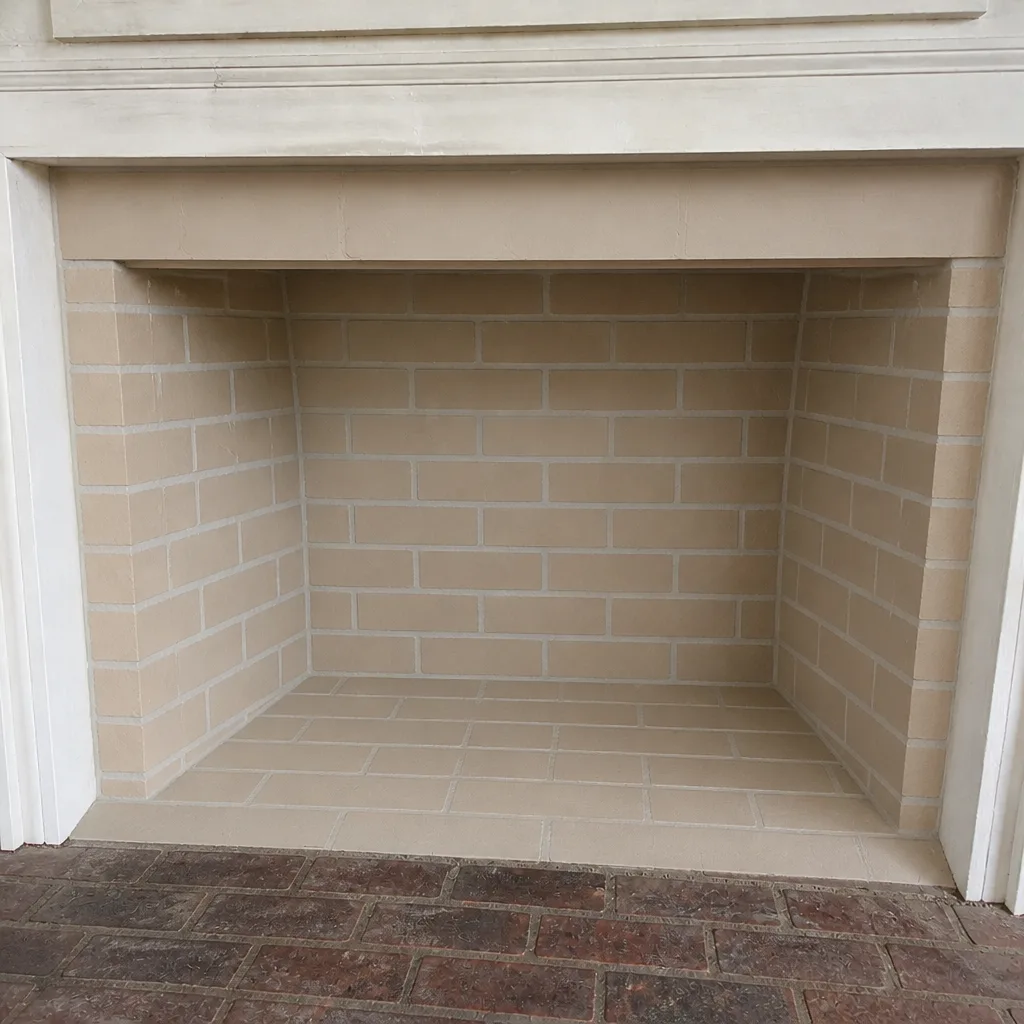
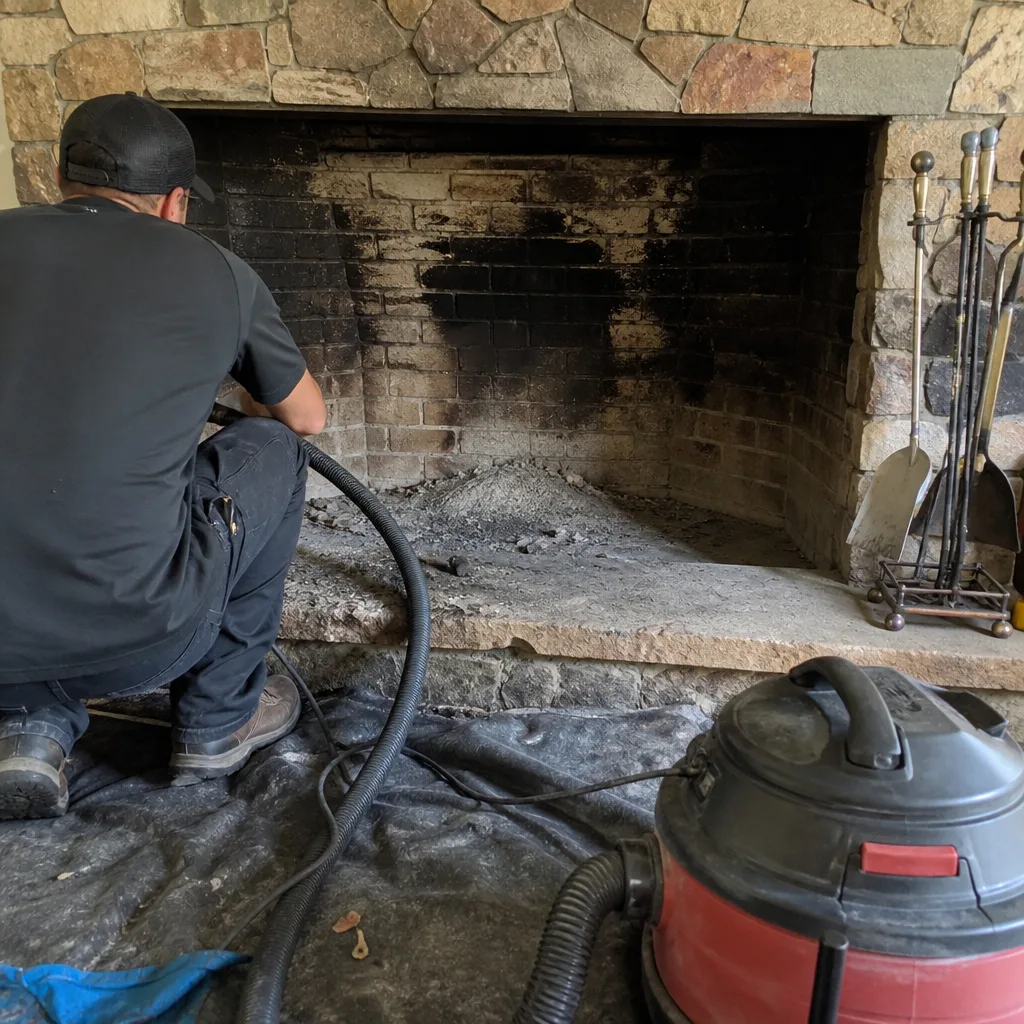
See the difference
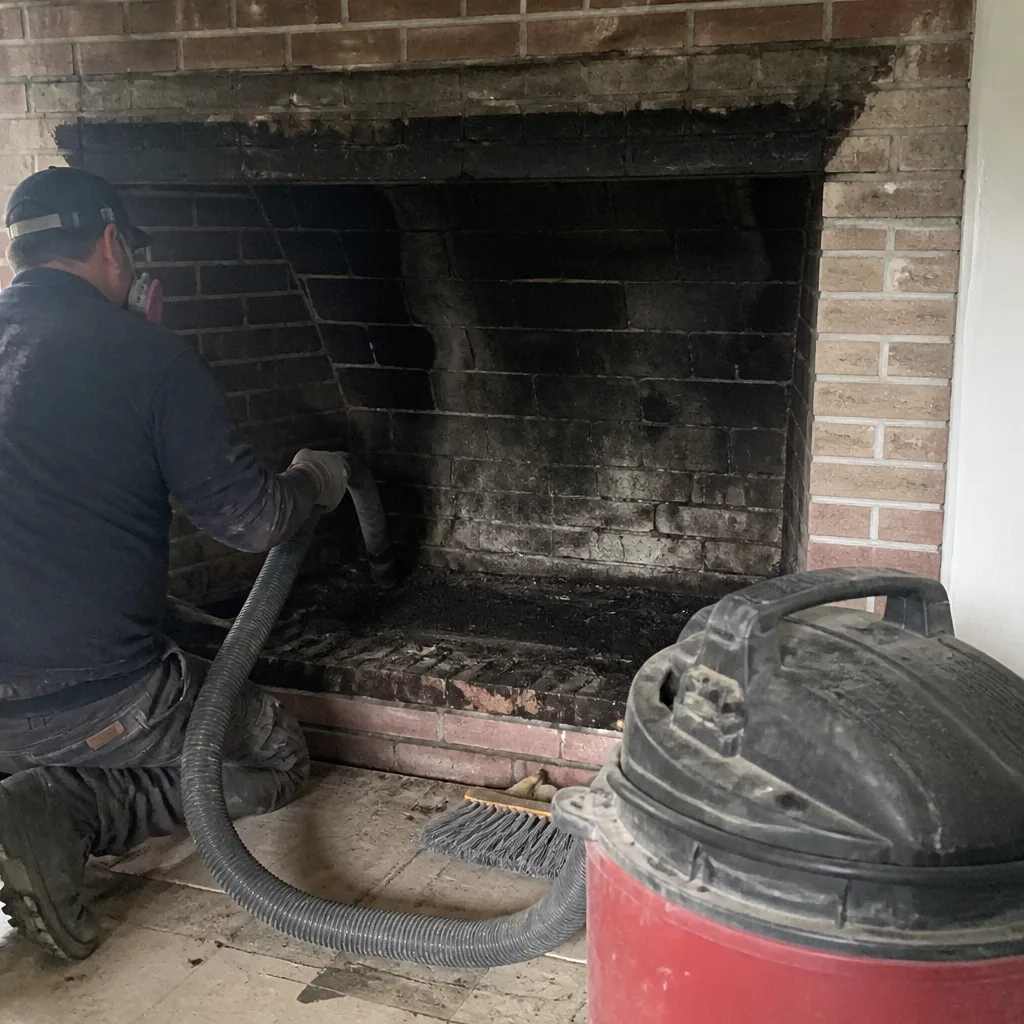 Before
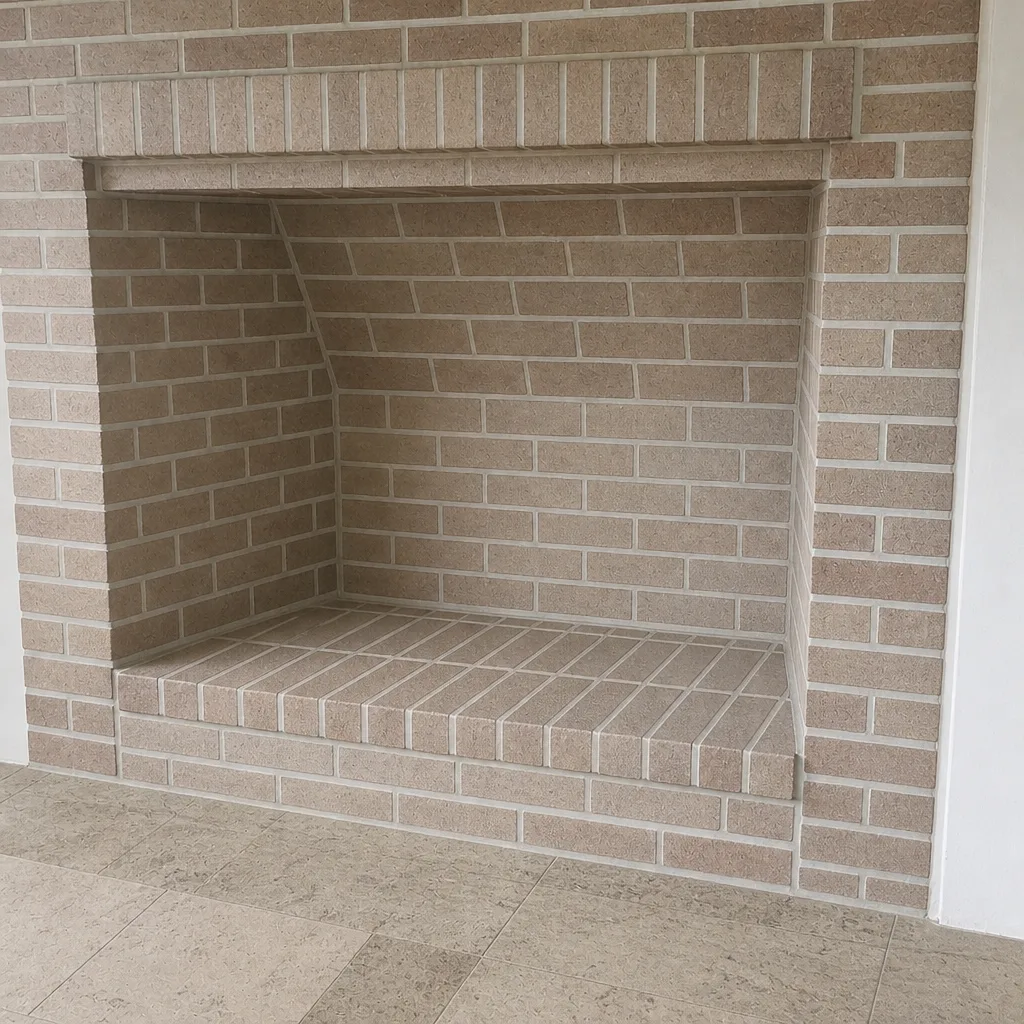 After
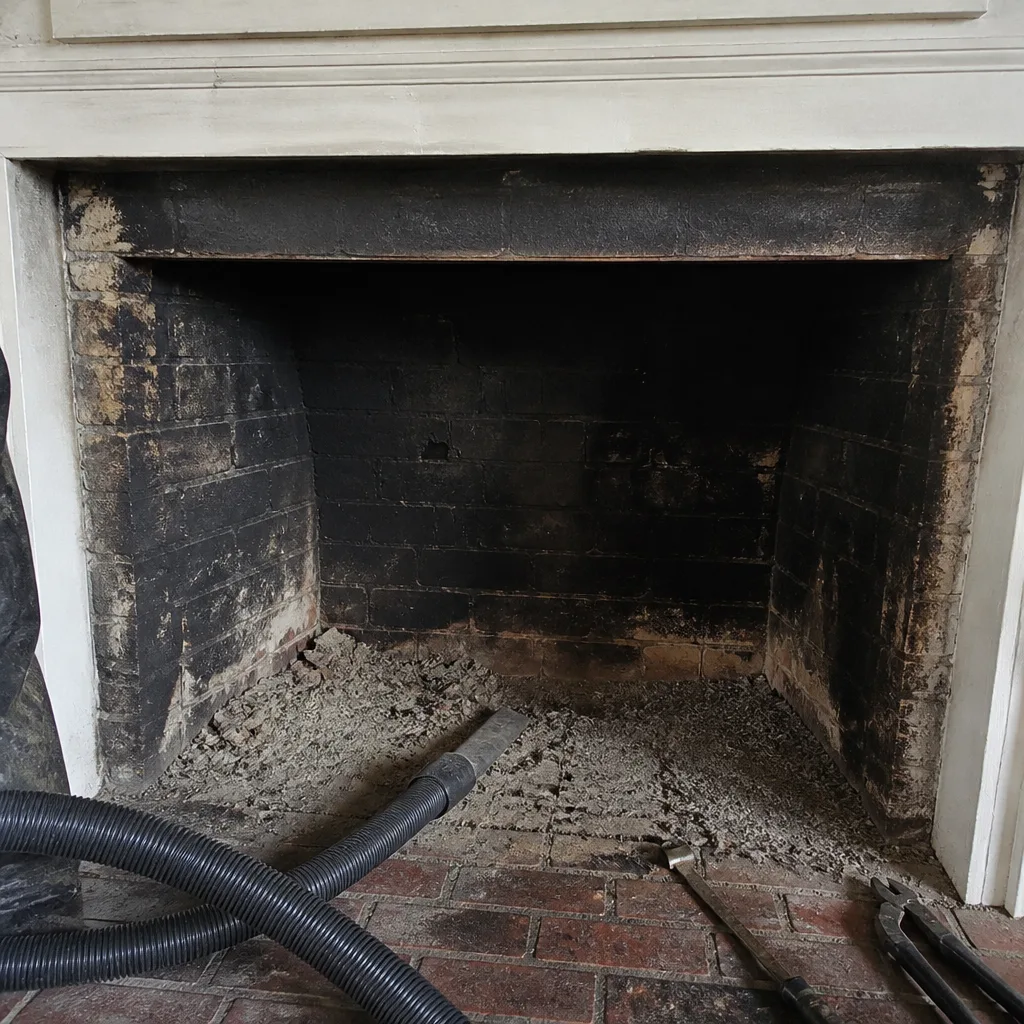 Before
 After
 Before
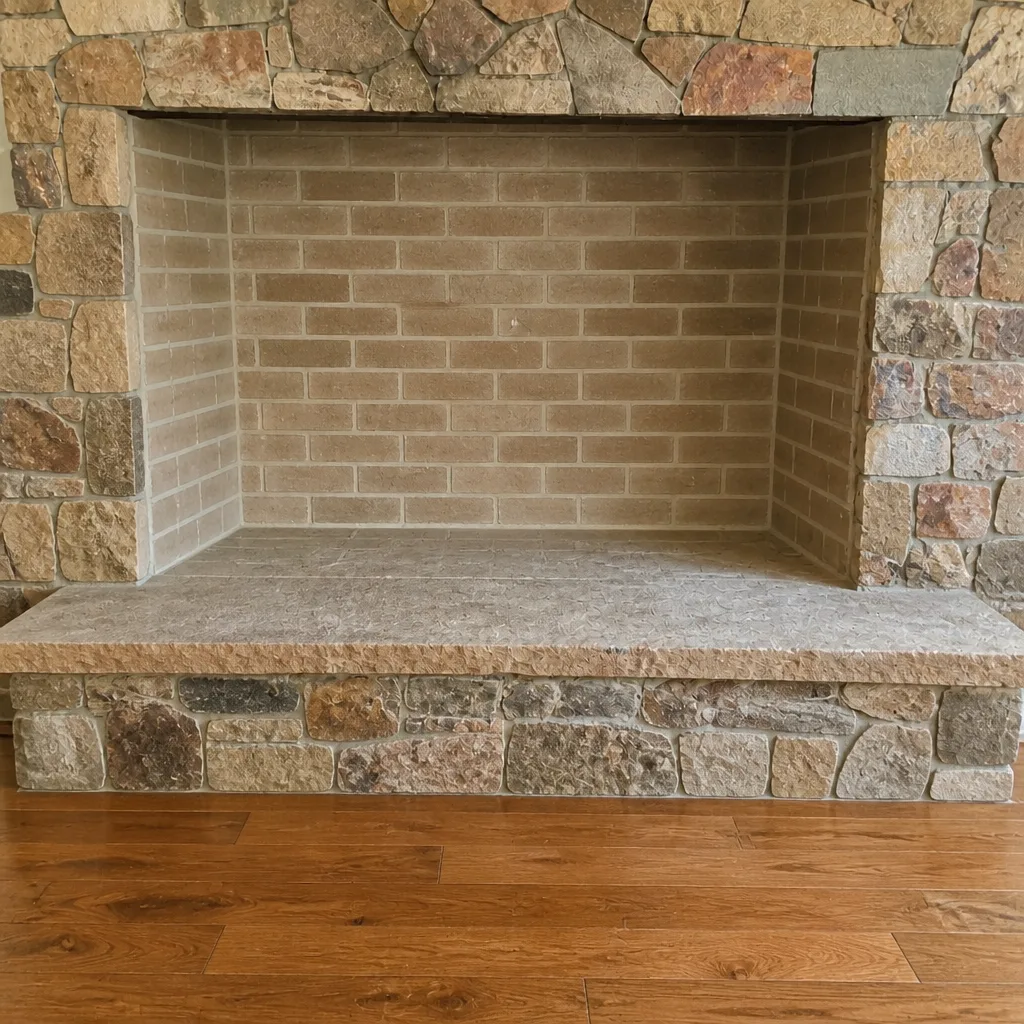 After
The Bottom Line
In North Hills, the chimney calendar is weighted toward the shoulder seasons. Spring, April and May, is when moisture, efflorescence, and moss get their start. Summer is when an idle flue sits damp and closed up. August and September are the prep window that keeps the first October fire from being a surprise. Winter, especially a cold snap after a mild stretch, is when creosote builds fastest. Sweeping and inspection once a year is the baseline, but your burn log, not the calendar alone, should set the exact interval. And a seasonal inspection from a chimney-only specialist, one that covers the flue, crown, cap, and masonry together, catches the small things before they become the expensive ones. One team covering cleaning, inspection, and repair is what makes the year-round schedule actually hold together.
If you’re not sure where your chimney stands, start with an inspection. Chimney Sweep North Hills handles sweeping, inspection, caps, crowns, liners, and fireplace repair with the professional brands contractors specify, including DuraFlex and HeatShield, alongside Gelco, Olympia Chimney, Famco, and Copperfield components. Call (877) 770-1236 for a free estimate. We answer 24/7. Fast dispatch from 7am to 7pm, Sunday through Friday. Outside those dispatch hours, a call is booked into the next opening.
Related Reading
For a full look at how we handle routine cleaning in this climate, see our chimney sweep service page. If you’re researching the whole chimney system before you book, the main Chimney Sweep North Hills page covers the full range of work.
Written by the team at Chimney Sweep North Hills.