
Last updated November 24, 2026
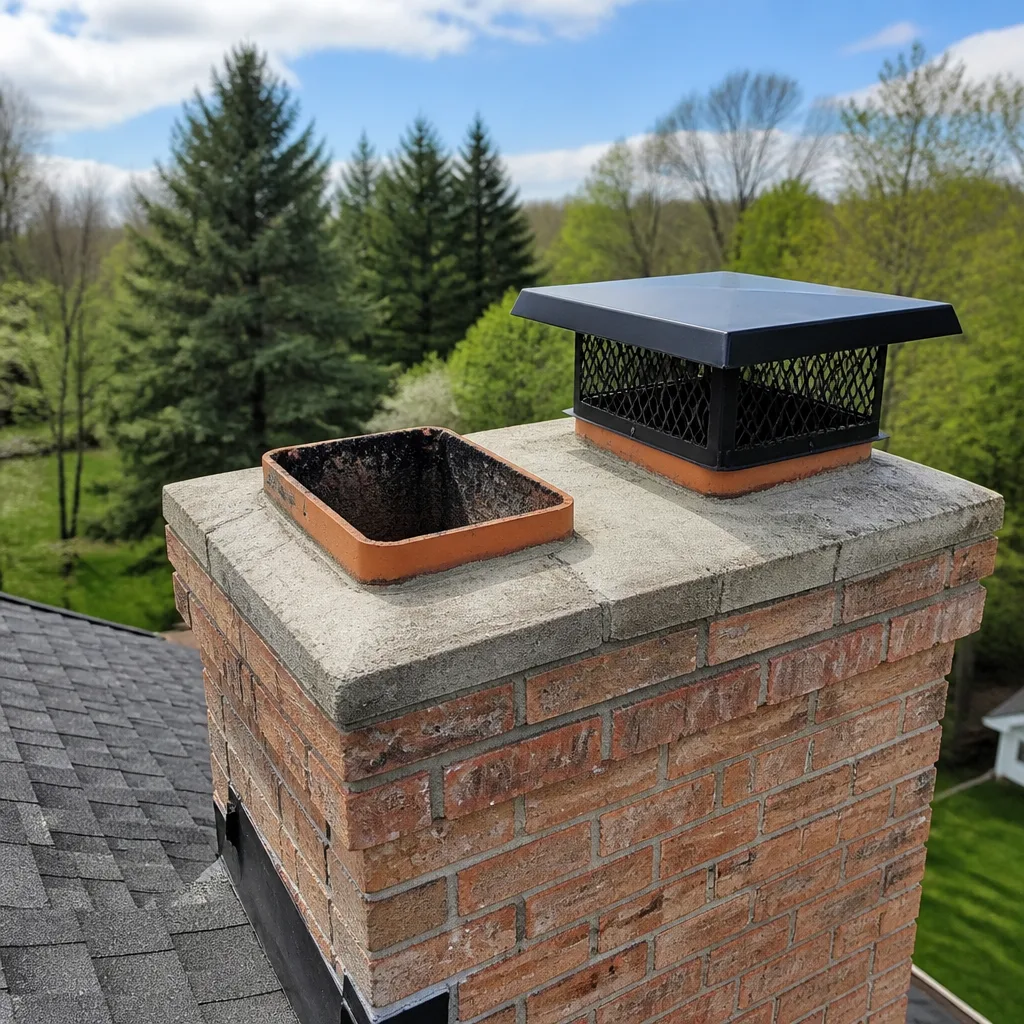 Sweep & inspection
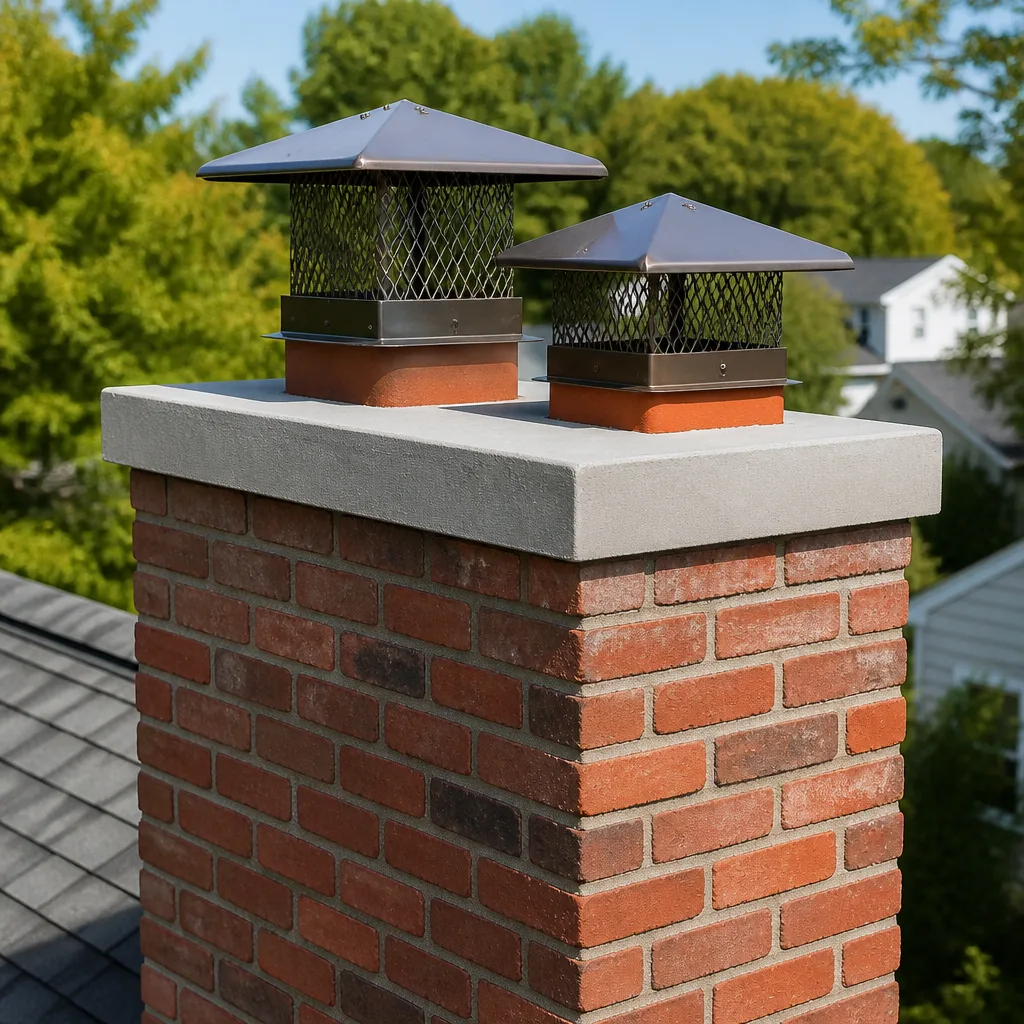 Caps & crowns
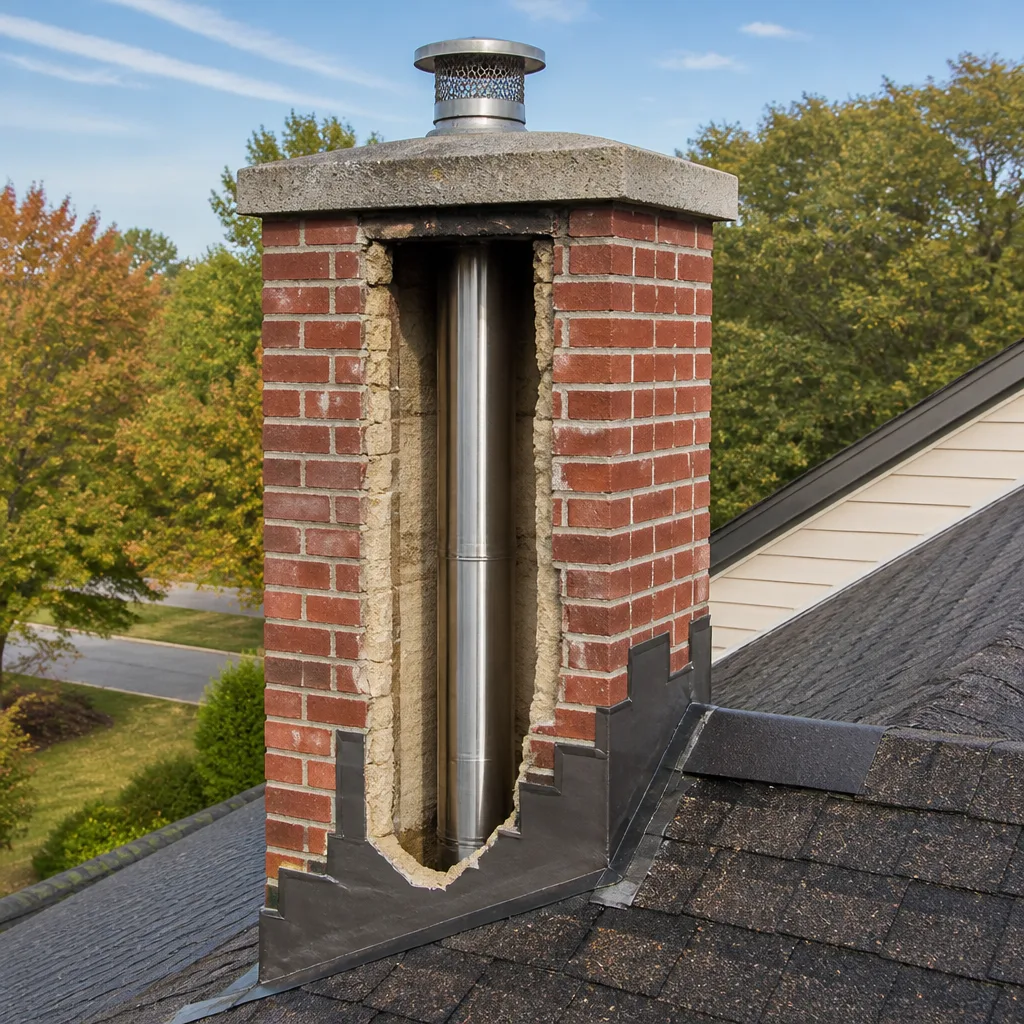 Flue relining
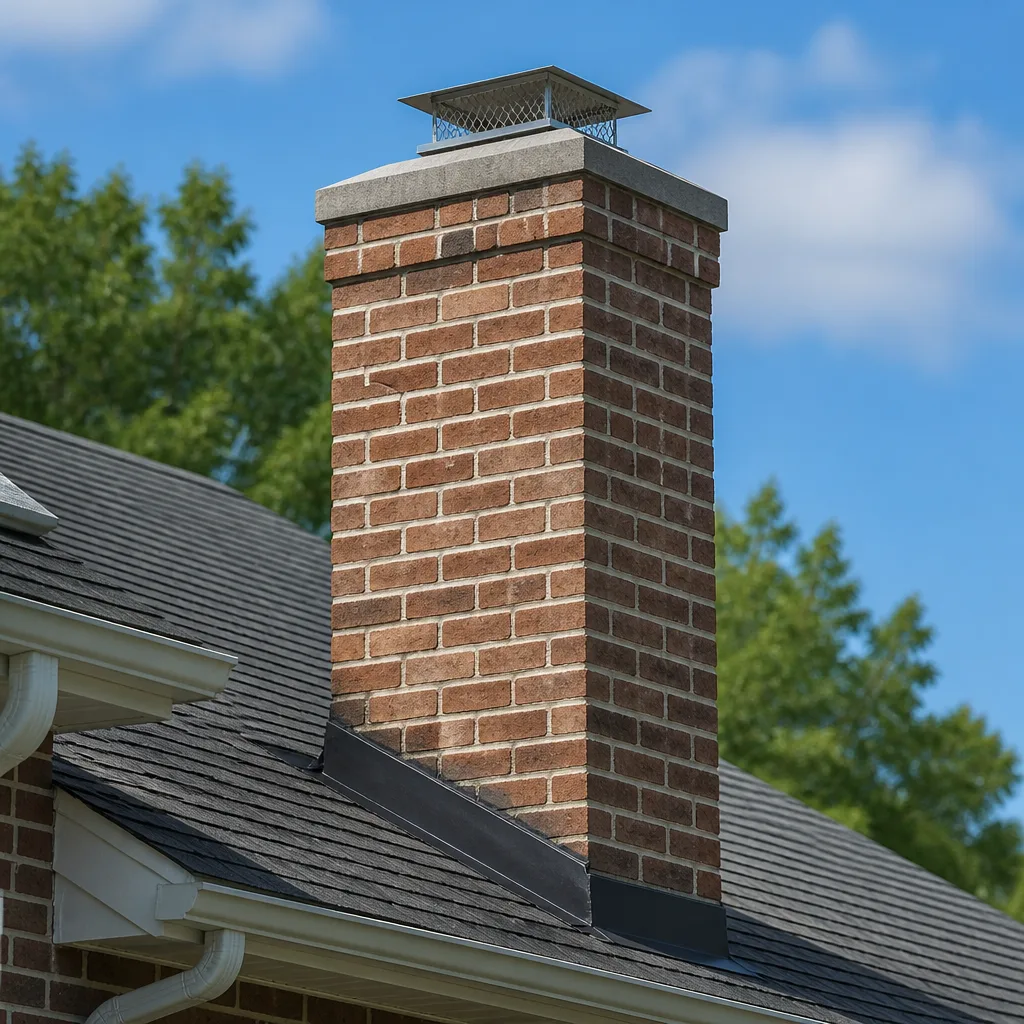 Masonry repair
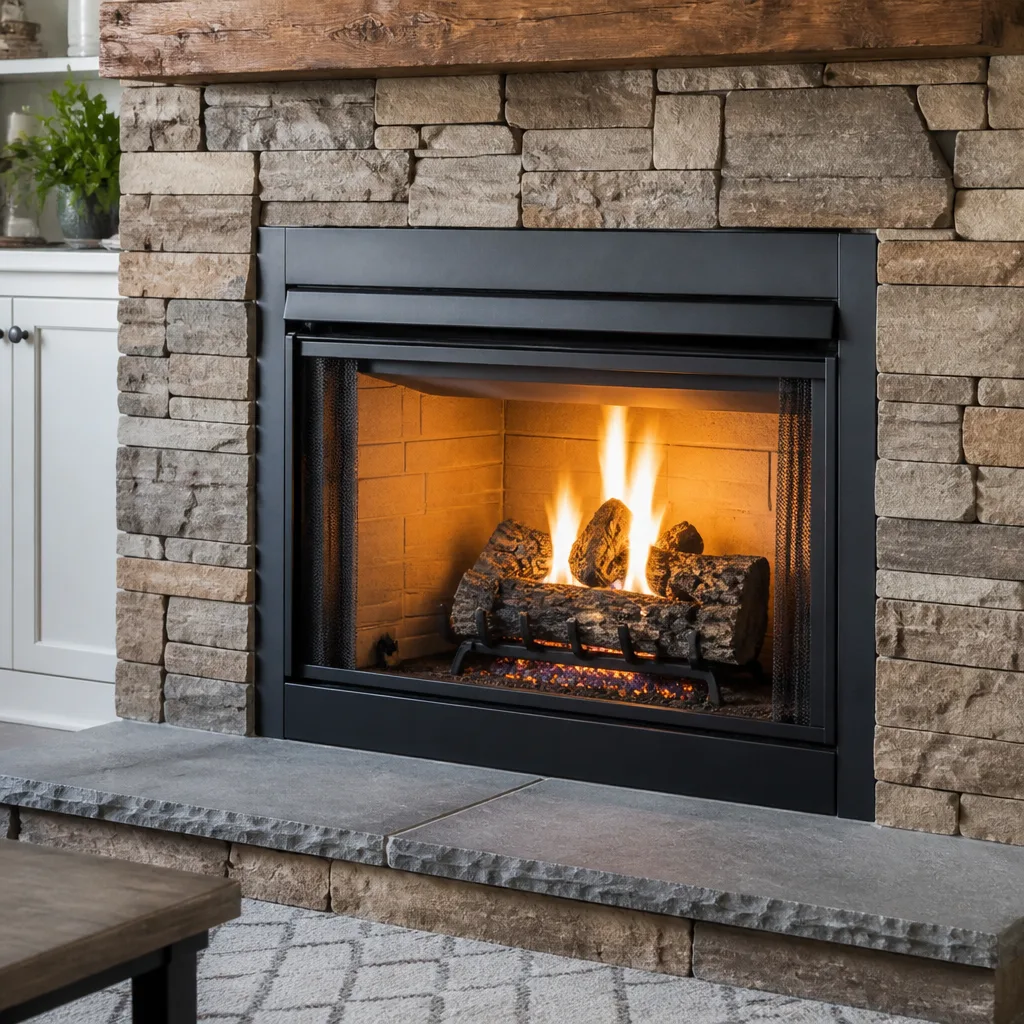 Gas fireplace service
Level 1 sweep and inspection to the NFPA 211 annual standard - flue, crown, cap, and flashing checked and photographed
Chimney sweep logs do not sweep chimneys. They loosen some creosote - which then falls where a brush and vacuum still have to collect it.
Chimney Sweep Maintenance Checklist for North Hills Homeowners
“Annual” is a frequency, not a plan. It tells you how often to think about your chimney, but nothing about which month to look, what to check before the first fire, or how to tell a normal dusting of soot from a problem that needs attention now. North Hills sits in a humid Piedmont climate, and that single fact changes the checklist: moisture, not cold, does the slow damage here, and it works all year while the fireplace sits quiet. What follows is a sequenced, observable checklist you can actually run. Some of it is yours to do with a flashlight. Some of it belongs to a trained sweep. We’ll tell you which is which, and when a phone call beats a DIY glance.
Quick Answer
Run a home chimney checklist three times a year: a pre-season visual check of the firebox, damper, and crown before your first fire; mid-season attention whenever draft weakens, smoke rolls back, or you smell a heavy charred odor; and a post-season check in March or April for moisture, white staining, and a clean flue before the humid months. Pair those with a professional sweep and inspection at the right interval for your use, and a creosote self-assessment using a flashlight and fireplace poker. If any check gives you a clear no-go signal, call a professional before you burn again.
Styles & brands we work with
- Sweep & inspection
- Caps & crowns
- Flue relining
- Masonry repair
- Gas fireplace service
Table of Contents
- The Pre-Season Checklist (September): Before the First Fire
- Your Creosote Self-Assessment: Flashlight and Poker
- Mid-Season Signals That Mean Call Now, Not Later
- The Post-Season Checklist (March – April): Moisture and Liner
- Reading Efflorescence: What White Staining Tells You
- What Happens During a Professional Sweep and Inspection
- Record-Keeping: What to Log and Why It Matters
- Scheduling Your North Hills Maintenance Calendar
The Pre-Season Checklist (September): Before the First Fire
September is the right month for a visual walkthrough because the chimney is at rest and any problem is still cheap to notice. You’re not cleaning anything in this pass; you’re confirming that nothing has changed since last spring and that the system is ready to be used. A flashlight, a mirror on a stick if you have one, and five minutes are enough.
Work from the inside out:
- Firebox: Look for cracked firebrick, loose mortar joints, and metal grate or damper frame corrosion. Hairline cracks in the brick face are common; gaps you could slide a coin into are not.
- Damper: Open and close it fully. It should move without grinding and seal without a visible gap. A damper that won’t close means heat and conditioned air leave the house all winter.
- Smoke chamber and flue throat: Shine the light up past the damper. You’re looking for heavy, shiny, tar-like buildup (that’s creosote, covered below) and for any obstruction.
- Crown: From outside or with binoculars, check the concrete top of the chimney for cracks, crumbling edges, or separation from the flue tile.
- Cap and spark screen: Confirm the cap is seated, undamaged, and screened. A missing or rusted-through cap is the single most common invitation for water, birds, and debris.
- Flashing: Where the chimney meets the roof, the metal flashing and sealant should be intact, not pulling away or rusted through.
If any of steps 1 through 6 gives you a clear no-go signal, book a professional before your first fire rather than after. In North Hills, where fall is short and the first cool evening arrives fast, that September look is what keeps a small repair from becoming a mid-winter surprise.
Your Creosote Self-Assessment: Flashlight and Poker
You can safely judge the condition of your flue from the firebox with two tools and no climbing. This is not cleaning; do not reach up into the flue or try to scrape it out yourself. You’re only reading what you see, and the reading has three grades.
Open the damper, hold a bright flashlight at an angle, and look up the flue. Then use the poker to gently touch the surface at the lowest reachable point of the smoke chamber, without forcing anything upward.
- Grade 1 – soot and light dust: A thin, powdery, gray-black coating you can brush off with light pressure. Normal for a season of burning. It will need sweeping at your usual interval.
- Grade 2 – crusted, flaky black deposits: Soot that has bonded into something closer to a crust, sometimes with a slight sheen. This is the middle grade and a sign you should schedule a sweep sooner rather than later.
- Grade 3 – shiny, hardened, tar-like glaze: This is the most stubborn creosote, and it will not come off with a standard brush. It’s the fuel for a chimney fire, and it needs professional attention. Stop burning until it’s addressed.
A few conditions push you toward Grade 2 or 3 faster: unseasoned or wet wood, damped-down fires that smolder instead of burning hot, and a flue that runs cool. In our experience across North Hills, the smoldering, low-and-slow fire is the biggest creosote driver we see, more than the wood itself. If your last fire left the glass blackened and the smoke never seemed to clear, that’s a clue to look more carefully.
What you’re looking at above the reachable point genuinely matters, and it’s why a professional sweep with a camera is the only complete answer. Your check tells you whether to call now or wait; it can’t tell you the condition of the full run of the flue.
Mid-Season Signals That Mean Call Now, Not Later
Most homeowners wait until the end of the season to book a sweep. That’s backwards for the problems that matter. Several mid-season signals mean the system has changed while in use, and the safest move is to pause burning and get it checked rather than push through to spring.
Call a sweep now, not at season’s end, if you notice any of these:
- Smoke rolling back into the room when the damper is open, or a fire that won’t draw until it’s roaring. A change in draft usually means a partial obstruction or a flue that’s lost efficiency.
- A heavy, sharp, charred smell that lingers in the room or comes from the chimney when the fireplace is cold. A light smoky smell after a fire is normal; a persistent acrid one is not.
- Falling soot or dark flakes in the firebox, or bits coming loose around the damper.
- Visible glowing or a loud roaring, popping sound during a fire. Treat this as a possible chimney fire. Close the damper, get everyone out, and call the fire department, then book an inspection before you burn again.
- The smoke chamber or damper goes stiff or the damper won’t seal as it did a month ago.
- Water staining or a drip near the firebox, which in a humid Piedmont winter can appear between fires.
None of these is a reason to panic, and none means something catastrophic has happened. They are simply the conditions where waiting until March turns a routine sweep into a repair. If you’re unsure whether a signal warrants a visit, describe it when you call. A chimney-only specialist can usually tell you whether to stop burning or whether it can safely wait for your next appointment.
The Post-Season Checklist (March – April): Moisture and Liner
This is the checklist that’s specific to a humid Piedmont climate, and it’s the one most homeowners skip. In North Hills, spring and summer bring weeks of warm, damp air, and a masonry chimney absorbs moisture like a sponge when it can. The post-season pass is your chance to catch water intrusion and liner wear before the wet season settles in, and it’s when a liner check is easiest to act on because you’re not depending on the fireplace for heat.
- Look for water inside. Check the firebox and the base of the chimney for dampness, rust on the damper or grate, and a musty smell. Any of these points to water getting in from above.
- Check the crown and cap again. Winter freeze-thaw widens existing cracks. A crown crack that was cosmetic in October can be a real entry point by April.
- Look for white staining on the exterior. Efflorescence (covered below) is a moisture signal, not just a cosmetic one.
- Have the liner checked during your spring sweep. Clay tile liners can crack, spall, or shift, and a stainless liner can separate at a joint. A camera inspection shows the full run of the flue, which your flashlight cannot.
- Confirm the cap’s screen is intact after winter storms and nesting season.
- Note the firebox masonry. Winter’s heat cycles and spring’s damp are hard on mortar joints; catch crumbling early.
Spring is also the ideal time to book a sweep if you didn’t in the fall, because the humid months are exactly when you want the flue clean and dry. If you want the sweep and repair handled in one relationship, that’s the point of working with a chimney-only company. When something in this spring check needs fixing, we can schedule the repair while the diagnosis is fresh instead of rediscovering it in September.
Reading Efflorescence: What White Staining Tells You
Efflorescence is the white, chalky, powdery staining that appears on brick and mortar, and it’s the most misread signal on any home checklist. It is salt drawn to the surface as moisture moves through masonry and evaporates. The staining itself is harmless and can be brushed away. What it announces is that water is moving through the chimney, and that’s the part worth your attention.
In North Hills, a humid climate makes efflorescence common on exterior chimney stacks, especially on the sun-facing side and around the crown and flashing. A little, fading over a dry spell, is not a red flag. Here’s how to read it:
- Light, powdery, seasonal: Moisture is present but moving through and drying out. Note it and watch the crown and flashing.
- Heavy, recurring, or crusty: Persistent moisture is feeding through the masonry. This usually means a crown crack, failed flashing, or an open chimney top.
- Combined with interior dampness or a musty smell: Water is getting inside the chimney system, not just passing through the shell. Book an inspection.
Efflorescence is why the post-season check matters more here than in a dry climate. The moisture that leaves the stain is often the same moisture that softens mortar and rusts a damper. Catching the crown or flashing early is the difference between a straightforward cap and crown repair and a larger masonry job later. And if the staining keeps returning after you’ve cleared it, the source hasn’t been fixed, so it’s time to look more closely at the top of the chimney rather than the stain itself.
What Happens During a Professional Sweep and Inspection
A professional visit is not just a brush down the flue. A good sweep cleans the full system to the extent needed, inspects it, and gives you a photo report of what was found. For homeowners in North Hills who want to understand what they’re paying for, here’s the sequence a specialist visit typically follows.
- Level I inspection: The technician examines the readily accessible parts: firebox, damper, smoke chamber, flue, cap, crown, and flashing. This is the standard inspection for a chimney with no known problems, and it aligns with normal NFPA 211 guidance.
- Sweeping: The flue is cleaned with brushes sized to the liner, and the firebox, smoke chamber, and damper area are cleared of soot and creosote. Modern sweeps use containment to keep dust in the work area.
- Camera inspection when needed: A Level II inspection adds video scanning of the flue, which is how cracks, gaps, and joint separations in a clay tile or stainless liner actually get seen. This is standard after a chimney fire, after a change to the system, or when you’re buying or selling.
- Level III when required: If there’s reason to suspect hidden damage, parts of the chimney may need to be opened for inspection. This is uncommon and only done when the evidence calls for it.
- Report and recommendations: What was found, what can wait, and what should be addressed. A report with photos lets you see the same thing the technician saw.
The repair side that follows matters too. A deteriorated flue can often be restored with HeatShield, a ceramic resurfacing system applied by a certified technician, rather than a full reline. Where a liner does need replacing, professional-grade components such as a DuraFlex stainless liner are the standard, not a big-box substitute. A repair like a cracked crown or missing cap often turns into a single visit when the specialist carries the right cap and cover products. A chimney-only company handles sweeping, inspection, chimney cap & crown work, liner repair, and structural repair without a referral runaround.
Record-Keeping: What to Log and Why It Matters
The least glamorous item on this checklist is the one that pays off at resale and at claim time. Keep a simple record of every professional visit, and the chimney’s history stops being a mystery. A homeowner in North Hills selling a house will be asked about the chimney, and “last swept in spring, here’s the report” is a far better answer than a shrug.
Log the following after each visit:
- The date and the service performed (sweep, Level I or II inspection, cap install, liner work).
- The inspection level and findings, including any problem the technician flagged as watch-only.
- Photos or the photo report, kept with the home maintenance file.
- Any repair performed and the products used (for example, a HeatShield application or a DuraFlex liner).
- The technician’s recommended next interval so your next booking date is decided for you.
Why it matters: insurers sometimes ask for proof of maintenance when a chimney-related claim is filed, and a clean paper trail supports your position. At resale, documented maintenance answers buyer questions before they become negotiation points. And for your own decisions, a log tells you whether that crack appeared recently or has been there and stable for two years. Keep it with your furnace and roof records; it’s the same kind of document.
Scheduling Your North Hills Maintenance Calendar
Turn the three seasonal passes above into a standing rhythm and the annual question answers itself. “Annual” cleaning is right for average use, but the calendar for a North Hills home should be built around the humid summer, not a random month.
- September: The pre-season visual pass, before the first fire. If you haven’t had a professional sweep in the last year, book it now so it’s done before heating season.
- Mid-winter (or whenever a signal appears): React to draft changes, odor, or falling soot immediately. Don’t wait for the end of the season.
- March – April: The post-season pass, timed to catch moisture and liner wear before the humid months. This is also the best window to schedule repair work that was flagged in the fall.
- Heavy use: If you burn frequently, or burn damp or unseasoned wood, your sweep interval shortens. A creosote check tells you when to move it up.
If you want an easy rule, this is it: sweep and inspect before heating season and inspect for moisture after, and call immediately if a signal appears in between. When the chimney fails a check, don’t put it off until fall; spring in North Hills gives you the time to repair without losing fireplace season. If you’re a newer homeowner and unsure how much the previous owner burned, start with a Level II inspection rather than a guess. A camera view of the flue settles it.
Common Mistakes to Avoid
- Skipping the spring check. North Hills’ humid climate means the wet-season damage happens while the fireplace is off, so a September-only mindset misses the moisture problems that matter most here.
- Burning wet or unseasoned wood. It runs cool, smolders, and builds creosote faster than dry wood. If your glass is blackening and the fire struggles, the wood is often the reason.
- Damping a fire down to make it last. The long, low smolder is the biggest creosote driver we see, and it’s the habit most worth breaking.
- Ignoring the cap. A missing, rusted, or unscreened cap invites water, birds, and debris, and it’s one of the cheapest items to fix before it causes a repair.
- Trusting the flashlight check as the whole answer. Your glance tells you whether to call; it can’t see the full run of the flue or a hairline liner crack the way a camera can.
- Cleaning or scraping the flue yourself. Reading your own flue with a light and poker is safe; reaching up to scrape creosote or clear an obstruction is not, and it’s a leading way people get hurt or damage the liner.
- Replacing a whole liner when a resurfacing would do. Without an inspection, it’s easy to assume the worst. Ask whether a HeatShield ceramic resurfacing is an option before you accept a full reline quote.
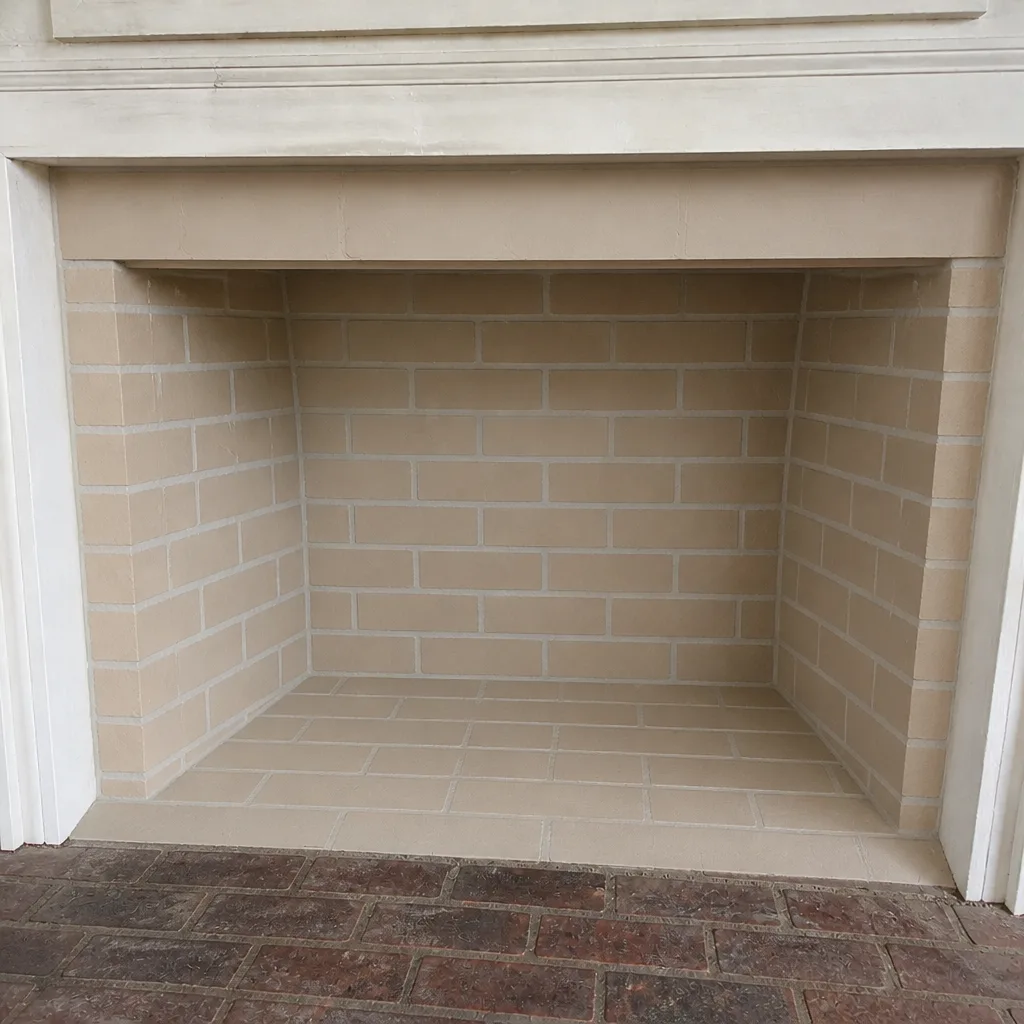
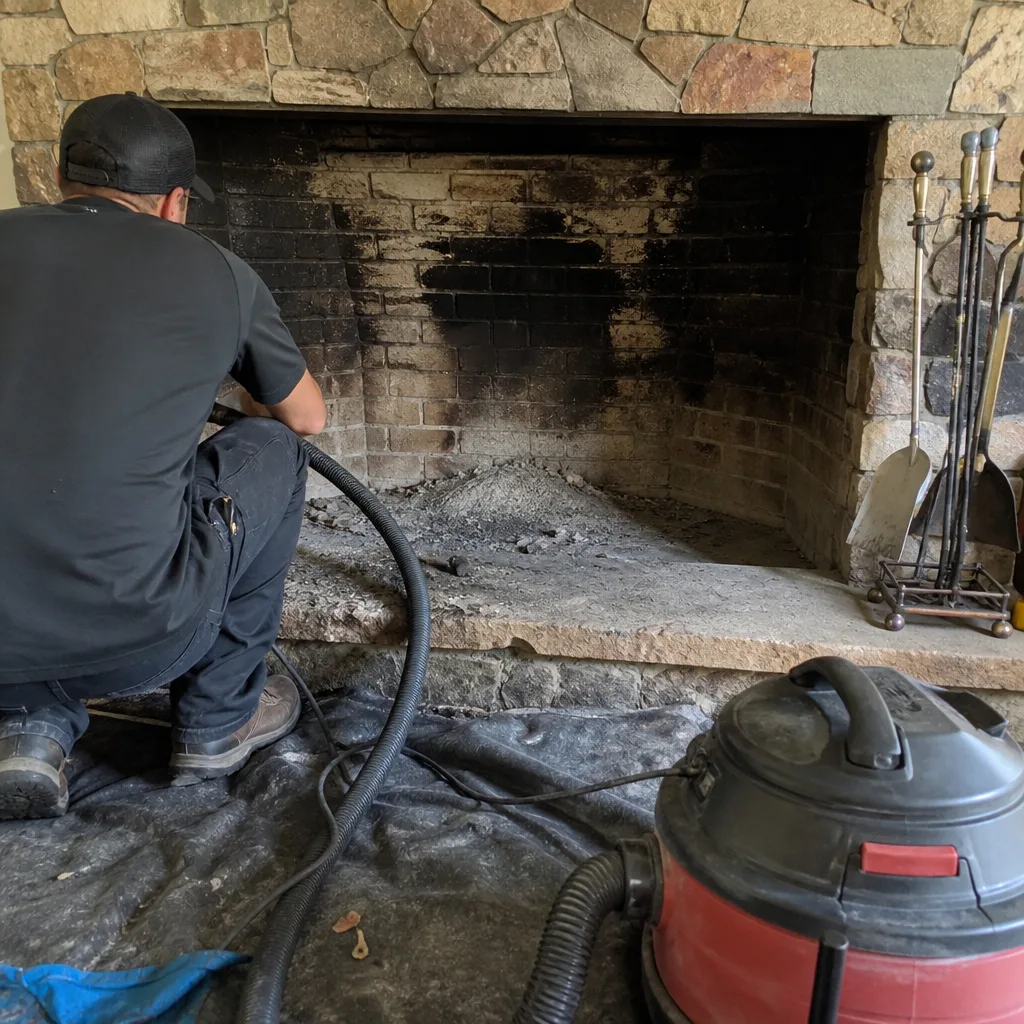
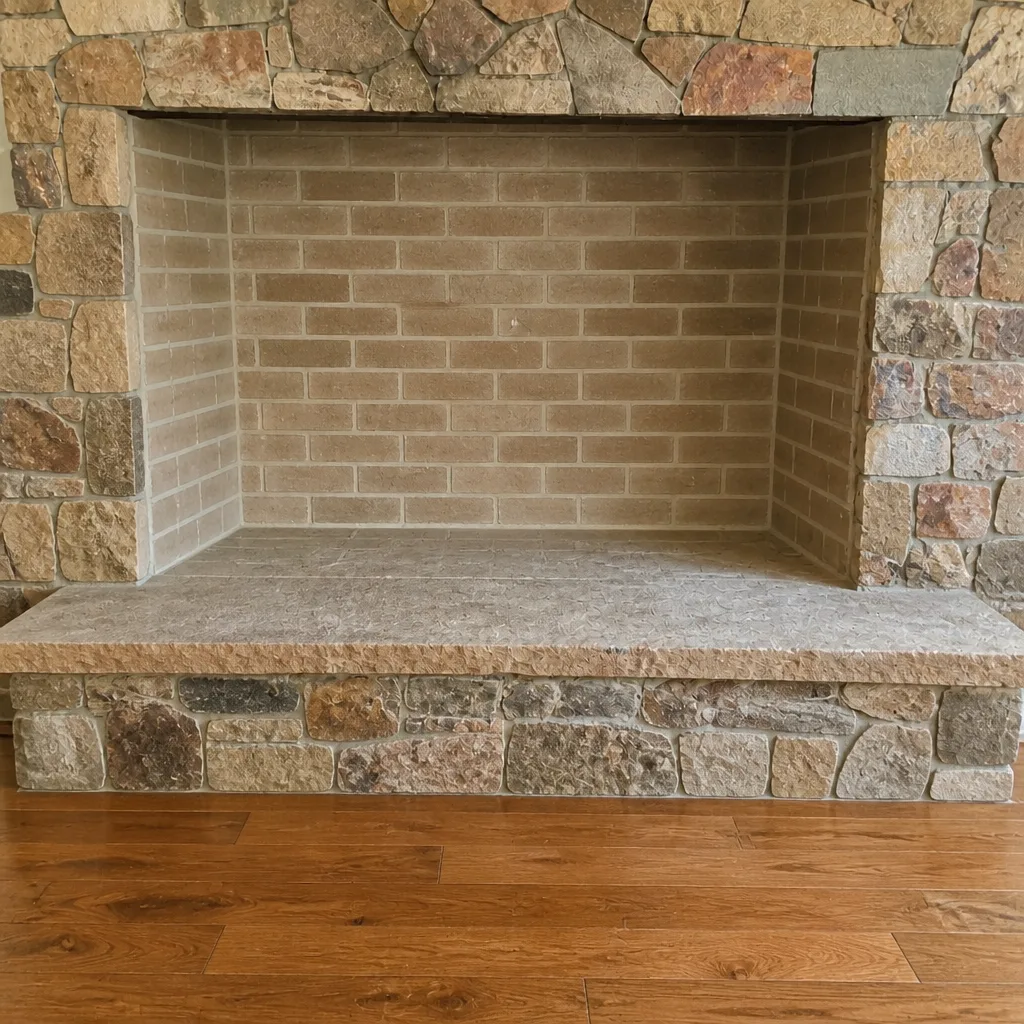
See the difference
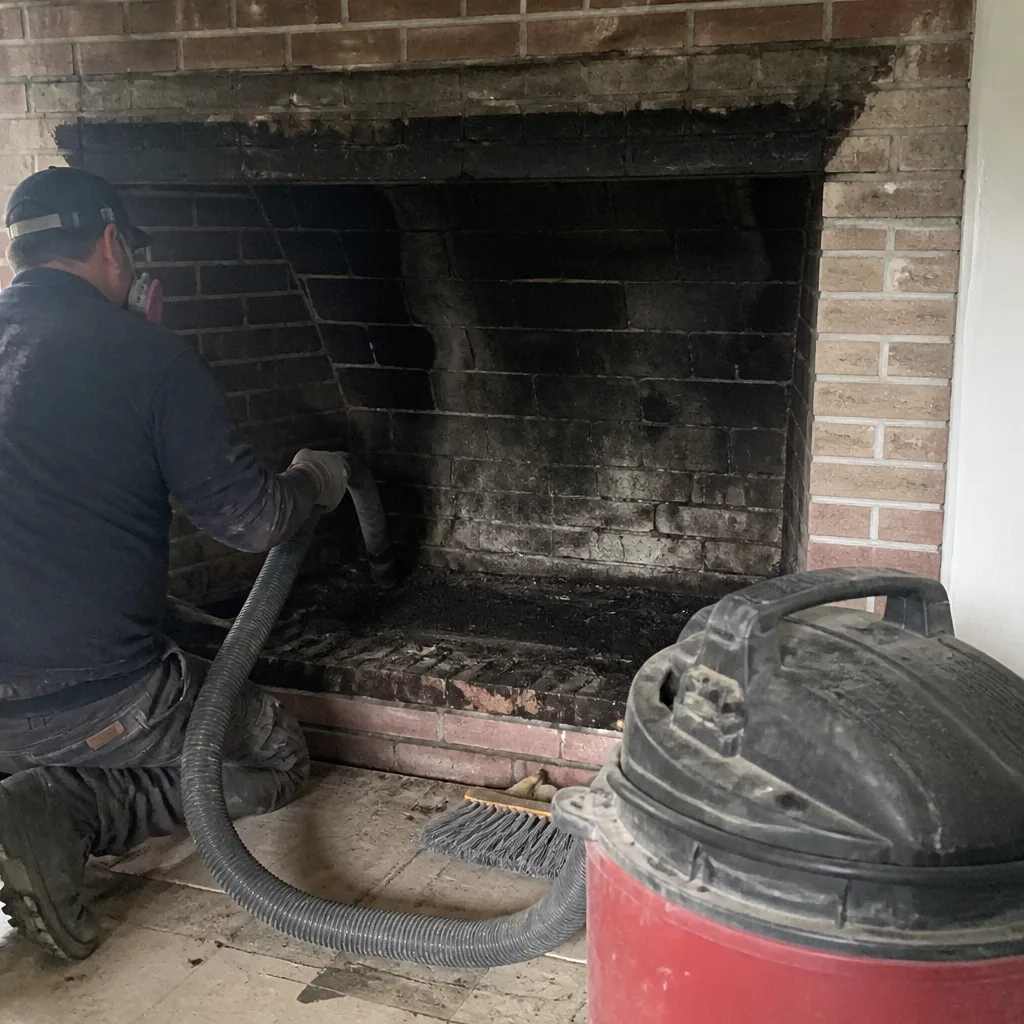 Before
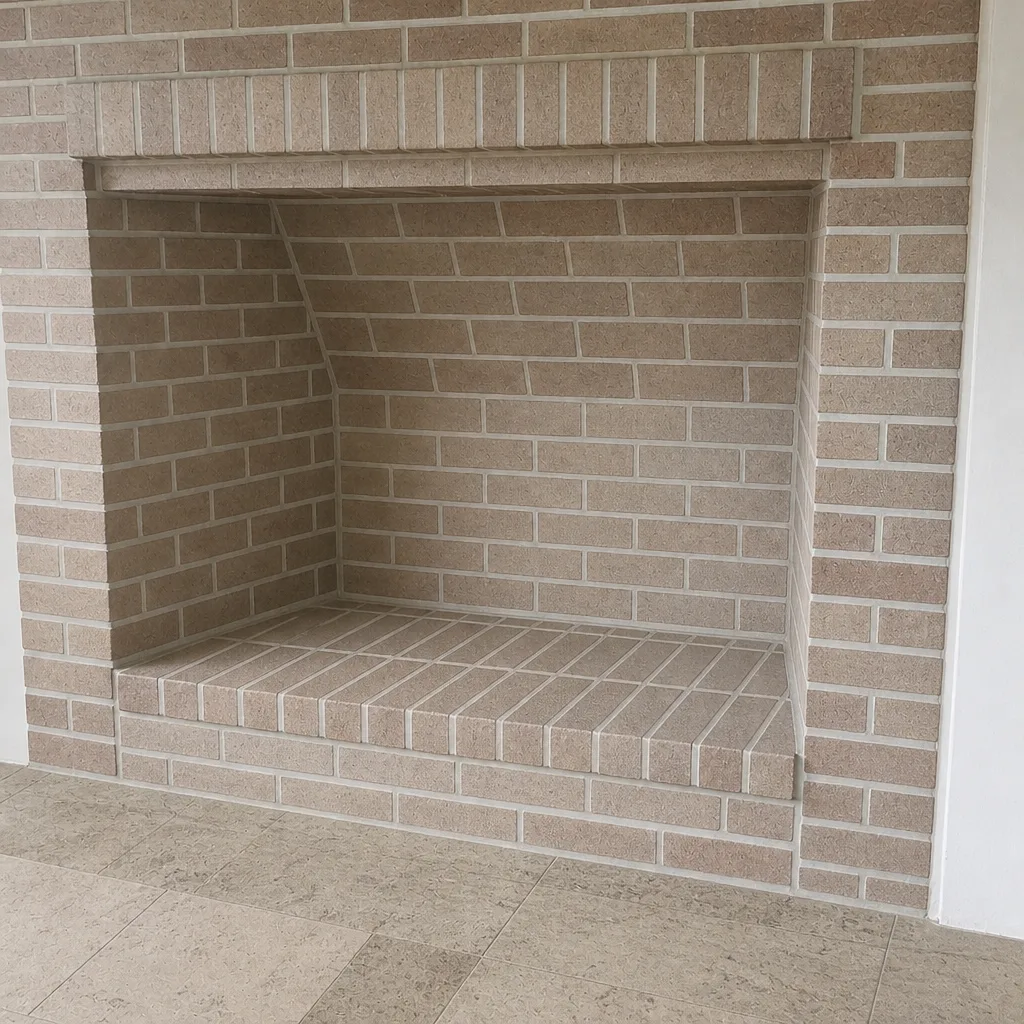 After
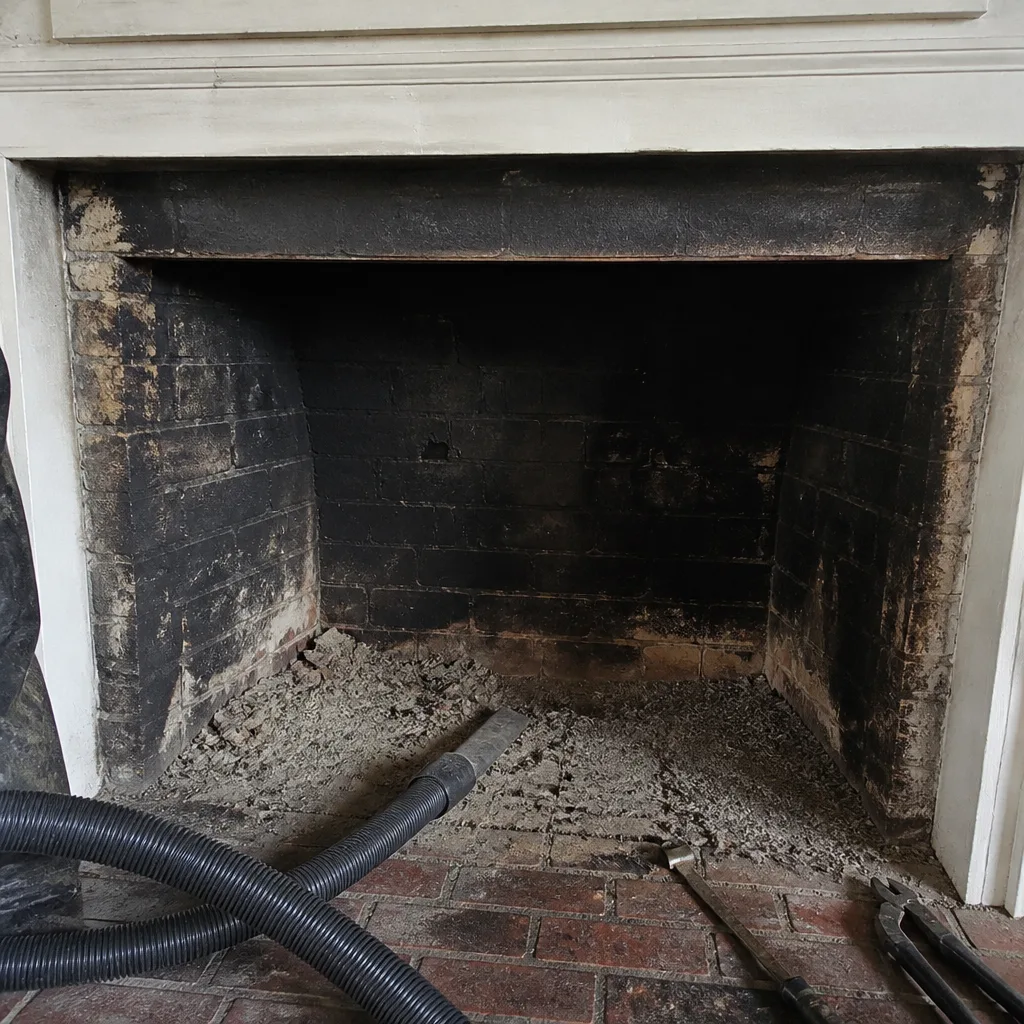 Before
 After
 Before
 After
When to Call a Professional
Some findings are yours to note; some are a call. Call a professional if you hear a loud roar or popping during a fire, if smoke rolls back when the damper is open, if you see shiny Grade 3 creosote or falling soot, if there’s water staining or a musty smell inside the firebox, or if the crown, cap, or flashing shows damage. Book a sweep if you can’t remember your last one, or if you use the fireplace heavily. And if you’re buying or selling a home in North Hills, get a Level II inspection so the chimney’s condition is documented before it’s a negotiation. Chimney Sweep North Hills offers free estimates in North Hills, and our technicians have up to 15 years of experience. Call Chimney Sweep North Hills at (877) 770-1236 to book.
Frequently Asked Questions
Once a year for average use is the standard, and heavy use or burning wet wood shortens the interval. In a humid climate like North Hills, also plan a spring check for moisture and liner wear even in years the sweep falls in fall. Call (877) 770-1236 for an exact quote – estimates are free.
You can safely inspect your firebox and lower flue with a flashlight and poker, but you shouldn’t sweep or scrape the flue yourself. Creosote removal high in the flue risks injury and liner damage, and it needs the right brushes and containment. Book a chimney sweep instead, and call (877) 770-1236.
Smoke rolling back into the room, a strong charred smell when the fireplace is cold, falling soot, or a change in draft all mean call now, not later. These signals mean the system has changed while in use, and waiting risks a bigger repair. Call (877) 770-1236 for an exact quote – estimates are free.
White staining, or efflorescence, means moisture is moving through the masonry and leaving salt behind as it dries. Light seasonal staining is common in North Hills’ humid climate; heavy or recurring staining points to a crown, flashing, or cap problem. Call (877) 770-1236 for an exact quote – estimates are free.
Often a resurfacing rather than a full reline. HeatShield is a ceramic resurfacing system that can restore a deteriorated flue without the cost of relining, and where a liner does need replacing, a professional-grade stainless liner such as DuraFlex is the standard. A camera inspection tells you which. For fireplace repair and liner questions, call (877) 770-1236.
Log the date, service performed, inspection level, findings, any repair and products used, photos or the photo report, and the recommended next interval. That record supports insurance claims and answers resale questions. If you’re unsure what to keep, ask when you book; call (877) 770-1236.
The Bottom Line
A chimney maintenance checklist works when it’s a sequence, not a single annual reminder. Run the September pre-season pass before your first fire, react to mid-season signals the day they appear, and do the March – April moisture and liner check for the humid months that follow. Judge your own flue with a light and poker, but leave the camera and the brush to a specialist. Keep a record of every visit, and treat white staining as a moisture clue worth reading. In North Hills, that rhythm catches water damage in spring and creosote before it fires in winter. When a check fails, book the sweeps, inspections, and repairs with one company. We use DuraFlex, HeatShield, Gelco, and Olympia Chimney, so the parts and the know-how sit with the same team.
Ready to Book Your Maintenance Visit?
When your checklist turns up a no-go signal, or the calendar says it’s time, we’re your chimney company. We sweep, inspect, repair, cap, crown, and restore in one relationship. Call (877) 770-1236 for a free estimate. We answer 24/7. Fast dispatch from 7am to 7pm, Sunday through Friday.
Written by the team at Chimney Sweep North Hills.