
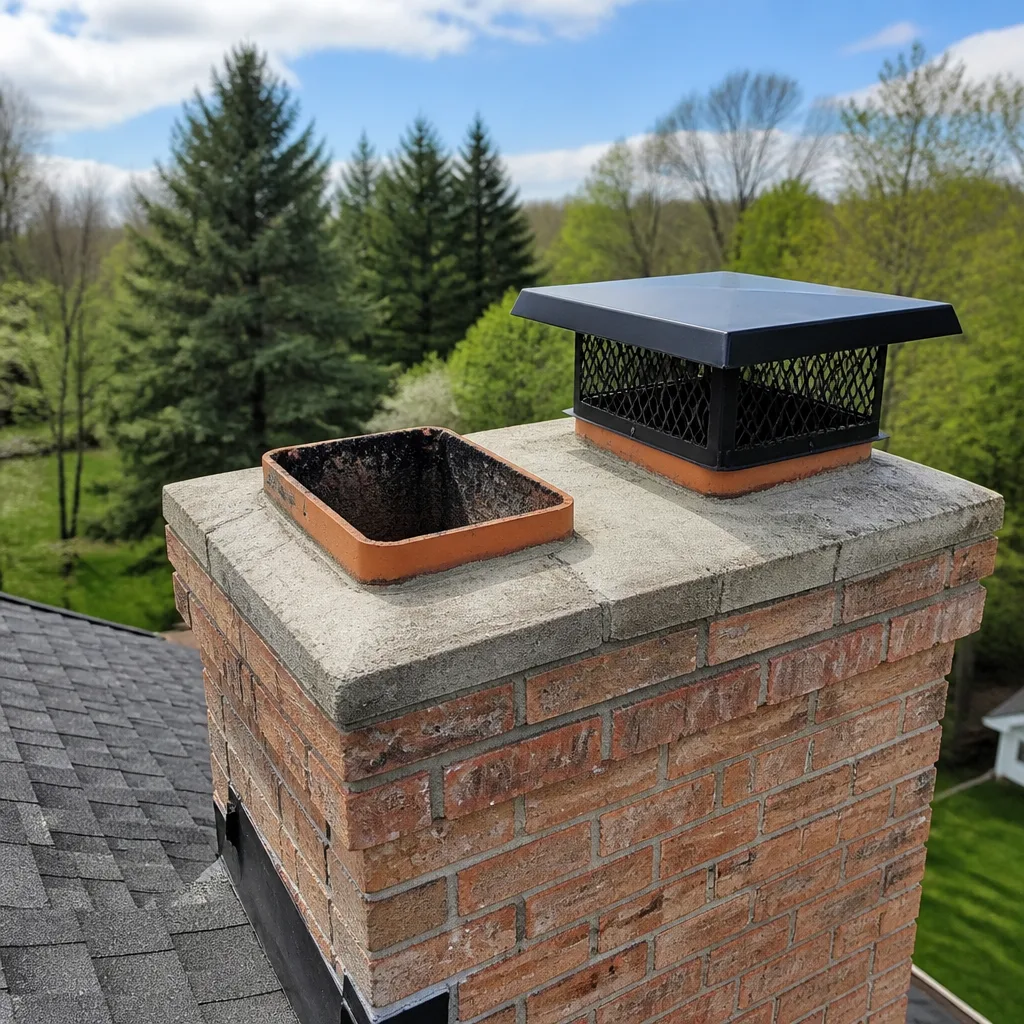
 Sweep & inspection
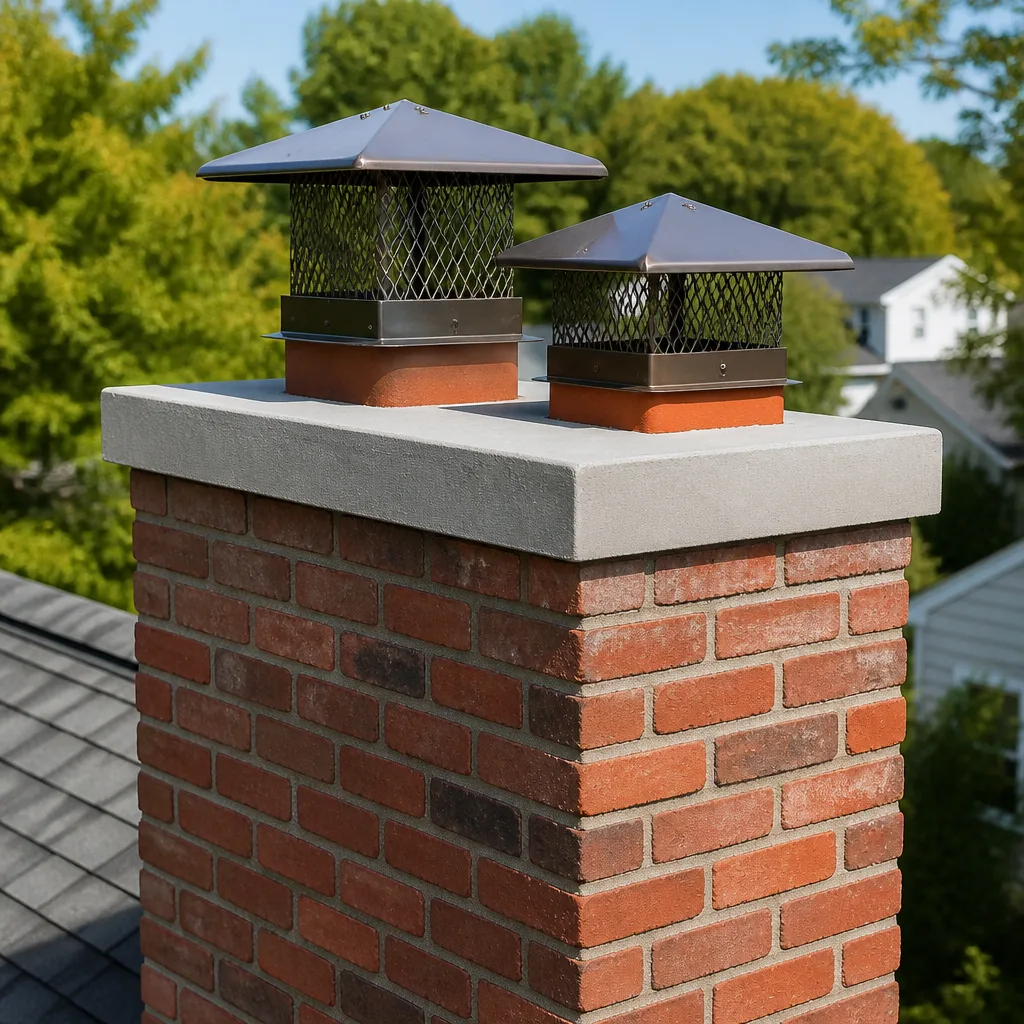 Caps & crowns
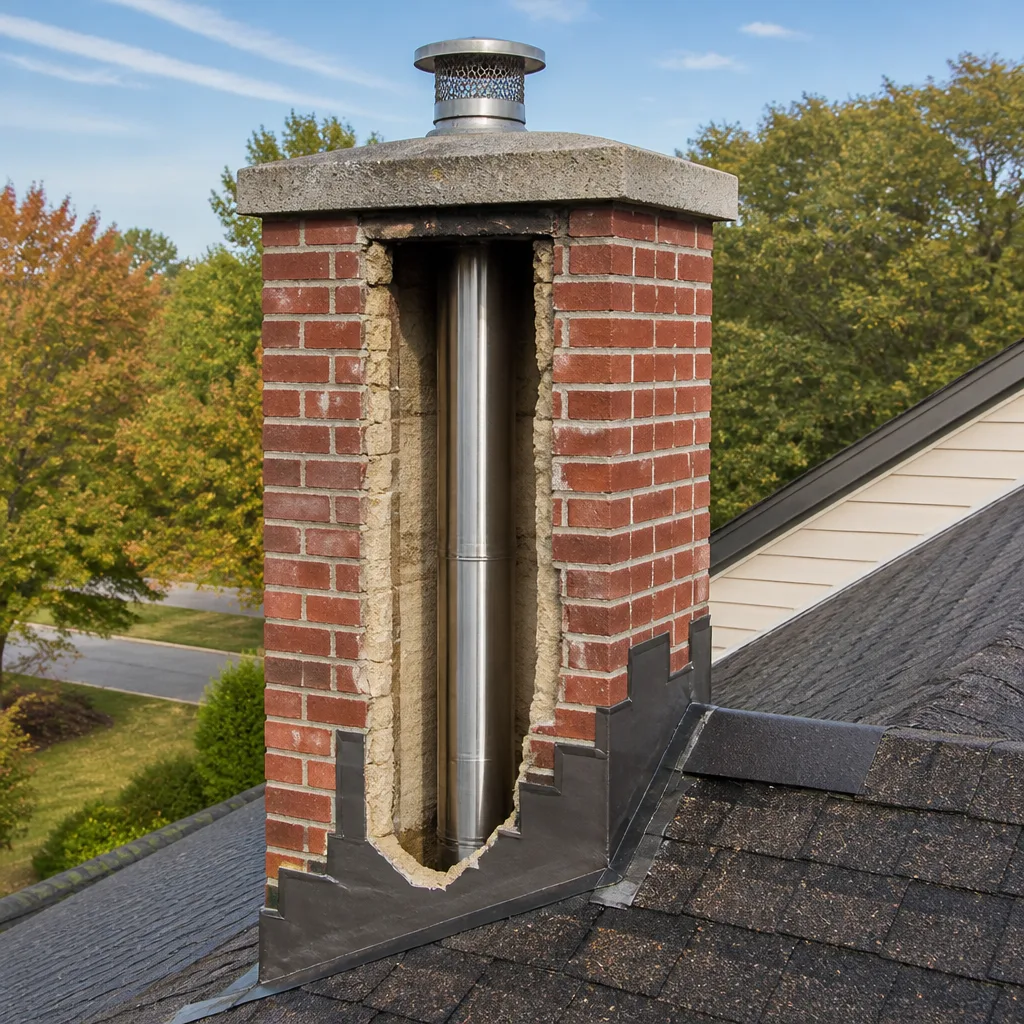 Flue relining
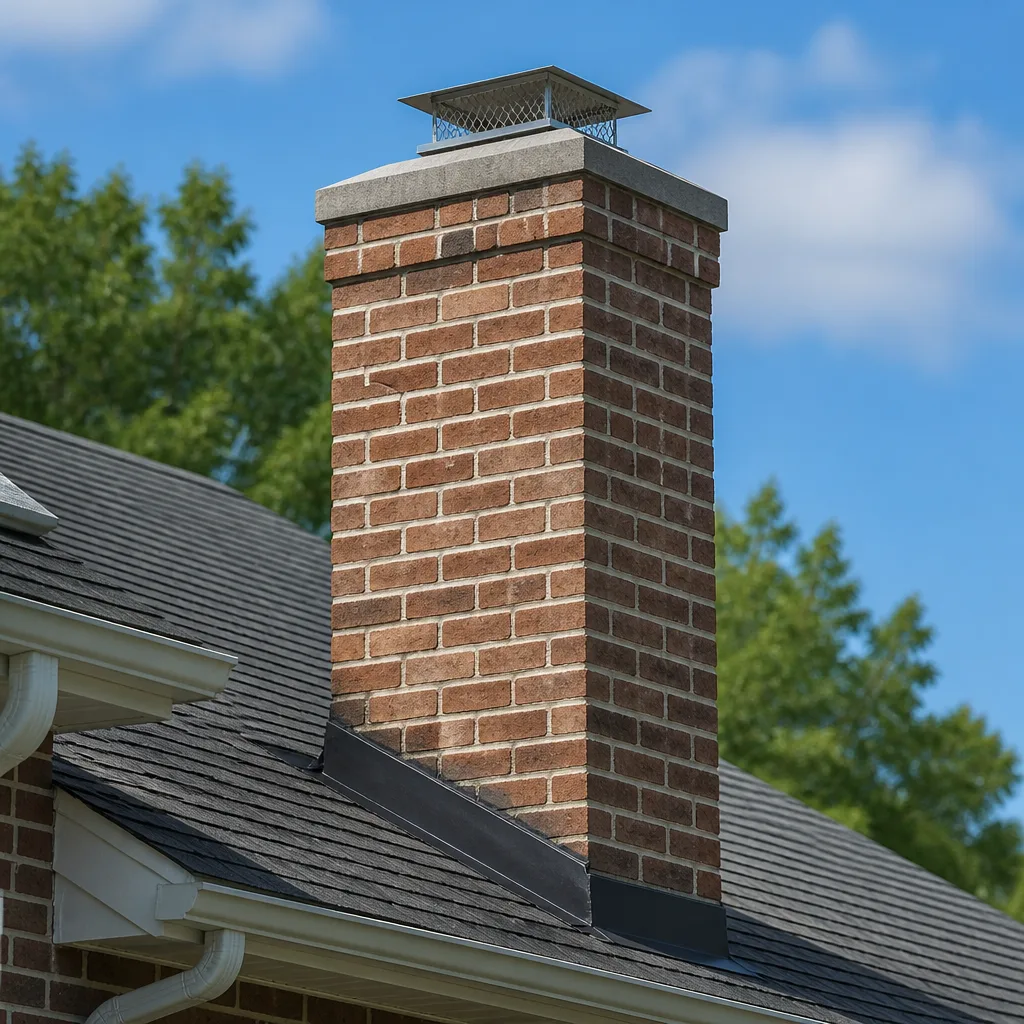 Masonry repair
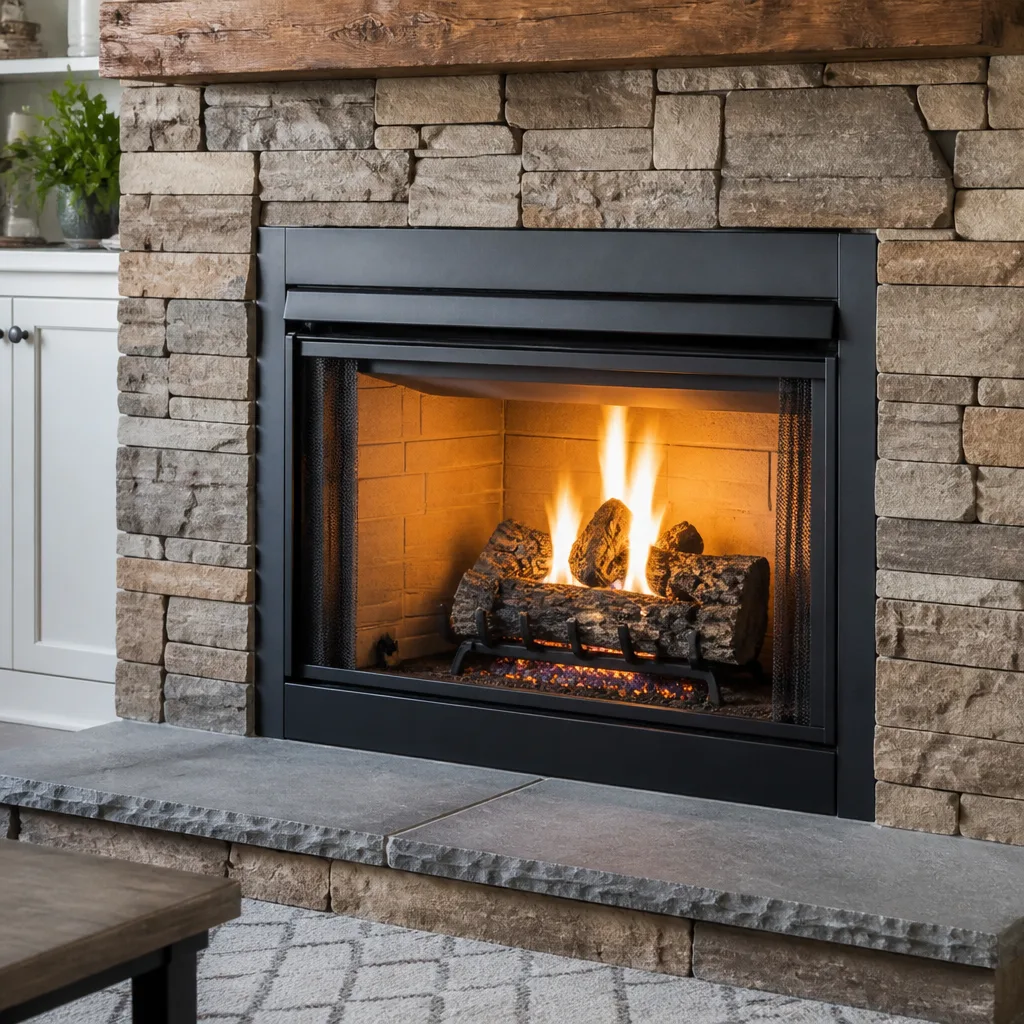 Gas fireplace service
Level 1 sweep and inspection to the NFPA 211 annual standard - flue, crown, cap, and flashing checked and photographed
Chimney sweep logs do not sweep chimneys. They loosen some creosote - which then falls where a brush and vacuum still have to collect it.
Styles & brands we work with
- Sweep & inspection
- Caps & crowns
- Flue relining
- Masonry repair
- Gas fireplace service
See the difference
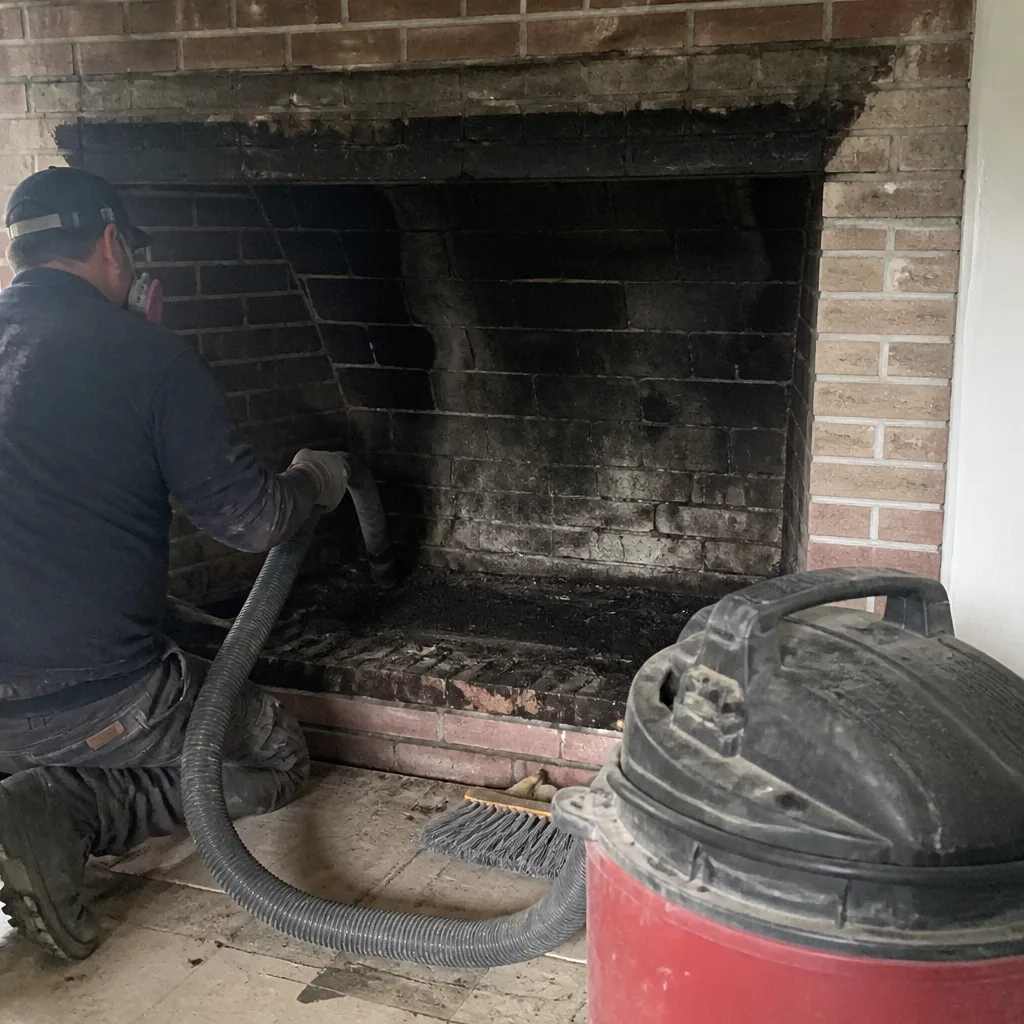 Before
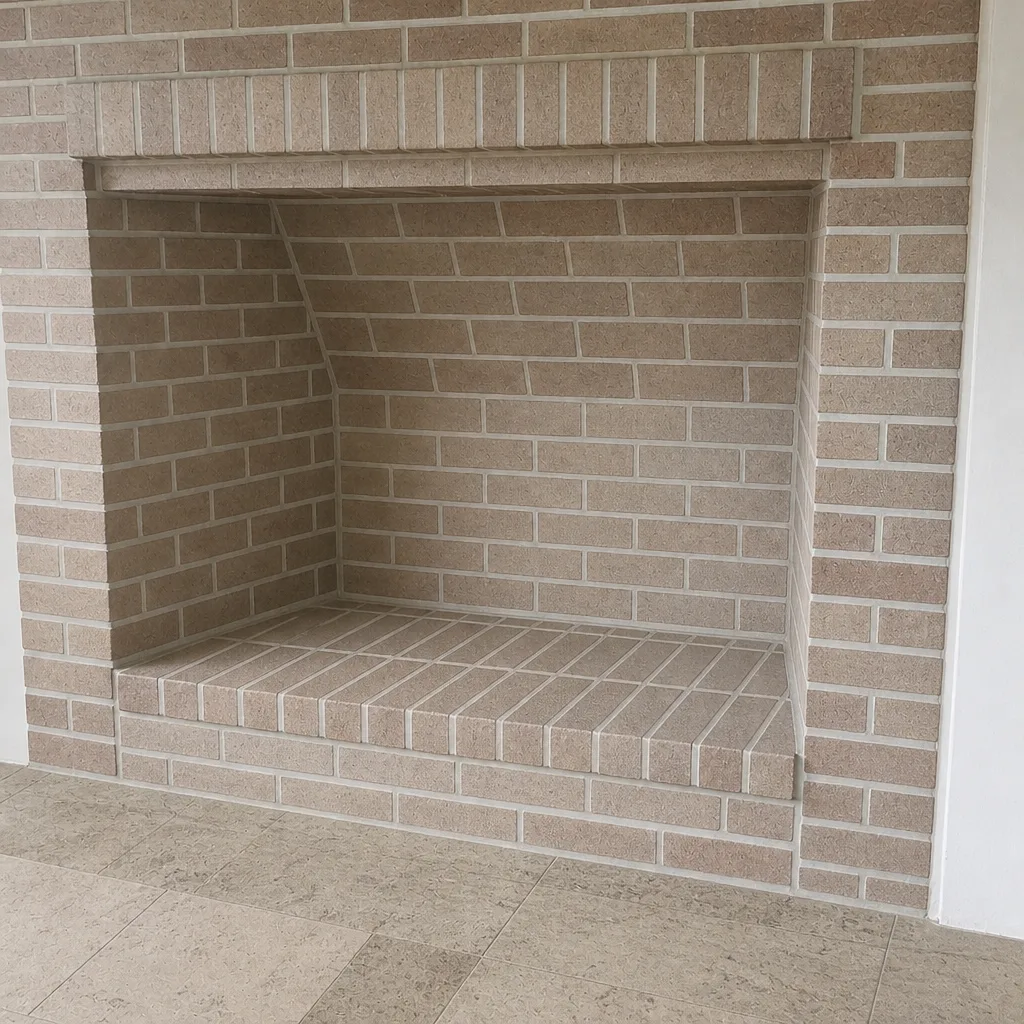 After
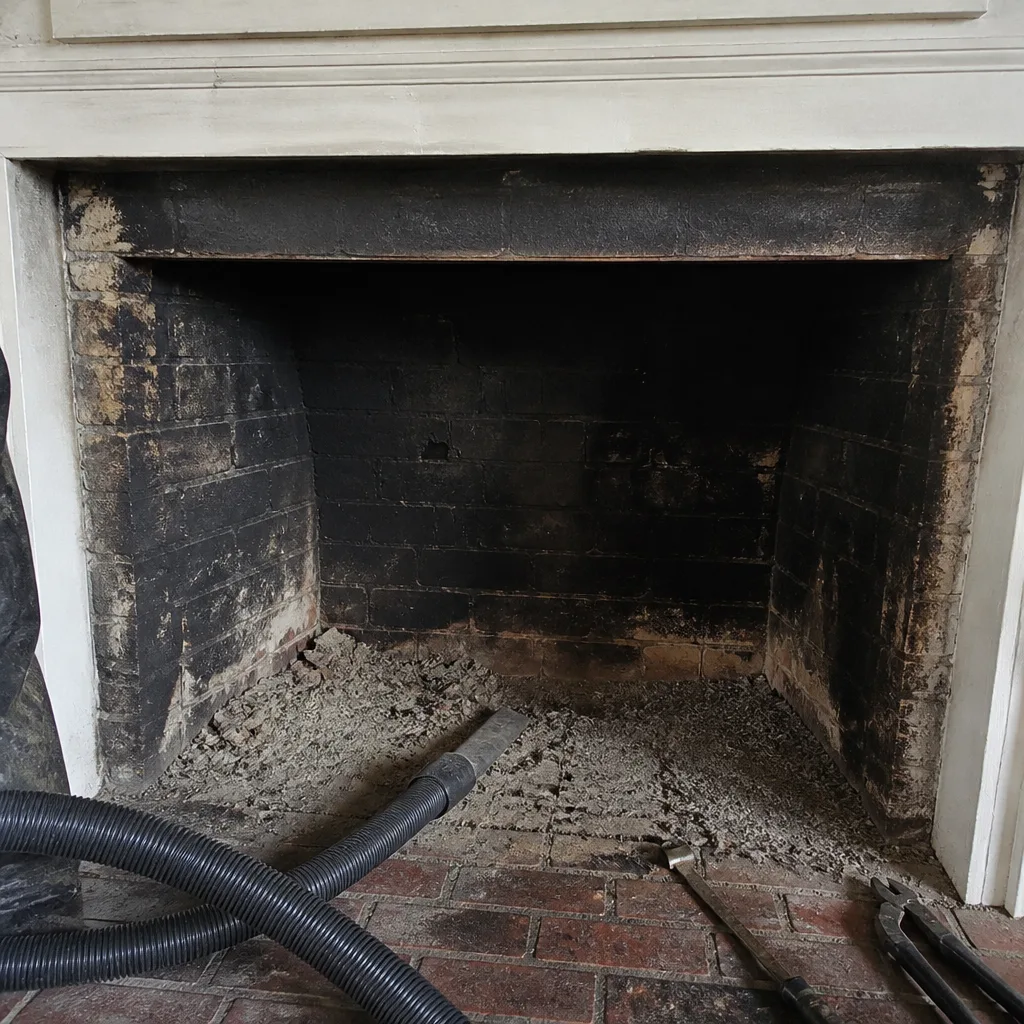 Before
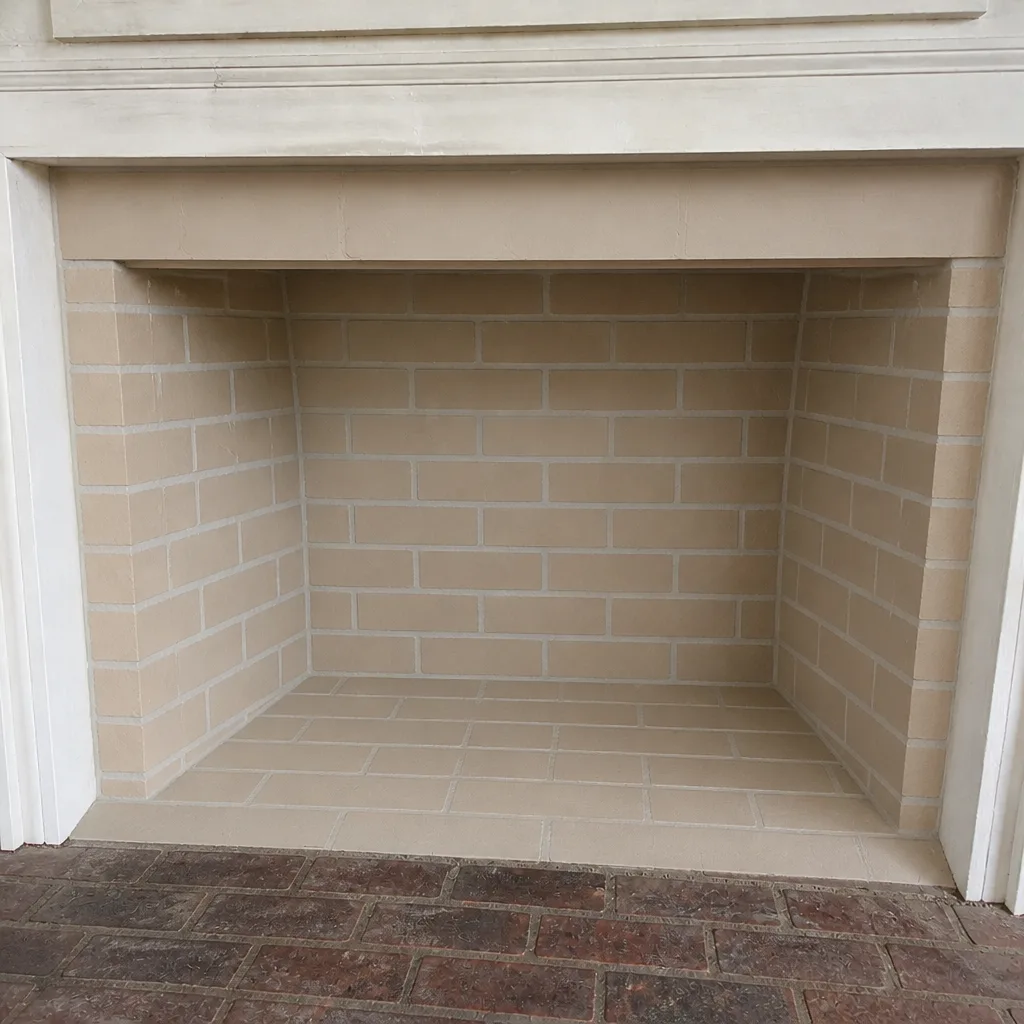 After
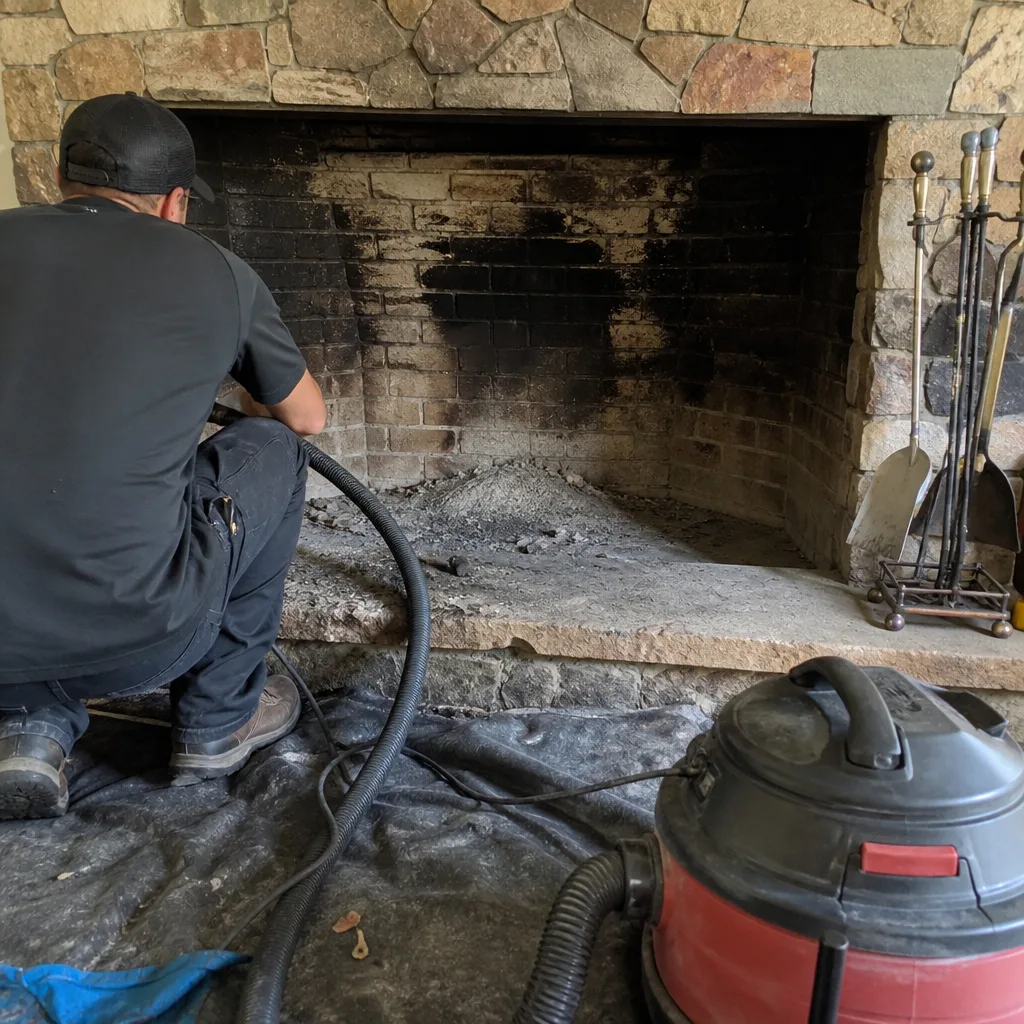 Before
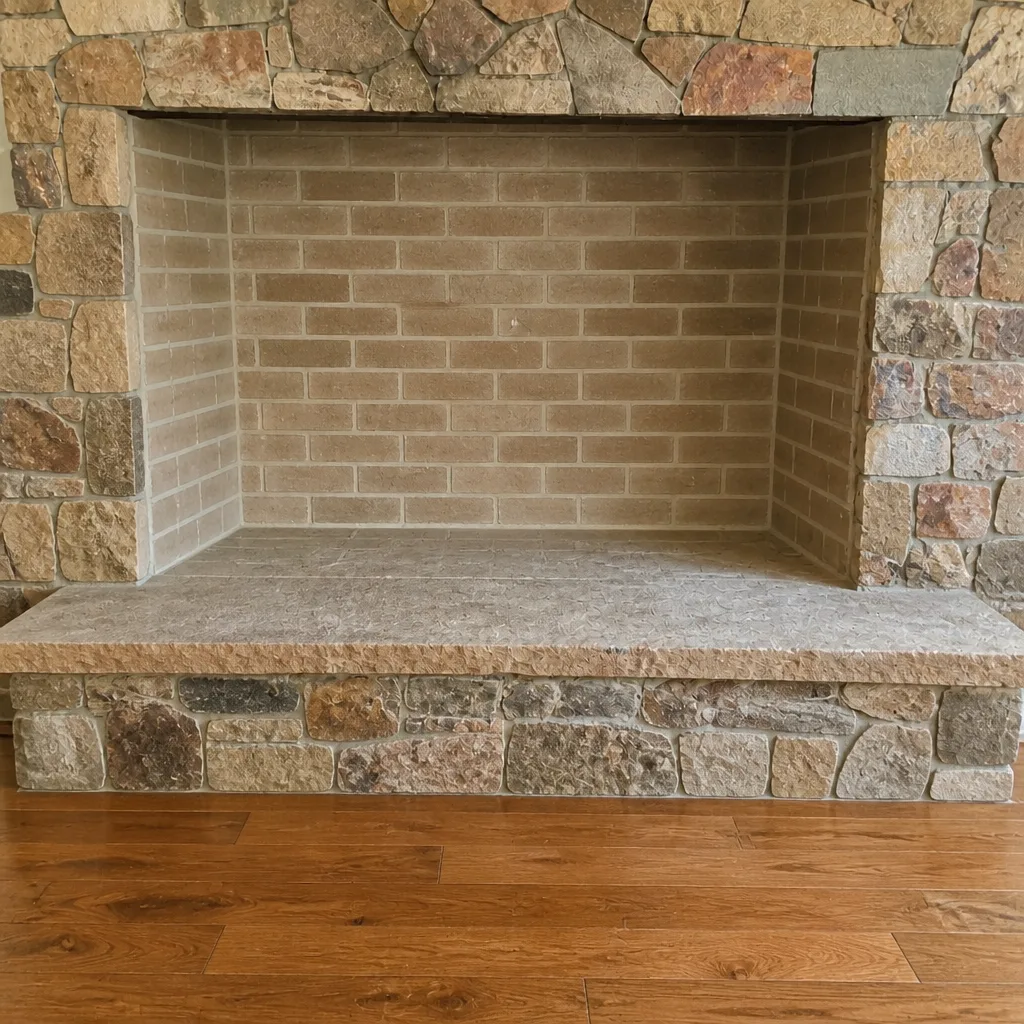 After
How Much Does Chimney Cleaning Cost in Glenwood South?
Chimney cleaning in Glenwood South typically costs $205 to $390 for a standard single-flue wood-burning fireplace, and most homes land near the middle of that range. A gas fireplace with a prefabricated vent runs less, usually $130 to $230, because there’s no creosote load to speak of. If your flue hasn’t been swept in several seasons, or the fireplace has a firebox insert, expect the higher end.
Every quote we write is free and set per job, so the written estimate is the number that counts, not a phone figure. Call (877) 770-1236. We answer 24/7. Fast dispatch from 7am to 7pm, Sunday through Friday.
Key takeaways
- Standard wood-burning sweep in Glenwood South: $205 to $390.
- Gas and prefab vent cleaning: $130 to $230.
- Most sweeps take 45 to 90 minutes on site.
- Add a Level II inspection most years for $150 to $325.
- Estimates are free. The written quote sets the price.
Chimney Cleaning Cost Breakdown (2026)
Here’s how the pieces of a chimney cleaning job price out in the Glenwood South market. Ranges reflect what homeowners here typically see from a dedicated chimney specialist, not a general handyman who happens to own a brush.
| Line item | Typical range | Notes |
|---|---|---|
| Standard sweep, single wood-burning flue | $205 – $390 | Includes firebox, damper, smoke shelf and flue brush |
| Gas or prefab vent cleaning | $130 – $230 | Lighter debris load, no creosote glaze |
| Second flue, same chimney | $90 – $175 | Common in older two-flue masonry stacks |
| Firebox and smoke chamber cleaning | $75 – $165 | Added when the firebox is heavily sooted |
| Level I inspection (with sweep) | $75 – $150 | Readily accessible portions, most common inspection |
| Level II inspection (camera) | $150 – $325 | Recommended after a change in the system or before a sale |
| Cap replacement, Famco or Copperfield | $130 – $310 | Can be done on the same visit as the sweep |
| Crown repair or resurfacing | $310 – $820 | Priced by crown size and damage |
| HeatShield liner resurfacing | $1,500 – $2,900 | Restores a deteriorated flue without full relining |
| DuraFlex stainless relining | $2,700 – $5,400 | Full length and flue size drive the range |
What moves the number most is creosote. A fireplace used a handful of times each winter brushes out quickly. One that sees a fire most cold nights in a masonry stack can build glazed, tar-like creosote that takes longer to remove and needs a chemical treatment first. Access matters almost as much. A chimney on an accessible roofline is straightforward; one behind a steep pitch, a low slope or a tight side yard takes more setup time and more care, and that’s reflected in the estimate.
The other swing factor is what the sweep finds. A cleaning often turns up a cracked crown, a missing cap or a flue tile joint that’s pulling apart. We quote those separately, in writing, before touching anything. You decide what goes ahead. We stock Famco and Copperfield caps and covers, so a missing cap can usually be solved on the same visit rather than with a second appointment.
What Affects Chimney Cleaning Pricing in Glenwood South
Glenwood South is an unusual mix of housing types for a single neighborhood, and that shows up in chimney pricing. Renovated early-1900s four-squares and bungalows sit a few blocks from newer condos and converted warehouses, and each has a different chimney system. Here’s what actually drives the quote.
- Chimney type and material. A traditional masonry stack in an older Glenwood South home holds more soot and takes longer than a modern prefabricated metal chimney. Masonry with a clay tile liner requires careful brushing to avoid cracking tiles, while factory-built units clean faster but have their own access constraints.
- Creosote stage. Stage one creosote is a light soot that brushes away easily. Stage two is flaky and sticky, and stage three is the hard, glazed deposit that needs extra time and often a chemical treatment. Unseasoned wood and cool, smoldering fires push a chimney toward stage three faster.
- Number of flues and appliances vented. A single fireplace is the simple case. A chimney that also vents a furnace, water heater or second fireplace means more work, more inspection time and a higher quote.
- Roof access and pitch. Many Glenwood South homes sit close to the street with narrow side lots and steep original rooflines. Tight access, low branches and a steep pitch all add setup time, and setup time is part of what you’re paying for.
- What’s found during the sweep. A cracked crown, deteriorated mortar joint, missing rain cap or rusted damper gets reported and priced separately. Repair work is always quoted in writing before it starts, so nothing gets added to the bill without your approval.
- Inspection level. A Level I inspection comes with most routine sweeps. A Level II with a camera is the right call after a chimney fire, after a liner change, or before buying a home with a fireplace, and it carries a higher price because it takes longer.
One local note worth knowing: the Piedmont’s humid summers and occasional hard freezes work on masonry in a particular way. Water soaks into brick and mortar through the warm months, then expands when it freezes, which is why crowns and mortar joints around Glenwood South tend to let go faster here than in drier climates. A sweep that catches a hairline crown crack early is cheaper than the tuckpointing job it prevents later. That’s why we treat the inspection as part of the sweep, not an upsell.
How to Save on Chimney Cleaning
You don’t need to chase the lowest bid to keep chimney costs down. The cheaper moves are about timing and prevention, and they hold up over several seasons.
- Book the sweep before the cold sets in. Late summer and early fall are the calmest stretch for scheduling, and it gives you time to handle any repair the sweep turns up before the first fire of the season.
- Burn seasoned wood. Wood dried for at least a season burns hotter and cleaner, which means less creosote, faster sweeps and fewer surprise repairs. It’s the single biggest factor in what a cleaning costs you over a decade.
- Keep the cap on. A missing or broken cap lets rain, birds and debris into the flue and adds to the debris load a sweep has to clear. If yours is gone, we stock Famco and Copperfield caps and can replace it during the same visit as the cleaning.
- Fix small cracks before they grow. A crown crack or a loose mortar joint repaired early costs a fraction of the structural work it turns into after a couple more freeze-thaw cycles.
- Ask for a written estimate. Make sure the price you get up front covers the full job, not just the first flue or the easy part. Our estimates are free and itemized, so you can compare line by line.
If you’ve had quotes that came in high and vague, or a contractor who’d add a fee every time they climbed the roof, that’s a sign to ask for the number in writing. Call (877) 770-1236 for a free estimate. We answer 24/7. Fast dispatch from 7am to 7pm, Sunday through Friday.
Why Choose a Chimney Specialist for Glenwood South Cleaning
A chimney is one system, and cleaning is only the entry point. When a sweep is done by a company that also handles inspection, cap and crown work, liner repair and fireplace repair, problems get identified and fixed inside one relationship instead of bouncing between a sweeper, a roofer and a mason. That’s the whole reason we operate as a chimney-only company.
Our technicians have up to 15 years of experience, and every one of them works only on chimneys. That focus matters when a sweep uncovers something out of the ordinary: a spalling crown, a flue tile with a gap, a damper that won’t seat. We carry the trade-level brands that professional chimney contractors specify: DuraFlex stainless liners, HeatShield for ceramic liner resurfacing, Gelco and Olympia Chimney components, and Famco and Copperfield caps and covers. HeatShield liner resurfacing is worth knowing about if your flue is deteriorating: it restores the interior without the cost and disruption of full relining, and not every local company offers it.
Inspection work follows NFPA 211 Level I, II and III standards, and the sweep and inspection together give you a clear picture of the system from firebox to cap. If you’re weighing which way to go, the chimney sweep North Hills overview covers the full service arc from routine cleaning through structural repair. Homeowners comparing local options can also see how pricing runs in nearby markets, and it’s much the same picture across the north Raleigh side of town. See the guides for chimney cleaning in Raleigh, Five Points, North Hills, downtown Raleigh, Cameron Village, Hillsborough Street, Boylan Heights and Mordecai for the same cost breakdown. If a sweep turns up liner trouble, the chimney liner repair guide explains when resurfacing is enough and when full relining is the right call, and the chimney inspection page walks through the three inspection levels.
FAQs – Chimney Cleaning Cost in Glenwood South
How much does a chimney cleaning cost in Glenwood South?
A standard single-flue wood-burning chimney cleaning in Glenwood South runs $205 to $390, with gas and prefab vents cheaper at $130 to $230. The written estimate sets the final price, and estimates are free. Call (877) 770-1236 for an exact quote.
Is it cheaper to clean or repair a chimney?
Cleaning is nearly always cheaper than repair: a routine sweep is $205 to $390, while a crown repair starts around $310 and full relining runs $2,700 to $5,400. That’s the argument for cleaning on schedule, since the sweep is how small problems get caught before they turn into expensive ones. Call (877) 770-1236 for a free estimate.
How often should I have my chimney cleaned in Glenwood South?
Most wood-burning fireplaces need a sweep roughly once a year, or after about a cord of wood, whichever comes first. Glenwood South homes that burn regularly should plan on an annual cleaning, while a gas fireplace vent can often go longer between cleanings but still benefits from an annual inspection. Call (877) 770-1236 to book one.
Do you offer same-day chimney cleaning?
Yes, same-day service is available in Glenwood South when the schedule allows, and dispatch runs from 7am to 7pm, Sunday through Friday. Our phone line is answered 24/7. Call (877) 770-1236 and we’ll book you into the next opening.
Can a chimney be too dirty to clean without extra cost?
Yes. Glazed stage-three creosote takes longer to remove than normal soot and can push a cleaning above the standard $390 upper range, usually because a chemical treatment has to sit on the flue first. It’s still far cheaper than the chimney fire it prevents. Call (877) 770-1236 for a free estimate and we’ll tell you what your flue is likely to need.
Chimney cleaning pricing in Glenwood South comes down to the flue, the creosote load and what the sweep turns up. A free, itemized estimate tells you all three before any work starts, and the written quote is the price. Call (877) 770-1236. We answer 24/7. Fast dispatch from 7am to 7pm, Sunday through Friday. One call covers sweep, inspection, cap, crown and repair, handled by a chimney-only specialist from start to finish.
Pricing reflects the Glenwood South market as of 2026. Chimney Sweep North Hills offers free estimates – call (877) 770-1236.
Written by the team at Chimney Sweep North Hills.
What Our Customers Say
"Cap keeps the birds out now, which after two springs of scratching noises is worth every penny."
- Maurice Coleman"Drop cloths everywhere, HEPA vac, and not a speck of soot on the carpet. I'd been dreading the mess for nothing."
- Colleen Schaefer"Fireplace had never drawn properly since we moved in. He found the damper was only opening halfway due to a bent linkage and fixed it in ten minutes."
- Gilbert Torres