
Last updated November 24, 2026
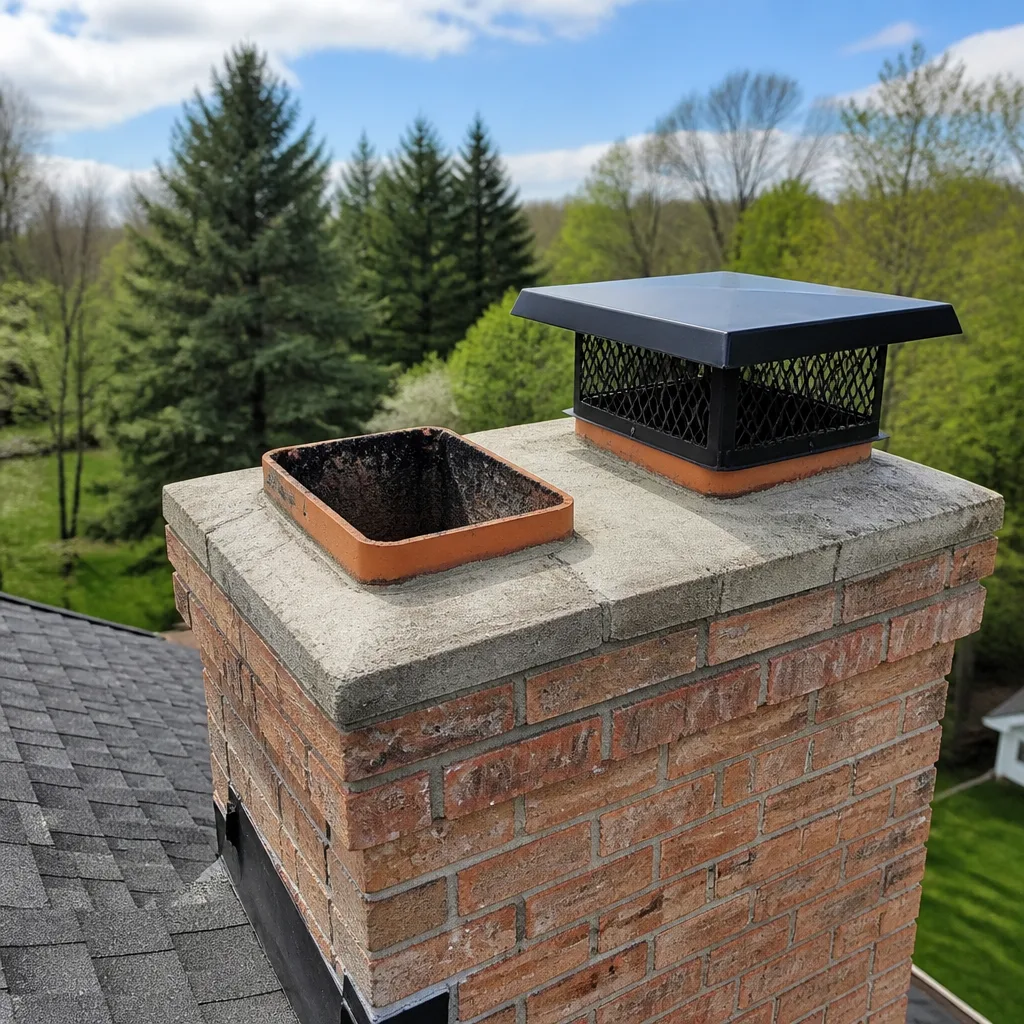 Sweep & inspection
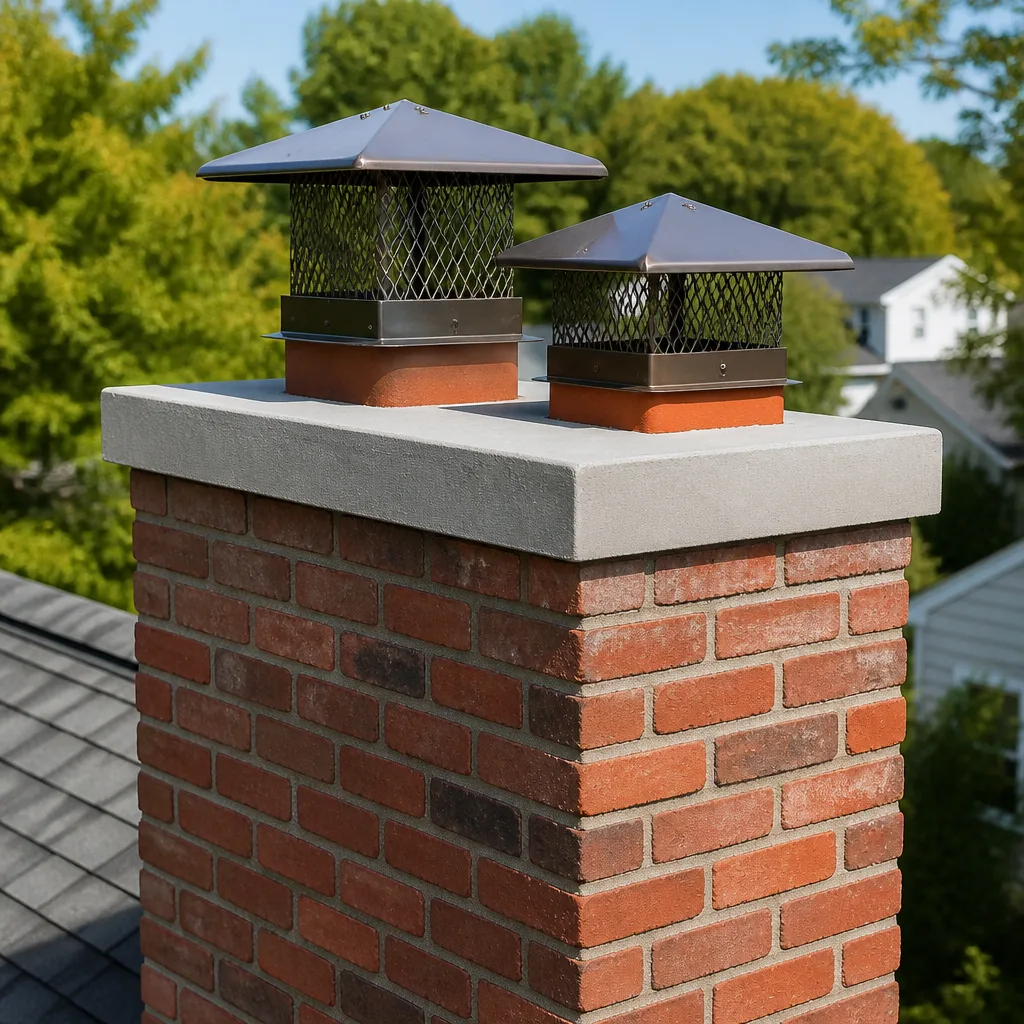 Caps & crowns
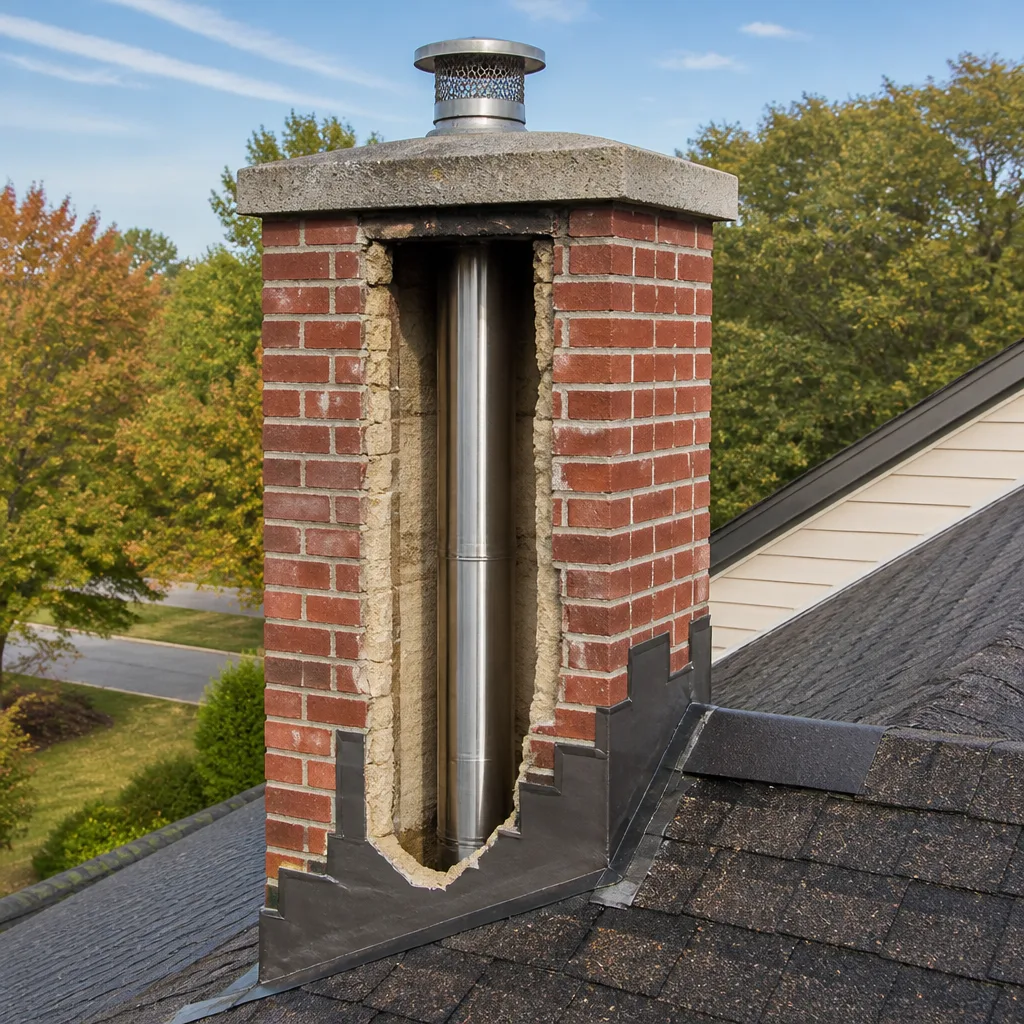 Flue relining
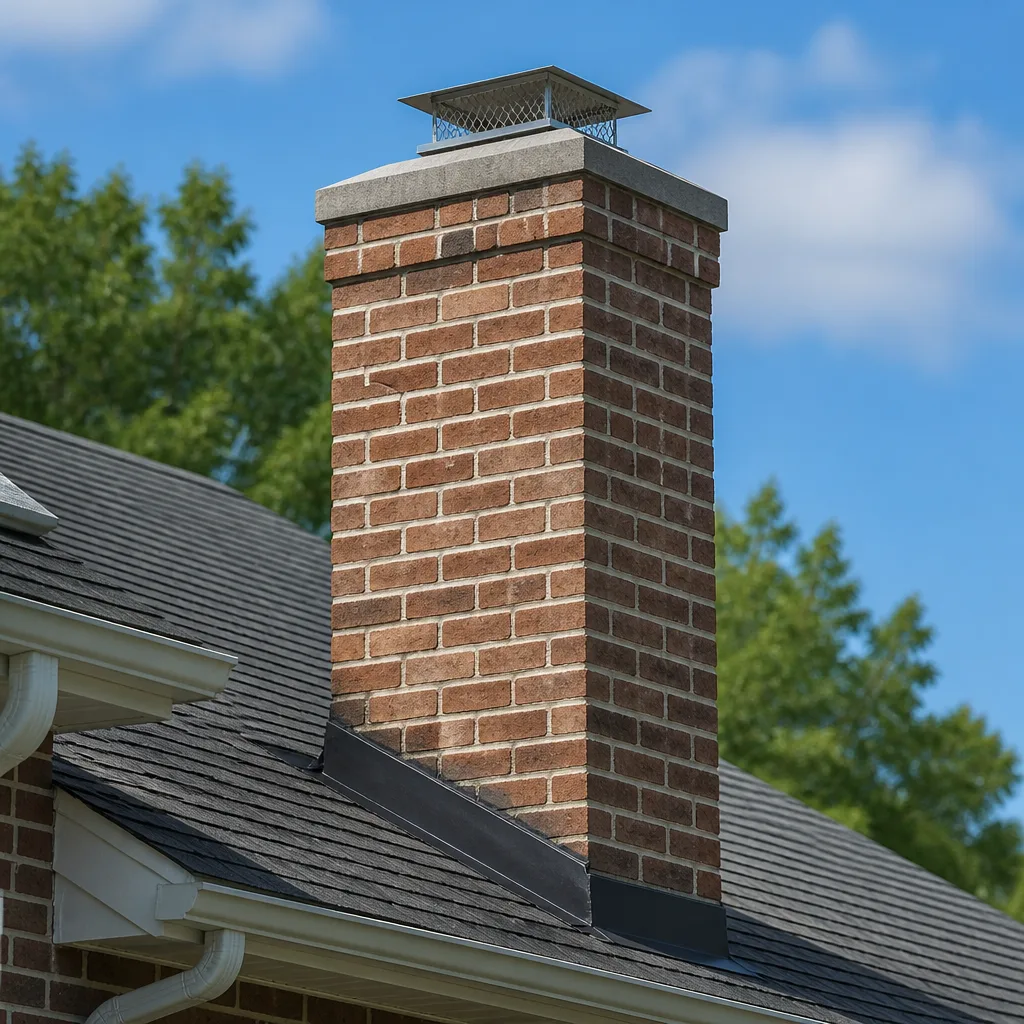 Masonry repair
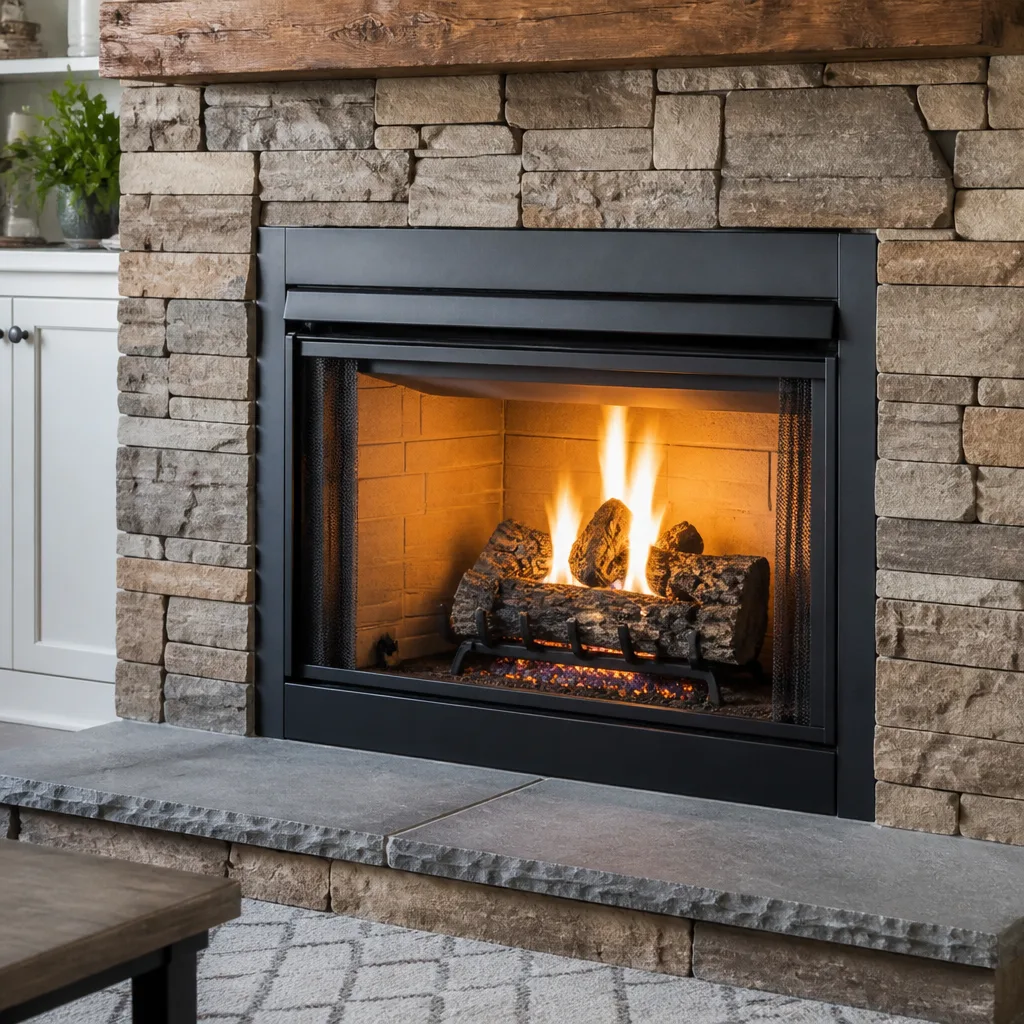 Gas fireplace service
Level 1 sweep and inspection to the NFPA 211 annual standard - flue, crown, cap, and flashing checked and photographed
Chimney sweep logs do not sweep chimneys. They loosen some creosote - which then falls where a brush and vacuum still have to collect it.
DIY vs Professional Chimney Cleaning: The North Hills Homeowner’s Decision Guide
You can physically clean your own chimney. The brushes are sold online, the process isn’t complicated, and plenty of homeowners in North Hills have done it. What you can’t replicate at home is knowing whether what you just cleaned was light Stage 1 soot or Stage 2 tar, and whether the flue behind it is still intact. That distinction matters more than the cleaning itself, because a chimney that looks clean from the firebox can hide a cracked liner, a failing crown, or a creosote layer that only a camera will find. This guide walks through what DIY actually accomplishes, where it stops being useful, and how to decide which path fits your chimney.
Styles & brands we work with
- Sweep & inspection
- Caps & crowns
- Flue relining
- Masonry repair
- Gas fireplace service
Quick Answer
DIY chimney cleaning is reasonable only for light, recent soot removal in a chimney that has been professionally inspected recently and shows no liner or crown problems. It cannot address Stage 2 or Stage 3 creosote, cracked flue tiles, a damaged crown, or hidden obstructions, and it leaves no inspection record. For most North Hills homeowners burning wood regularly, a professional sweep and inspection is the safer and more complete option.
Table of Contents
- What DIY Chimney Cleaning Actually Accomplishes
- What DIY Cleaning Cannot Address
- The Equipment a Professional Sweep Uses That You Can’t Buy at Retail
- Understanding Creosote Stages: The Core of the Decision
- When DIY Is a Reasonable Interim Measure
- Liability and Insurance: What a Self-Cleaned Chimney Leaves on Record
- The Four-Variable Decision Matrix
- Common Mistakes to Avoid
- When to Call a Professional
- Frequently Asked Questions
- The Bottom Line
What DIY Chimney Cleaning Actually Accomplishes
DIY cleaning removes loose soot and light ash from the firebox, the smoke shelf, and the lower flue. That’s a real benefit when the chimney has been swept professionally within the past year and you’ve only burned a cord or two of dry wood since. It refreshes the chimney between professional visits and keeps the firebox tidy.
What it does not do is evaluate condition. A brush pushed up a flue removes material from the walls, but it doesn’t tell you whether the walls themselves are cracked, spalling, or coated in a glaze that brushing won’t touch. The cleaning happens; the assessment doesn’t.
In our experience, the homeowners who benefit most from DIY between professional visits are the ones who already know their chimney is sound. They’ve had an inspection on record, they burn seasoned wood, and they’re doing light housekeeping between sweeps. That’s a narrow group. Most North Hills homeowners calling us for the first time in several years are not in that group, and they don’t know it until we run a camera.
Think of it this way: DIY cleaning is maintenance on a system you already understand. Professional cleaning is diagnosis plus maintenance. If you’re not sure which category you’re in, you’re in the second one.
What DIY Cleaning Cannot Address
Several problems are simply outside what a homeowner with a brush and a shop vacuum can reach or recognize. Each is common enough in North Hills that we check for all of them on every visit.
- Stage 2 and Stage 3 creosote. These layers are tar-like or hardened and resist standard brushing. Removing them requires rotary equipment and sometimes chemical treatment. A homeowner who brushes Stage 2 creosote and sees a cleaner-looking flue may have only disturbed the surface.
- Cracked or spalled flue tiles. Hairline cracks in clay tiles are invisible from the firebox. They allow heat and combustion gases to reach the surrounding structure, which is exactly the condition a chimney is built to prevent.
- Crown damage. The crown is the concrete cap at the top of the chimney. A cracked crown lets water into the masonry, and water damage is a slow, expensive problem. You can’t see the crown from inside the house.
- Obstructions. Nests, fallen tiles, and leaves can block a flue. A brush may push through a soft obstruction without removing it.
- Draft and pressure problems. A smoky firebox often has a cause deeper in the system, such as a flue that’s undersized for the appliance or a pressure imbalance in the house. These require measurement, not brushing.
- Liner integrity in a gas or insert installation. Gas fireplaces and wood inserts have their own venting requirements. A homeowner cleaning a firebox without inspecting the liner can miss a serious venting problem.
North Hills sits in the Piedmont, where winters are cool enough for regular fireplace use but not severe enough to force an annual professional sweep the way a colder climate might. That mildness is exactly what lets small problems sit unnoticed for several seasons. Our technicians have up to 15 years of experience, and the calls that surprise homeowners most are the ones where the chimney looked fine from the firebox.
The Equipment a Professional Sweep Uses That You Can’t Buy at Retail
The gap between a homeowner’s brush set and a professional sweep’s tool kit is bigger than most people expect. Consumer brushes handle light soot. Professional equipment handles the conditions that actually cause chimney fires.
- Rotary cleaning systems. These use a powered spinning head with interchangeable rods and whips to remove hardened creosote from flue walls. They’re the standard tool for Stage 2 and Stage 3 deposits and aren’t sold to homeowners because they require training to use without damaging the flue.
- Video inspection cameras. A camera run down the flue shows the condition of every tile joint and the liner surface. This is the single most important difference between DIY and professional cleaning: the camera is what turns a cleaning into an inspection.
- Chemical creosote treatments. Certain creosote layers need a chemical application to soften them before rotary cleaning. These are professional products with specific application requirements.
- Liner resurfacing systems. HeatShield is a ceramic resurfacing system that can restore a deteriorated flue without full relining. It’s applied by trained technicians and isn’t something a homeowner can replicate. When a liner is worn but not failed, resurfacing is often the least invasive repair available.
- Professional-grade liner and cap components. When a repair is needed, we work with DuraFlex liners and Famco and Copperfield caps and components. These are trade-level products, not the big-box substitutes that fail early.
The point isn’t that homeowners are incapable. It’s that the equipment list for a complete job is longer than a brush and a vacuum, and the camera is the part that matters most.
Understanding Creosote Stages: The Core of the Decision
Creosote is the residue left behind when wood smoke cools inside the flue. It forms in three general stages, and the stage determines what cleaning method is appropriate.
- Stage 1: soot and light flaky deposits. This is what a standard brush removes. It’s the condition most homeowners picture when they think about chimney cleaning, and it’s the only stage a DIY brush realistically handles.
- Stage 2: tar-like deposits. These are sticky or crusty and adhere to the flue walls. Brushing loosens the surface but doesn’t remove the layer. Rotary equipment and sometimes chemical treatment are needed.
- Stage 3: hardened, glazed creosote. This is the most concentrated form and the most combustible. It requires professional removal, often with rotary equipment and chemical softening. A flue in this condition is at elevated fire risk, and a homeowner brushing it may not realize the layer underneath is still there.
Here’s the part that makes this the central issue: the difference between Stage 1 and Stage 2 isn’t always visible from below. The flue above the smoke chamber narrows, and the deposits higher up can be far more advanced than what you see at the firebox. A homeowner who cleans what they can reach and sees improvement may be leaving the worst of it in the upper flue.
If your flue has never been camera-inspected and you’ve been burning for several seasons, assume you don’t know the stage. That’s the honest starting position. A professional chimney sweep resolves it in one visit, and the camera shows you exactly what’s there before anything is recommended.
When DIY Is a Reasonable Interim Measure
There’s a legitimate role for DIY cleaning. It’s just narrower than most articles suggest. DIY makes sense when all of the following are true:
- Your chimney has been professionally inspected within the past year and no defects were found.
- You’ve burned only well-seasoned wood since that inspection.
- You’ve burned a modest amount, roughly a cord or less, not a full season of heavy use.
- You’re removing soot and ash from the firebox and smoke shelf, not attempting to clean the full flue length.
- You know the warning signs of a problem (smoke backing into the room, a strong creosote smell, visible cracks) and you stop if you see any of them.
Notice what’s missing from that list: cleaning the upper flue. Reaching the top of a flue requires rods long enough to reach the cap, and working from a roof is a fall hazard. Most homeowners who attempt a full flue cleaning from below are working blind beyond the first few feet.
The false sense of safety is the real risk. A homeowner who cleans the firebox, sees less soot, and concludes the chimney is fine may skip the professional inspection for another year. That’s how small problems become expensive ones. In our experience, the most common scenario is a homeowner who’s been diligent about DIY cleaning but hasn’t had a camera in the flue in several years.
Liability and Insurance: What a Self-Cleaned Chimney Leaves on Record
This is the part of the DIY debate that rarely gets discussed, and it’s worth understanding before you decide.
When you hire a professional sweep, the visit produces a record: a cleaning, an inspection, and usually a written report noting the condition of the flue, the crown, and the cap. If a flue fire happens later, that record shows the chimney was professionally assessed. Insurance claims for chimney fires are handled case by case, and we don’t speak for any insurer, but a documented inspection history is generally a better position than no record at all.
A self-performed cleaning with no professional inspection on record leaves nothing behind. If a flue fire follows, there’s no documentation showing the chimney was ever evaluated for creosote stage or liner condition. That gap can complicate a claim, and it can make the cause of a fire harder to establish.
We’re careful about this because it’s not a scare tactic, it’s a record-keeping fact. Homeowners in North Hills who plan to stay in their homes long term benefit from a documented inspection history the same way they benefit from records of any other system maintenance. It costs nothing during a routine sweep and it answers a lot of questions later.
The Four-Variable Decision Matrix
Four variables determine which path is appropriate for your chimney. Score yourself honestly on each.
- Burn frequency. Heavy use (most evenings through the season) produces more creosote faster and pushes you toward professional cleaning. Light, occasional use allows more time between professional visits.
- Chimney age and construction type. A newer masonry chimney with a sound clay liner is more forgiving than an older one with unknown history. Older chimneys and any chimney with a history of repairs need professional evaluation more often.
- Fuel type. Seasoned hardwood produces less creosote than unseasoned wood, and a gas fireplace has entirely different venting considerations. If you’ve burned any unseasoned or green wood, assume the deposits are heavier than they look.
- Last professional inspection date. This is the variable that settles most decisions. If your last inspection was within the past year and no defects were found, DIY between visits is reasonable. If it’s been more than a year, or you don’t know when it was, book the professional visit first and decide about DIY afterward.
If your last inspection is unknown or more than a year old, or if you’ve burned unseasoned wood, or if your chimney is older construction, the answer is professional. If all four variables point the other way, light DIY cleanup between annual visits is fine.
Common Mistakes to Avoid
- Cleaning from the firebox and assuming the upper flue is clean. The worst deposits are usually higher up where the flue narrows and smoke cools. Brushing the reachable portion can make the chimney look better while leaving the riskiest layer untouched.
- Working on the roof without fall protection. Roof access is the most dangerous part of chimney work. A slip on a pitched roof in cool weather is a serious injury, and the chimney will still be there next week.
- Using a shop vacuum rated for wet pickup instead of a HEPA-rated unit. Fine soot passes straight through a standard filter and settles across the room. Professional sweeps use HEPA filtration for exactly this reason.
- Skipping the inspection because the cleaning “looked fine.” Cleaning and inspection are two different jobs. The cleaning removes deposits; the inspection finds cracks, crown damage, and liner problems you can’t see from the firebox.
- Burning unseasoned wood to stretch a cord. Green wood produces far more creosote than seasoned wood. It’s one of the most common causes of accelerated deposit buildup we see in North Hills, and it’s entirely avoidable.
- Ignoring a smoky firebox. Smoke backing into the room is a draft or obstruction symptom, not a cosmetic issue. It’s a reason to stop burning and have the chimney evaluated.
- Assuming a gas fireplace needs no maintenance. Gas units have venting and liner considerations of their own. An annual inspection still applies, and a professional can verify the venting is intact.
When to Call a Professional
Call a professional if any of the following apply: you don’t know when your chimney was last inspected, you see or smell heavy creosote, the firebox smokes into the room, you’ve noticed cracked masonry or a damaged crown, your chimney cap is missing or loose, or your chimney has a history of repairs. Any of these moves you out of the DIY category immediately.
A professional visit also settles the question permanently for your situation. You’ll know the creosote stage, the condition of the liner and crown, and what (if anything) needs repair. If a cap is missing or damaged, replacement with a Famco or Copperfield cap can often be done on the same visit, and chimney cap & crown work is part of the same service relationship rather than a separate contractor’s job.
If your fireplace itself needs attention, fireplace repair is handled by the same team. Chimney Sweep North Hills offers free estimates in North Hills. Call (877) 770-1236.
Frequently Asked Questions
You can remove light soot and ash from the firebox and lower flue yourself, but a DIY cleaning can’t assess liner condition, crown damage, or creosote stage. If your chimney hasn’t been professionally inspected in the past year, the DIY cleaning doesn’t replace that inspection. Call (877) 770-1236 for an exact quote on a professional sweep – estimates are free.
You can’t reliably tell from the firebox. Stage 2 deposits are tar-like and Stage 3 is hardened and glazed, and both typically sit higher in the flue than a homeowner can see. A camera inspection is the only reliable way to identify the stage. Call (877) 770-1236 to book an inspection – estimates are free.
We don’t speak for any insurer, but claims are handled case by case, and a documented professional inspection history generally supports a claim better than no record at all. A self-cleaned chimney with no professional inspection on file leaves nothing to show the chimney was evaluated. Call (877) 770-1236 to get an inspection on record – estimates are free.
Most wood-burning chimneys in North Hills should be swept and inspected once a year, and more often with heavy use or unseasoned wood. Gas fireplaces still need an annual inspection to verify venting. The right interval for your chimney depends on burn frequency and fuel. Call (877) 770-1236 for an exact quote – estimates are free.
Often, yes. We work with Famco and Copperfield caps and components and carry the products needed for cap and crown work, so many replacements are resolved in one visit rather than scheduled as a second appointment. The written estimate sets the final price before any work begins. Call (877) 770-1236 – estimates are free.
Carefulness doesn’t address the two main risks: roof access and the inability to see liner condition. If your chimney was professionally inspected within the past year and you’re only removing light soot from the firebox, DIY between visits is reasonable. Anything beyond that should be handled by a trained professional. Call (877) 770-1236 to schedule a full chimney inspection – estimates are free.
A professional sweep uses rotary cleaning systems, video inspection cameras, and chemical creosote treatments that aren’t available at retail, and can identify liner cracks and crown damage that aren’t visible from the firebox. Professional-grade parts from Olympia Chimney and Gelco are also specified when repairs are needed. Call (877) 770-1236 for an exact quote – estimates are free.
Not necessarily. Regular cleaning removes deposits but doesn’t repair a deteriorated liner, and the only way to know whether resurfacing or replacement is needed is a camera inspection. HeatShield ceramic resurfacing can restore some worn liners without full relining. Nothing is recommended without camera evidence you can see. Call (877) 770-1236 – estimates are free.
The Bottom Line
The DIY versus professional chimney cleaning question comes down to what you can actually verify. You can remove light soot. You can’t identify creosote stage, spot a hairline liner crack, or evaluate a crown from the firebox. The four variables that should drive your decision are burn frequency, chimney age and construction, fuel type, and how long it’s been since your last professional inspection. If the last variable is unknown or more than a year old, book the professional visit first. Chimney Sweep North Hills works with DuraFlex, HeatShield, Gelco, Olympia Chimney, Famco, and Copperfield products, and one call covers sweep, inspect, repair, cap, and crown. Call (877) 770-1236 for a free estimate. We answer 24/7. Fast dispatch from 7am to 7pm, Sunday through Friday.
Chimney Sweep North Hills is a chimney-only specialist, which means every technician works on this one trade rather than splitting attention across plumbing, HVAC, or roofing calls. If you’d like to start with the basics, Chimney Sweep North Hills is the place to begin, and our inspection services follow NFPA 211 Level I, II, and III standards.
Written by the team at Chimney Sweep North Hills.
See the difference
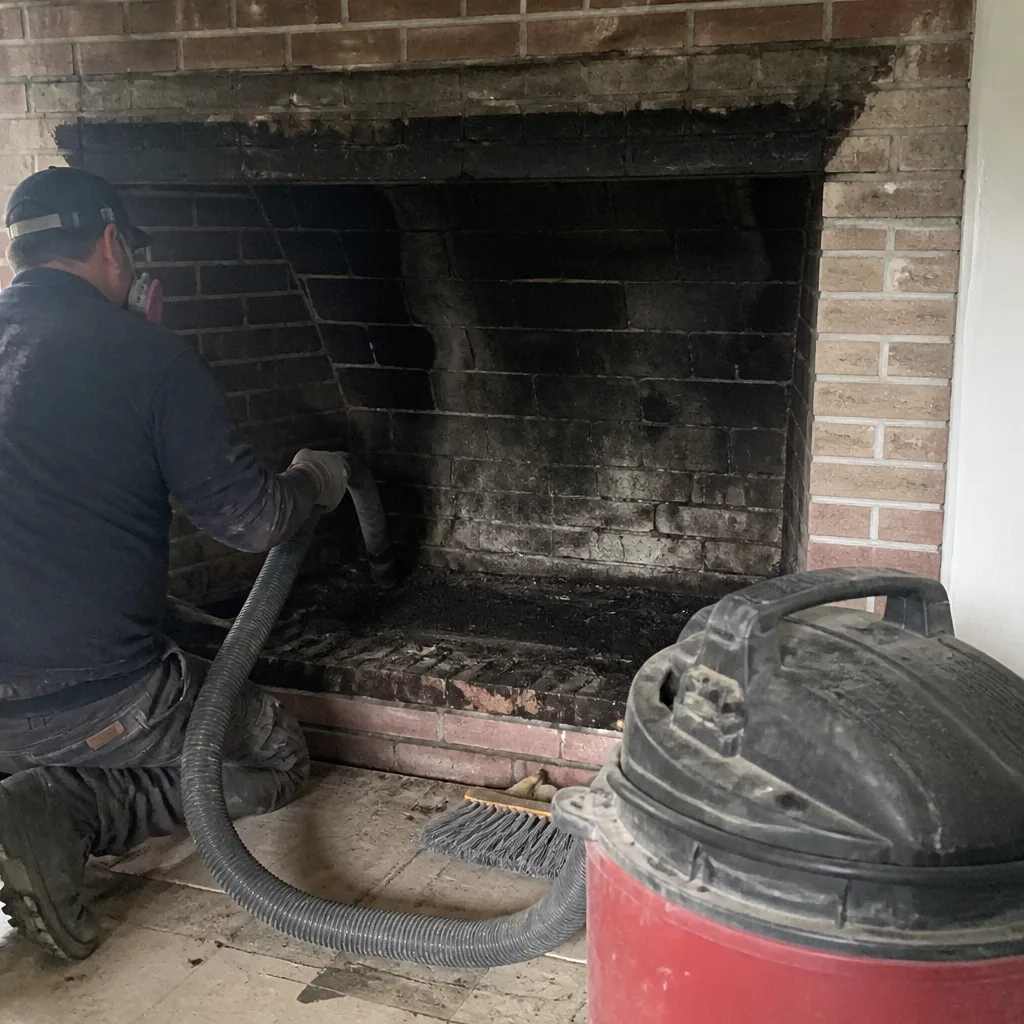 Before
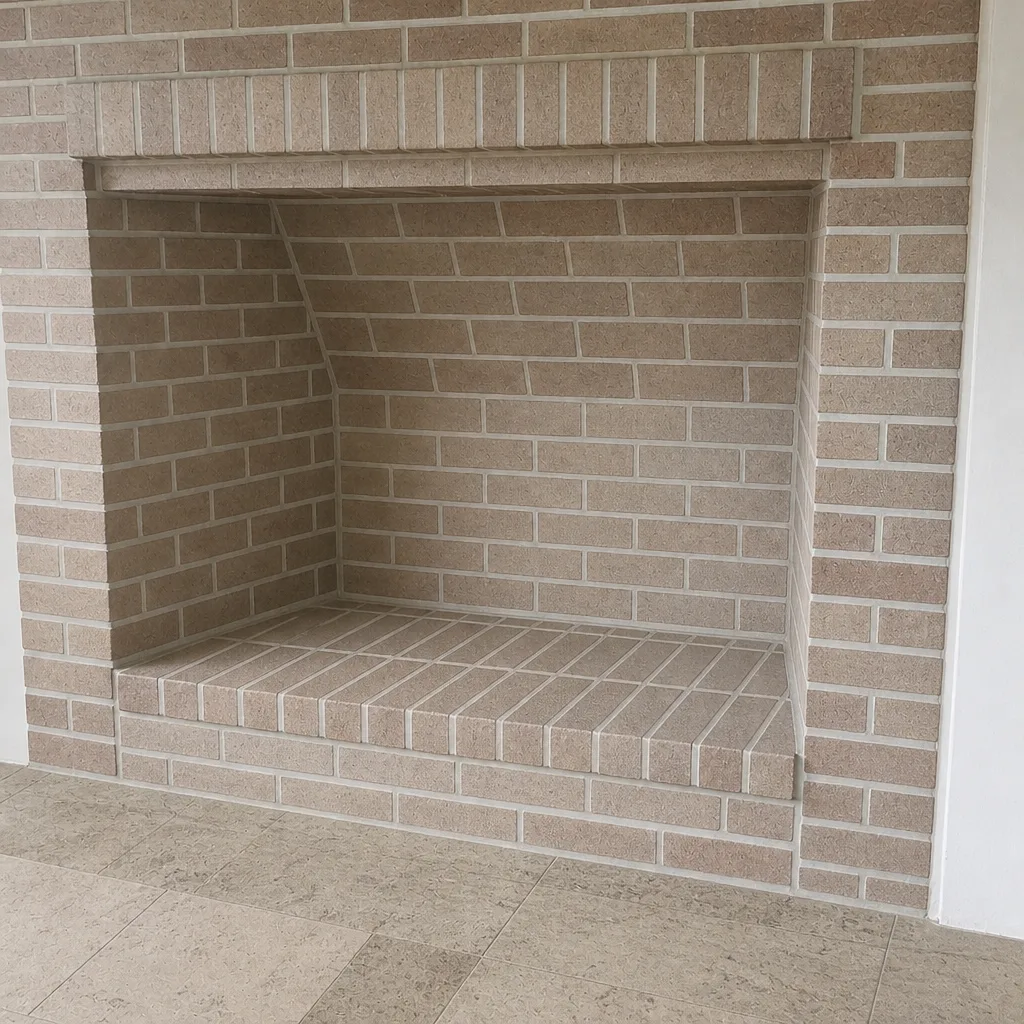 After
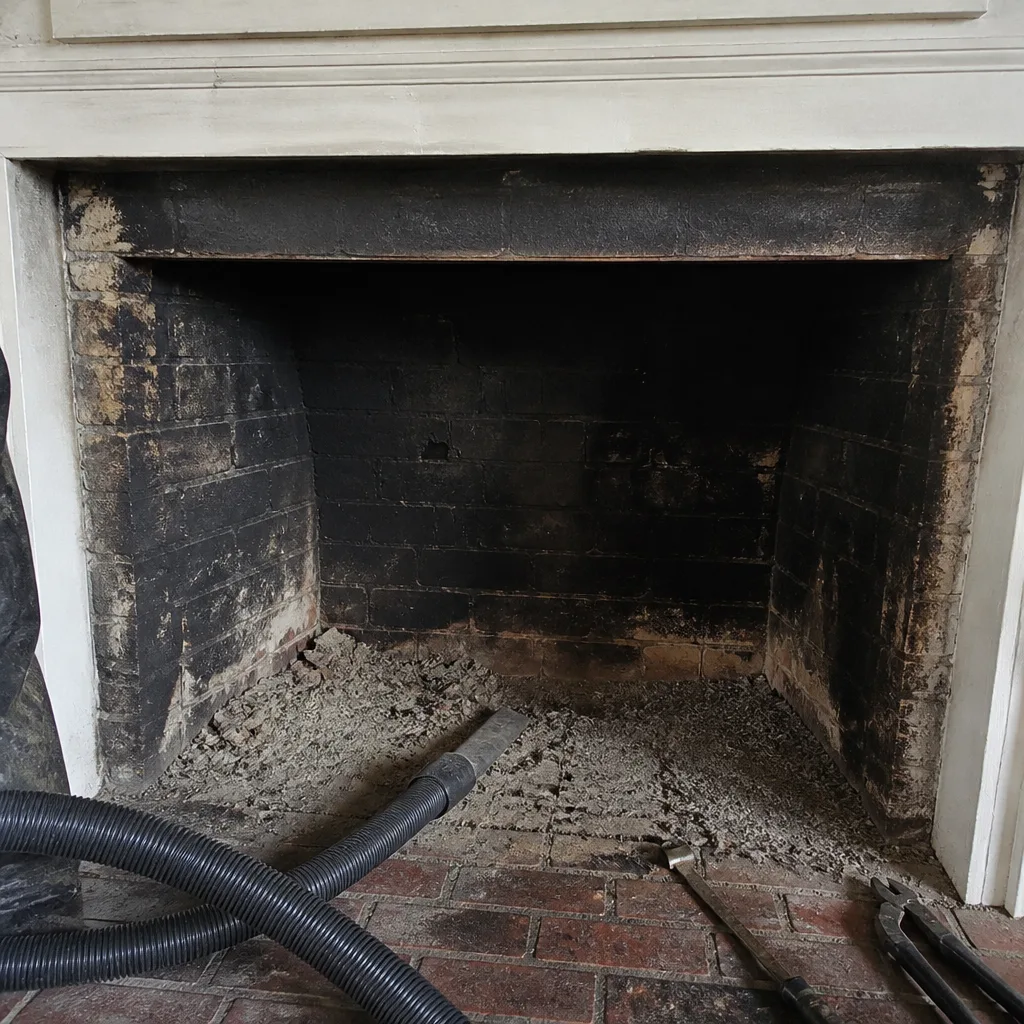 Before
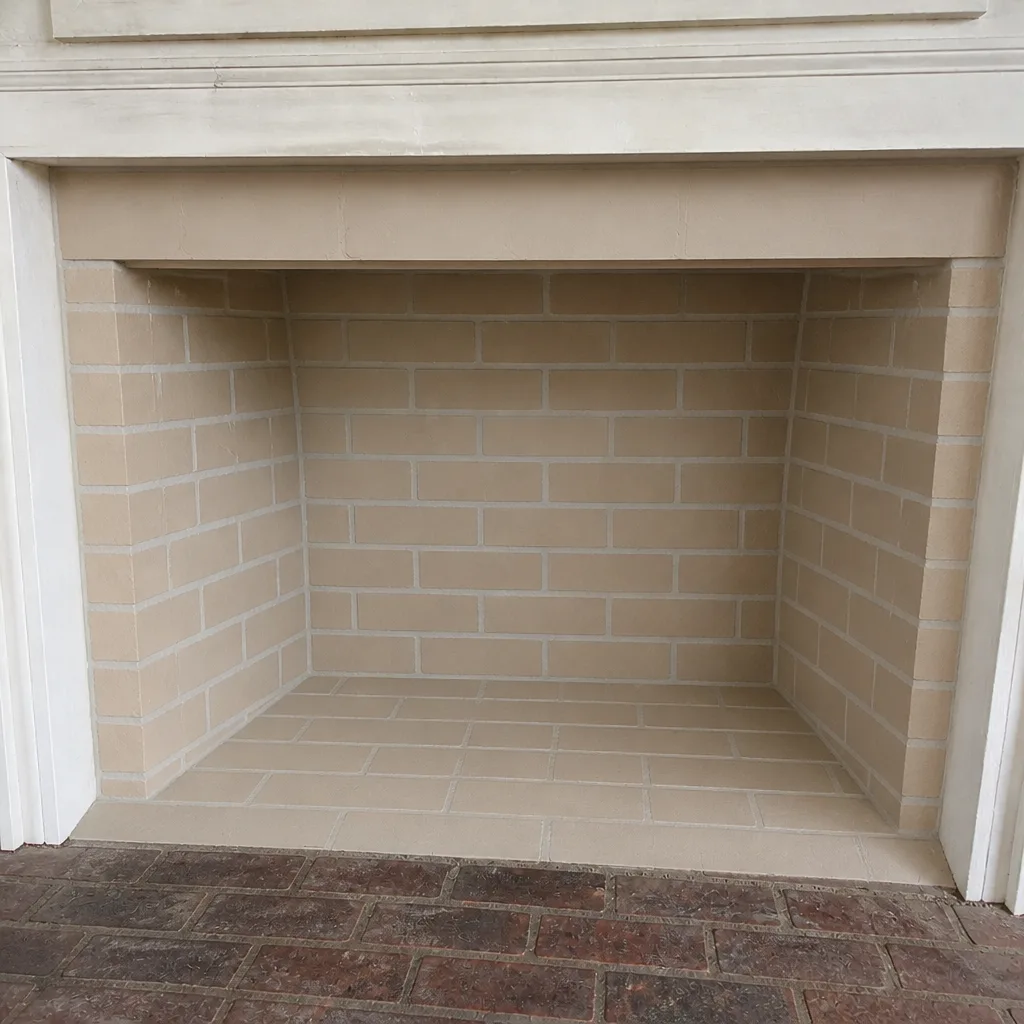 After
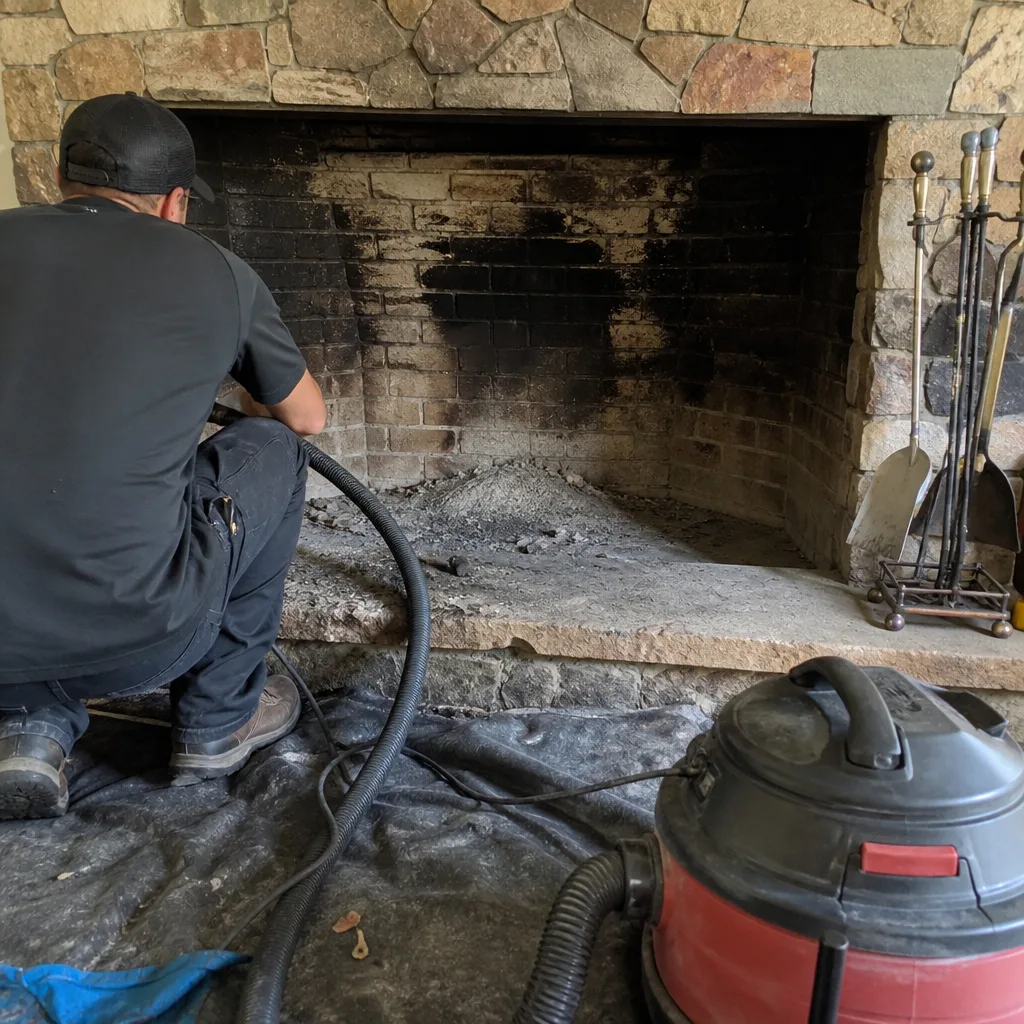 Before
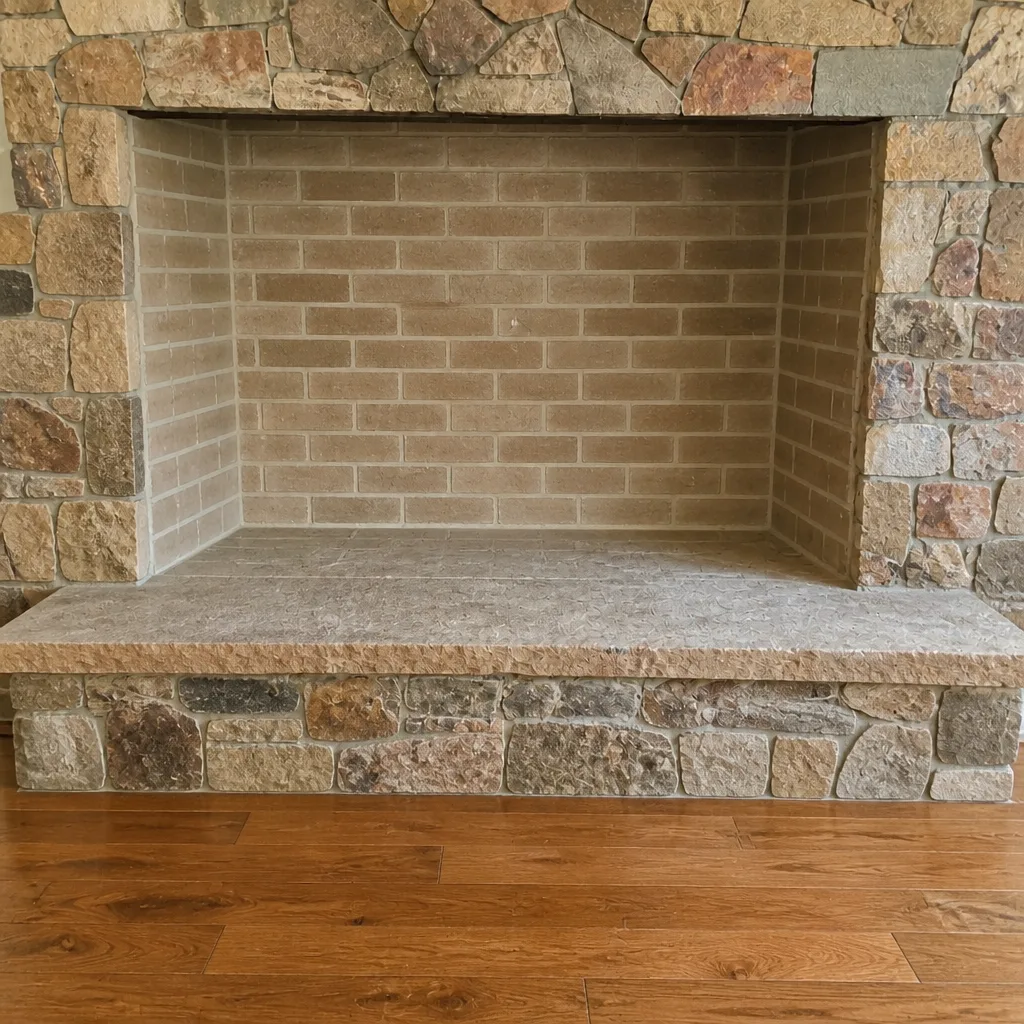 After