
Last updated November 24, 2026
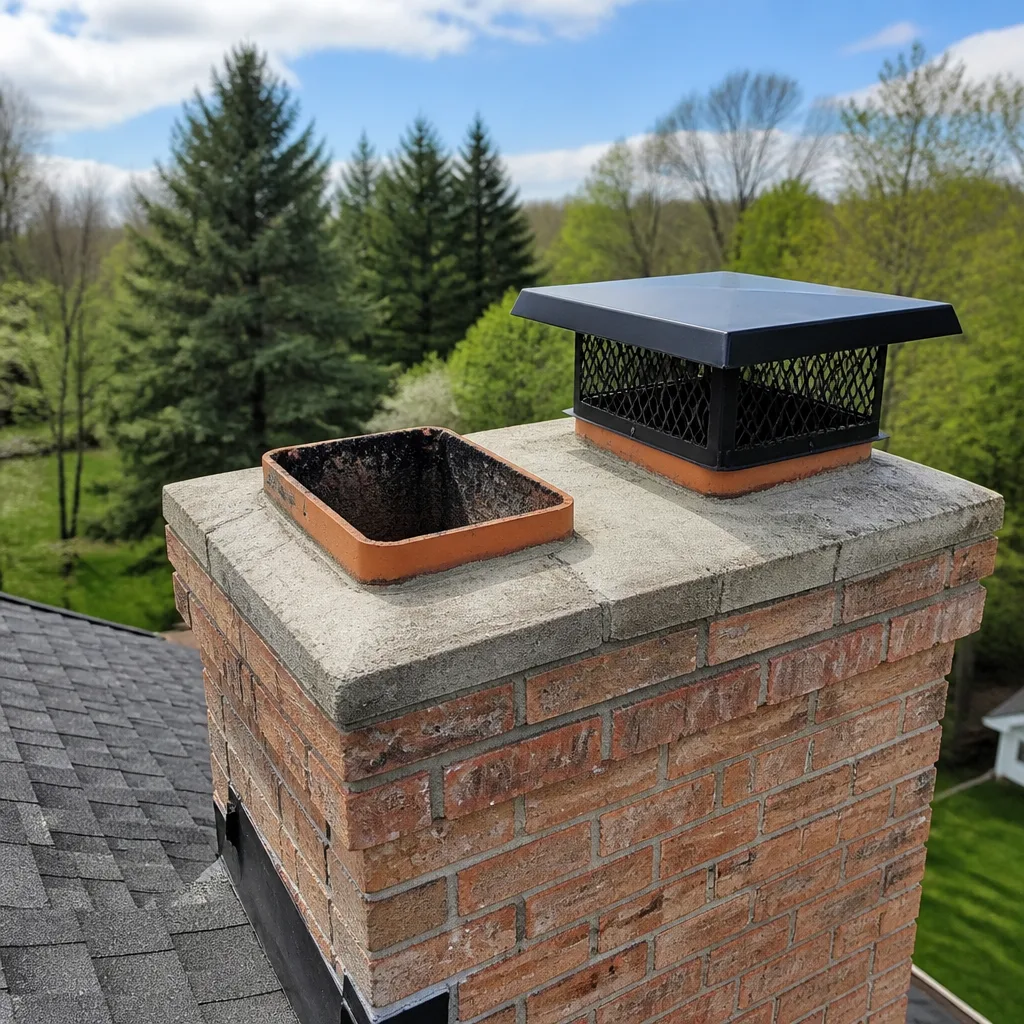 Sweep & inspection
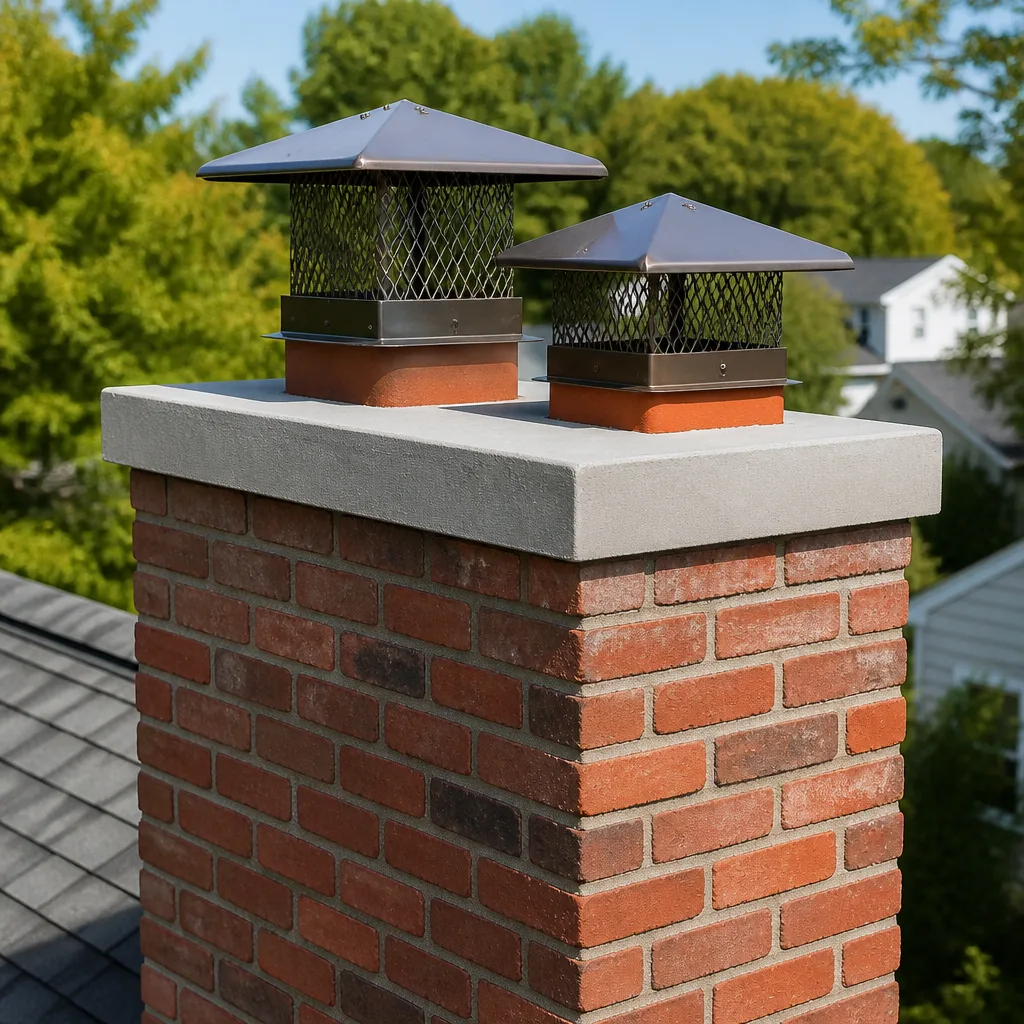 Caps & crowns
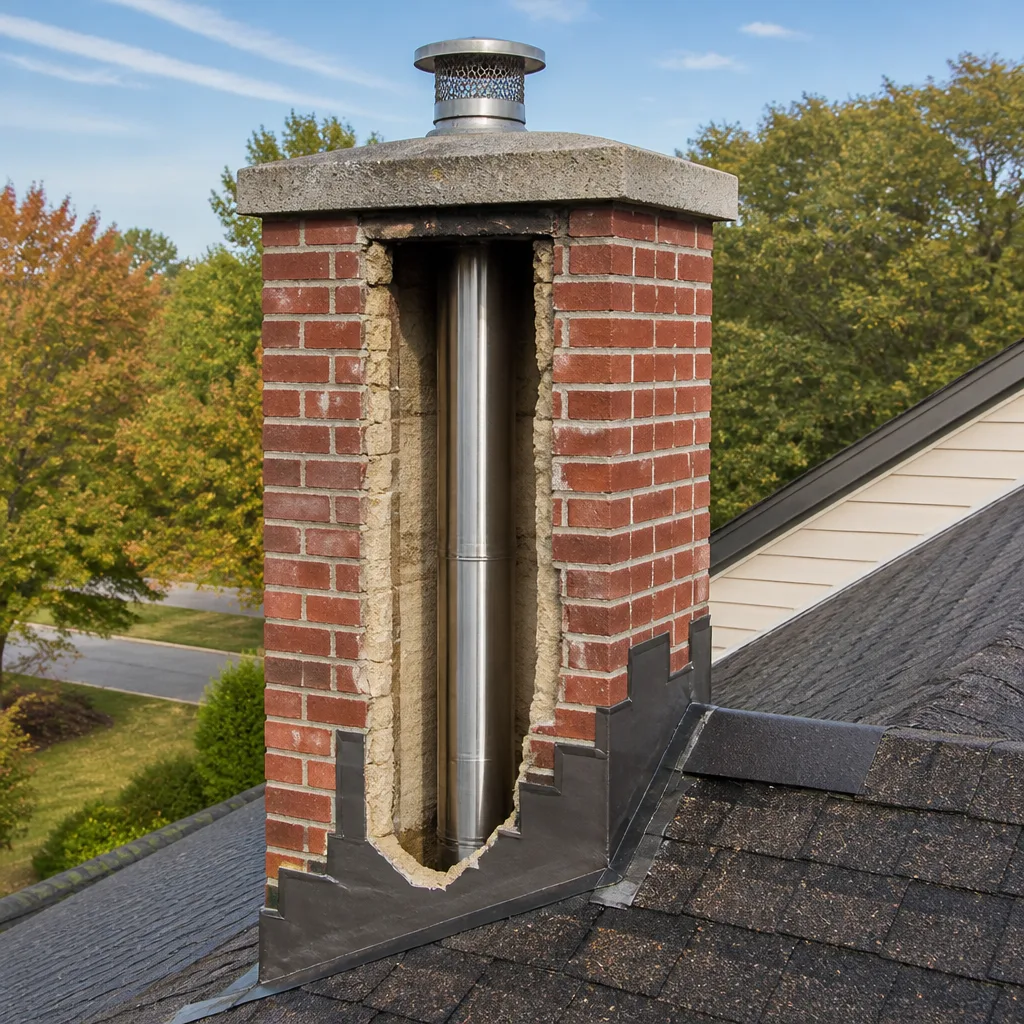 Flue relining
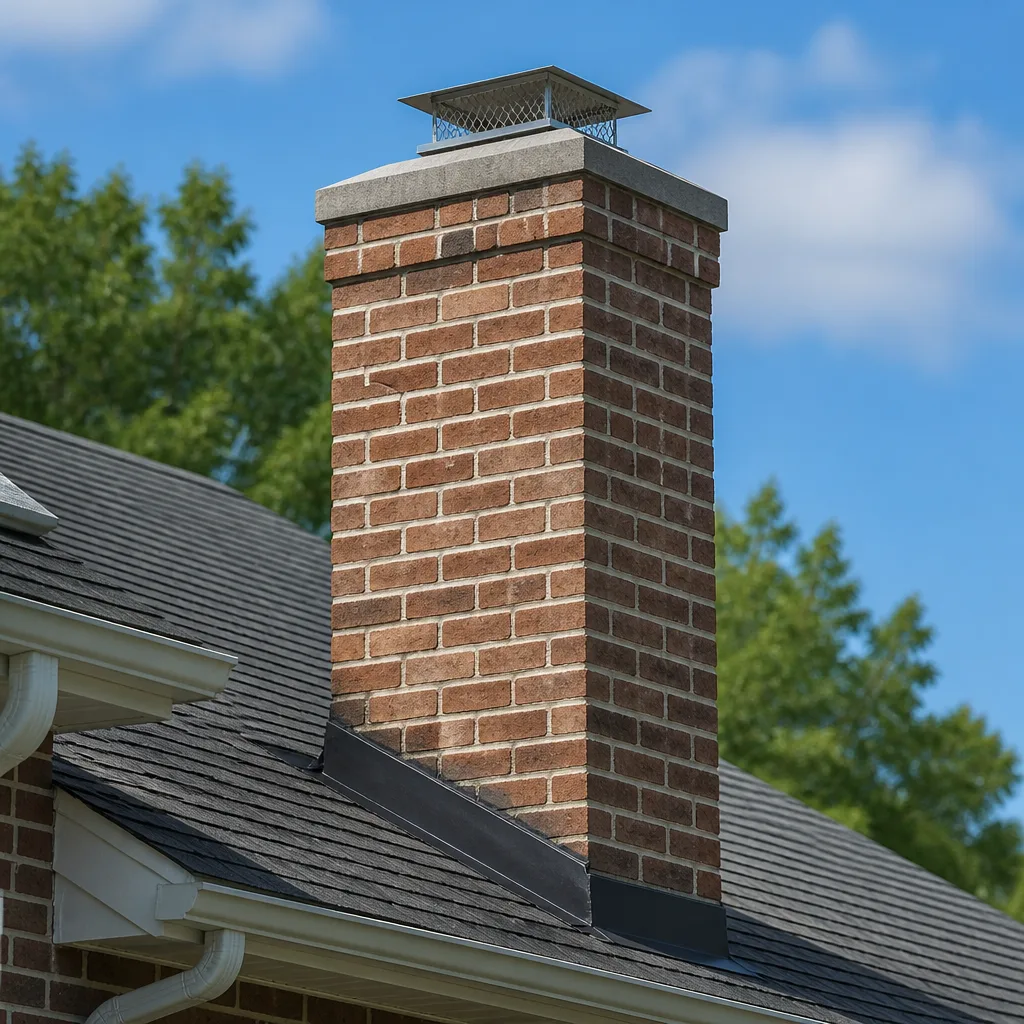 Masonry repair
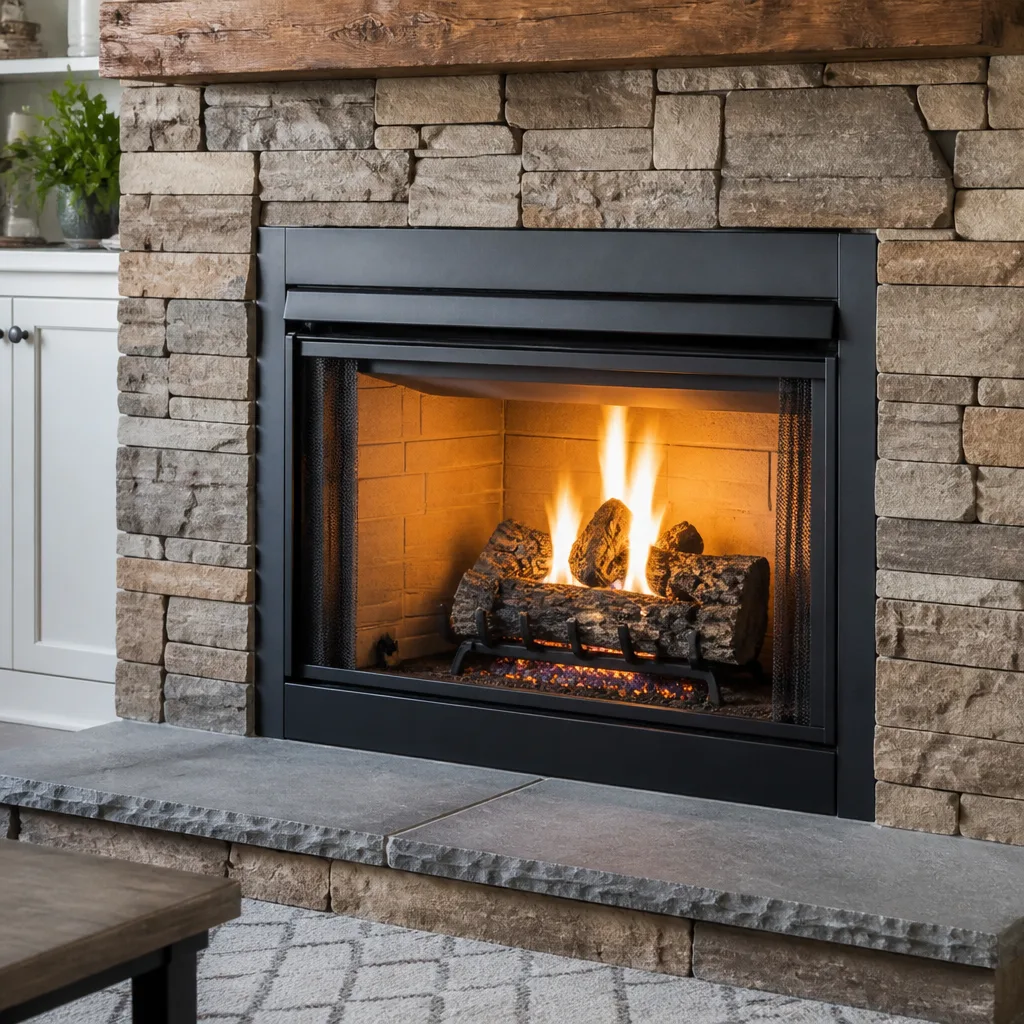 Gas fireplace service
Level 1 sweep and inspection to the NFPA 211 annual standard - flue, crown, cap, and flashing checked and photographed
Chimney sweep logs do not sweep chimneys. They loosen some creosote - which then falls where a brush and vacuum still have to collect it.
The Complete Guide to Chimney Cleaning in North Hills
Most chimney guides are written for a hypothetical homeowner in a hypothetical climate. They’ll tell you to sweep once a year, name the three stages of creosote, and leave you to figure out the rest. That advice isn’t wrong, but it isn’t local either. Here in North Hills, a flue works under conditions a sweep in Denver or Boston never deals with: heavy summer humidity, a slow fall cool-down that keeps wood smoldering longer than it should, and Piedmont clay that behaves nothing like the sandy soils further east. This guide treats North Hills as its own chimney environment. You’ll learn what actually accumulates in a flue here after a burning season, which woods make it worse, and how cleaning connects to inspection and repair.
Styles & brands we work with
- Sweep & inspection
- Caps & crowns
- Flue relining
- Masonry repair
- Gas fireplace service
Quick Answer
Chimney cleaning in North Hills should happen once a year for most wood-burning households, and more often if you burn heavily or notice glazed, tar-like buildup inside the flue. A proper cleaning is paired with an inspection because the sweep is the only time anyone can see the full interior of the flue. In North Hills, the humid subtropical climate and long shoulder seasons make annual service the baseline, not an optional extra.
Table of Contents
- Why Chimney Cleaning in North Hills Isn’t a Generic Checklist
- What Actually Accumulates in a North Hills Flue
- The Woods Piedmont Homeowners Burn and How They Affect Creosote
- Level I, II, and III Inspections: What Each One Covers
- Older Masonry Chimneys vs Newer Prefab Units in North Hills
- The Full Service Arc: Cleaning, Inspection, Repair, Restoration
- How a Professional Cleaning Actually Works
- What a Homeowner Can Safely Check Themselves
- Common Mistakes to Avoid
- When to Call a Professional
- Frequently Asked Questions
- The Bottom Line
Why Chimney Cleaning in North Hills Isn’t a Generic Checklist
North Hills sits in the Piedmont, and that matters more than most guides admit. The region’s humid subtropical climate means summer air holds a lot of moisture, and masonry is porous. A chimney that absorbs moisture through the warmer months starts the burning season with a wetter flue than one in a dry climate. Wet masonry and creosote don’t mix well: moisture encourages the sticky, glazed forms of creosote that are hardest to remove, and it drives the spalling that cracks flue tiles over time.
The freeze-thaw pattern is the second piece. Piedmont winters swing above and below freezing repeatedly rather than staying locked in cold. Water seeps into small cracks in the crown or mortar, freezes overnight, expands, and thaws the next day. Repeat that through a winter and hairline cracks become real openings. This is why North Hills chimneys often show crown and mortar wear that a homeowner in a consistently cold climate wouldn’t see at the same age.
The third factor is the shoulder season. Spring and fall here are long and mild, which means many households burn small, cool fires on and off for weeks. Cool fires are the worst kind for creosote: the flue never gets hot enough to carry smoke cleanly out, so more of it condenses on the walls. A North Hills flue can build meaningful deposits during a stretch of cool evening fires that a homeowner would never think of as heavy burning.
Put those three together and the takeaway is simple. Chimney cleaning in North Hills is annual maintenance tuned to a wet, swinging climate, not a box to tick. That’s the frame for everything below.
What Actually Accumulates in a North Hills Flue
Creosote is the tar-like residue left when wood smoke cools before it leaves the chimney. It comes in three stages, and the stage matters more than the volume. Here’s how they differ and why North Hills tends toward the harder end.
- Stage 1: soot and flaky creosote. Light, dusty, and easy to brush away. Common after hot, well-oxygenated fires with dry wood. Most North Hills flues have some of this after a season.
- Stage 2: hardened, crusty deposits. Denser and bonded to the flue wall. Requires more than a light brushing. The humid climate here pushes flues toward this stage faster than dry regions because moisture and cool fires both favor it.
- Stage 3: glazed, tar-like creosote. Baked onto the flue like a shell. The most difficult to remove and the most concerning for fire risk. Glazed creosote can appear after repeated cool fires and restricted draft.
Why does North Hills lean toward Stage 2 and beyond? Two reasons. First, the humid climate keeps masonry damp, and creosote bonds more aggressively to a damp surface. Second, the long shoulder season produces many cool, slow fires that send partially cooled smoke up the flue. A homeowner who burns “just a small fire” on a mild October evening is, without meaning to, manufacturing the exact conditions that build hard creosote.
Restricted draft makes it worse. A missing cap, a partially blocked flue, or a firebox that’s been closed down too far all slow the smoke and give it more time to condense. That’s why a cleaning and inspection belong together: the sweep clears the deposits, and the inspection finds out why they built up so heavily in the first place.
The Woods Piedmont Homeowners Burn and How They Affect Creosote
The wood you burn shapes the creosote in your flue as much as how you burn it. In the Piedmont, three species come up again and again, and each behaves differently.
Oak
Oak is the workhorse. It’s dense, burns hot and long, and gives off steady heat. Well-seasoned oak is one of the better choices for keeping creosote down because a hot fire drives smoke out efficiently. The catch is seasoning: oak takes a long time to dry, and burning it green sends moisture up the flue along with the smoke. In a humid North Hills summer, oak that’s been split and stacked needs real time and airflow to reach a useful moisture level.
Pine
Pine lights easily and is easy to find, which makes it tempting for quick fires. It also contains more resins and burns fast and hot, then cools quickly. Burned alone in cool shoulder-season fires, pine contributes to faster deposit formation. It’s not the villain some guides make it out to be, but it’s a poor choice for the slow, smoldering fires that build hard creosote here.
Sweetgum
Sweetgum is common across the Piedmont and often ends up in the woodpile because it’s available. It’s a middle-of-the-road fuel: not as dense as oak, and it needs thorough seasoning. Burned wet, it adds moisture to an already humid flue environment.
The practical rule for North Hills: burn dry, seasoned wood, favor denser species like oak for sustained heat, and keep the fire hot enough to keep smoke moving. A moisture meter is a cheap tool that tells you more about your woodpile than any label. And whatever you burn, the deposits still need clearing once a season.
Level I, II, and III Inspections: What Each One Covers
Cleaning and inspection are two different jobs that happen to share a visit. Inspections follow a standard framework, and knowing which level applies to your situation helps you understand what you’re paying for and what it can and can’t find.
- Level I inspection. The baseline check. It covers all readily accessible parts of the chimney and venting system without tools that could damage the structure. This is what applies to a chimney that’s in regular use with no known problems, and it’s what we pair with a routine annual cleaning.
- Level II inspection. More thorough. It includes everything in a Level I plus accessible portions of the attic, crawlspace, and other areas, often using a camera to see inside the flue. This level applies after a change: a new appliance, a different fuel type, a chimney that’s changed hands, a structural event, or any sign of trouble. If you’ve just moved into a North Hills home, a Level II is the right starting point.
- Level III inspection. The most detailed. It’s warranted when a serious hazard is suspected and may require opening parts of the chimney or surrounding structure to inspect concealed areas. This is not a routine service; it’s targeted diagnostic work when the evidence points to a problem that a camera can’t resolve.
For most North Hills homeowners, the yearly routine is a cleaning plus a Level I inspection. A Level II makes sense when something has changed or when the sweep sees a reason to look deeper. Our chimney sweep visits can include the appropriate inspection level so you’re not guessing which applies. When a Level II camera view is warranted, we show you what the camera sees, so the recommendation is based on evidence you can look at yourself, not just our word for it.
Older Masonry Chimneys vs Newer Prefab Units in North Hills
North Hills has a mix of housing stock, and the chimney type under your roof changes what cleaning and repair look like. Older masonry chimneys and newer prefab (factory-built) units have different failure modes and need different attention.
Older masonry chimneys are built from brick and mortar with a clay tile flue liner. They’re sturdy and long-lived, but the clay tiles crack under the freeze-thaw swings mentioned earlier, and mortar joints soften with moisture over time. When a tile cracks, the flue is no longer a clean, sealed passage; smoke and heat can reach surrounding materials. Many older North Hills masonry chimneys also have gaps where the liner meets the firebox or the crown, which is exactly where a camera inspection earns its keep.
Newer prefab chimneys are metal units with their own insulated liners and specified clearances. They clean and inspect well, but they have their own rules: the liner is engineered as a system, and replacing or repairing any part means using components matched to that system. Regardless of type, when a liner needs attention we specify professional-grade products such as DuraFlex for relining and HeatShield for resurfacing a deteriorated flue without full relining. Matching the product to the chimney is part of the job.
The Full Service Arc: Cleaning, Inspection, Repair, Restoration
Cleaning is the entry point, but it’s one step in a connected sequence. Here’s how the pieces fit together and why a single specialist relationship matters.
- Cleaning. Removes soot and creosote deposits so the flue is safe to use and inspectable. This is the annual baseline.
- Inspection. Uses the cleaned flue to assess condition: crown, cap, flue tiles, mortar, firebox, and draft. This is where small problems are caught before they grow.
- Repair. Addresses what the inspection found, whether that’s a cracked crown, a failing cap, mortar work, or firebox issues. Our fireplace repair covers the firebox side.
- Restoration. Takes on the bigger jobs: liner resurfacing with HeatShield, full relining with DuraFlex, or structural chimney repair. These resolve long-term deterioration rather than patching symptoms.
Cap and crown work ties in here too. A missing or damaged cap lets water and animals in, which accelerates everything above. Sourcing professional-grade caps and crowns means a chimney cap & crown fix can often be handled on the same visit as the cleaning. The point of the full arc is continuity: cleaning finds problems, inspection documents them, repair and restoration resolve them, and one specialist team sees the whole system from start to finish.
How a Professional Cleaning Actually Works
A professional cleaning is more methodical than a homeowner might expect. Here’s the sequence a dedicated chimney company follows.
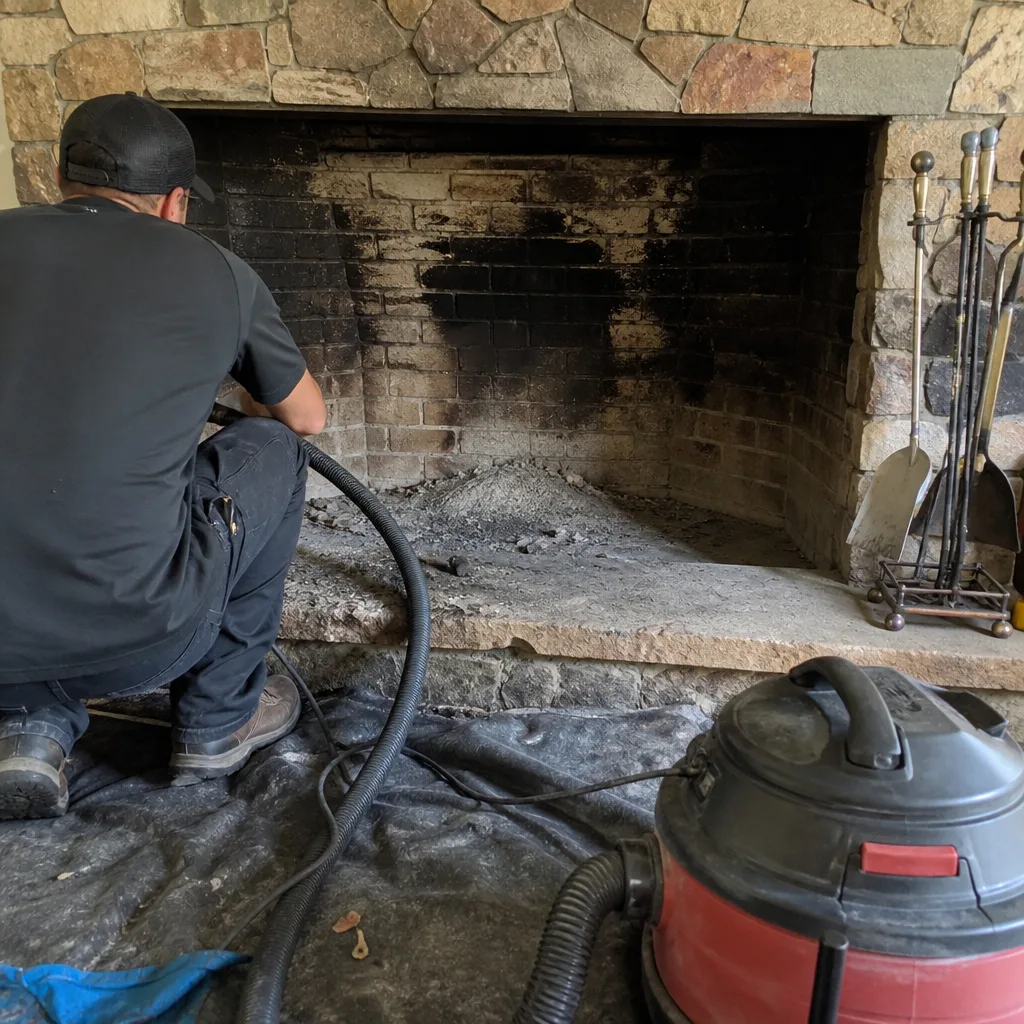
- Protect the home. Drop cloths or floor coverings go down around the hearth, and the work area is sealed so soot stays contained.
- Set up containment. A dust guard is fitted at the fireplace opening, and the vacuum runs throughout to keep the room clean.
- Brush the flue. Brushes matched to the flue size and type clear the deposits, working from top and bottom as needed.
- Clear the firebox and smoke chamber. Soot collects here too, and it’s part of a complete cleaning.
- Clean the cap and screen. The cap and any spark screen are checked and cleared so draft isn’t restricted.
- Inspect and report. With the flue clean, the inspection follows, and findings are documented with photos where relevant.
- Dispose of the debris. Soot and creosote are bagged and removed so nothing is left behind.
Throughout, we work only on chimneys. That’s a deliberate choice: a specialist team isn’t splitting attention between plumbing, HVAC, and roofing calls, so the same focus that makes cleaning effective carries through inspection and repair.
What a Homeowner Can Safely Check Themselves
Some chimney checks are perfectly safe for a homeowner; others should always be left to a professional. Here’s the honest dividing line, and it’s a real one.
Safe to check: whether the damper opens and closes smoothly, whether the firebox shows visible cracks in the brick or mortar, whether the cap on top is intact and free of debris, whether the fire burns with a strong draft, and whether you notice smoke spilling into the room. If you have a firebox door, check that it seats properly. Any of these can be noted and reported.
Leave it to a professional: the interior of the flue. Cleaning a flue means climbing onto a roof or reaching deep into a passage you can’t see, and the deposits you’re clearing are part of a system you need to understand. More important, the inspection that follows a cleaning is what actually finds the problems. A homeowner who brushes the firebox has done something, but not the job that keeps a chimney safe.
There’s also a safety caveat worth stating plainly. Creosote buildup and blocked or damaged venting are the conditions that lead to chimney fires and, in gas or oil setups, carbon monoxide risks. These aren’t things to test by trial. If your fireproofing is in question, a trained professional is the person to check it.
Common Mistakes to Avoid
- Waiting for a problem before booking a cleaning. Most creosote builds silently, and a flue that looks fine from the firebox can be badly loaded above. In North Hills, annual service catches it before it hardens into Stage 2 or 3.
- Burning unseasoned or damp wood through the shoulder season. Cool, slow fires are the fastest route to glazed creosote. Dry your wood and burn hot enough to keep smoke moving.
- Skipping the inspection because “the sweep is enough.” Cleaning clears deposits; the inspection finds the cracked crown, the failing cap, or the flue tile that needs attention. They’re not the same service.
- Letting a missing or damaged cap go. An open flue lets water and animals in, which accelerates the moisture and spalling problems already common here. It’s worth fixing on the same visit as the cleaning.
- Assuming a newer prefab chimney needs less care. Factory-built units have their own liner and clearance rules. They still need regular cleaning and inspection.
- Hiring a generalist who also does chimneys “on the side.” The flue is a system. A dedicated chimney specialist sees the whole picture.
- Burning paper, pine alone, or fire starters as routine fuel. Fast, cool flames create the conditions for hard creosote. Use seasoned wood and keep the fire well-ventilated.
When to Call a Professional
Some situations clearly call for a trained chimney specialist. Book a service if you notice glazed or tar-like deposits inside the flue, if smoke rolls into the room when the fire is lit, if you spot visible cracks in the firebox or mortar, if the cap is loose or missing, or if you’ve never had the chimney inspected since moving in. A change in the chimney’s behavior also warrants a call: a fire that used to draw well and now doesn’t, or a smell of soot lingering in the room after use. In North Hills, the humid climate and long shoulder seasons mean these problems can develop faster than you’d expect, so it’s worth having a specialist look before the burning season starts. Any of these are reasons to schedule an inspection and cleaning, and free estimates mean there’s no reason to wait.
Call Chimney Sweep North Hills for a free estimate on cleaning, inspection, or repair. Our technicians have up to 15 years of experience, and we work only on chimneys.
Frequently Asked Questions
Once a year for most wood-burning households is the standard, and more often if you burn heavily, burn cool fires often, or notice glazed deposits. The humid climate and long shoulder seasons here mean deposits build faster than in drier regions, so annual service is the baseline, not an optional extra. Call (877) 770-1236 for an exact quote.
Not always. A liner is only recommended when the inspection shows it’s actually failing, such as cracked or deteriorated flue tiles. In some cases HeatShield liner resurfacing can restore a deteriorated flue without full relining, and we let the camera evidence decide which applies. You see what we see before anything is recommended.
Pricing is set per job by a written estimate, and the estimate is free. The exact figure depends on the chimney type, the deposits found, and whether an inspection or repair is included. Call (877) 770-1236 and we’ll schedule an assessment rather than guess over the phone.
Creosote keeps building, and the harder stages bond to the flue and become difficult to remove. In the worst case, restricted draft and heavy deposits add up to real fire risk, and moisture that got in through a bad cap or crown causes spalling and cracking. If you’re unsure, a free estimate is the easiest way to find out.
A Level I is the baseline visual check of accessible parts, paired with an annual cleaning. A Level II is more thorough, using a camera to see inside the flue and inspecting accessible attic and crawlspace areas, and it applies after a change like a new appliance or a move into a new home. We’ll tell you which applies to your situation.
In many cases, yes. We source professional-grade caps and crowns, which means cap or crown replacement can often be resolved during the cleaning visit rather than scheduling a second trip. It depends on what the inspection finds and what the chimney needs. Call (877) 770-1236 for a free estimate.
The Bottom Line
Chimney cleaning in North Hills isn’t a generic checklist. The humid climate, the freeze-thaw swings, and the long shoulder season produce creosote loads and masonry wear that a drier region never sees. Annual cleaning paired with the right inspection is the baseline. Dry, seasoned wood and a hot fire keep the deposits from hardening. Caps and crowns protect the flue from moisture, and liner problems should be confirmed with camera evidence before any work is recommended. One dedicated team can carry the whole system from sweep to inspection to repair to restoration. To schedule your cleaning, call Chimney Sweep North Hills at (877) 770-1236 for a free estimate. We answer 24/7, with fast dispatch from 7am to 7pm, Sunday through Friday.
Written by the team at Chimney Sweep North Hills.
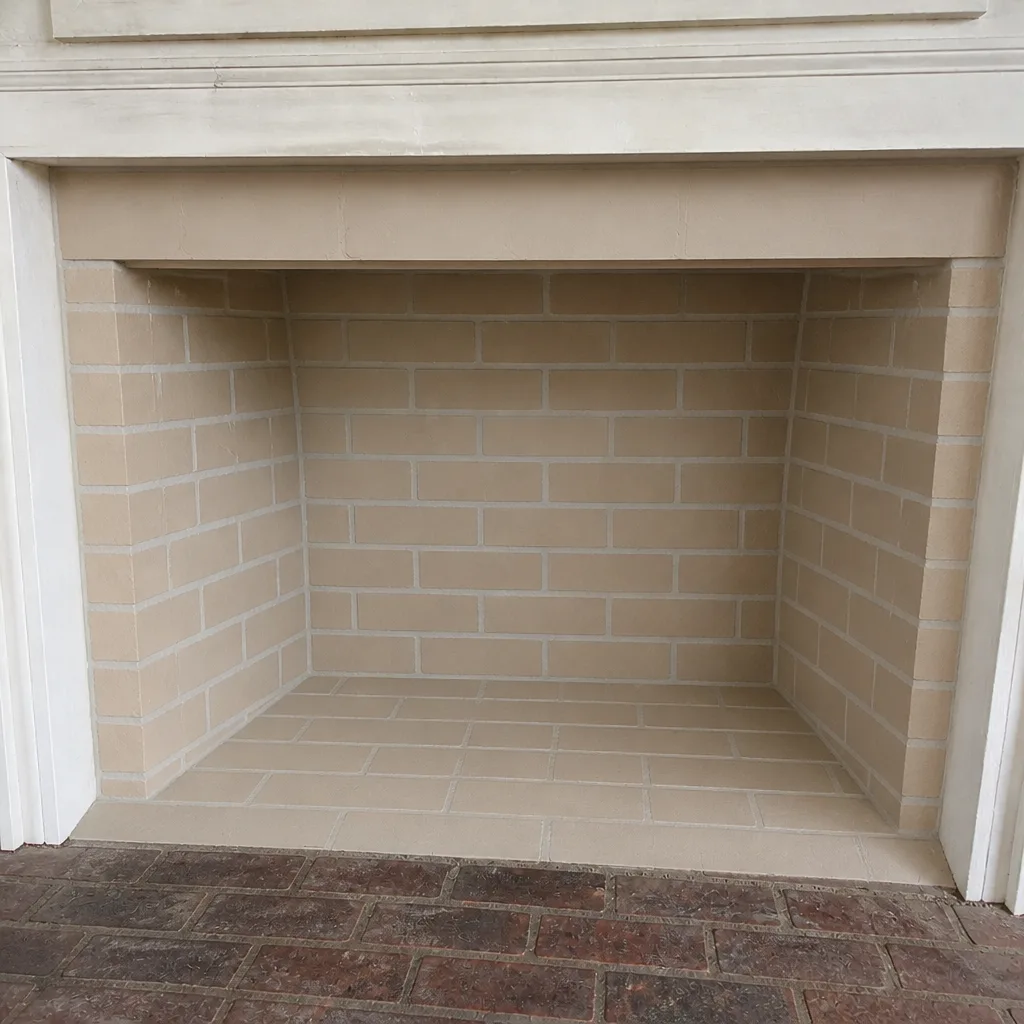
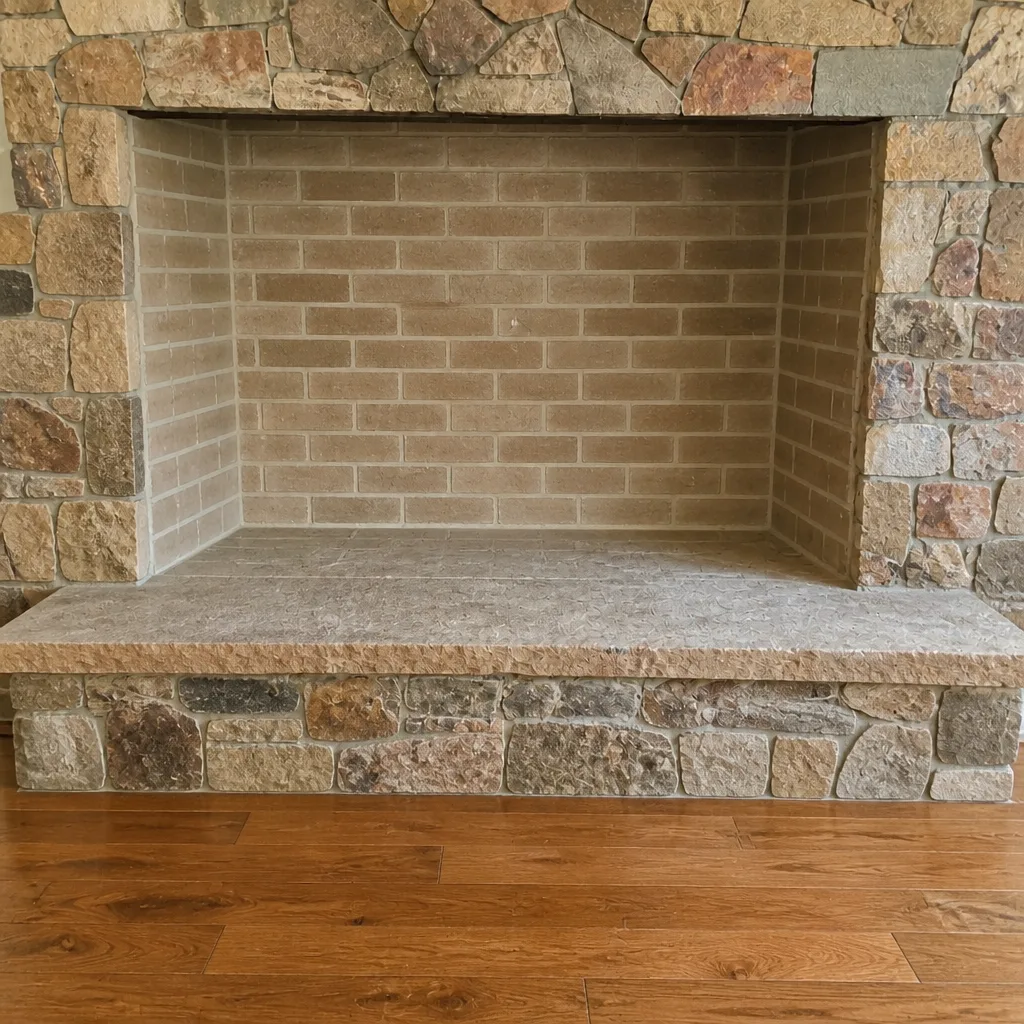
See the difference
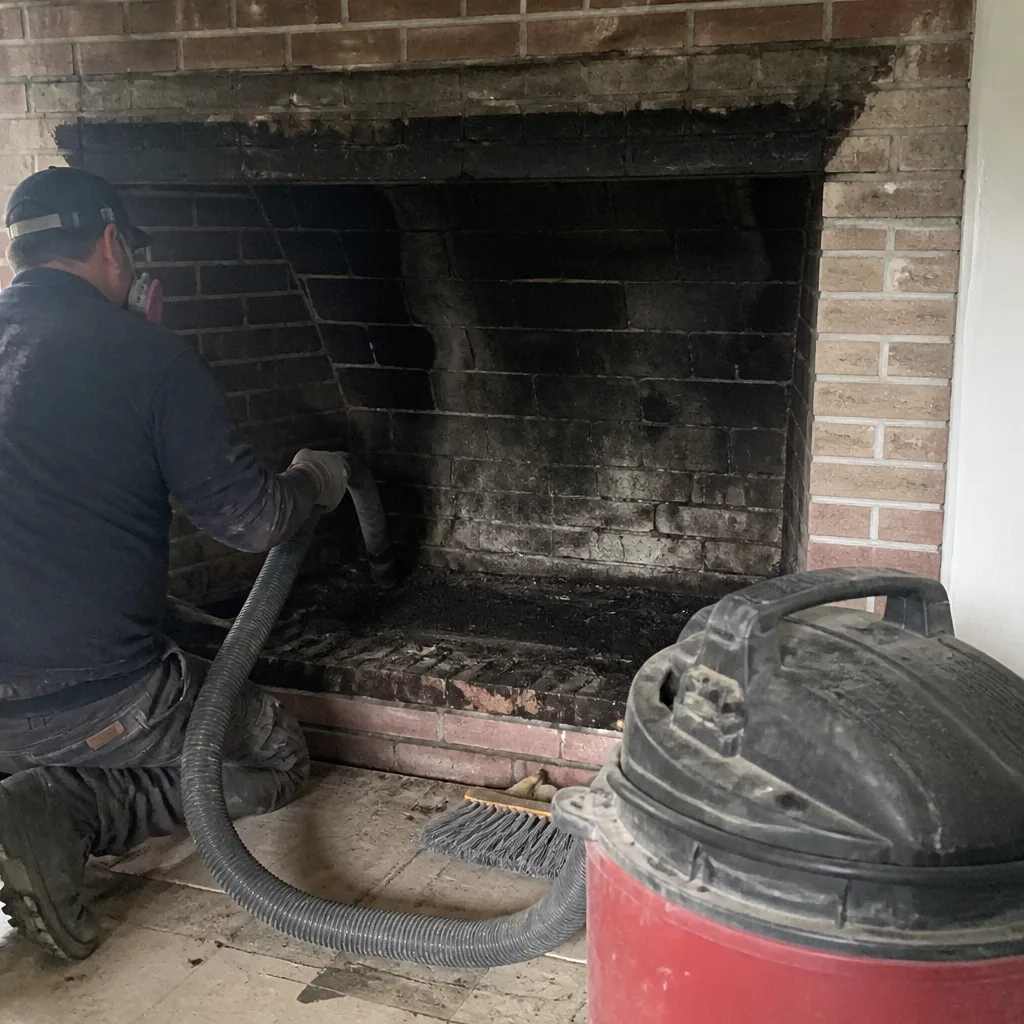 Before
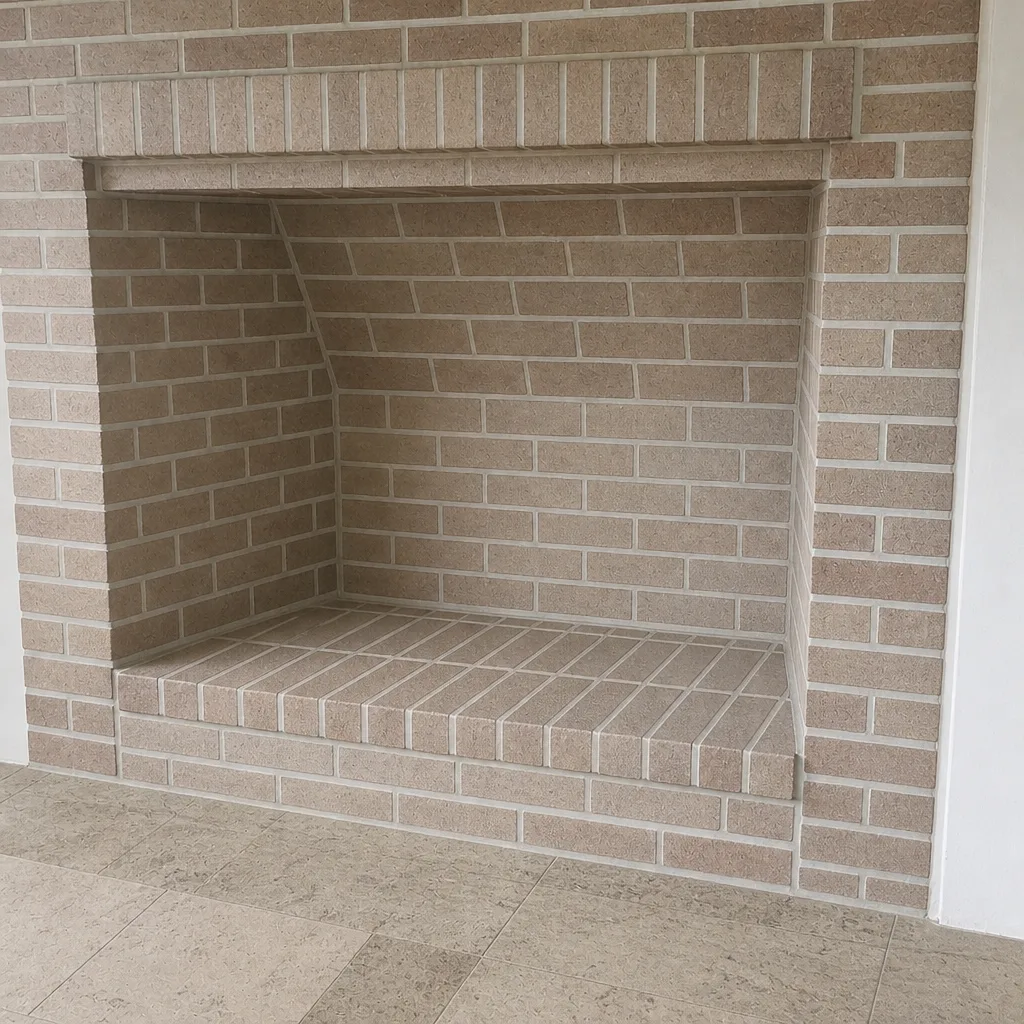 After
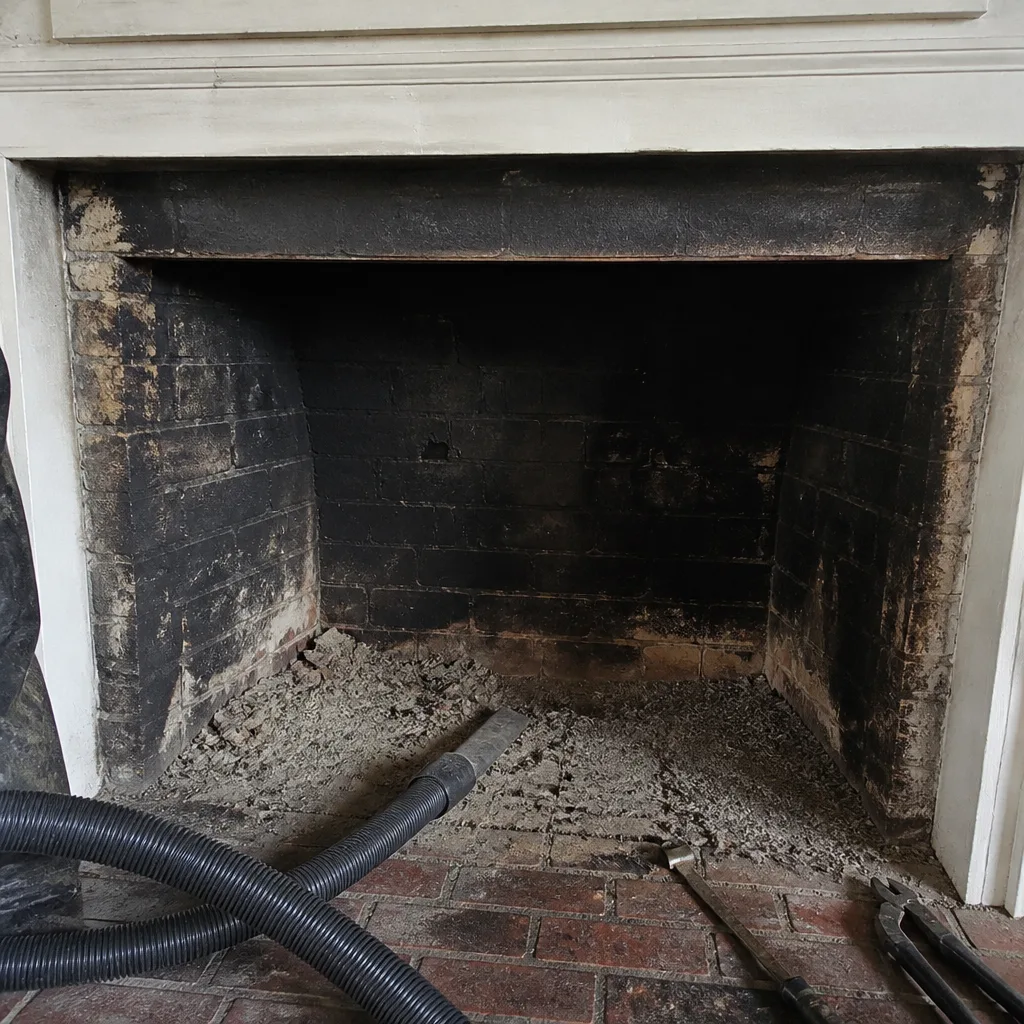 Before
 After
 Before
 After